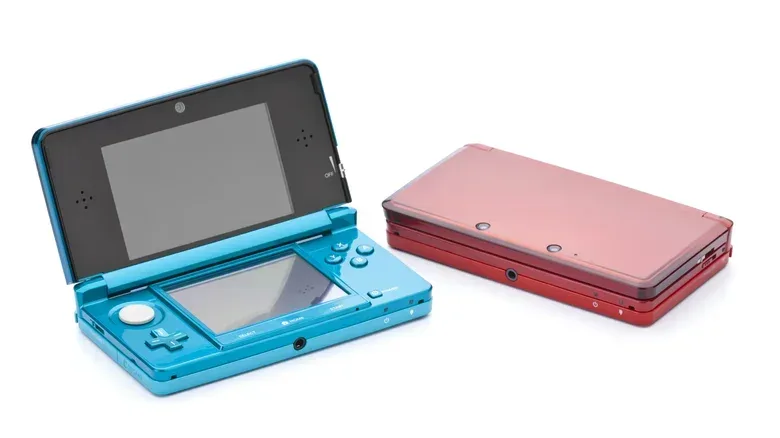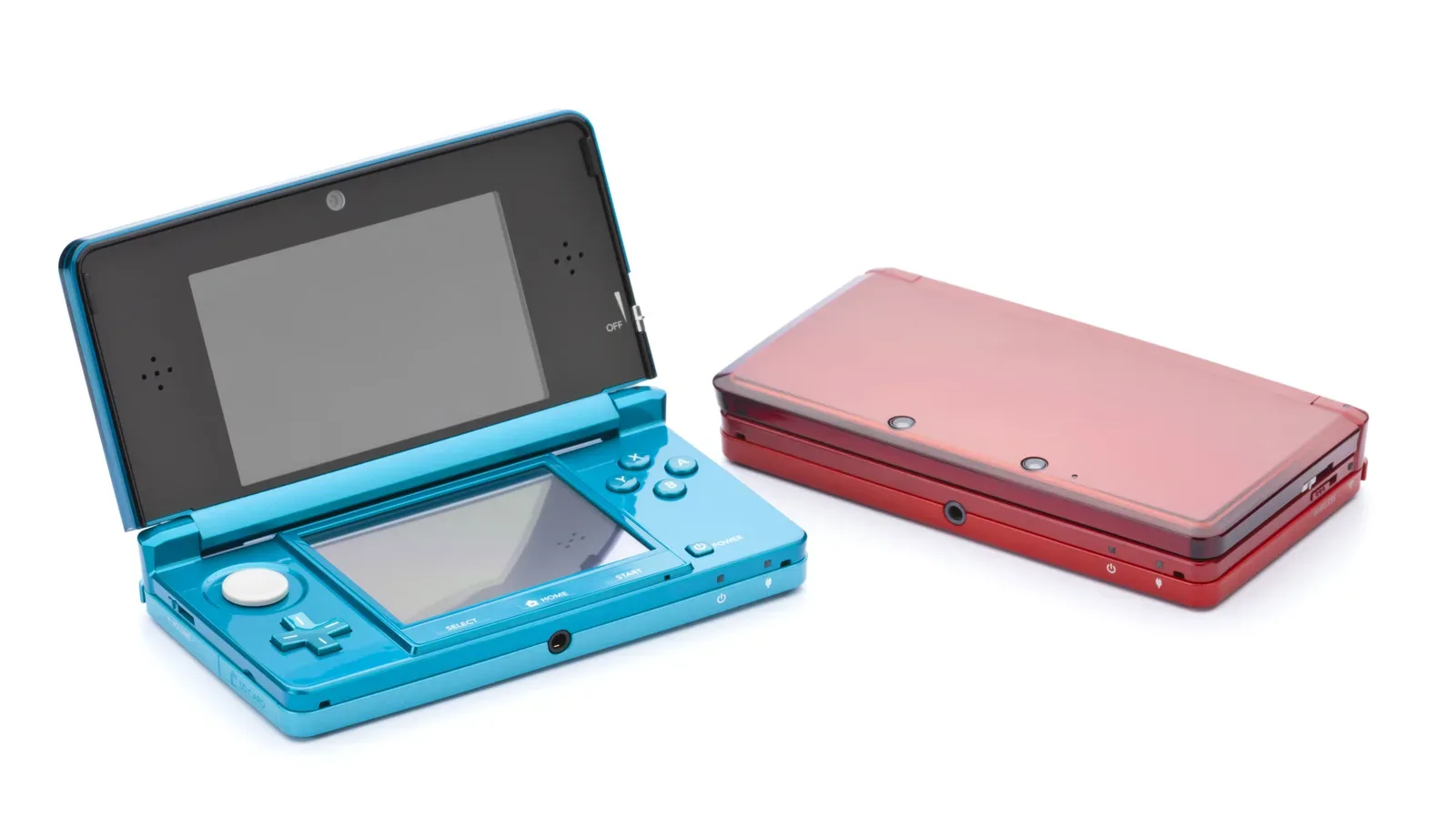
The Nintendo 3DS is no longer the inexpensive fallback it once was. In 2026, its official digital storefront is closed, Nintendo’s online servers are shut down, and the used hardware market can put a refurbished unit uncomfortably close to newer alternatives. Yet the little clamshell still makes a compelling argument that many modern portable systems cannot: it is a genuinely small gaming machine designed almost entirely around playing games.
That distinction matters. Current handhelds deliver far more power, but portability is not merely a question of whether a device has a battery. A device that fits in a jacket pocket without requiring a case, bag or careful screen protection changes when it can be used. The 3DS was built around that kind of casual, take-it-anywhere play. Its clamshell shuts over the screens, its physical game cards are easy to swap, and its interface avoids the barrage of non-gaming alerts associated with many current devices.
Still, “worth buying” is not a universal verdict. A 3DS can be an excellent purchase for someone who values its particular library, small footprint and tactile Nintendo character. It is a poor choice for someone hoping for an inexpensive all-purpose modern handheld, dependable official online multiplayer, or a painless way to assemble a library from scratch. The useful question is not whether the system is timeless. It is whether its limits fit the way you actually want to play.
The price problem is now the first thing to solve
The biggest surprise for a first-time buyer may be the console’s price. Used 3DS hardware was once readily associated with roughly $100 purchases. Now, refurbished systems can be listed around $250, with XL models potentially costing more. That is an awkward position for a discontinued portable with no official store and no active first-party online infrastructure.
For comparison, a refurbished original Nintendo Switch is available for about $180. The Switch is not as pocketable as a 3DS, but it is a newer platform and offers access to games that are otherwise impossible for 3DS hardware to run. Some games from the 3DS era have also reached Switch through ports or remakes. That does not erase the 3DS library, but it does mean prospective buyers should identify the games they specifically want before paying a nostalgia-inflated console price.
The broader handheld market does not make this decision simpler. The Nintendo Switch 2 rose from $450 to $500 at the beginning of September, while more powerful handheld options such as Steam Deck and Xbox Ally systems sit above it in price. Those figures make an older Nintendo machine look tempting at first glance. But the 3DS should not be treated as a cheap substitute merely because modern devices cost more. Its own second-hand value has risen enough that it must compete on experience, not raw savings.
What a buyer is really paying for
A high 3DS price does not buy current specifications, expansive official connectivity or a continuing digital marketplace. It buys a specific form factor, a distinct game catalog and hardware that still excels at short sessions away from home. For buyers who want those things, the cost may be defensible. For buyers who simply need an affordable portable screen for games, it is harder to justify.
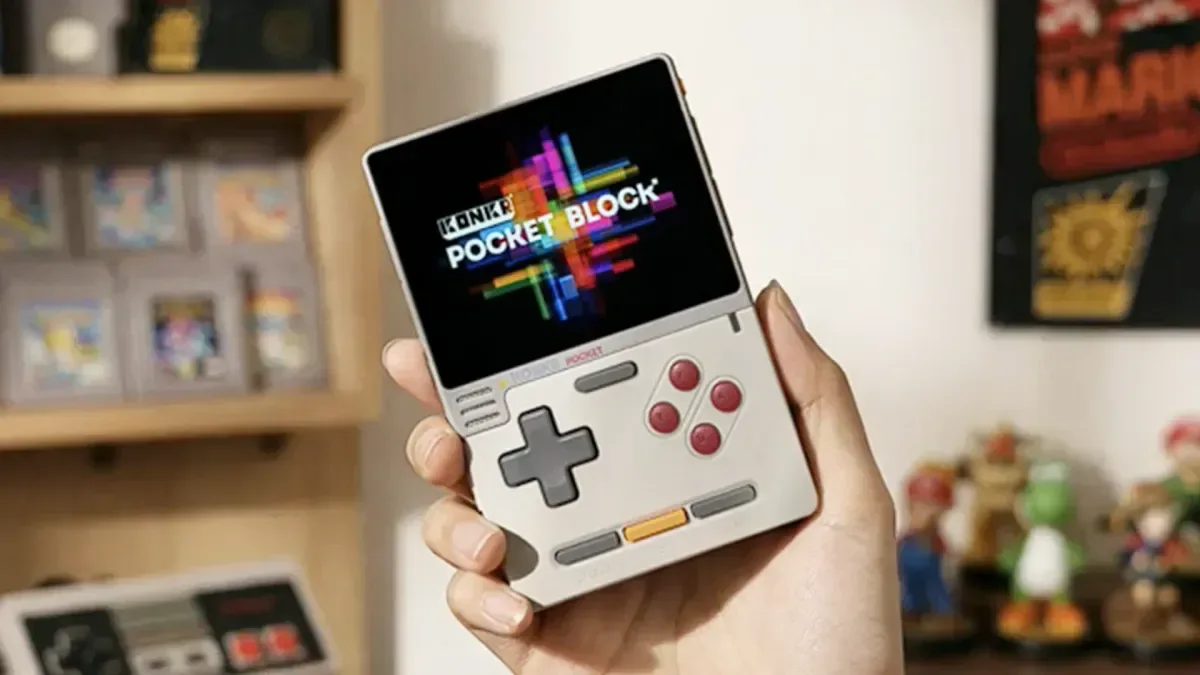
There is also a lower-cost route for people whose interest stops before the 3DS generation. DS-style handheld emulation devices from companies such as Anbernic can cost about $95, but they are limited to DS and earlier emulation rather than 3DS games. In practical terms, that makes them an alternative for older portable libraries, not a replacement for a 3DS. Anyone deciding between them should avoid collapsing “retro handheld” into one category: the software each can handle is the entire point of the choice. For another perspective on making use of hardware already at hand, see how an old Android phone can still serve as a retro gaming handheld.
Related coverage includes Is the Nintendo 3DS Still Worth Buying in 2026?.
Official digital buying and online play are gone
The practical downside of entering the ecosystem late is that Nintendo’s official avenues have narrowed dramatically. The 3DS eShop closed in 2023, so a newcomer cannot simply browse and purchase the platform’s digital catalog through the console. Nintendo’s 3DS online servers then shut down in 2024, ending official online functionality and removing the easy, built-in multiplayer expectation that once accompanied the system.
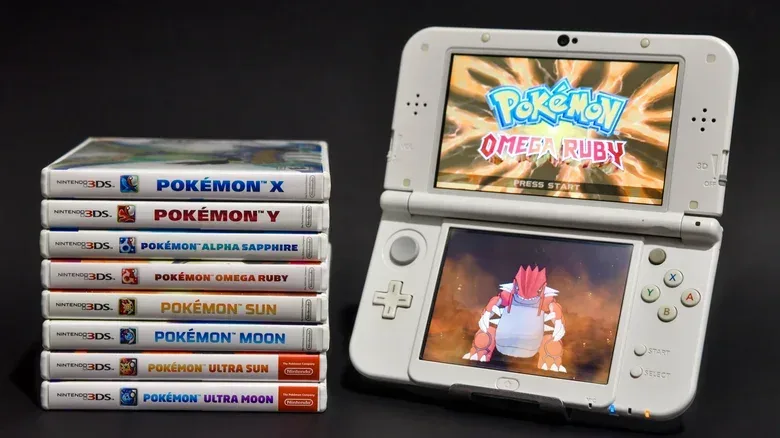
That history changes what ownership looks like. Physical cartridges become the standard route for acquiring games. Some can still be found at reasonable prices, but scarcity and collector demand have pushed others much higher. The Yokai Watch series and Dragon Quest VIII: Journey of the Cursed King are examples of games that can sell well above their original launch pricing. A prospective owner should therefore budget for software as carefully as for the machine itself; a comparatively reasonable console purchase can become expensive if the desired library consists of sought-after releases.
It also changes the system’s social character. Miiverse is no longer part of the experience, and official online sessions are unavailable. For players who associate a Nintendo handheld with easy matchmaking and shared features, that is not a minor footnote. It is a central limitation.
StreetPass survives, but its usefulness is situational
StreetPass remains functional because it does not depend on Nintendo’s online servers. That is a small but meaningful preservation of the original 3DS identity: the feature was designed to exchange data with other nearby 3DS systems. However, its value in 2026 depends entirely on encountering other owners in the same physical places. In an area with few active 3DS users, it may be technically alive but rarely relevant.
This is an important difference between a feature existing and a feature being practically useful. StreetPass makes the 3DS feel unusually connected to the real world when it happens, but it cannot be relied upon as a regular reason to buy the system now. Treat it as a possible bonus rather than a promised part of everyday use.
The hardware’s strongest argument is still physical
Modern handhelds can be portable without being pocket-friendly. The 3DS, like the original DS before it, remains notable because it is compact enough to disappear into a pocket or purse. The clamshell design helps here twice over: it reduces the space the device occupies and protects its screens when closed. That protection is especially valuable for a machine meant to travel without a dedicated carrying case.
The design also gives the 3DS a durable, self-contained quality. It is not invulnerable, and any used system should be assessed for its condition, but the form factor provides a kind of built-in armor that slab-shaped handhelds lack. Basic maintenance can also be approachable, with the circle pad and shell cited as examples of components that can be replaced.
For commuters, frequent travelers, or players who want to fill brief gaps in a day, this is more than an aesthetic advantage. A device that can be carried effortlessly is more likely to be played. A larger handheld may have a better display, stronger performance and a deeper feature set, yet remain at home because taking it along requires planning. The 3DS wins by asking almost nothing of its owner’s bag space.
Modding and community services expand possibilities—but add caveats
The closure of official services does not mean every 3DS is permanently restricted to offline physical cartridges. Community projects are attempting to restore elements of online functionality. Pretendo, which aims to provide replacement servers for Wii U and 3DS systems, is one such effort. Support is not complete for every game, so it should be viewed as a developing alternative rather than a full recreation of Nintendo’s former service.
Using it requires modding the system. In this context, modding means altering a console’s software environment so it can run capabilities outside Nintendo’s stock setup. The 3DS is described as especially accessible to modify, with an SD card forming the basic hardware requirement. Modding can also enable emulation software, which is software that allows a device to reproduce the behavior of another system for compatible software.
That technical flexibility is part of why the 3DS remains interesting after the eShop’s closure. It can reduce the sense that the original storefront shutdown has made the device a sealed artifact. But it does not transform the 3DS into a current-generation system. It will not run the latest Switch games, and community replacement services should not be assumed to offer universal game compatibility or the same scope as the retired official network.
For a buyer, this creates two distinct 3DS propositions. One is a stock machine for a physical collection and offline play. The other is a project-oriented device for people comfortable investigating community tools and a broader emulation setup. Neither approach is inherently better; the mistake is buying one while expecting the other.
A simple buying checklist
- Start with the games: Make a list of the 3DS titles you want, then check whether they are available as physical copies, whether their prices fit your budget, and whether a Switch port or remake would serve you better.
- Compare the total cost: Include the console, games and any maintenance needs. A $250 refurbished 3DS can look less attractive beside a roughly $180 refurbished Switch if the library you want overlaps.
- Decide how much online matters: Official online play is over. StreetPass can still work locally, while community alternatives such as Pretendo are incomplete and require modding.
- Choose the form factor intentionally: The 3DS earns its place through compactness and a protective clamshell, not through contemporary performance.
- Be realistic about the project factor: If modding and emulation appeal to you, the platform offers additional avenues. If you want a fully supported plug-and-play ecosystem, a newer platform is the safer fit.
Who should buy a 3DS in 2026?
The best candidate is a player who specifically wants the 3DS library, values a device small enough to carry nearly anywhere, and understands that official online and digital purchasing are part of the past. The system remains particularly attractive for people who prefer a dedicated game machine over a notification-heavy general-purpose device. Its interface and hardware focus attention on the game in a way that still feels distinct.
It makes less sense for someone seeking the lowest-cost route to portable gaming, reliable official multiplayer, or the newest releases. The initial hardware price is no longer a bargain by default, and desirable physical games can make ownership still more expensive. A refurbished original Switch may be the better value for many players, while lower-priced DS-oriented emulation handhelds address a different, older-library use case.
In the end, the 3DS is not supported in the way a current console is supported, but it is not obsolete in the ways that matter to every player. Its remaining appeal is focused and tangible: a durable pocket machine, a beloved catalog, physical cartridges, local play, and a console identity built for gaming rather than distraction. Buy it for that focused experience—not as a budget stand-in for modern hardware—and its peculiar strengths are still easy to understand.