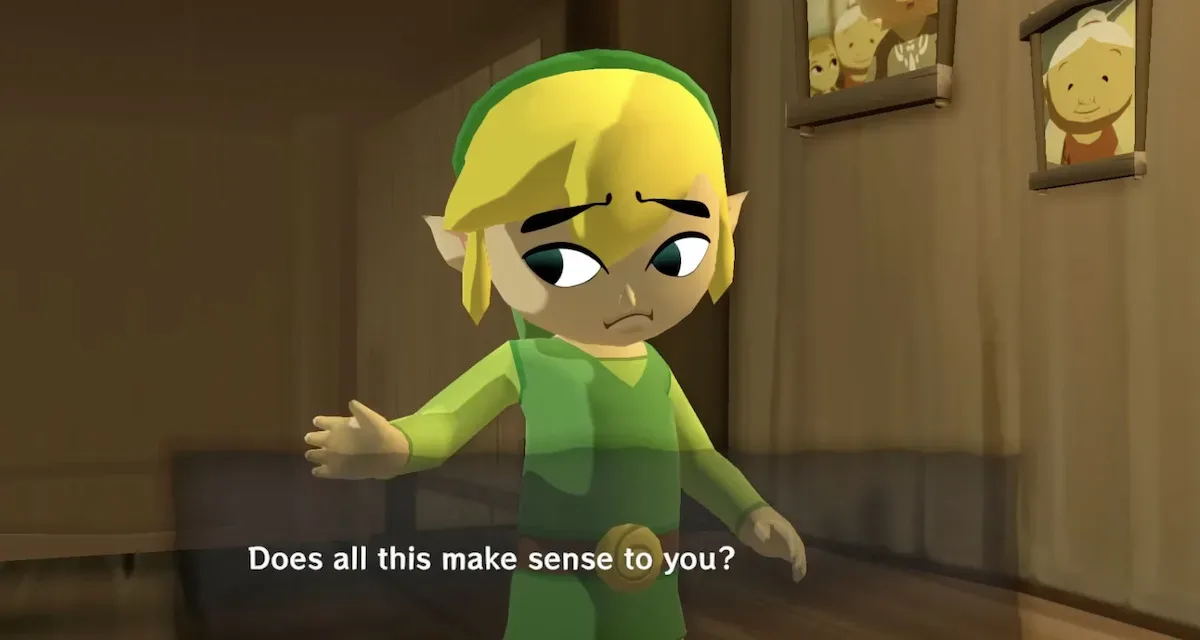
The Legend of Zelda: The Wind Waker has always been an unusual entry in Nintendo’s adventure series: a game about a drowned kingdom that looks bright enough to hang on a Saturday-morning cartoon cel. Its original GameCube release could divide players who came in expecting a more realistic-looking follow-up to earlier Zelda games. Even those who admired its expressive cel-shaded art sometimes found its dungeon count modest, its early challenges light, and its late-game hunt for Triforce pieces exhausting.
Yet The Wind Waker HD on Wii U makes a persuasive case for reassessing those judgments. Not merely because it polishes the image and streamlines a notorious objective, but because the game’s actual strengths become clearest when an inexperienced player is allowed to set the pace. Where a veteran may see a delay before the next story marker, a newcomer sees a town full of mysteries, a pig that might retaliate, a weird door with opinions, and a distant island that absolutely needs investigating.
That gap in perspective is a useful reminder: Wind Waker is less interested in making the player rush through a checklist of heroic milestones than it is in teaching them to enjoy inhabiting its ocean. It is a Zelda built around curiosity before efficiency.
A cartoon world with serious design instincts
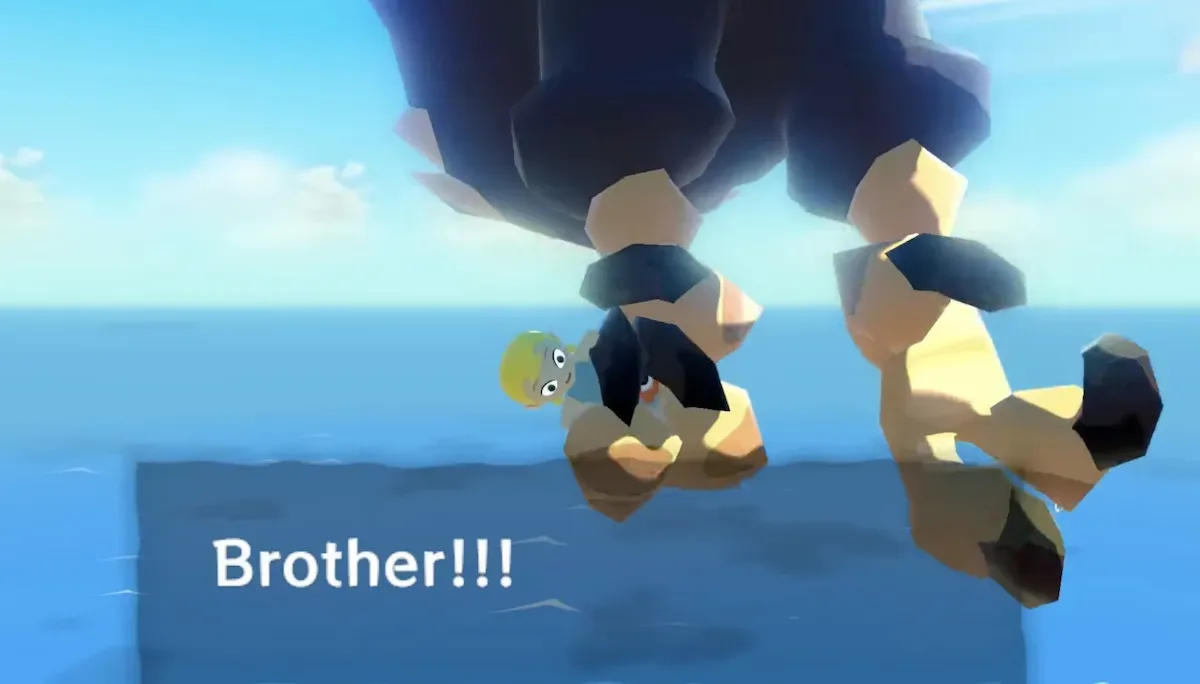
Wind Waker’s visual direction remains its most immediate achievement. Link’s huge eyes, exaggerated reactions, elastic movement, and famously communicative eyebrows make every discovery readable. Enemies broadcast their intentions through animation. A startled Bokoblin is funny before it is threatening; a guard’s patrol route is easy to understand; and Link flattening against the Forsaken Fortress after being launched inside establishes the game’s slapstick confidence immediately.
That visual clarity has practical value. The Forsaken Fortress is an early stealth-focused sequence in which Link temporarily loses his sword. Instead of burying players under systems, the area teaches them with objects and space: barrels offer hiding places, searchlights create obvious priorities, routes branch from a central courtyard, and capture is a setback rather than a devastating failure. Being sent to a cell is inconvenient, but escape is manageable. The game lets a new player experiment without turning every mistake into a punishment.
This is the elegance behind what can initially be mistaken for simplicity. Wind Waker gives players room to understand Link’s movement, tools, and surroundings on their own terms. Its spaces often suggest an answer before they demand perfect execution. That makes the opening especially accommodating for a family play session, where the pleasure can come from pointing out a path, testing a silly interaction, or seeing what happens when Link annoys the local livestock.
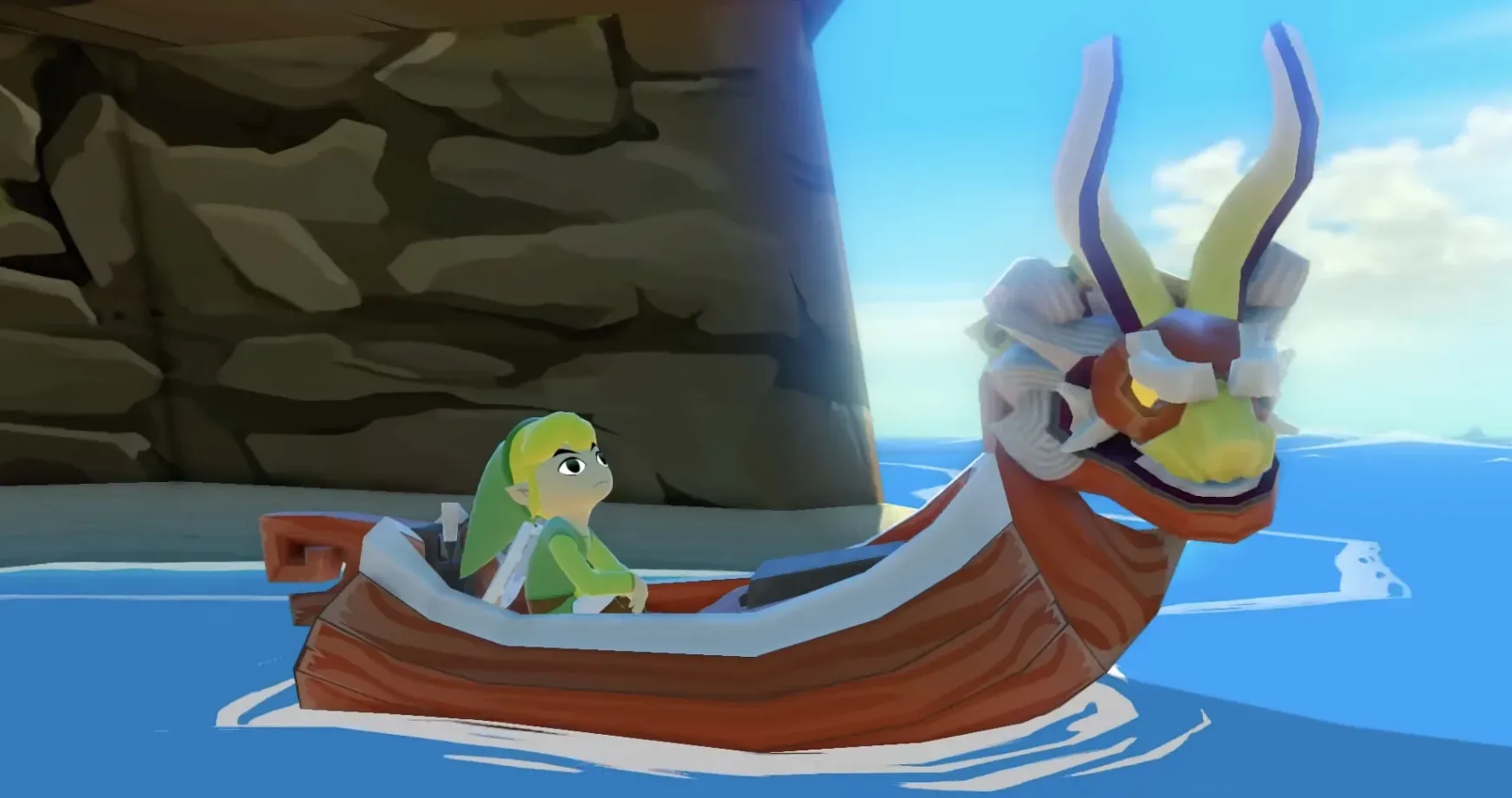
It also makes the stakes easy to grasp. Link begins as a boy from Outset Island swept into danger after his sister Aryll is taken by the Helmaroc King. He is not introduced as an already mythic warrior wielding extraordinary abilities. His progress is tangible: he picks up what he can use, learns from allies, and becomes capable through persistence. For younger players, that grounded starting point can be more inviting than a destiny-heavy prologue.
Windfall Island is not a distraction
Once the King of Red Lions gives Link access to the Great Sea, an impatient player can feel the pull of Dragon Roost Island and the larger quest. Windfall Island, however, reveals another side of the game’s priorities. Its optional activities are not merely padding between temples. They are opportunities to learn that the world responds.
Related coverage includes Replaying The Wind Waker With a Child Reveals Why Its Great Sea Still Matters.
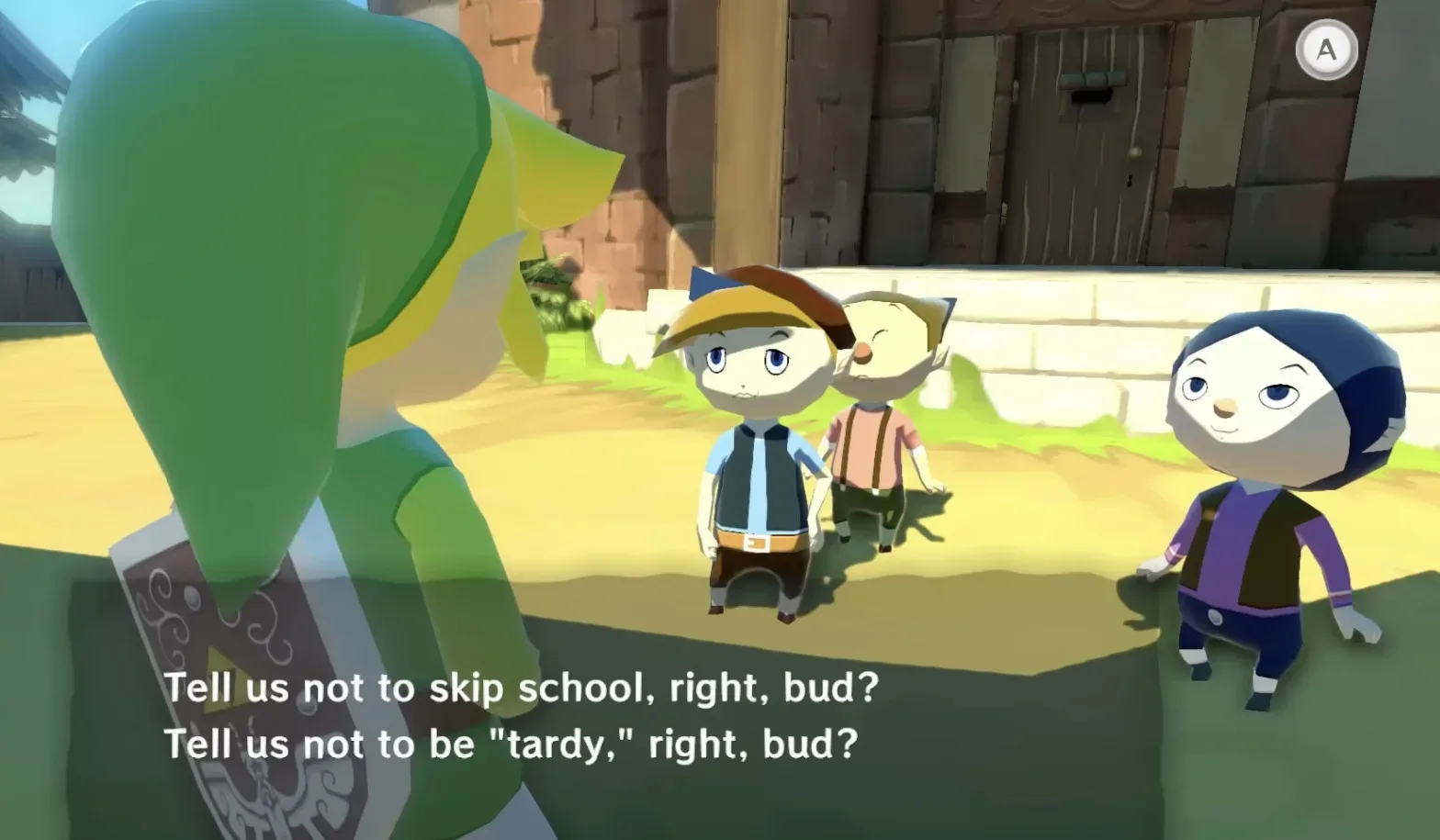
There is Lenzo’s quest for the Picto Box, Tingle’s rescue, Mrs. Marie’s School of Joy tasks, hide-and-seek with the town’s troublemaking children, and the Sinking Ships mini-game. Players can revisit townsfolk, observe the day and night cycle, notice small animations, and collect rupees for the simple satisfaction of seeing numbers rise. A player who chooses to speak to everyone is playing Wind Waker exactly as its densely characterized islands encourage.
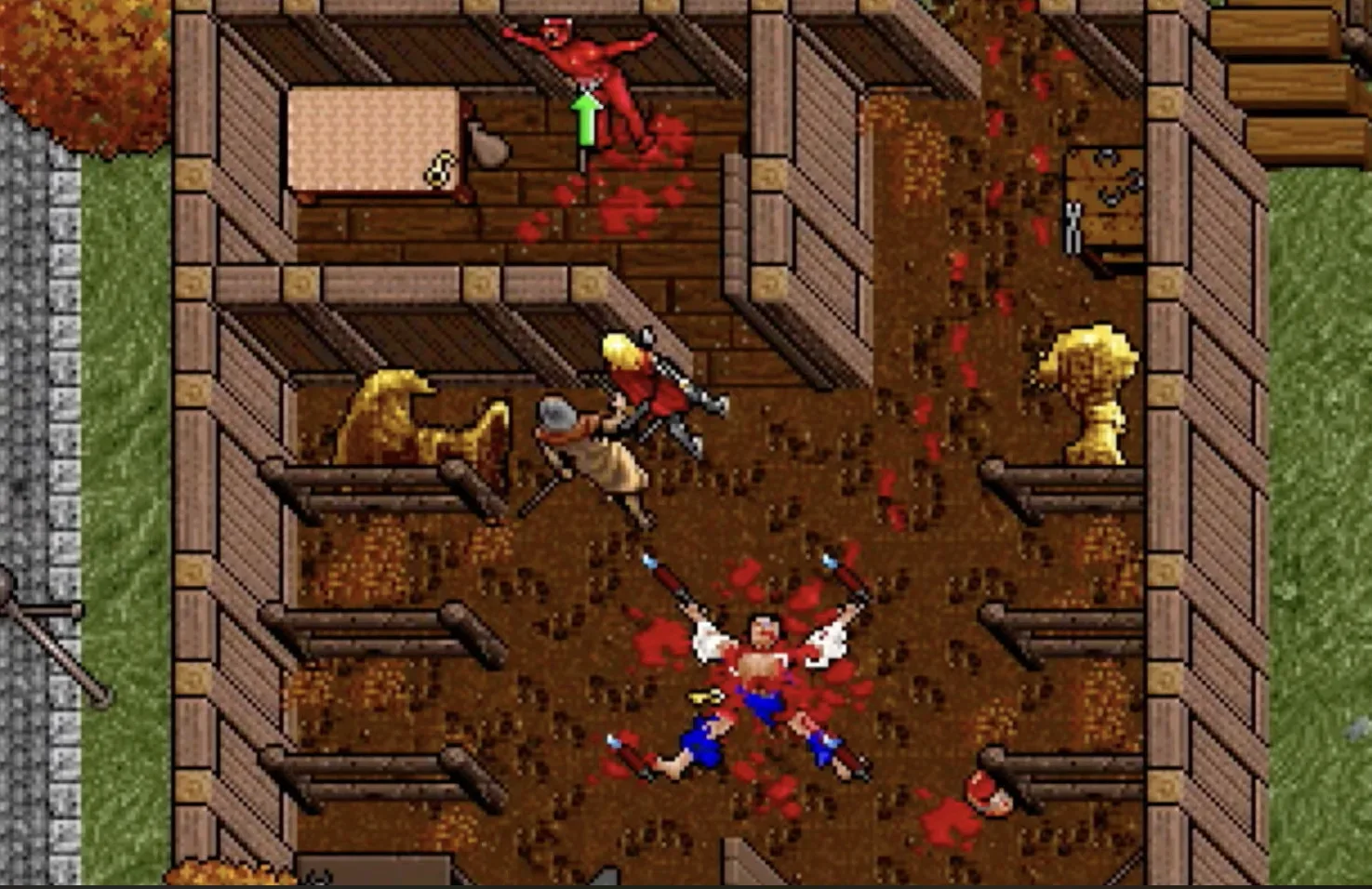
Later side stories give that attention a payoff. Mila’s family loses its fortune after her father spends everything trying to save her, while Maggie’s family becomes wealthy after she returns and an unusual relationship with a Moblin produces valuable skull necklaces. These are small comic stories, but they make rescue feel consequential beyond the main cutscenes. Windfall changes with its people. For a classic role-playing world that feels equally responsive to incidental behavior and exploration, see Ultima VII: The Black Gate Still Shows How a PC RPG Can Feel Truly Alive.
Wind Waker’s particular gift is making even minor interactions feel like toys. Fishmen can chart the sea when given bait. The Hyoi Pear permits control of a seagull to spot hidden spots. Ho Hos offer lookout advice. The Cabana Deed earns Link a second residence, complete with a sentient door that takes a while to warm up. The game even distinguishes Seahats from Peahats, an essential piece of monster taxonomy for anyone who has made a habit of boomeranging both.
Items are invitations, not just keys
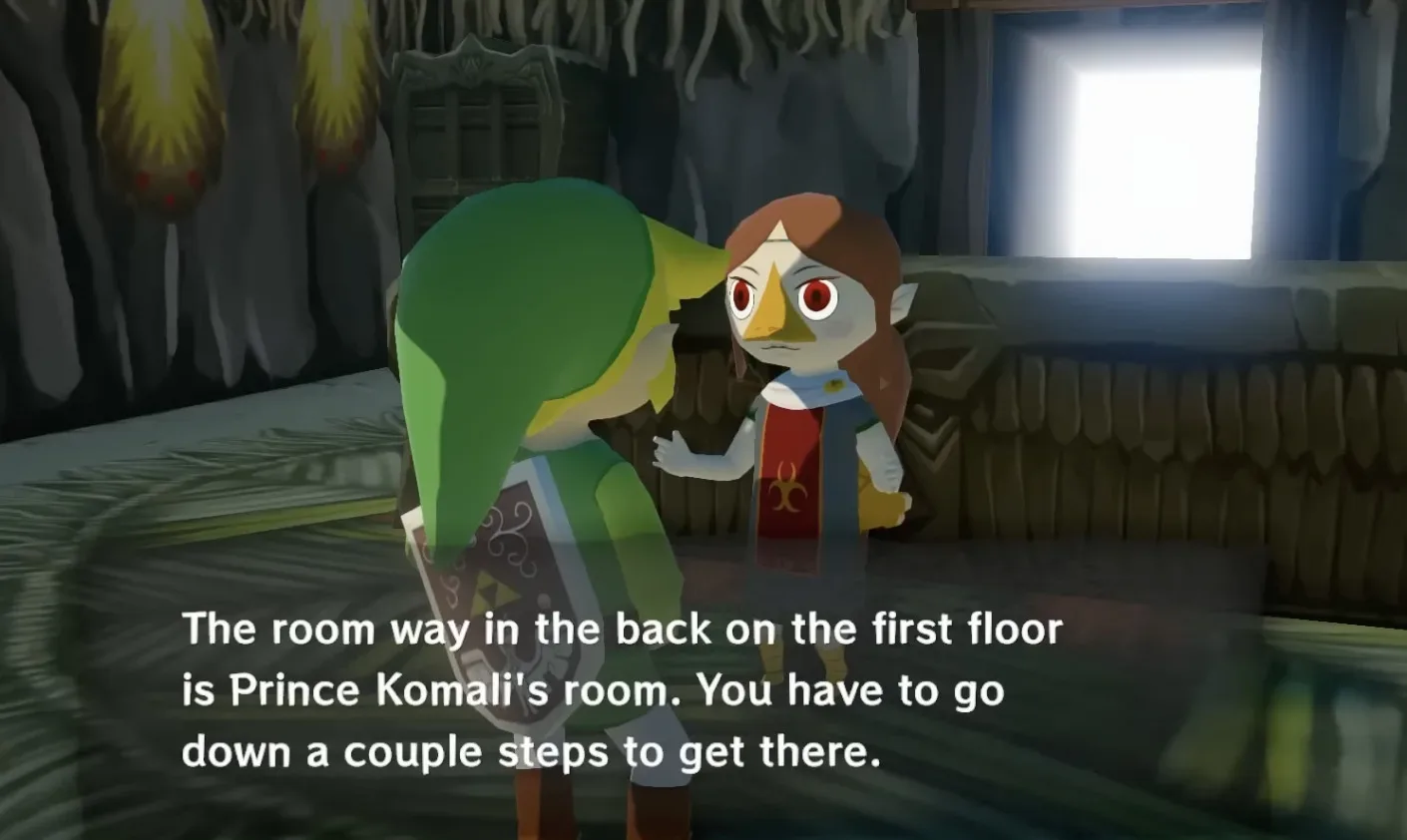
The central Zelda dungeon rhythm is intact: locate small keys, open new rooms, gain an important item, solve a broader set of puzzles, and confront a boss. In Wind Waker, the items usually feel connected to the people and places around them. Medli gives Link the grappling hook during the Dragon Roost Cavern sequence, for example, making the tool feel like help from an ally rather than anonymous dungeon loot.
Then the game repeatedly asks what else that tool can do. The grappling hook crosses gaps, steals from enemies, and salvages treasure from the sea. Bombs become a ship-mounted cannon. The Deku Leaf can blow gusts or serve as a glider. Equipment does not get retired immediately after its introduction; it becomes part of a growing vocabulary.
The vertical construction of Dragon Roost Cavern and Forest Haven is especially important. Islands naturally restrict horizontal space, so the dungeons turn height into complexity. Wind Waker builds challenge through layered routes and tool combinations rather than through visual clutter. The Wii U GamePad also makes item swapping easier in the HD version, a helpful quality-of-life improvement when puzzles call for quick changes between tools.
Its later temples develop the partnership idea further. The Earth Temple asks Link to work with Medli, whose harp can direct light like a mirror shield. The Wind Temple pairs him with Makar, who can hover and plant seeds that grow into hookshot targets. The Command Melody enables direct control of both companions. These are not permanent party members, but their presence gives the temples a distinct collaborative structure, including memorable light-reflection puzzles and wind-powered vertical chambers.
The Great Sea became better once sailing stopped fighting the player
The GameCube version’s most frequently discussed rough edge was sailing. Changing the wind required conducting the Wind Requiem again and again, while long crossings could feel slow. The Wii U edition substantially improves this with the Swift Sail, which speeds travel and automatically adjusts the wind direction. Obtaining it still involves Windfall’s auction system, but its impact on the larger journey is hard to overstate.
By reducing repetitive wind management, the Swift Sail changes the emotional texture of exploration. A silhouette on the horizon becomes a quick detour rather than an obligation to calculate another lengthy voyage. The sea contains enemy submarines, Big Octos, Gyorgs, treasure charts, themed islands, fairy upgrades, and unusual places such as Diamond Steppe Island’s shipwreck-linked maze. The Ghost Ship Chart, the Deluxe Picto Box, Goron trading, and the Song of Passing can all emerge from a willingness to stop chasing the next required destination.
Wind Waker’s water is designed to make that wandering pleasant. Seagulls glide beside the boat, visible streams indicate the wind, weather shifts by location, and the day-night cycle changes the mood of a voyage. The Great Sea theme does much of the remaining work. It is energetic without becoming abrasive, making each island feel like a promise rather than a loading barrier.
The Triforce quest depends on what the player wants from Zelda
The late-game Triforce hunt is the clearest example of how expectations shape a Wind Waker playthrough. In the original version, Link had to locate eight charts, pay Tingle 398 rupees per chart for deciphering, and then salvage the associated shards. That cost could require substantial rupee gathering, and the process notoriously frustrated players focused on reaching the finale.
Wind Waker HD reduces that burden: only three charts need deciphering as part of the revised structure. The result is not simply a shorter task. It reframes the goal around sailing, charts, and discovery—the activities that define the game’s identity. The Savage Labyrinth, with its 30 increasingly difficult floors of enemies, becomes a bold diversion rather than an obstruction. Hunting for charts can feel like a reward for having learned how the sea works.
This does not erase every reservation. The third pearl sequence still has no full dungeon attached, and the compressed feeling has often led to discussion of content that may have been cut during development. The story’s revelation that Hyrule’s goddesses flooded the kingdom to prevent Ganon’s return also raises unsettling questions about the people and places lost beneath the waves. Wind Waker is cheerfully colorful, but its world is founded on catastrophe.
Perhaps that contrast is why its optimism lands so well. Underwater Hyrule’s faded stillness, particularly the altered sepia presentation in the Wii U version, makes the restoration of color when Link takes the Master Sword feel powerful. The game recognizes an inherited tragedy, then gives a young hero the tools to move forward rather than remain trapped in it.
Wind Waker HD remains a standout example of accessible design that does not mistake accessibility for emptiness. It is full of strange neighbors, layered tools, melancholy lore, and reasons to sail nowhere in particular. Players returning with a completionist’s impatience may still notice its omissions. Players willing to follow every seagull, chat with every Fishman, and treat an optional island as the day’s main event may find that the Great Sea was never empty at all.