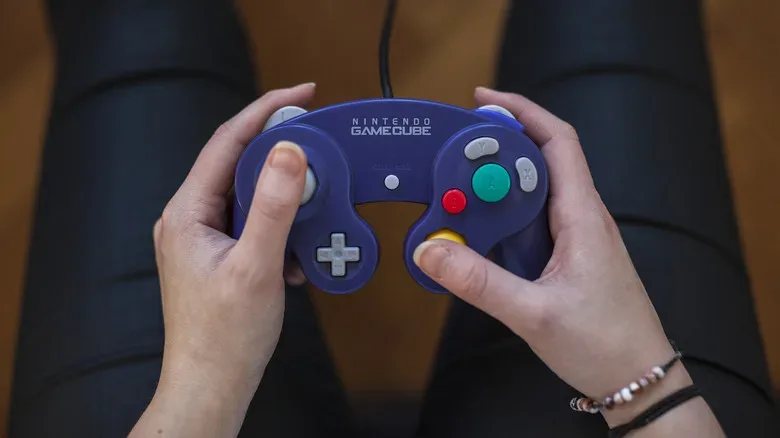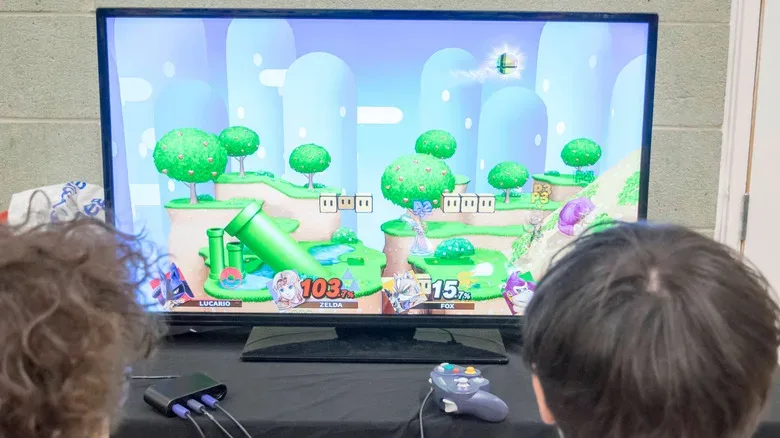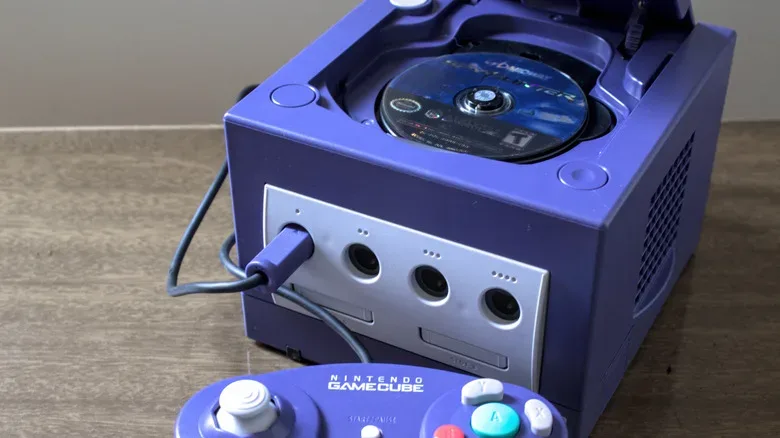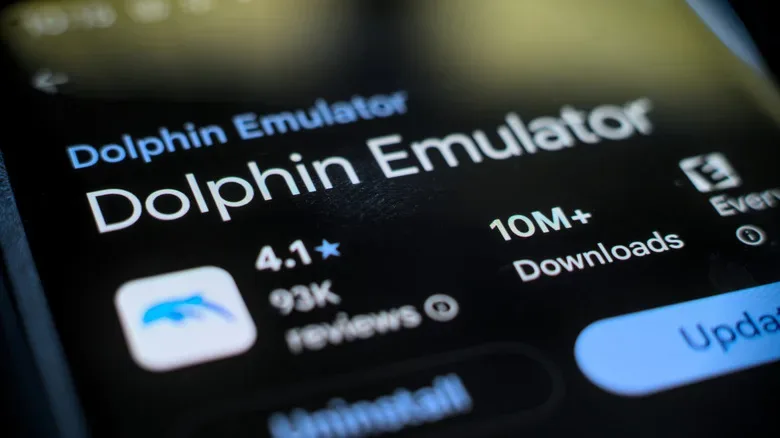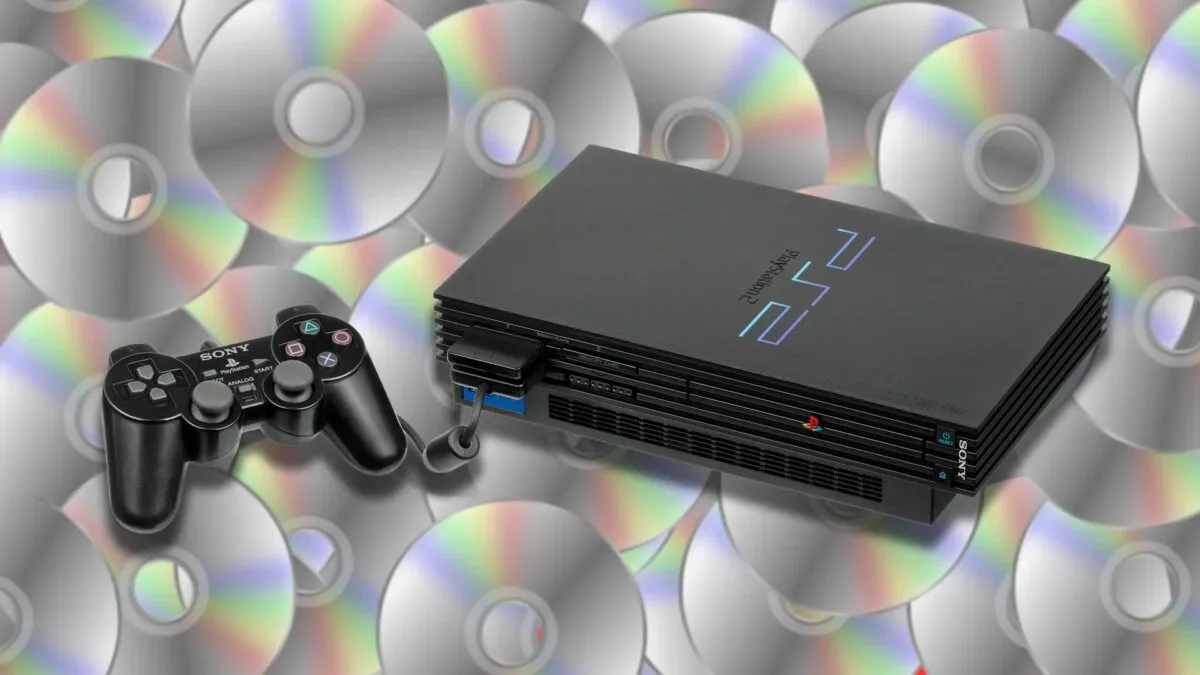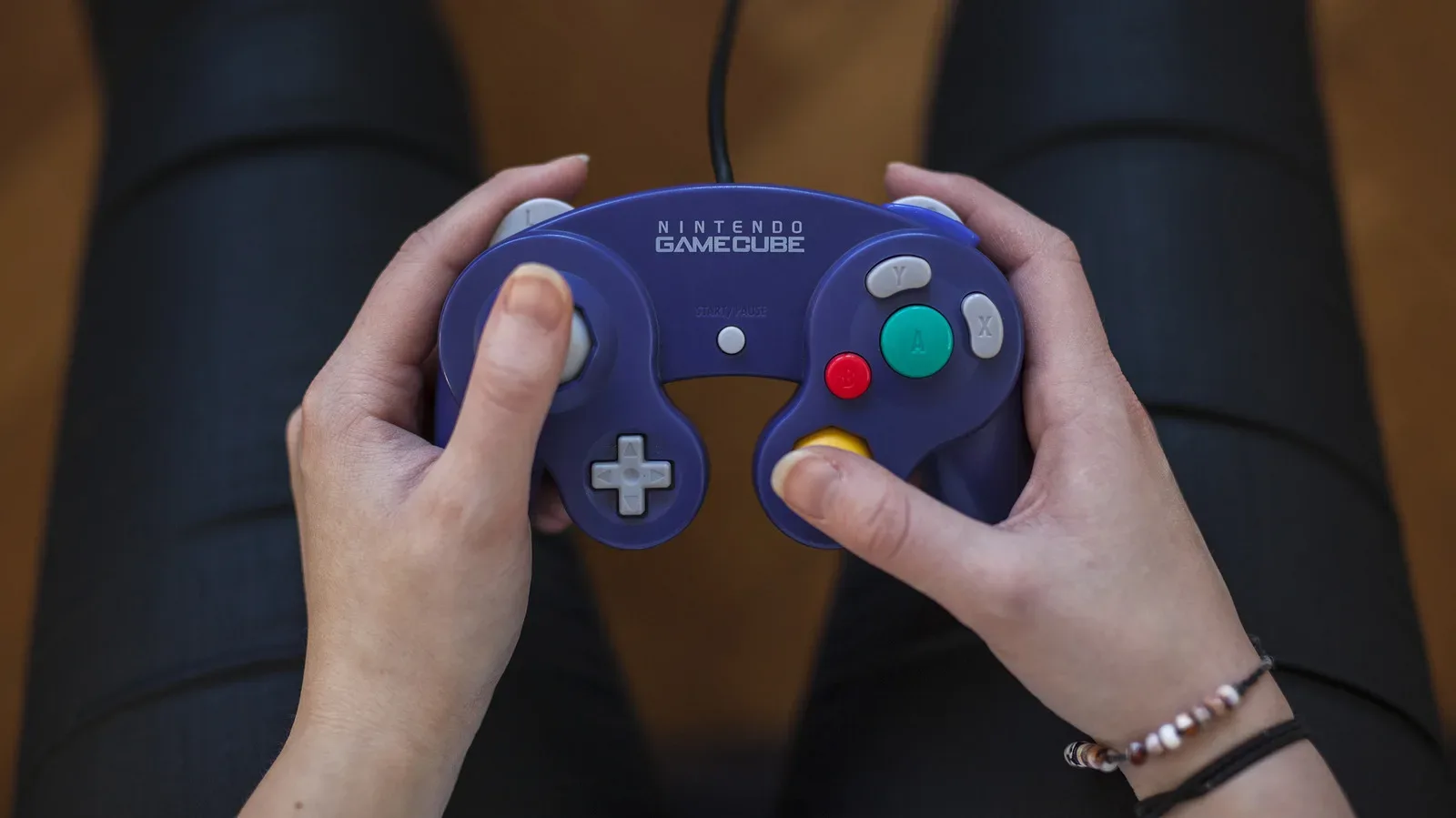
The PlayStation 2 and Nintendo GameCube have crossed fully into retro territory, a designation that may cause a small amount of psychic damage to anyone who remembers arguing about memory cards, component cables, and whether tiny discs were the future. Roughly a quarter-century after their arrivals, both machines have robust emulation options on modern PCs. The short version is reassuring: either platform can be a very good fit for a retro setup.
There is, however, a meaningful difference between the two. GameCube emulation generally has the easier path, largely because the original console is less architecturally complicated to reproduce. Dolphin is widely regarded as the leading choice for GameCube software, while PCSX2 is the major name for PlayStation 2 emulation. Both are free, open-source projects with years of development behind them, but Dolphin tends to demand a little less from the computer and can be more straightforward when pursuing higher resolutions and smoother presentation.
That does not make this a blowout. Compatibility figures cited in 2023 put Dolphin at 97 percent of the GameCube library and PCSX2 at 99 percent of PS2 games. Those numbers are useful indicators of maturity, not a promise that every game will behave identically in every configuration. Individual titles, emulator builds, drivers, operating systems, settings, controllers, and enhancement patches can all affect results. Still, the broad picture is clear: both ecosystems are impressively developed, with the GameCube holding a modest advantage in ease and efficiency.
Two mature emulators, different levels of complexity
Dolphin supports GameCube games on Windows, macOS, and Linux, as well as Android. PCSX2 supports PlayStation 2 titles on Windows, macOS, and Linux. Their goals are similar: translate the behavior of ageing specialist hardware into something a contemporary device can understand, while potentially offering conveniences the original consoles never had.
Those conveniences can include increased internal resolution, more controller options, image filtering, and—where appropriate—widescreen support. Such features are part of the appeal, but they also explain why a PC needs far more horsepower than the old console sitting in a TV stand did. Emulation is not simply asking a computer to run a 2001-era game at 2001-era specifications. The host hardware must recreate the original system’s unusual chips and timing, then may also be asked to render the image at a dramatically higher resolution.
For a rough illustration of the gap, an Nvidia GeForce RTX 2060 or AMD Radeon RX 5600 XT has been identified as sufficient for many GameCube games at 4K and 60 frames per second through Dolphin. PS2 emulation can benefit from more breathing room, with an RTX 3060 representing a more comfortable example. These are not universal minimums, recommended purchases, or guarantees for every game. CPU performance, emulator options, and the particular title matter a great deal. The relevant point is that neither route inherently calls for a flagship card such as an RTX 5090, but PCSX2 is often the more demanding assignment.
Why the GameCube is usually simpler to emulate
The hardware designs tell much of the story. Nintendo built the GameCube around IBM’s Gekko processor, a PowerPC-derived CPU, alongside ATI’s Flipper graphics chip. It was a focused and comparatively direct piece of console engineering. That does not mean emulating it is effortless—accurate emulation almost never is—but its component design has proven relatively approachable for software developers working with modern graphics APIs such as Direct3D and Vulkan.
Sony’s PlayStation 2 took a more unconventional route. Its Emotion Engine CPU, created with Toshiba, was designed around parallel processing. That gave developers substantial flexibility, and the system’s enormous library is evidence that studios learned remarkable tricks with it. It also earned the PS2 a reputation as a difficult machine to program for. The same qualities that made the hardware distinctive create a harder problem for emulator developers, who must reproduce interactions that were never as simple as “send instruction, get expected result.”
Related coverage includes PS2 vs. GameCube Emulation: Which Retro Console Is Easier to Run Today?.
This is the core reason Dolphin frequently feels like the more forgiving choice. It is not because the GameCube library matters less, or because PCSX2 has not progressed far. Rather, the emulator is modelling a console whose overall makeup is more manageable. The PS2’s extra complexity has a practical cost: some games need more careful configuration or stronger hardware, particularly once a player starts asking for modern enhancements.
Time and open development made a major difference
Dolphin’s long history is another major advantage. Development began in 2003, only a short time after the GameCube launched in late 2001. PCSX2 is scarcely a newcomer itself, having arrived in 2002, but Dolphin’s development arc has been especially important to GameCube preservation. When Dolphin became open source in 2008, contributors around the world could participate in improving compatibility, accuracy, performance, and features.
That community work helped turn Dolphin into more than a basic way to boot old software. Higher internal resolutions, anisotropic filtering, broader controller support, and patches enabling 16:9 output in games originally framed for 4:3 displays all became part of its appeal. The emulator also supports Wii software, which makes sense given how closely Nintendo’s two systems are related internally. For people building a compact retro-PC library, that overlap can be particularly useful.
Dolphin did not ultimately arrive on Steam, despite an effort to do so. But its continued availability outside Valve’s store has not stopped it from becoming the standard reference point for GameCube emulation. Its maturity is why a GameCube game can often look surprisingly crisp on a modern monitor without requiring the user to become a part-time systems engineer.
PCSX2 remains a strong option for an enormous library
Calling Dolphin the easier of the two should not be mistaken for a reason to dismiss PCSX2. The PlayStation 2 has one of gaming’s largest and most varied catalogs, spanning blockbuster action games, niche Japanese releases, sports series, experimental oddities, and RPGs that remain central to the system’s reputation. PCSX2’s reported 99 percent playable-library figure underscores just how far this project has come.
The practical approach is to treat PS2 emulation on a game-by-game basis. A title may work wonderfully with a simple configuration, while another may need more attention due to its original rendering techniques or the PS2 hardware behavior it relies upon. That is ordinary for emulation, not evidence that the platform is a lost cause. Users with capable modern PCs can get excellent results across vast parts of the catalog.
It is also worth remembering why the effort matters. The PS2 is home to games that still deserve to be revisited for their ideas, not merely their nostalgia. For a close look at one standout example, Suikoden III’s Trinity Sight system shows how the console’s era embraced unusual storytelling structures alongside its technical ambition.
Compatibility percentages are not the whole story
A single percentage can conceal a lot. “Playable” may not mean flawless visual accuracy, perfect audio, or the exact presentation a player remembers from original hardware. Conversely, a game with a known issue may still be entirely enjoyable from beginning to end. A well-informed retro setup therefore means checking per-game documentation, keeping an eye on settings notes, and resisting the urge to apply every enhancement at once.
- Start conservatively: Use default or recommended settings before increasing resolution or activating patches.
- Remember the CPU: Graphics cards matter, but processor performance can be equally important in emulation.
- Expect exceptions: A demanding PS2 game may require more adjustment than another, even on the same PC.
- Keep original hardware expectations in mind: Widescreen patches and upscaling can be attractive, but they are enhancements rather than the original output.
In other words, Dolphin’s edge is about the average experience. It is the platform more likely to offer a low-friction route to a sharp, stable GameCube presentation on modest modern hardware. PCSX2 is the platform with the larger technical hill to climb, but it has already climbed most of it.
Emulation software and game files are separate legal questions
The legality discussion needs careful wording because laws vary by country and facts matter. Emulator programs themselves are generally not illegal merely because they emulate a console. The much more sensitive question concerns the game data and system files used with them.
Using files obtained by personally dumping games a person owns may be treated differently from downloading copies from unauthorized websites, but the legal details can depend on local copyright law and how the files were acquired. Downloading game ROMs or disc images from unofficial sources is widely associated with copyright infringement, including in cases where somebody owns an original disc. It is not a safe assumption that ownership of a physical copy automatically permits obtaining a separate copy online.
For anyone looking into this area, the responsible route is to understand the rules where they live, use legitimate methods for material they are entitled to use, and avoid treating general internet advice as legal counsel. Preservation is an important conversation; unauthorized distribution is a different one.
The verdict: GameCube gets the usability crown
If the question is simply which sixth-generation platform is easier to emulate today, the GameCube wins by a narrow but real margin. Dolphin benefits from less complex original hardware, a lower typical GPU burden, long-term open-source development, and useful support for both GameCube and Wii software. It is an exceptionally polished answer to a complicated technical challenge.
PCSX2 is no slouch, and its compatibility breadth makes PS2 emulation an excellent prospect for a huge number of games. The PlayStation 2’s Emotion Engine simply gives developers a thornier system to reproduce, so users should expect a few more variables and, in some scenarios, a stronger PC. Choose based on the games you want to revisit, but for the smoothest starting point, the little purple cube still has a surprisingly powerful advantage.