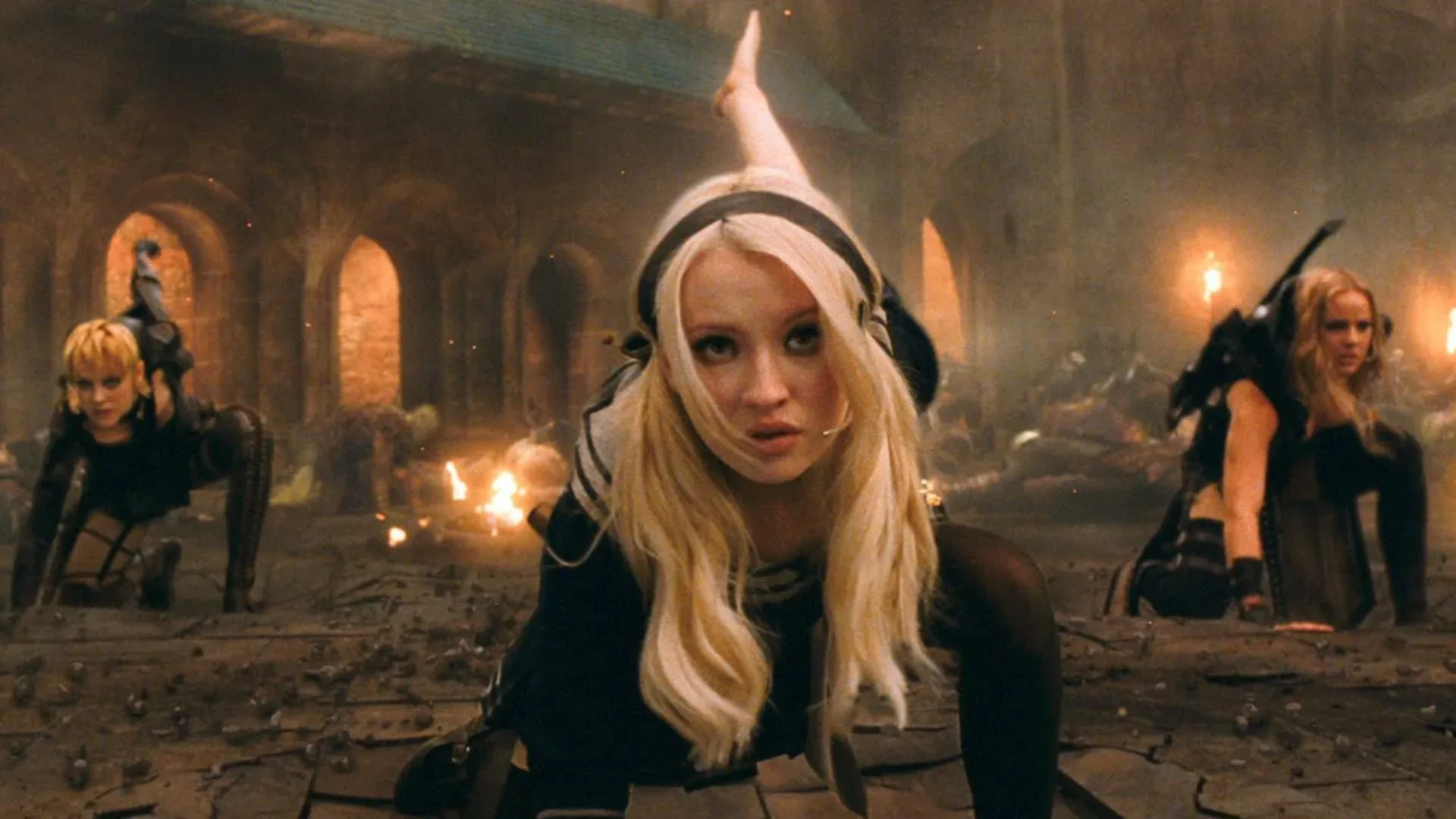
Zack Snyder says he still wants to create a director’s cut of Sucker Punch, the 2011 film he wrote and directed, but the project appears to be caught in a less cinematic battle: the rights and licensing arrangements surrounding versions already in circulation.
Speaking on the Happy Sad Confused podcast, Snyder said there has been substantial conversation around revisiting the film and that he would welcome the chance. His explanation, however, was notably cautious. The obstacle, as it has been described to him, is not simply a matter of editing footage or deciding what should be restored. It may concern the commercial value of versions that other parties have acquired for streaming or other exhibition.
“Yeah, I would love that,” Snyder said of a possible Sucker Punch director’s cut, adding that he has raised the idea with Warner Bros.
What Snyder says is holding the release up
Snyder’s account centers on licenses: agreements that allow a company or service to show, distribute, or otherwise exploit a particular version of a film. He suggested that an existing license can complicate the arrival of a newly expanded version, because a purchaser may feel that the original or currently available cut becomes less valuable once a director-approved alternative is released.
In plain terms, a director’s cut is not always just an artistic revision. It can become a separate commercial proposition. A distributor, streaming service, or other license holder may have paid for rights connected to one edition of a movie. If a high-profile new edition arrives while that older deal remains active, viewers may understandably gravitate toward the newer version instead. That does not prove such a situation is blocking Sucker Punch, but it describes the issue Snyder says he has been told about.
He also did not present the explanation as settled fact. Snyder openly questioned whether the account he received was fully accurate, saying it “might be bullshit.” That uncertainty matters. There is no confirmed release plan, no announced timetable, and no stated list of material that could be included in a hypothetical new cut. For now, the clearest takeaway is that Snyder wants the project to happen, while the rights situation may be more complicated than a studio simply saying yes or no.
Why Sucker Punch remains a distinctive Snyder project
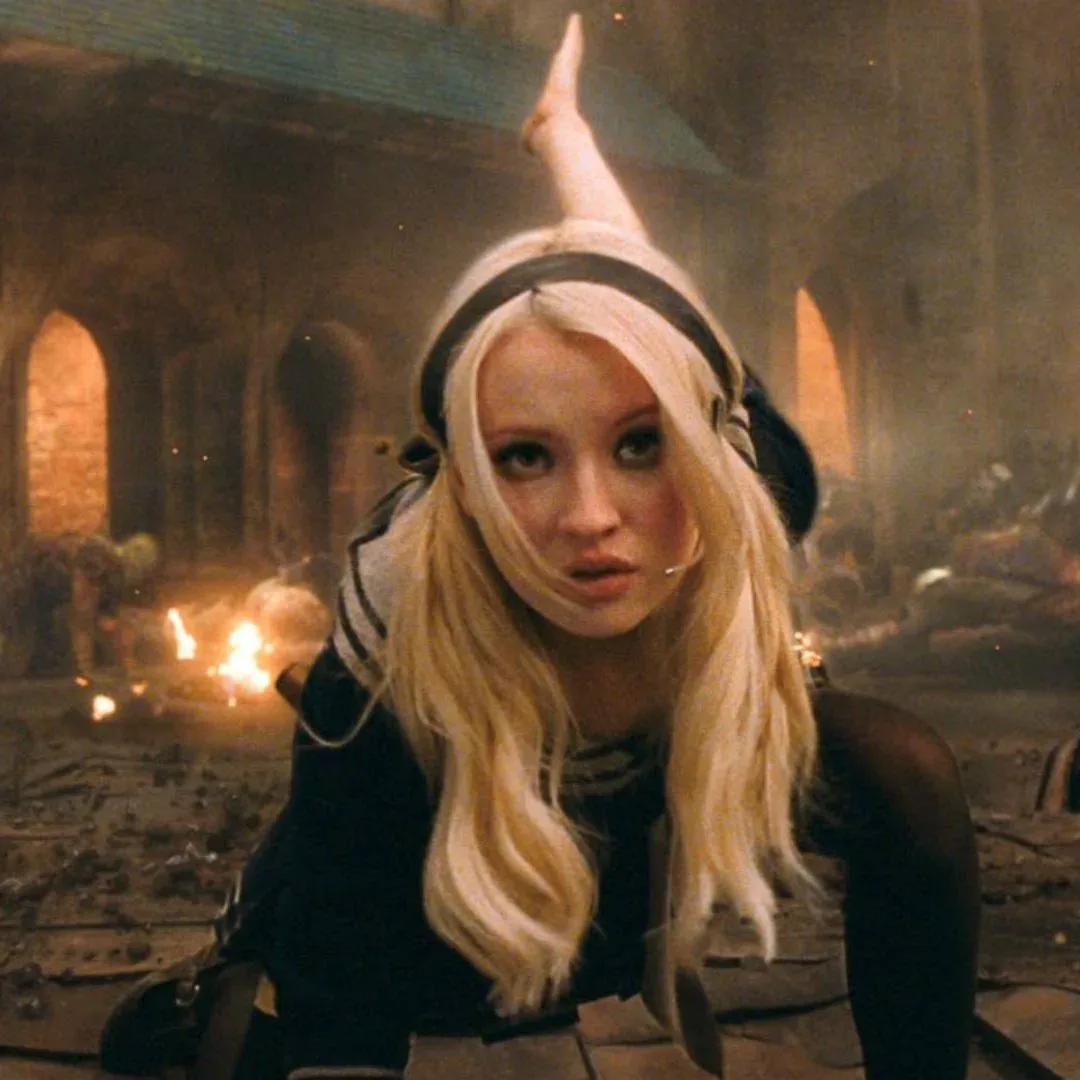
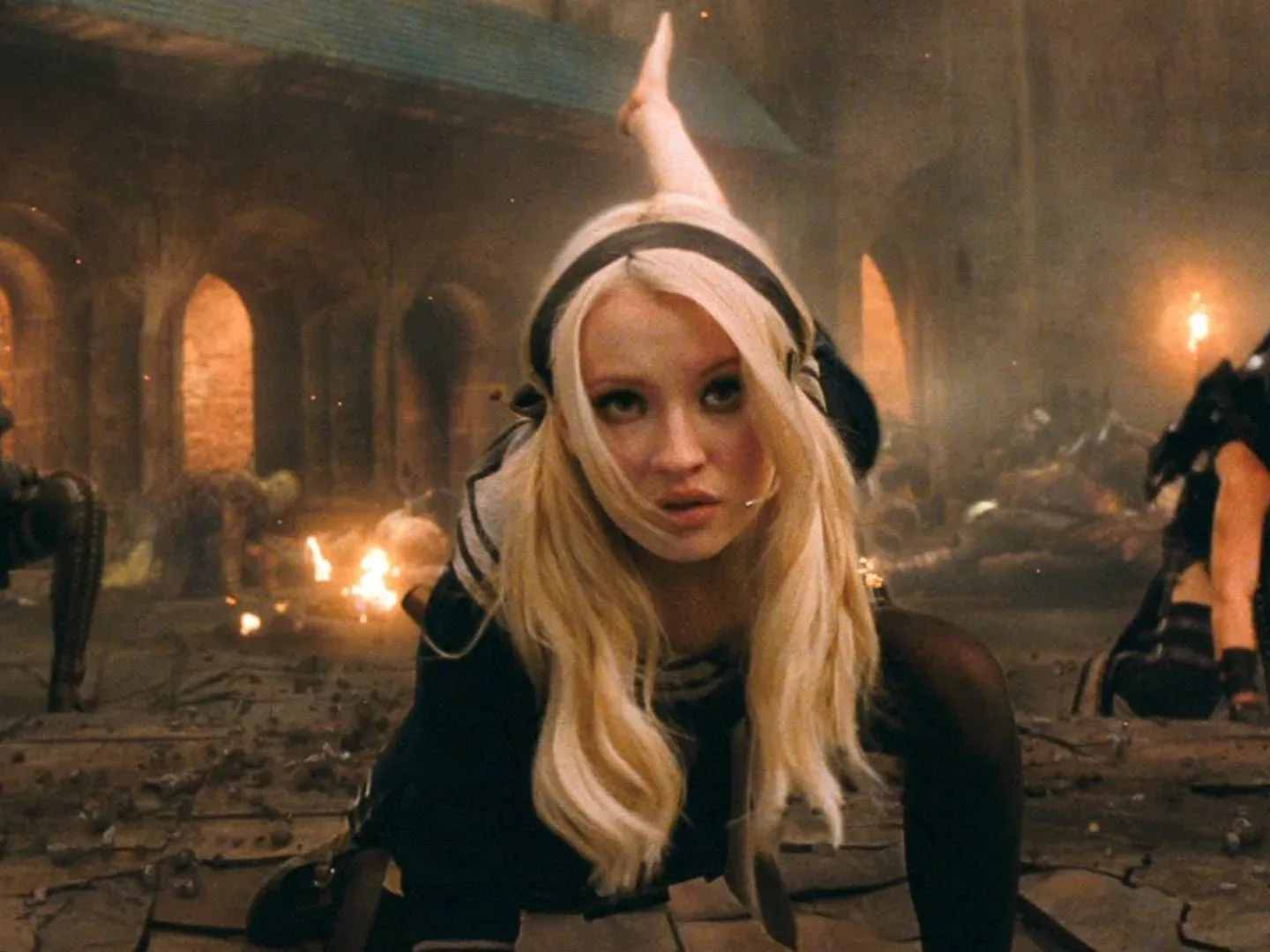
Sucker Punch occupies a particular place in Snyder’s filmography. It was his first film as both writer and director, and it stars Emily Browning, Abbie Cornish, Oscar Isaac, and Jon Hamm. The movie is especially associated with visual elements that have become familiar in Snyder’s work: stylized action, samurai imagery, and slow-motion gunplay.
That authorship is part of why interest in a director’s cut has persisted. When a filmmaker has both written and directed a movie, audiences may be especially curious about the gap between the theatrical release and the version the filmmaker ultimately wanted to present. But it is important not to assume the size or nature of that gap here. Snyder’s remarks establish his interest in another version; they do not specify deleted scenes, a revised ending, a new runtime, altered effects, or any other concrete changes.
The distinction is useful because “director’s cut” is often used loosely. Sometimes it means a significantly expanded edition, while in other cases it can refer to a reassembled film, a restoration, or a release that finally reflects a preferred edit. Until Snyder or Warner Bros. identifies the contents of a potential Sucker Punch release, fans cannot reliably treat any rumored additions as confirmed.
Licensing is different from ownership
The terminology can make stories like this sound more straightforward than they are. Ownership generally refers to who controls the underlying movie and its rights. Licensing, meanwhile, commonly refers to permission granted to another party to use or show it under agreed conditions. A license can be limited by territory, platform, duration, or version, among other terms.
Snyder’s comments point to the version question. If someone has obtained rights to exhibit a particular edition of Sucker Punch, a new edition could change how that deal is perceived in the marketplace. The concern described by Snyder is value: an audience may see the director’s cut as the more desirable product, leaving the earlier version with less appeal.
That is an explanation of the possible business logic, not confirmation of the precise contracts involved with Sucker Punch. The specific terms of any deals were not disclosed. Nor did Snyder say that a director’s cut is impossible. Instead, he described a situation where the relevant licenses may need to run their course before the project can move ahead.
For viewers, that means patience is more sensible than expectation management based on speculation. The existence of an audience conversation and a filmmaker’s enthusiasm do not themselves create a release schedule. Rights arrangements can be invisible to audiences, yet still determine whether an alternate cut can be distributed, where it can appear, and when it can be marketed.
Snyder’s long association with alternate versions
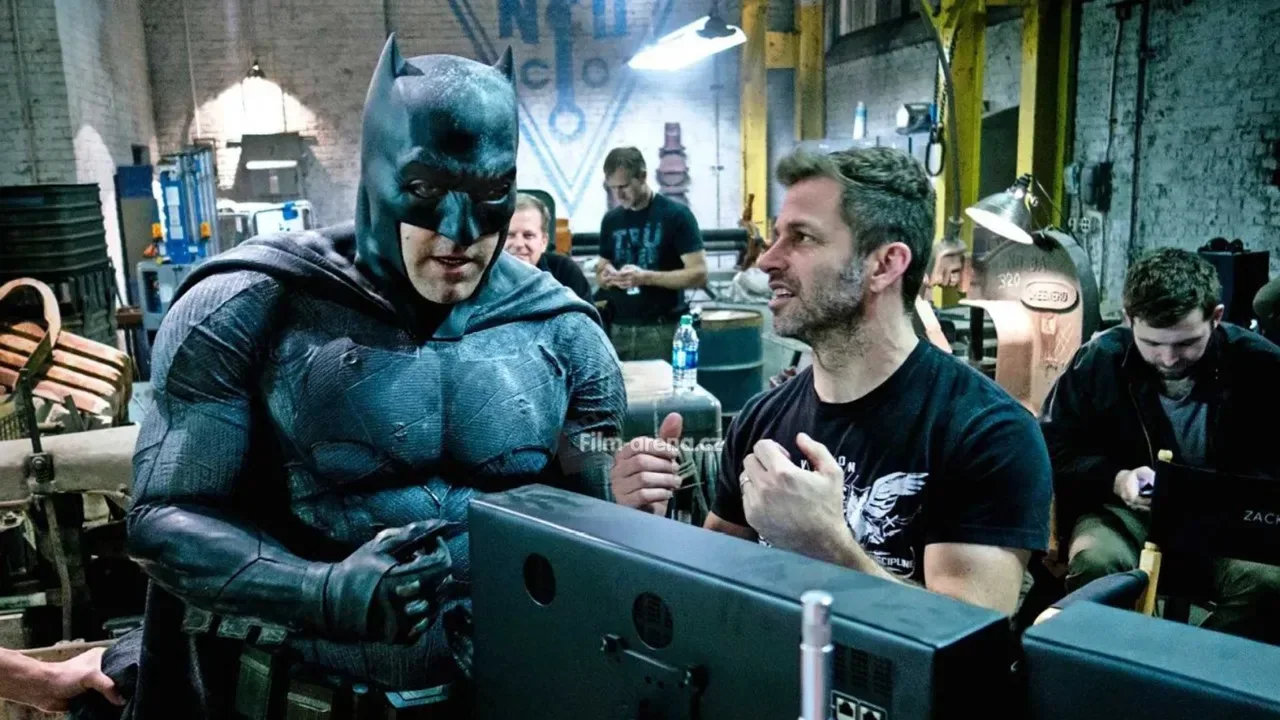
The possibility draws attention because Snyder has a well-established history with revised editions of his work. Six of his films have been re-released with added material. Those releases have produced widely different reactions, demonstrating that an extended or alternate edition is not automatically a correction, nor automatically a replacement for a theatrical version. It is another presentation of a film, often carrying a different balance of pacing, context, and emphasis.
That history also makes the word “director’s cut” particularly charged around Snyder. His alternate editions are frequently discussed as major creative events rather than as routine home-release extras. A new Sucker Punch edition would likely receive similar scrutiny, especially given the film’s status as a project he personally penned as well as directed.
Still, it would be premature to frame this as a pending restoration campaign or to promise a release once licenses expire. Snyder expressed hope, but he did not provide a date, identify a distribution platform, or say that an agreement has been reached. The present status is better described as an unresolved possibility.
What fans can take from the update
- Snyder is interested: he said he would love to do a director’s cut of Sucker Punch.
- There is no announced edition: no release date, platform, format, runtime, or contents have been confirmed.
- The apparent issue is business-related: Snyder says existing licenses may need to finish because a new cut could affect the perceived value of prior versions.
- The explanation remains uncertain: Snyder himself caveated what he had been told.
The update is a reminder that alternate editions sit at the intersection of art and distribution. A filmmaker can have an appetite to revisit a project, and viewers can have a clear desire to see it, while agreements concerning existing releases still slow down the process. In this case, the creative interest is plainly there; the unresolved part is whether and when the surrounding rights situation will allow it to become a finished release.
Snyder’s work continues to invite discussion across blockbuster pop culture, including adjacent DC timeline conversations such as the reported placement of The People v. Gorilla Grodd before Man of Tomorrow. But Sucker Punch is its own unresolved case: a filmmaker who says he wants to revisit a personal project, a potential licensing barrier, and no indication yet of when the pieces may align.