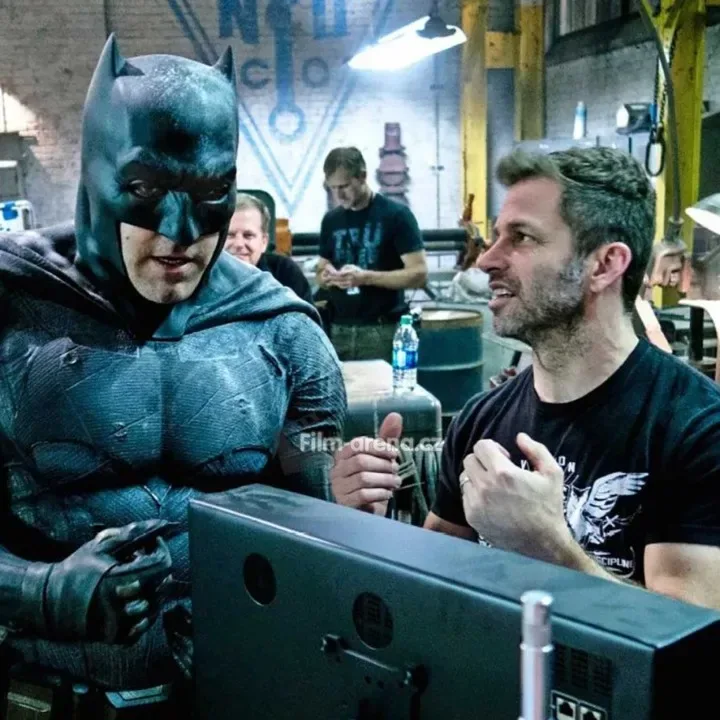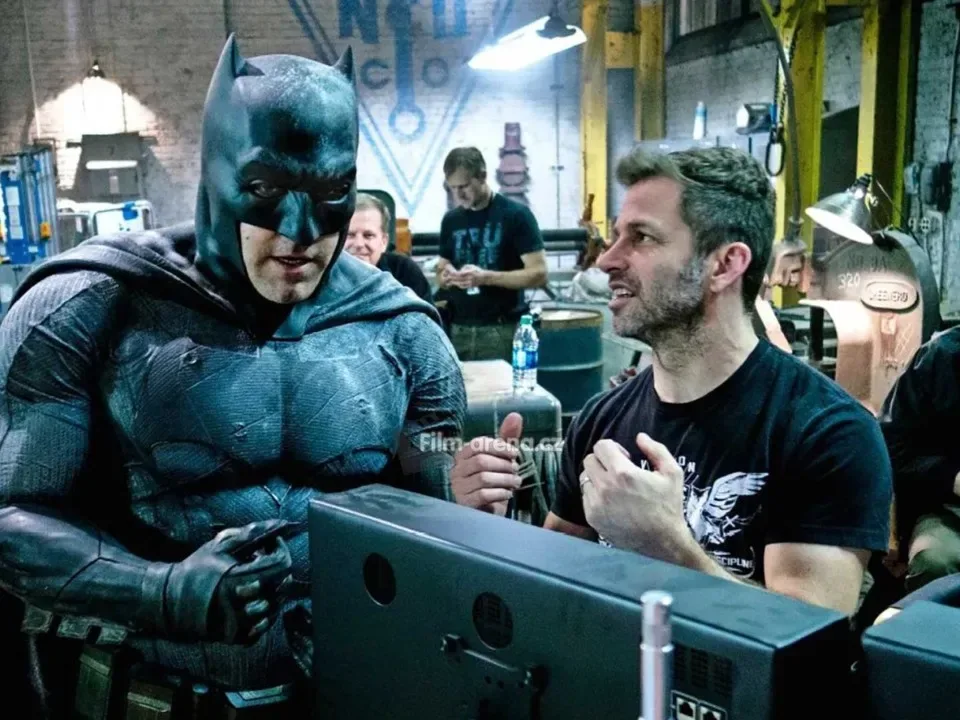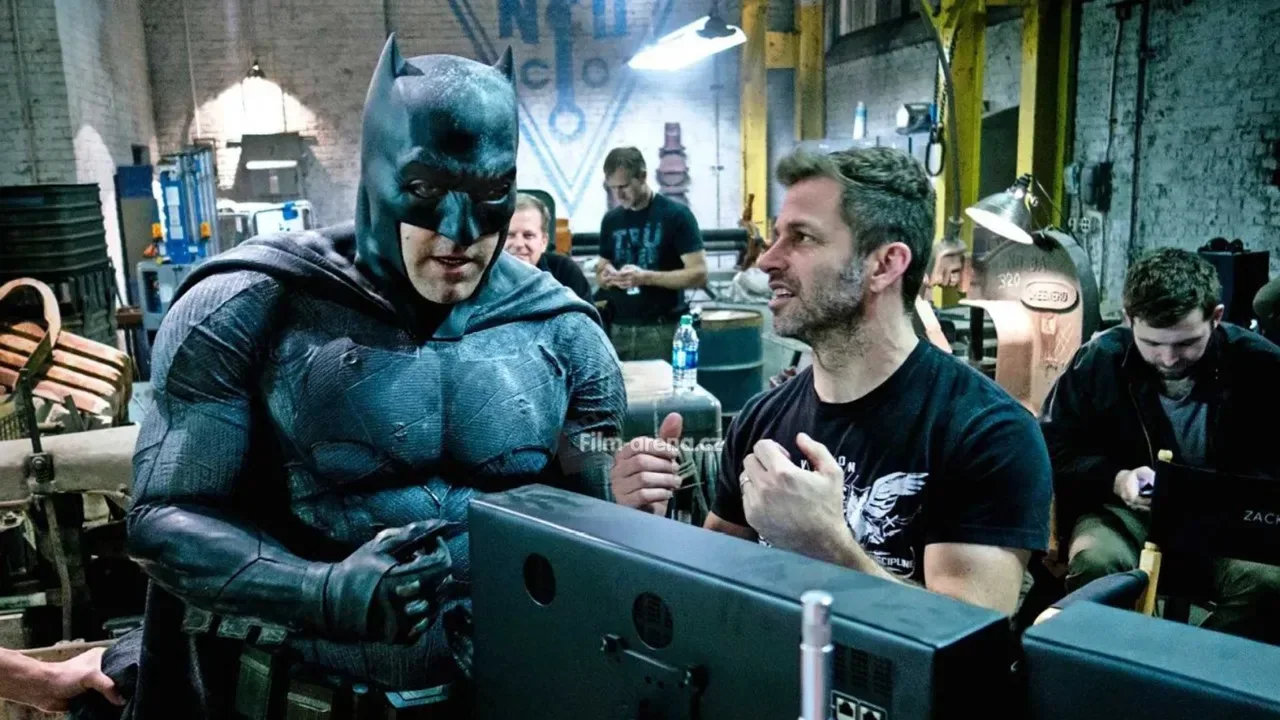
Zack Snyder has revisited the painful collapse of his DC film plans, saying a former Warner Bros. executive later told him that the studio had been wrong to fight him over his approach. The claim is Snyder’s own account of a private meeting, and the executive was not identified, so it cannot settle every disputed part of a long-running creative and corporate conflict. It does, however, put the most personal version of Snyder’s perspective on the record: he believes studio leaders tried to regain control of a huge franchise at the very moment he was dealing with an unimaginable family loss.
For audiences, the Snyder-era DC story is often reduced to a familiar argument over tone: dark and mythic superhero cinema versus a lighter, more traditional crowd-pleasing model. Snyder’s remarks suggest a larger problem behind that argument. A shared fictional universe needs a coherent plan, but it also depends on a workable relationship between the filmmaker shaping that plan and the people financing, releasing and protecting it. By Snyder’s telling, that relationship broke down.
A private apology, and an important limit on what it proves
Snyder said he met with a former Warner Bros. executive who had since left the company. The executive, Snyder recalled, told him, “You were right about everything,” and acknowledged that the studio had been fighting his vision. Snyder did not name the person, offer a date for the conversation or specify which individual decisions the comment addressed.
That matters. An anonymous, secondhand recounting is not independent confirmation of studio-wide regret, and it should not be treated as a formal reassessment from Warner Bros. Nor does “right about everything” identify a single measurable point of agreement. It is best understood as an account of an alleged private apology, reported by the director himself.
Still, Snyder’s description gives the apology a clear emotional and professional context. He said he could understand why executives felt pressure to safeguard valuable intellectual property. Intellectual property, often shortened to IP, means the characters, stories and brand rights that a company can develop across movies and other media. DC’s heroes are among the most recognizable examples of that kind of property, so a studio’s instinct to manage risk is hardly surprising.
The more troubling part of Snyder’s account is his belief that an existing tragedy created an opening for decision-makers to take the film away from him. He framed it as an effort by a prior leadership regime to control the work after deciding that they had placed the franchise in the hands of someone they considered reckless. That is Snyder’s interpretation of the events, rather than a verified description of executives’ motives, but it explains why the conflict remains so personal to him.
Why the creative disagreement was never merely cosmetic
Snyder’s DC films pursued a deliberately severe reading of familiar heroes. Man of Steel concludes with Superman killing General Zod by breaking his neck. In Batman v Superman, Batman kills and brands people. Snyder’s larger plan reportedly included a future in which Superman became a violent ruler of Earth.
Those choices were not small details around an otherwise conventional superhero formula. They challenged assumptions many viewers bring to Superman and Batman: that Superman should represent restraint and hope, and that Batman’s code separates him from the criminals he fights. Snyder’s defenders often saw his work as a mythic, operatic attempt to test those ideals under extreme pressure. His critics objected that the characters had been pushed too far away from their essential identities.
That split made later studio intervention particularly difficult. If the issue had simply been a scene, a joke or a running time, a compromise might have been easier to contain. But tone is structural. It affects performances, character arcs, visual language, pacing and the promise made to viewers about what future installments will become. Altering a film’s tone late in its process can mean altering the logic that held its pieces together.
Snyder said that as negative audience response developed, Warner Bros. began pushing back on his direction and compromising it. The source material does not provide a complete timeline of internal decisions or say exactly when each objection was made. What is clear is that the clash came to a head on Justice League.
Justice League and the meaning of a theatrical cut
Snyder said he has never watched the 2017 theatrical version of Justice League. Deborah Snyder, a producer on his DC films, watched it before release and urged him not to see it. His reason is devastatingly straightforward: the released movie bore his name, but he says it was not a movie he made.
The phrase theatrical cut simply means the version of a film released in cinemas. It does not necessarily mean that it is a director’s preferred version. In this case, Snyder had shot the film but stepped away during post-production after his daughter died by suicide. Post-production is the stage after principal filming in which footage is edited, visual effects and sound are completed, music is added, and the final shape of the movie is made.
Joss Whedon was brought in as the project changed direction. The theatrical version was made lighter in tone, brought to under two hours, and removed material including Darkseid, the villain Snyder had appeared to be building toward. The finished release combined elements associated with Snyder’s material and Whedon’s revisions, a mismatch Snyder characterized as a “Frankenstein-ed” version.
That label is rhetorically loaded, but it points to a real issue of authorship. Movies are collaborative by nature: actors, editors, producers, effects artists and executives all influence the final result. Yet a director-led franchise plan can be especially vulnerable when leadership changes course late. Audiences may still see familiar characters and major story beats, but the connective tissue—why characters make decisions, how scenes build mood, and what a sequel is setting up—can become unclear.
The 2017 film was critically panned and performed poorly at the box office. The DC film slate continued for years afterward, but the unified momentum anticipated by viewers was no longer intact, while talent including Ben Affleck moved away from the earlier direction. That outcome helps explain why Justice League became more than a disputed blockbuster. It became a symbol of an unfinished shared-universe plan.
The Snyder Cut was an unusual act of completion
After sustained fan campaigning, Snyder eventually completed and released his own version of Justice League. Running four hours, it restored a far larger canvas than the under-two-hour theatrical cut and represented the realization of material that had not been part of the cinema release.
It is important not to flatten the response to that version into a universal verdict. Snyder’s cut is not for everyone, and a longer runtime does not automatically make a movie better. But its arrival gave viewers a meaningful basis for comparison: not merely deleted scenes, but an alternative overall construction of the same broad project. Its existence also made the question of authorial intent unusually concrete. People could watch the studio-released version and the Snyder-led version, then judge the differing aims for themselves.
For film fans, that remains the practical significance of the episode. “Director’s cut” is sometimes used casually for an extended edition with extra moments. Here, the distinction was far more consequential. The two versions reflected different priorities over story, rhythm, character setup and tone. The Snyder Cut did not restore Snyder’s larger DC universe, but it did allow a substantial part of his intended Justice League to be completed.
It is also a reminder that a finished film can carry very different meanings for those who made it. Snyder described the theatrical release period as a low point, citing both the death of his daughter and the public response to a version of the film he says he did not make. That context should not be treated as fuel for another round of online factionalism. It is, first, a human tragedy—and one that makes glib arguments about rival cuts especially inappropriate.
A new DC era, viewed from a distance
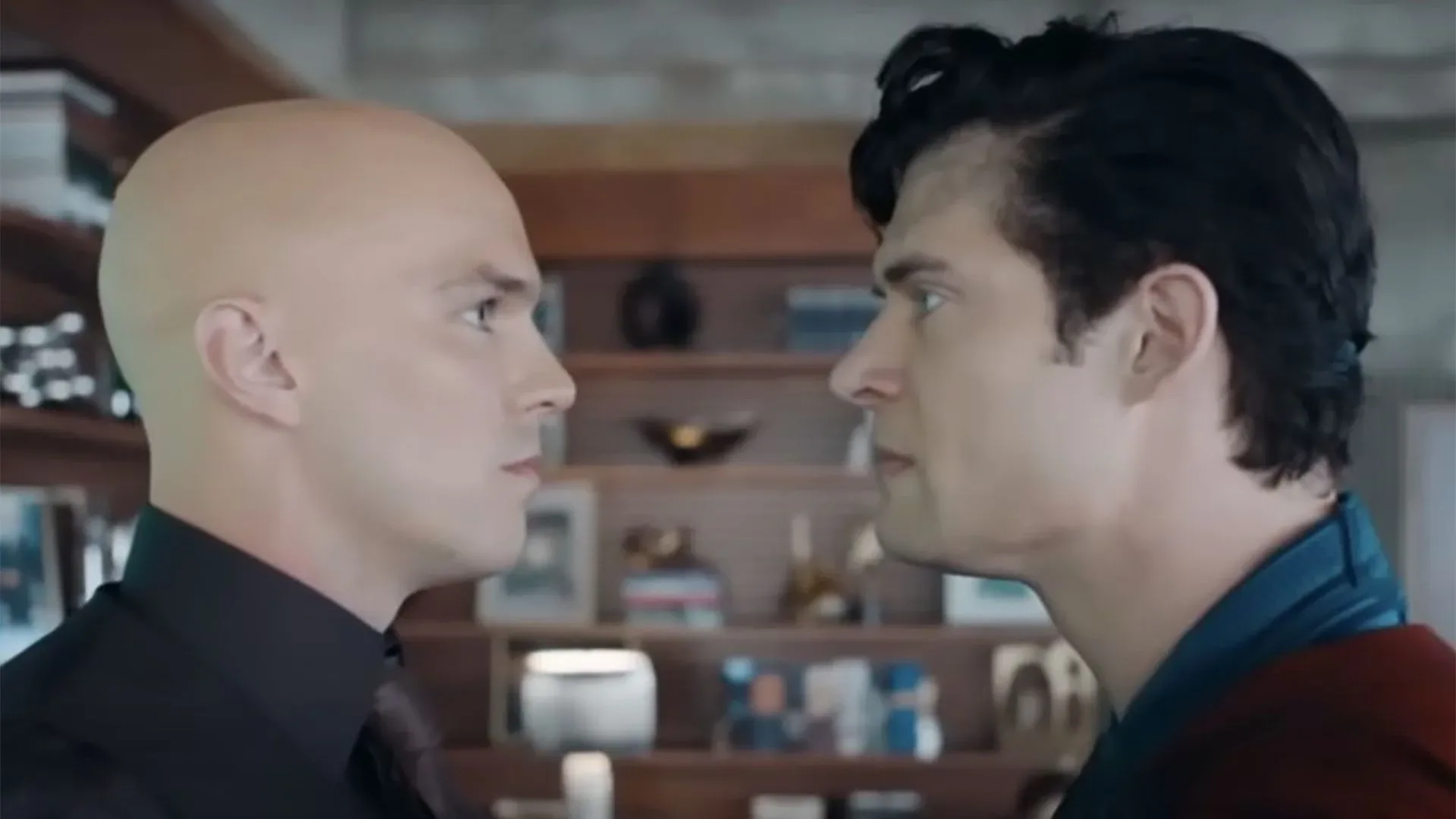
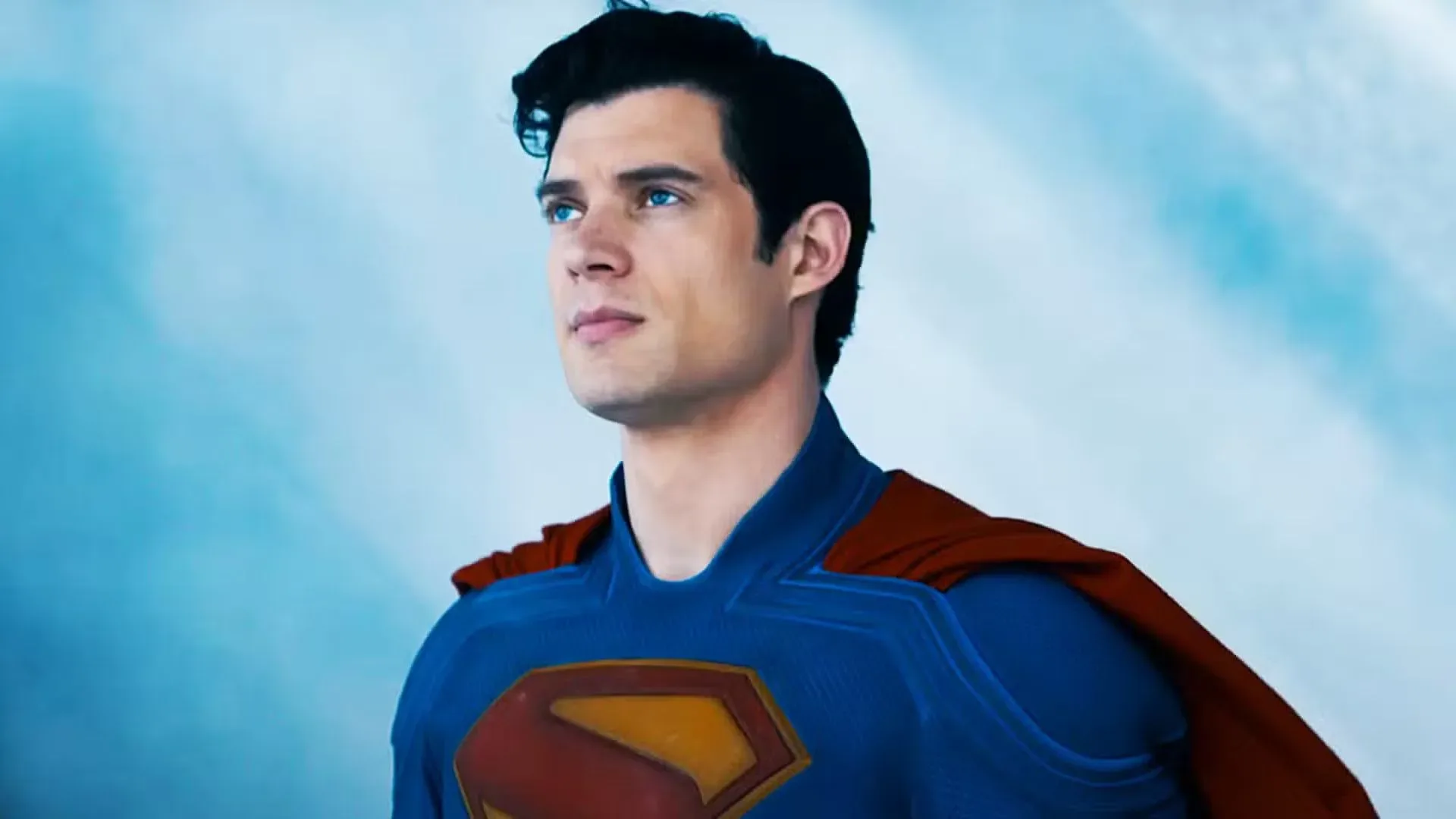
DC has since been rebooted under James Gunn. Snyder said he has not seen Gunn’s Superman or the subsequent Supergirl, explaining that his connection to DC remains “too personal” and “too soon.” He nevertheless said he likes Gunn and appreciates his vision.
That is a notably restrained position from someone whose name is still central to conversations about the franchise. Snyder is not presenting himself as an active participant in the new continuity, and there is no indication here that his comments signal a return. Rather, he is drawing a boundary between a chapter that still hurts and a new leadership team pursuing a separate direction.
The distinction is worth keeping clear. A reboot is not a continuation with different casting or a revised sequel plan; it is a reset intended to establish a new foundation. Gunn’s DC films therefore should not be read as a delayed resolution to Snyder’s abandoned arc. They are a different creative project, under a different framework. Snyder’s choice not to watch them underlines how fully separate those projects are for him.
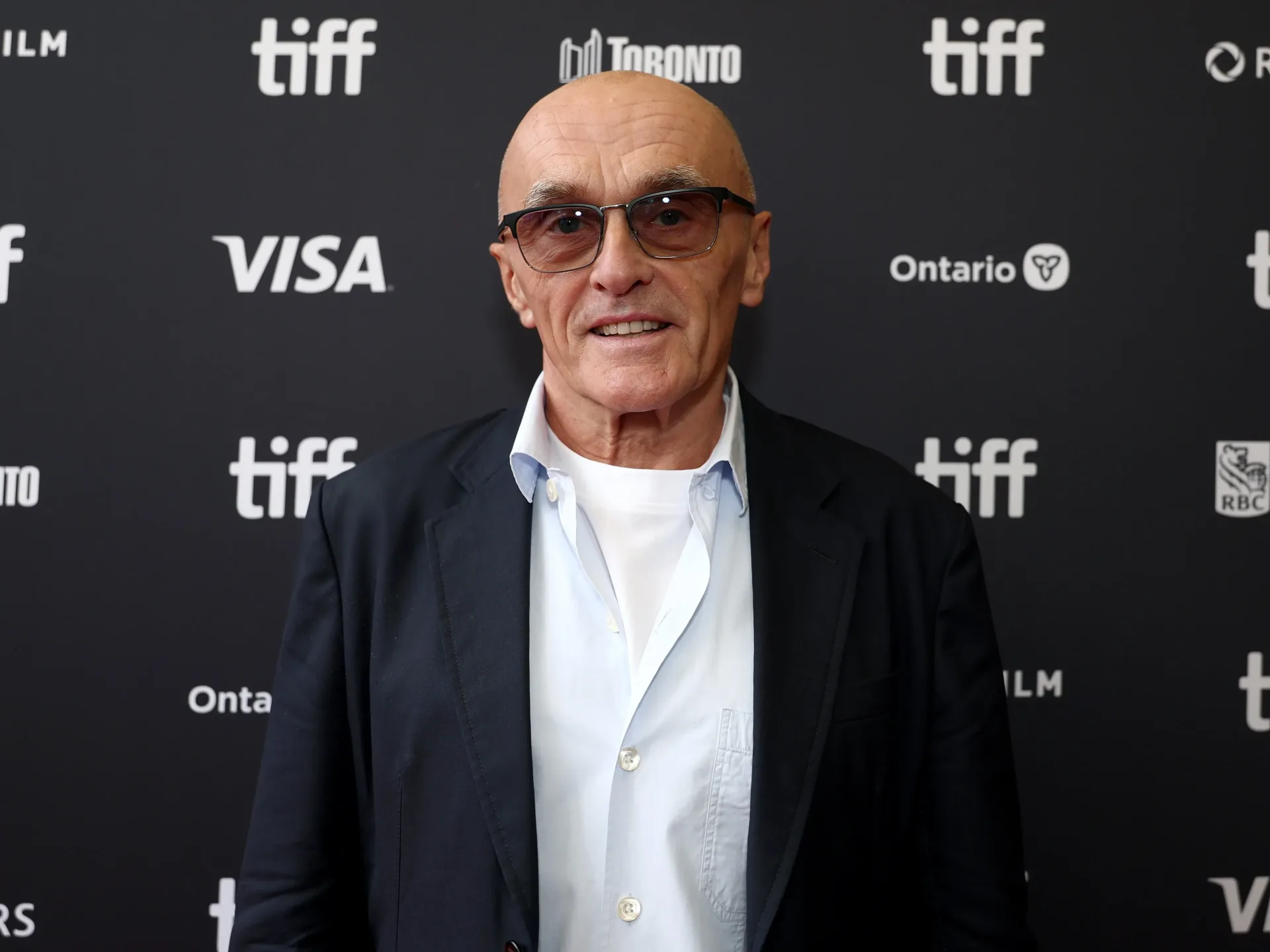
For another recent example of filmmakers discussing how technology fits into the modern production process, see Danny Boyle’s comments on AI as a visual-effects tool. The subjects are different, but both discussions emphasize a recurring truth about filmmaking: the final image can involve many people and many processes, while creative responsibility remains intensely personal.
What Snyder’s remarks change—and what they do not
Snyder’s recollection does not rewrite the public record into a simple story with one faultless side. The response to his DC work was divided. His darker character choices were genuinely controversial, and studios do have legitimate concerns about budgets, audience response and stewardship of major franchises. The source material does not establish that every executive opposed him, that every intervention was unjustified, or that a completed Snyder-led universe would have succeeded commercially.
What the remarks do add is a candid description of how Snyder experienced the rupture: as a battle over vision that became inseparable from bereavement, public backlash and the loss of creative ownership over a film released under his name. The alleged apology from a former executive cannot erase that period, but it evidently mattered to him.
Snyder has moved on from superhero filmmaking and is preparing a wider release for The Last Photograph, his latest passion project. Whatever viewers make of that work or of the Snyder Cut debate, his comments make one point difficult to ignore: the conflict around Justice League was never just an argument over whether DC movies should be darker or funnier. It was about who got to determine the shape of an enormous franchise—and what happens when that authority shifts after the cameras stop rolling.