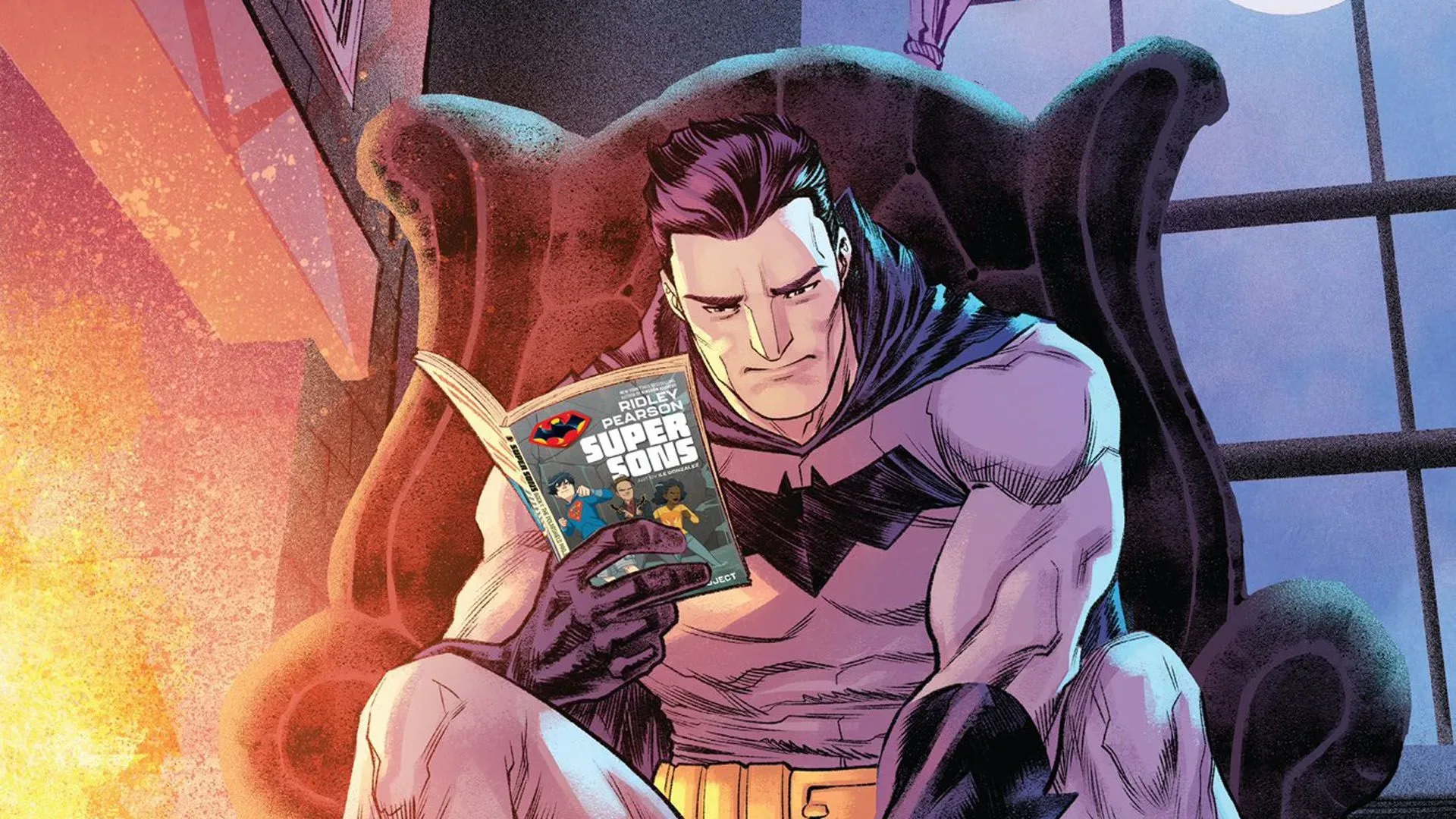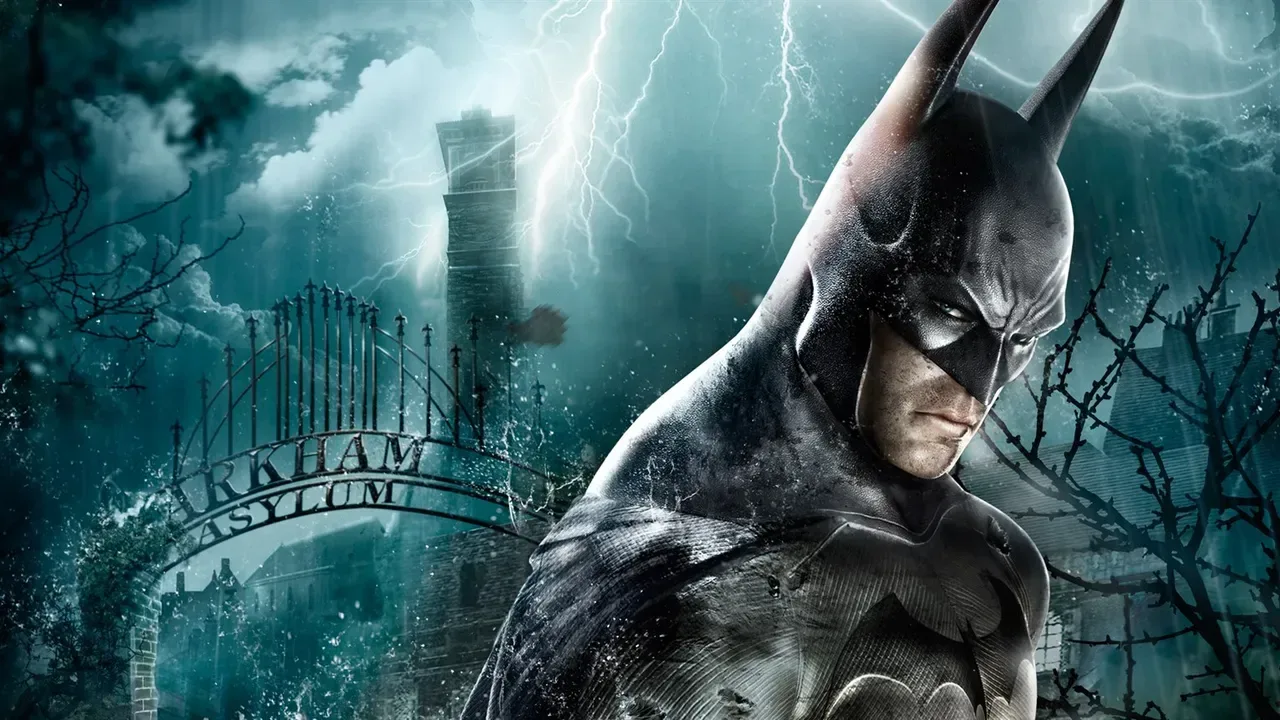
DC Studios’ search for its new Batman appears to be moving from distant prospect to active priority. James Gunn has said casting for the DCU’s version of the character is not far away, while also pushing back on the idea that the part has already been filled.
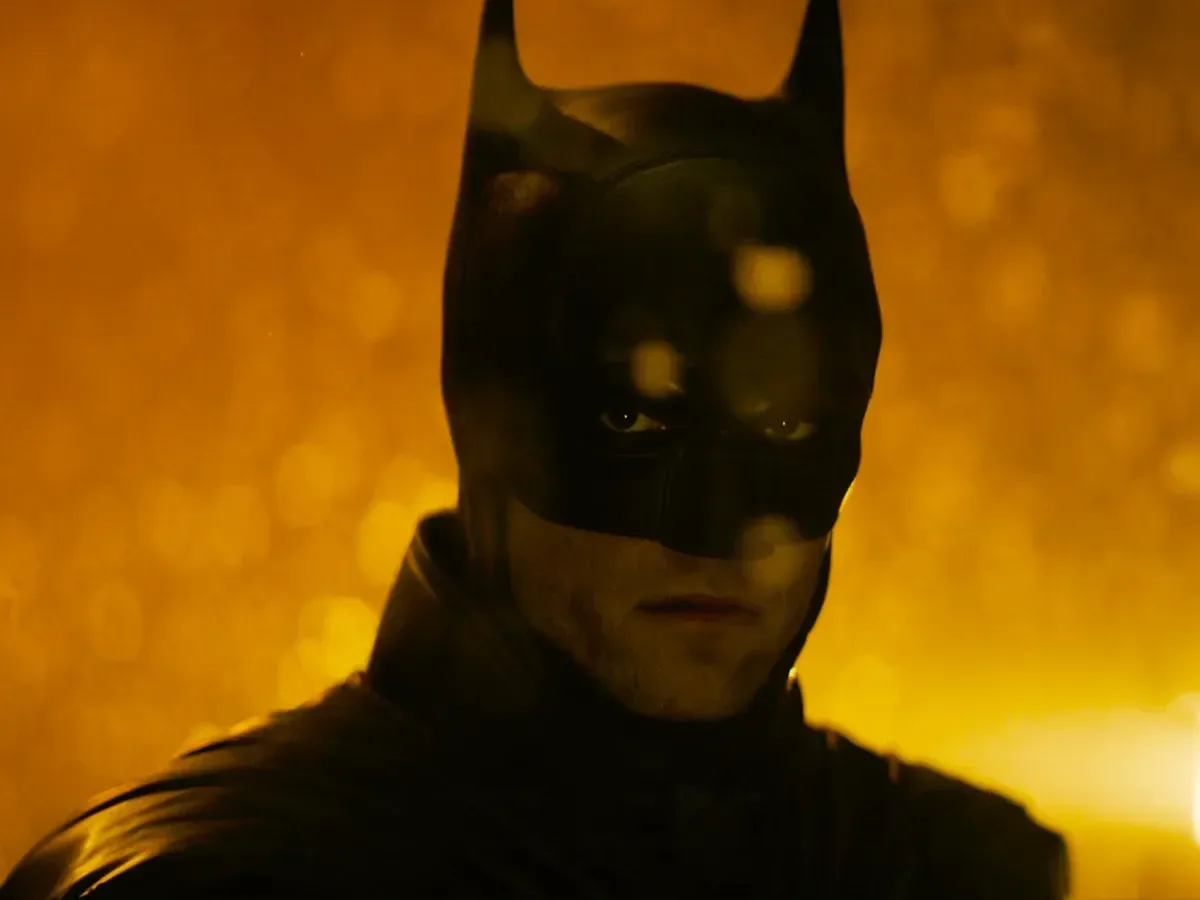
The distinction matters because there are currently two live-action Batmen in the wider DC screen landscape. Robert Pattinson’s Batman is expected to remain in a separate continuity, rather than becoming the Batman who operates alongside the DCU’s Superman. The incoming casting decision, then, is not a replacement for Pattinson’s performance. It is the selection of a different Bruce Wayne for the shared DCU setting overseen by Gunn and Peter Safran.
Gunn’s comments also put a useful boundary around the speculation cycle: there is no confirmed actor yet. Names circulating among fans should be treated as wish lists, rumors, or discussion points—not evidence that a deal has been completed.
A Batman built to stand beside Superman
The clearest creative clue is age. Gunn said the eventual Batman will probably be around the same age as David Corenswet, the actor playing Superman. His reasoning is character-based rather than simply numerical: Batman and Superman are meant to be friends and contemporaries in this interpretation.
That does not establish an exact age, nor does it reveal a casting shortlist. It does, however, suggest the studio is looking for a Batman who can credibly share a long-running on-screen partnership with this Superman. In practical terms, that is a different target from a version of Bruce Wayne designed to be substantially older and more experienced than Clark Kent.
“Contemporaries” is an important term here. It means people of roughly the same generation or standing, not necessarily people born in the same year. For a film franchise, it also carries an obvious storytelling implication: the two heroes can meet on relatively even footing, argue as peers, and develop the kind of alliance associated with DC’s central heroic partnership without one being framed chiefly as the other’s veteran mentor.
The available comments point toward an actor in the low-to-mid-30s range, broadly matching Corenswet’s generation. That would separate the DCU approach from Ben Affleck’s Batman, who was presented as an older interpretation of the character. It says nothing, by itself, about how many years Bruce has operated as Batman, whether other Gotham characters will appear, or when audiences will see him on screen. Those details remain unconfirmed.
The casting philosophy: role first, fame second
Gunn has framed the decision as an acting search rather than a hunt for the biggest possible marquee name. He said he wants to consider everyone and choose the actor best suited to Batman, arguing that Superman casting has more often been approached through fit for the role while Batman casting has frequently tilted toward established movie-star status.
Related coverage includes James Gunn Says DCU Batman Casting Is Approaching, With a Star Near Superman's Age.
That is not a promise that the DCU Batman will be an unknown performer. It is also not a rejection of experienced, recognizable actors. Rather, Gunn’s stated position leaves the field open: fame, prior franchise work, and even a small prior DC appearance need not automatically rule anyone in or out.
One particularly direct example concerns performers from The Suicide Squad. Gunn said that giving somebody a small role in that film would not prevent him from casting that person as Batman if they proved to be the strongest choice. The point is less about any one actor than about the studio’s willingness to evaluate candidates on the new part in front of them.
For viewers, this should temper a common assumption around superhero casting: that a prior appearance in a connected comic-book property permanently defines an actor’s options. Gunn’s remarks indicate that he is not treating every earlier DC credit as a permanent casting barrier. Whether a particular past role creates a practical obstacle would still depend on the performer and the role, but the general rule is flexibility.
What is confirmed—and what is still fan casting
At this stage, the confirmed picture is fairly narrow:
- DC Studios is approaching the point of casting its DCU Batman.
- Gunn says the role has not already been cast.
- The character is expected to be distinct from Robert Pattinson’s separate-universe Batman.
- The new Batman is likely to be broadly close in age to David Corenswet’s Superman.
- Gunn says candidates with earlier DC roles, including small roles in The Suicide Squad, are not automatically excluded.
Everything beyond those points requires caution. There is no disclosed list of finalists, no stated audition timetable, no announced debut project, and no public confirmation of a specific actor’s negotiations for Batman.
Alan Ritchson is one of the names that has drawn attention from fans. But the information available does not place him in the Batman role. Ritchson has said he has been discussing a non-Batman part with the studio, and Safran has said DC Studios is trying to identify a suitable character for him. That may be significant for Ritchson’s potential involvement in the DCU, but it is not confirmation of a Batman casting outcome.
This is the practical line worth keeping in view: a conversation about another role is not a Batman screen test, and enthusiasm from a fan community is not a casting announcement. Gunn’s broader comments leave open the possibility that the final choice could be an actor who has not dominated online prediction lists.
Why the separate Batman continuities matter
Continuity is the term used for the shared internal history of a fictional screen universe: which characters know each other, which events count as part of the same story, and which projects are intended to connect. The expectation that Pattinson’s Batman remains outside the DCU means audiences should not assume that every DC film featuring the same comic-book hero belongs to one single narrative line.
For Batman, that separation gives DC Studios two lanes. Pattinson can continue as the lead of his own Batman-focused world, while the DCU can introduce a Bruce Wayne built for stories that include Superman and other major DC characters. That structure avoids forcing either interpretation to take on every possible narrative function.
It also clarifies why a new Batman is needed even while Pattinson remains associated with the character on screen. The question is not who is “the” Batman in all DC projects. The question is which Batman belongs in a particular continuity and supports the relationships that continuity wants to explore.
Gunn has recently described Batman as one of three major characters in DC’s future, which makes the casting process especially consequential. A role of that stature has to work in more than an isolated introduction. The performer will need to fit the intended dynamic with Corenswet’s Superman while carrying Batman’s own importance within the broader franchise.
What the age guidance does not tell us
It is tempting to turn a general age preference into a full blueprint for the DCU’s Bruce Wayne, but Gunn has not supplied that blueprint. Being near Superman’s age does not tell audiences how long this Batman has been active, how established he is in Gotham, which allies or adversaries exist around him, or what kind of tone will define his stories.
Nor does it dictate personality. Batman can be a peer to Superman while remaining guarded, intense, strategic, humorous, idealistic, or any mixture of those traits. Age alignment is one casting consideration among many. Gunn’s own emphasis on finding the best actor reinforces that the search is likely about chemistry, presence, performance range, and the ability to serve an ongoing DCU role—not merely matching a number.
The comparison with Corenswet is therefore best read as a structural clue. DC Studios appears to want its two flagship heroes positioned to grow alongside one another. It is not a revealed biography for Bruce Wayne.
The larger DCU casting picture
Gunn’s comments arrive as DC Studios continues to shape a connected roster around its leading characters. His openness to considering actors who have worked in DC before may be especially relevant in a landscape where performers can become strongly identified with previous comic-book roles. The stated approach favors a clean question: who is best for this specific Batman?
That principle may also explain why public speculation has not produced a definitive answer. Casting a character as recognizable as Batman creates unusual pressure. The choice must satisfy the immediate demands of a new portrayal, make sense opposite Superman, and offer enough flexibility for the wider plans DC Studios has for the character. A well-known name may meet those needs; a less familiar actor may meet them more convincingly. Gunn has made clear that neither possibility should be dismissed in advance.
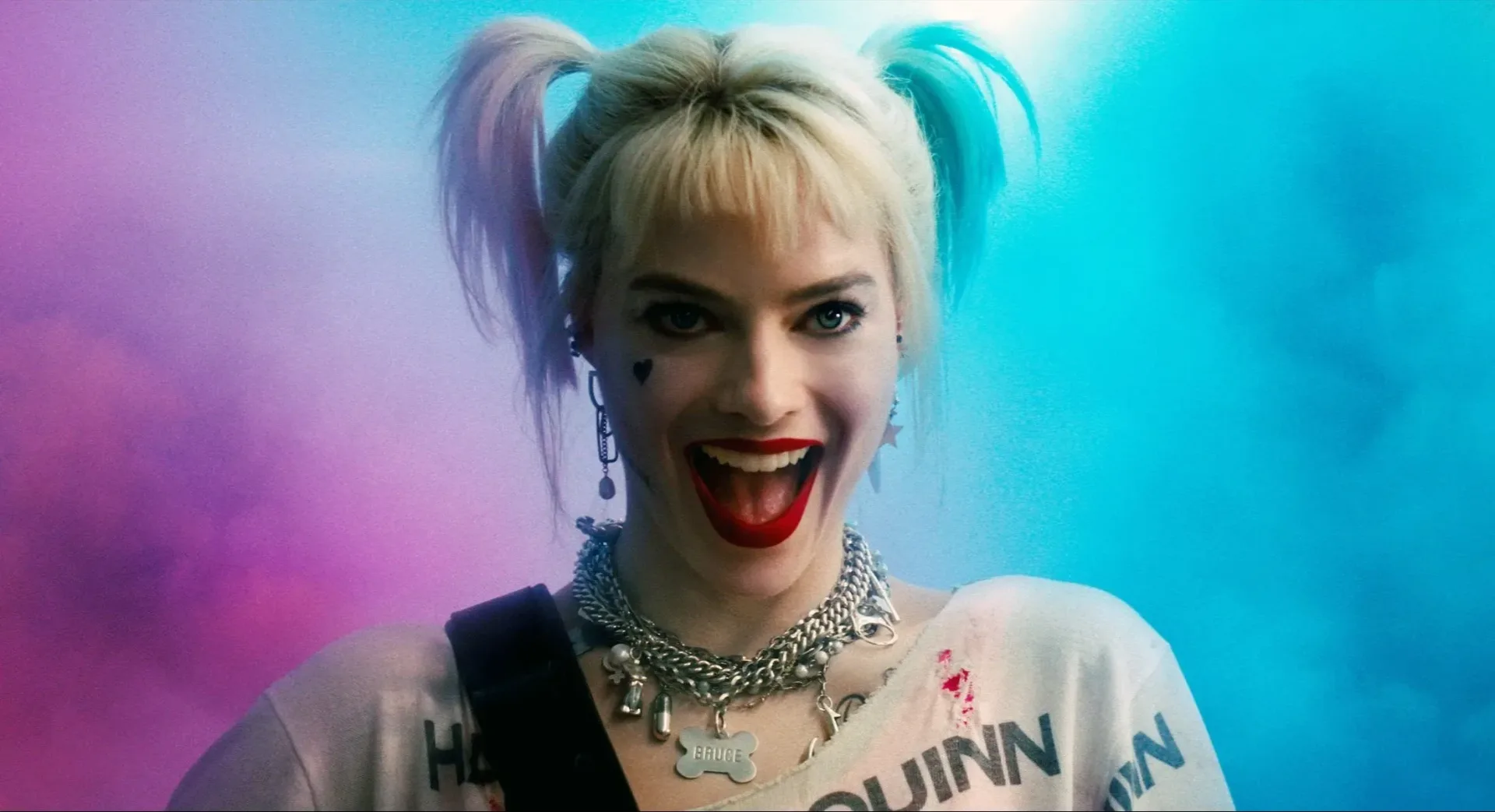
It is also worth separating character continuity from performer continuity. DC Studios has room to retain or revisit some elements and performers while building a new shared universe around others. Gunn has similarly indicated that Harley Quinn is likely to continue in the DCU, though Margot Robbie’s return remains uncertain, as covered in the latest update on Harley Quinn’s DCU future. The Batman search is another reminder that a character’s place in a universe and an individual actor’s involvement are related, but not identical, decisions.
What to watch for next
The next meaningful development will be a direct confirmation from DC Studios or Gunn—not an unverified name attached to an online rumor. Until then, the most reliable takeaway is that the studio has not locked the role publicly and is nearing the point where it intends to do so.
For now, the DCU Batman brief is defined more by direction than detail: a separate Batman from Pattinson’s, a performer who can stand as a contemporary of Corenswet’s Superman, and a selection process Gunn says will prioritize the right actor over automatic star power. That leaves plenty of room for fan debate, but very little basis for declaring the casting race over.