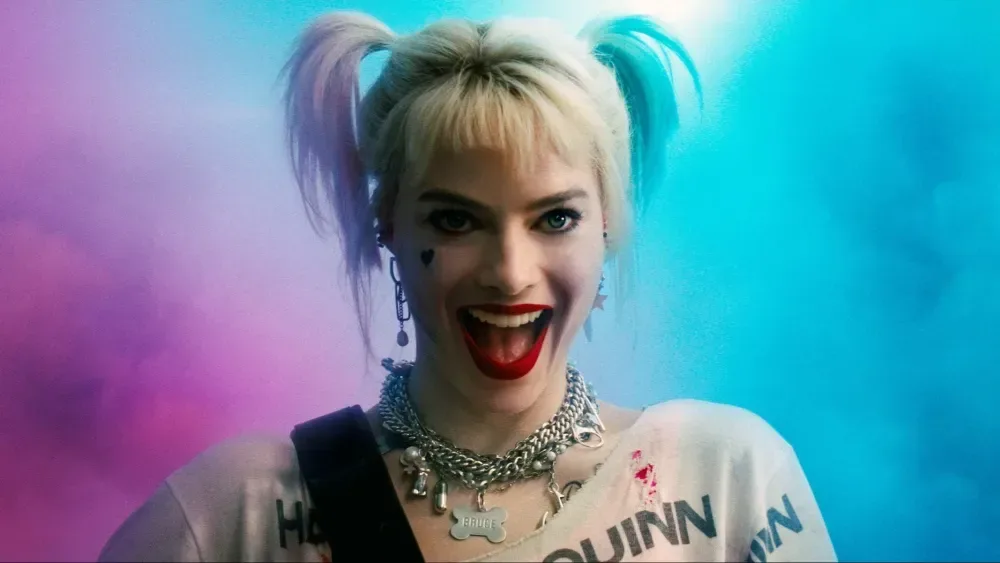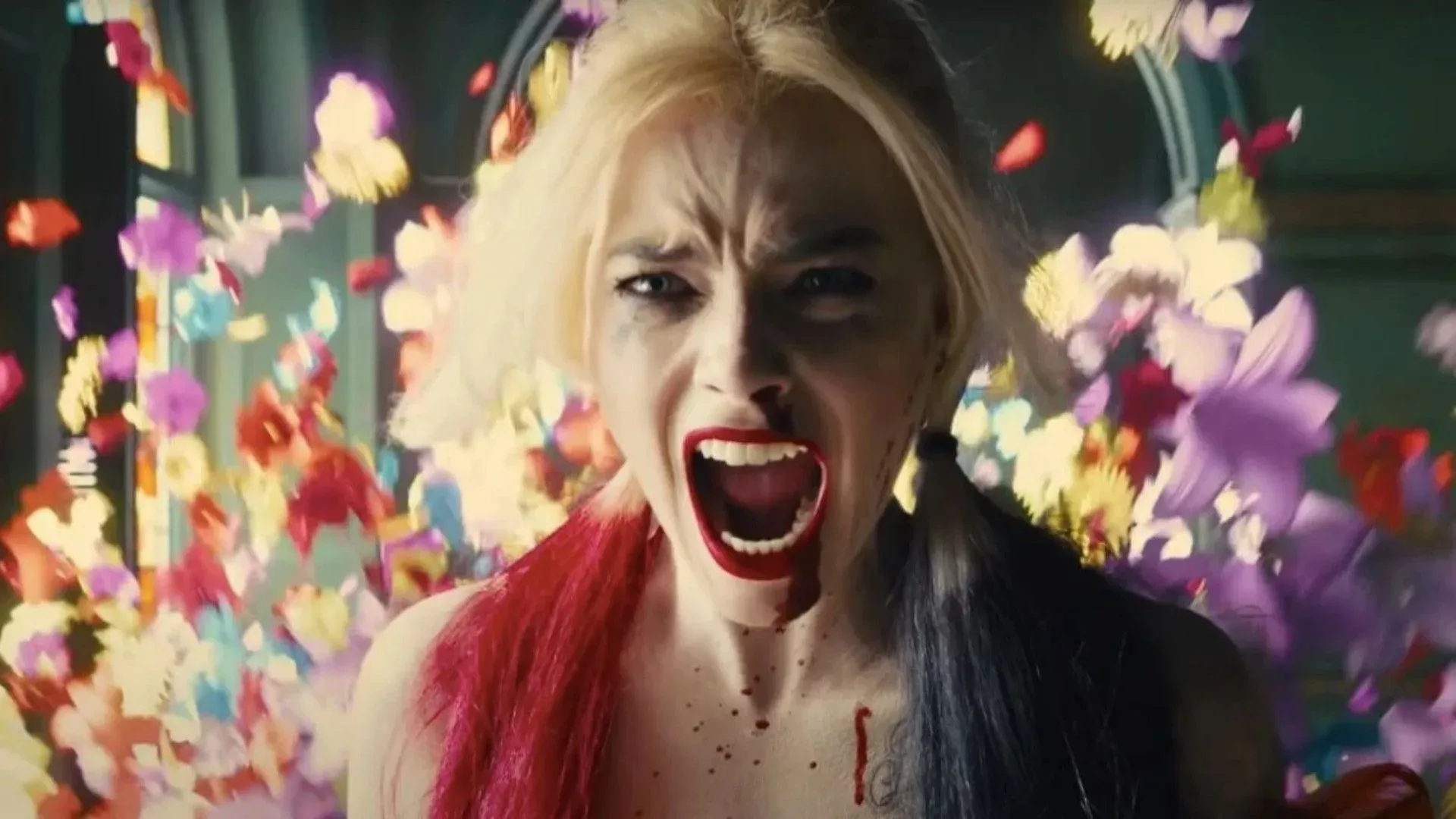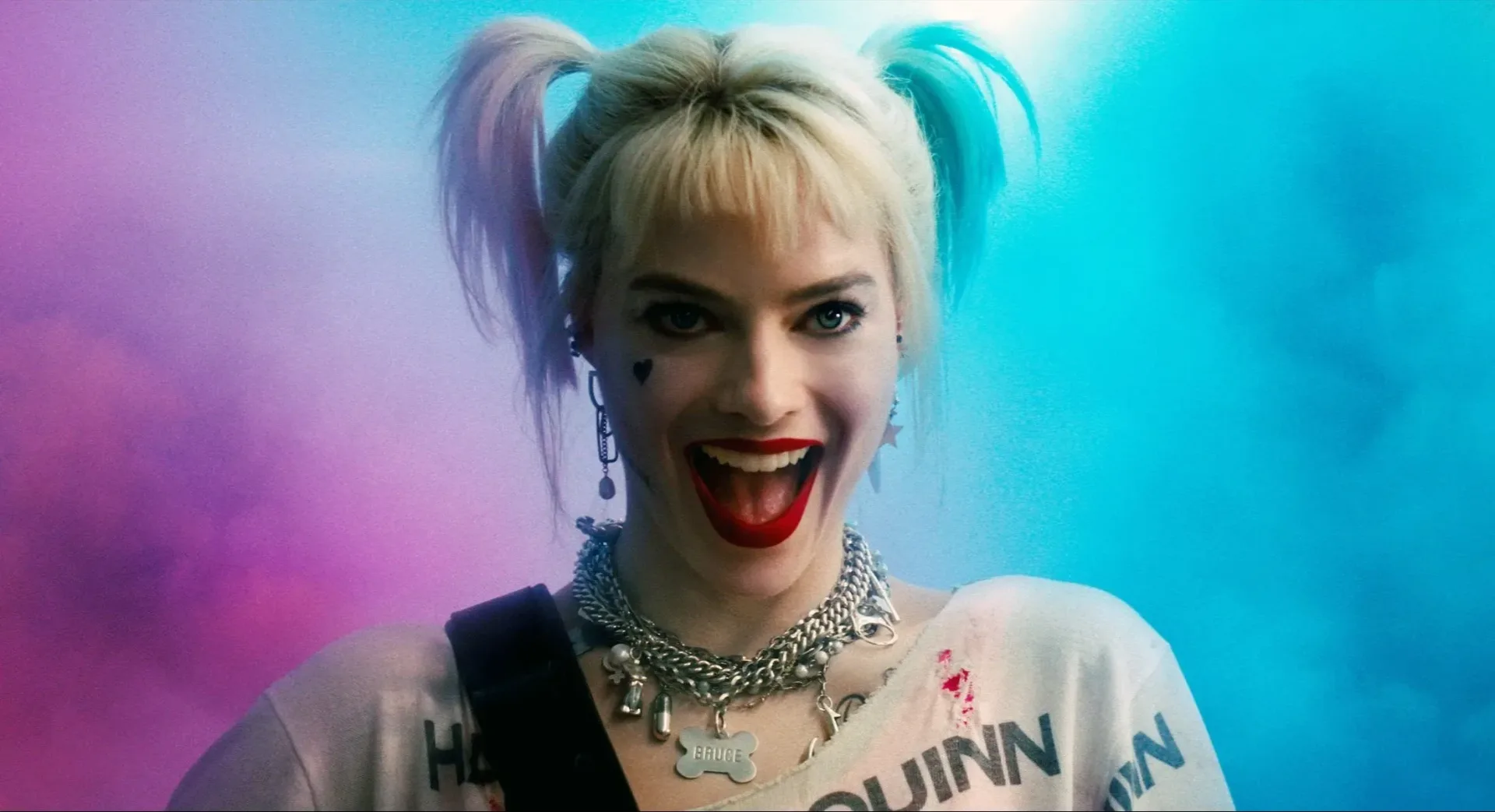
Harley Quinn appears set to remain part of the new DC Universe’s larger story, but the character’s next live-action chapter may not necessarily include Margot Robbie. James Gunn has said that 2021’s The Suicide Squad is, with one major exception, effectively part of the rebooted DCU’s continuity. That exception is Harley herself: Gunn says her future has not been settled in public, and he is unsure whether Robbie wants to put the character’s mallet back in the equipment locker.
The update comes from an episode of The Suicide Squad: Is It Canon? The Official Podcast, where Gunn was joined by Jennifer Holland and Steve Agee. Their discussion centered on which elements of Gunn’s earlier DC film carry into the current universe. The practical answer was broad: most of the film stays in play. Yet the decision leaves a deliberate asterisk next to one of the movie’s most recognizable characters.
“That settles it then. I think that The Suicide Squad is within the canon of the DCU. It’s decided,” Gunn said. He added that Harley Quinn’s future remains the small exception, asking fans for “a little leeway” because he is not sure how it will take shape.
What “canon” means here
In a shared fictional universe, canon means events that count as part of the ongoing official story. If a film is canon, its characters, past missions, losses, relationships and consequences can potentially be referenced or built upon later. It does not automatically mean every surviving actor will return, every character will receive a follow-up, or every moment must be revisited on screen.
That distinction is crucial in this case. Gunn’s position is not a confirmation of a new Harley Quinn project, a casting announcement, or a timetable. It is a statement about continuity: the DCU can treat most of The Suicide Squad as established history. Harley’s presence within that history is clear; what is unresolved is how, or whether, she moves forward in a new live-action form.
The podcast conversation reportedly considered characters who died in the film as well as performers who have played more than one role in DC productions, including Sean Gunn, Nathan Fillion and Michael Rooker. That is the kind of continuity puzzle a reboot can create. A new shared universe may retain selected story elements without preserving every casting arrangement or narrative thread in precisely the same way.
Why Harley is the exception
Gunn’s comments point to two connected facts. First, he sounds confident that Harley Quinn as a character has a future. Second, he does not know whether Robbie wants to return. Those are separate questions, even though the role and performer have been closely linked in modern live-action DC.
Robbie first played Harley in David Ayer’s Suicide Squad in 2016, the character’s first live-action feature-film appearance. She then headlined 2020’s Birds of Prey before returning in Gunn’s 2021 The Suicide Squad. Across those three films, Robbie’s Harley moved from an ensemble introduction to a more central position, while retaining the character’s volatility, dark humor and capacity to change the tone of any scene she enters.
Related coverage includes James Gunn Leaves Margot Robbie’s Harley Quinn Return Uncertain.
Gunn made clear that he remains fond of Robbie’s portrayal. “She’s just so crazy. I love her as Harley,” he said, before acknowledging that she may be finished with the part. He also described Robbie as “kind of the biggest female star in the world,” a framing that recognizes the practical reality behind long-running franchise casting: an actor’s interest and schedule matter as much as a universe’s plans.
Robbie’s subsequent work includes the box-office success of Barbie, a role in Emerald Fennell’s Wuthering Heights, and a forthcoming part in Tim Burton’s Attack of the Fifty Foot Woman. None of that proves she will not return as Harley Quinn. It does explain why Gunn is not presenting her return as something he can promise.
A continuity answer, not a recasting confirmation
Fans should be cautious about reading more into the update than it says. There is no declaration that Harley Quinn has been recast. There is also no confirmation that Robbie has declined to return. Gunn did not identify a future film, series, creative team or release window for the character.
Instead, the message is one of intentional flexibility. DCU leadership can acknowledge the events of The Suicide Squad while keeping Harley’s next step open. In franchise language, that is less a final answer than an established boundary: the earlier film broadly counts, but Harley’s exact path has been reserved for a later decision.
That approach may be especially useful for a character with such a large cultural footprint. Harley Quinn is not merely another member of the squad; she is a figure who can operate in an ensemble, lead a smaller character-driven story, or appear as an unpredictable supporting force. Leaving room around the role gives the DCU options without publicly committing to a performer who may have other priorities.
It also prevents an unnecessary continuity problem. If the universe were to act as though Harley’s past did not exist, it would sit awkwardly beside Gunn’s broad decision to retain The Suicide Squad. Keeping the film canon means the DCU can preserve its history while deciding later whether the next Harley story uses Robbie, another interpretation, or a route that has not been revealed.
What this means for the DCU’s approach
The larger takeaway is that the new DCU is not treating continuity as an all-or-nothing switch. Rather than declaring every prior connection erased or every earlier detail permanently binding, Gunn’s comments suggest a selective transition. The Suicide Squad can remain meaningful in the new framework, even while at least one prominent piece of its future remains undecided.
For audiences, that can be a more useful answer than a blanket label. A reboot often raises basic questions: Did those events happen? Do the characters remember them? Are stories still available for continuation? Gunn’s answer indicates that, for most of The Suicide Squad, the answer is yes. The Harley qualification is noteworthy precisely because it is not being hidden behind a vague refusal to discuss canon at all.
It is also worth separating a character’s apparent future from an actor’s contractual or creative future. Gunn said Harley will “almost certainly” return, while speaking much less definitively about Robbie. That wording supports the character’s importance but preserves uncertainty around the casting. Until DC identifies an actual project and performer, any claim beyond that would be speculation.
The waiting game for Harley Quinn
For now, Harley Quinn occupies an unusual but clear position: her existing history is broadly protected by The Suicide Squad’s canon status, while her next appearance is unknown. Robbie remains the performer most associated with the live-action role after three films, and Gunn’s praise makes clear that there is no public sign of a creative falling-out. But affection for a performance is not the same as a completed deal, and a busy career is not the same as a permanent goodbye.
The most accurate reading is therefore restrained. The DCU has not abandoned Harley Quinn. Gunn has not confirmed Margot Robbie’s return, nor has he confirmed a replacement. He has said that the door is open, and that the film’s other continuity questions are largely settled. For a character who thrives on chaos, an unresolved asterisk may be the most Harley Quinn answer imaginable.
For another recent example of a film project emerging from game culture, see the planned Mouthwashing film adaptation.