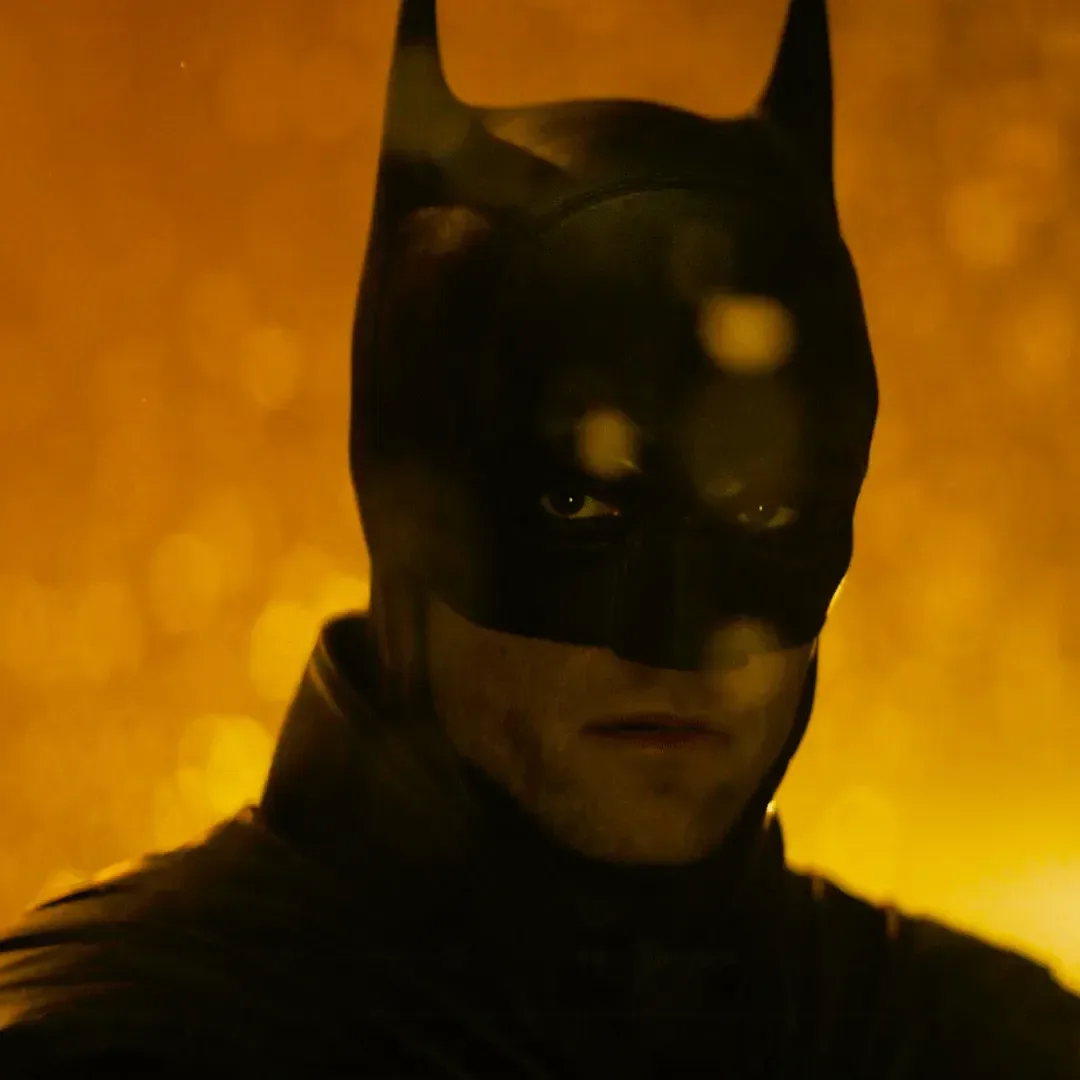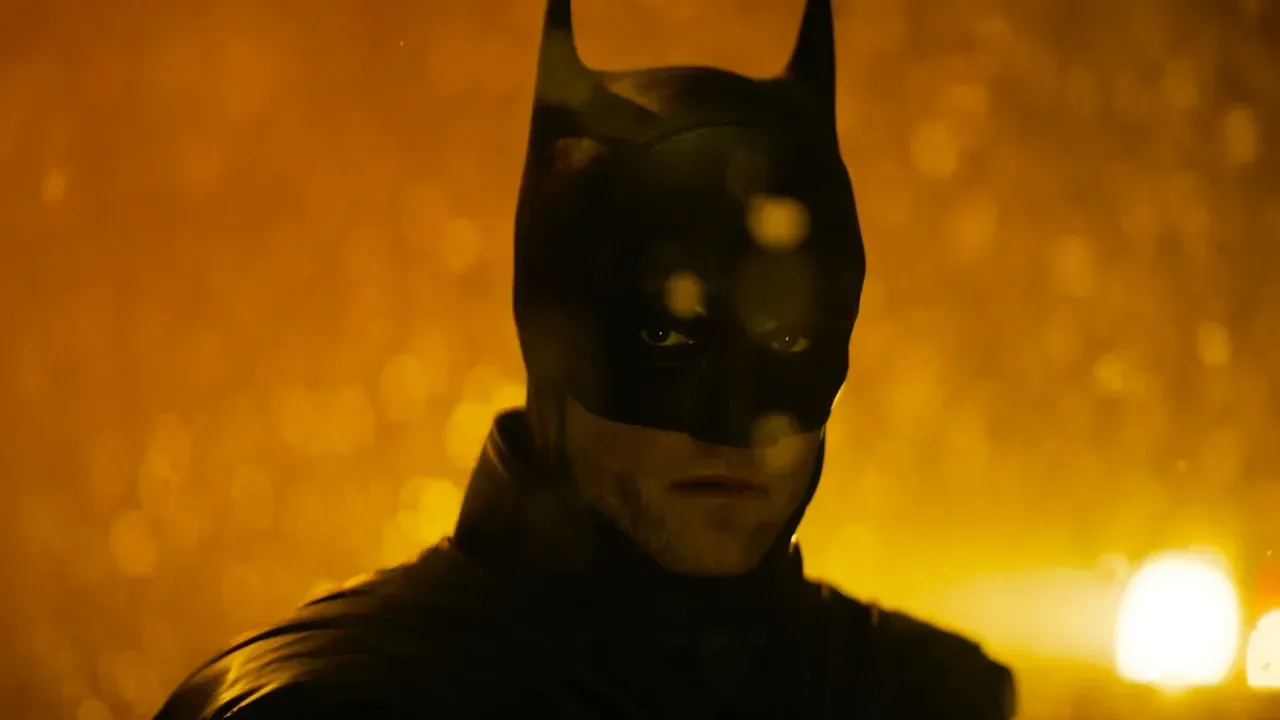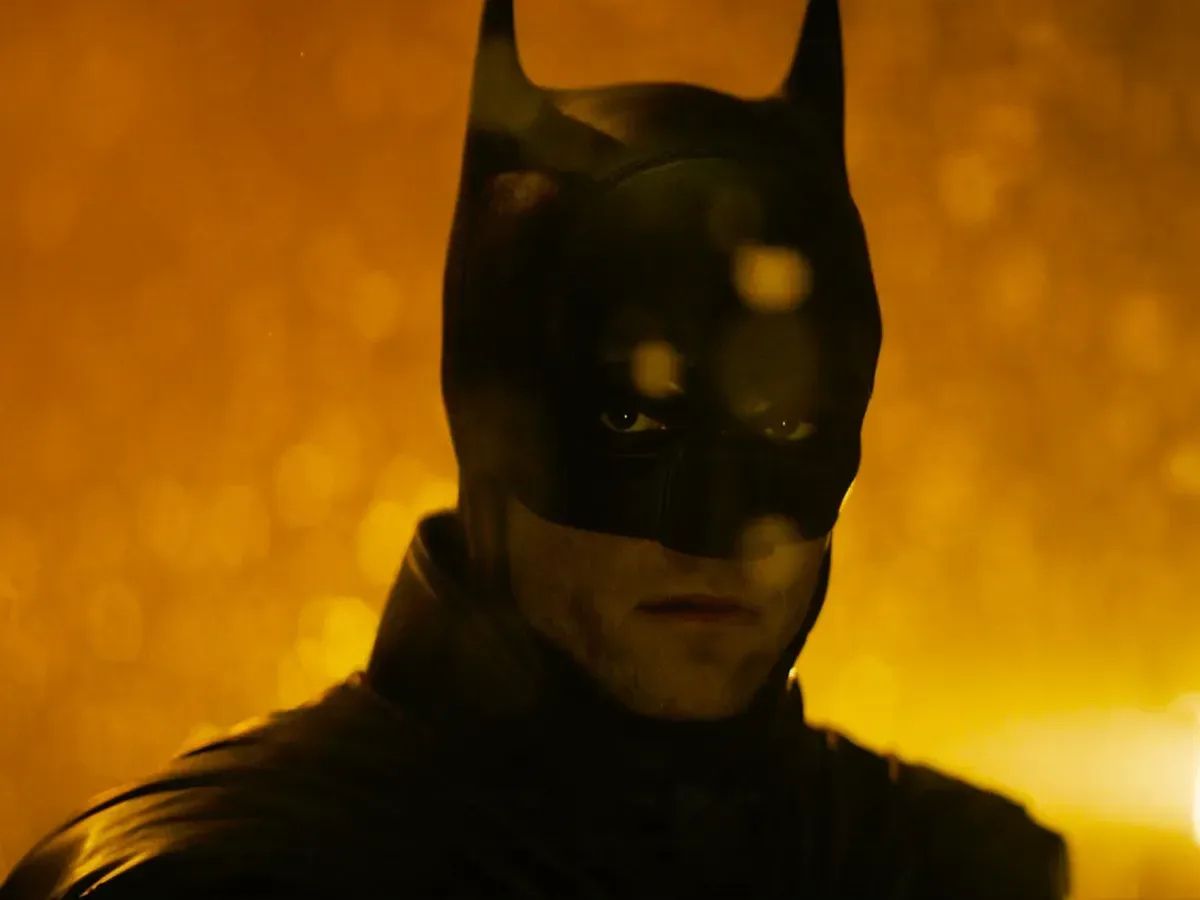
Robert Pattinson has expressed doubt that his version of Batman could comfortably make the jump into the DC universe led by James Gunn’s Superman. The key issue is not simply continuity; it is tone. Pattinson’s Bruce Wayne belongs to a deliberately dark, grounded corner of Gotham, and the actor says that atmosphere is so specific that it would be tough to transplant the character into a broader, more fantastical setting.
That does not amount to a definitive statement that a crossover can never happen. It does, however, underline why the idea remains more complicated than putting Batman and Superman in the same scene. DC has separate creative lanes in play: Pattinson’s Batman films are associated with director Matt Reeves’ self-contained Gotham story, while Gunn’s DC universe is building a shared setting around a new Superman played by David Corenswet.
“I think it would be kind of tough to have this version of Bruce outside of that world,” Pattinson said, describing the particular style and tone surrounding the role.
For audiences who have been debating whether Pattinson should become the DC universe’s permanent Batman, the comment is a meaningful indication of where the actor sees the character fitting best: in his own world, at least for now.
Why tone is the real obstacle
“Grounded” is often used as a catch-all description for superhero stories, but in this case it points to a specific creative approach. A grounded Batman story generally treats Gotham as a harsh, physical place and emphasizes investigation, crime, trauma and the limits of a human protagonist. A more fantastical shared universe has room for heightened threats, overt superpowers and characters whose existence changes the everyday rules of its world.
Neither approach inherently excludes the other. Comic-book fiction has long put Batman beside heroes with extraordinary powers. The question is whether the versions being made for the screen can meet without either losing its identity. Pattinson’s point is that his Bruce is shaped by the world around him, rather than being a character who can be dropped unchanged into any DC setting.
He also connected that feeling to the production experience. Pattinson described long shoots in darkness, both visually and emotionally, and said the mood can linger after filming. That is a practical observation about making this particular Batman, but it also explains why the performance and its setting may be inseparable. The darkness is not merely an aesthetic choice around the edges; it is part of the character’s texture.
A crossover would therefore require more than a plot device. It would need to determine how Gotham’s oppressive noir mood sits next to a Superman-centered universe whose scale can encompass openly extraordinary events. It could play the contrast for drama, humor or wonder. But it would still be a choice that affects both heroes, and not a neutral combination.
Separate DC continuities remain the clearest reading
DC’s multiverse concept is useful here. In simple terms, a multiverse allows distinct versions of familiar characters to exist in different fictional continuities. That structure can preserve a filmmaker’s separate interpretation while a shared universe develops another version for crossovers and long-term ensemble stories.
Pattinson’s comments support the idea that his Batman should remain in that separate lane. This is particularly notable because Gunn’s main DC universe is also developing its own Batman movie. That project is expected to focus on an older Bruce Wayne and include Damian Wayne as his sidekick.
Damian’s presence signals a substantially different starting point from a story centered on a younger, isolated detective figure. A Batman who already has a son operating beside him carries a different family history, crime-fighting infrastructure and emotional setup. It does not make a Pattinson crossover logically impossible, but it illustrates why a single shared version would be difficult to arrange without major narrative adjustments.
There have been few public updates on that other Batman film. One possibility is that DC could wait for Reeves to finish his current story before foregrounding another big-screen Batman, reducing the risk that casual audiences mistake two versions for one. That remains an interpretation rather than a confirmed plan. The wider point is straightforward: maintaining two Batman continuities may be creatively and commercially clearer than forcing an immediate merger.
A shared universe can still contain darker projects
The tonal gap should not be overstated into a hard rule that the DC universe can only tell one kind of story. Its upcoming slate includes Lanterns, described as a more grounded and mature story, and Clayface, an R-rated body-horror film that is set within the same universe as Superman, Lanterns and Supergirl.
Body horror is a genre built around disturbing physical transformation and the fear or loss of control associated with the body. Its planned place in the DC universe suggests the shared setting can support material far darker than a conventional bright-and-hopeful superhero adventure. In other words, Gunn’s continuity does not need every project to share one visual mood or age rating.
Yet “a darker project exists” and “Pattinson’s Batman fits naturally” are different propositions. Lanterns and Clayface may demonstrate tonal range, but Pattinson is discussing the unusually immersive style of his own production and performance. A universe can have room for horror, crime drama and cosmic spectacle while still deciding that a particular Batman interpretation is strongest when kept apart.
That distinction matters for fan expectations. It is easy to treat shared-universe storytelling as a promise that every recognizable character will eventually meet. In reality, separate continuities can be a way to protect contrasting takes on the same icon. The appeal of Pattinson’s Batman may partly come from the fact that his Gotham is allowed to remain so singular.
Could the contrast itself make a crossover work?
There is also a credible argument on the other side. A serious, shadow-bound Batman placed beside Corenswet’s Superman could create a striking version of the World’s Finest partnership. “World’s Finest” is the long-used DC label for stories pairing Batman and Superman. Its appeal comes from contrast: one hero is a human detective defined by preparation and suspicion, while the other is a super-powered public symbol often associated with optimism.
If DC ever pursued that pairing with Pattinson, the tonal friction could be the feature rather than the bug. Superman’s presence might challenge Bruce’s closed-off worldview; Bruce’s skepticism might give Superman a human-scale counterweight. But this is analysis of a hypothetical creative route, not evidence that one is being prepared. Pattinson’s remarks make clear that the transition would need a compelling reason and careful execution.
The broader superhero landscape has also made audiences comfortable with parallel versions of characters and multiverse possibilities. That does not remove the storytelling work involved when versions collide. The same challenge arises in other superhero conversations around legacy characters and multiverse events, including the speculation covered in this report on potential multiverse threads around Marvel’s next major crossover. Familiarity with the concept does not automatically make any two tones or continuities compatible.
What is actually on the calendar
For now, the concrete dates point to two separate 2027 releases rather than a confirmed Batman-Superman meeting. The Batman Part 2 is scheduled for theaters on February 18, 2027. Man of Tomorrow, the sequel to Superman, is scheduled for July 9, 2027.
Those release dates will inevitably fuel comparisons, especially because both films arrive in the same year. But a close calendar does not establish a shared continuity or crossover. The supplied information offers no confirmed plan placing Pattinson’s Batman in Man of Tomorrow, nor does it confirm that Reeves’ Gotham will connect to Gunn’s DC universe.
The sensible expectation is therefore modest. Pattinson’s Batman remains on course for another chapter in its own dark world, while the DC universe continues to develop its separate Batman direction. A meeting with Superman is still a possibility in the broadest sense, but Pattinson’s own view suggests it is not an easy or immediate fit.