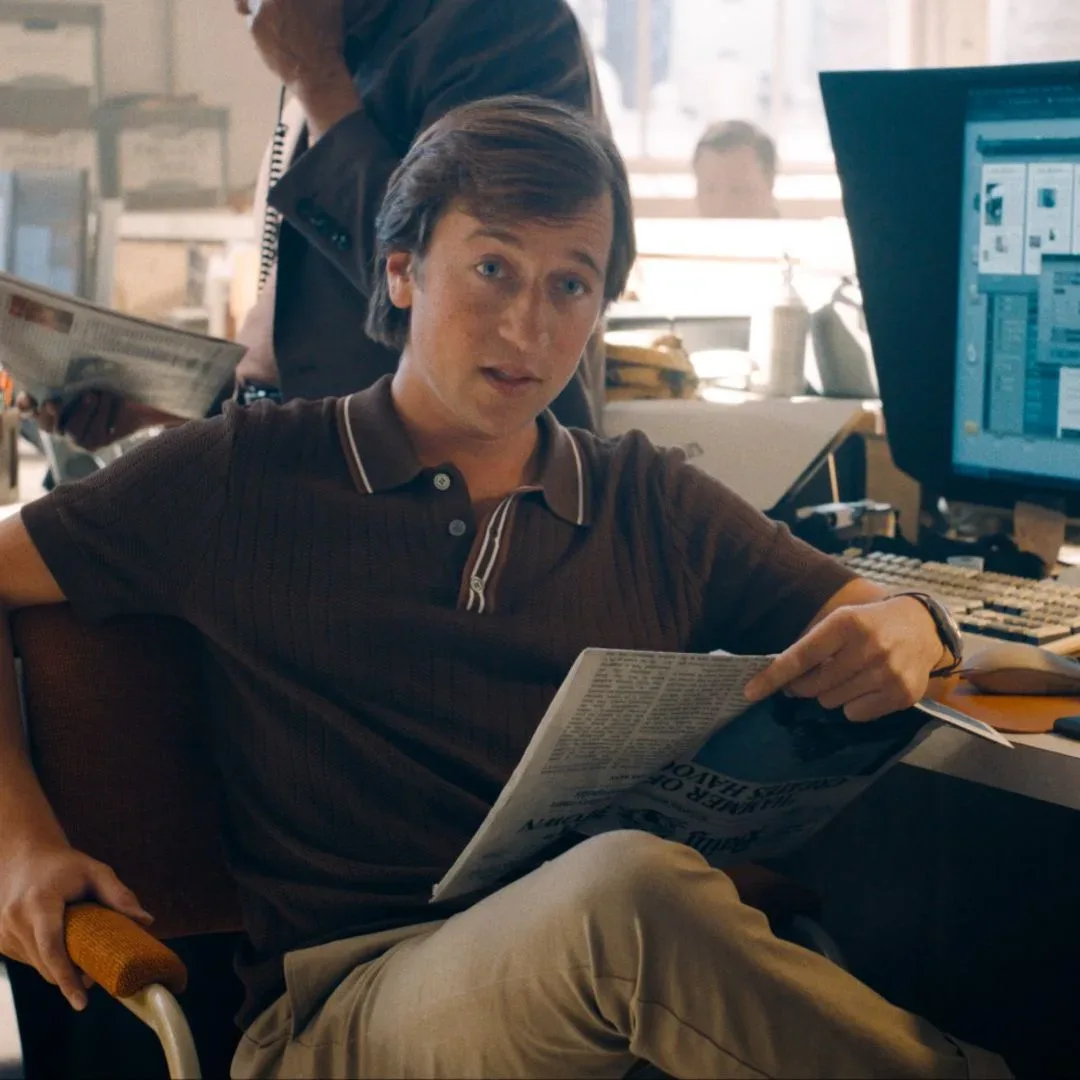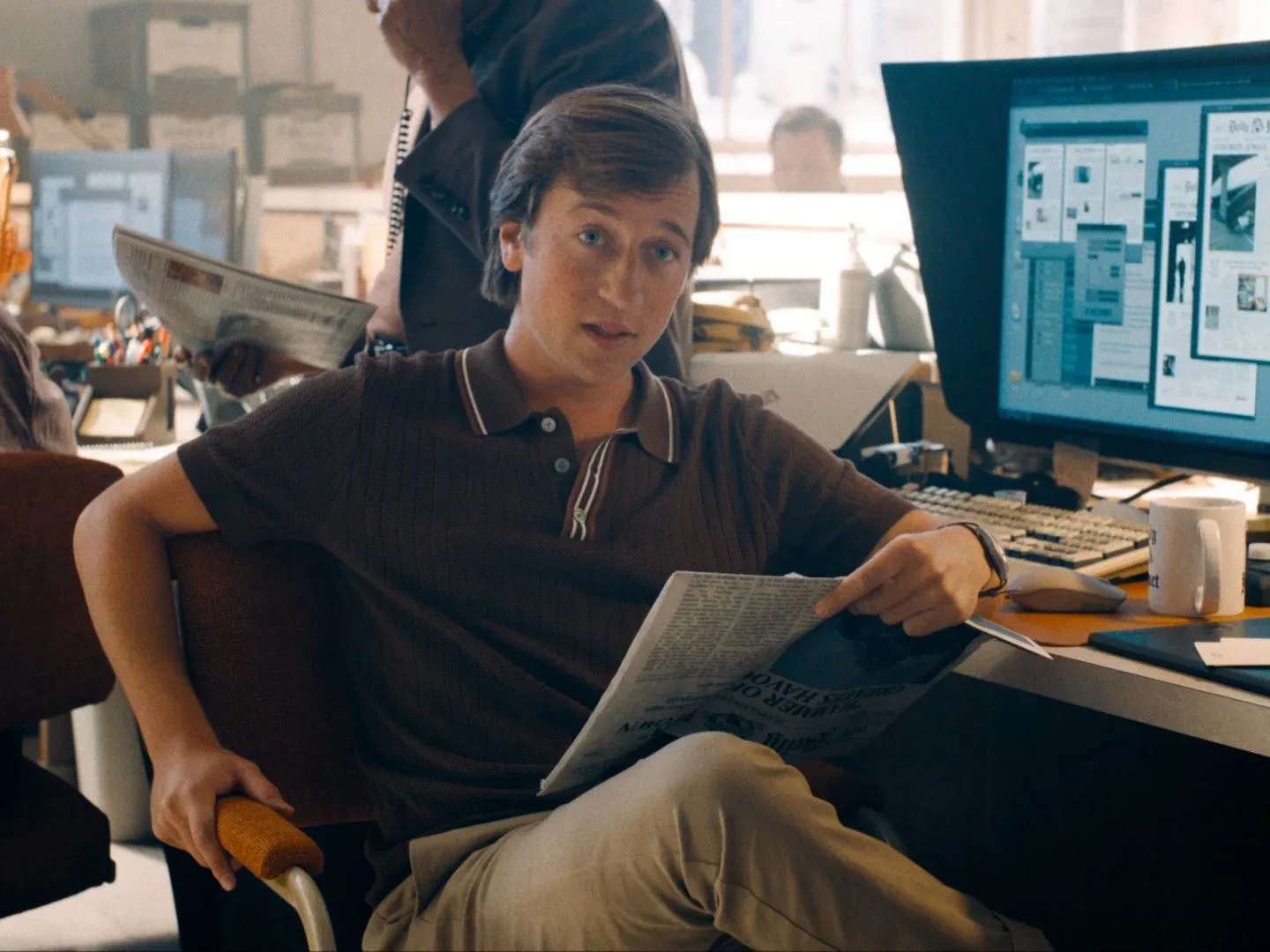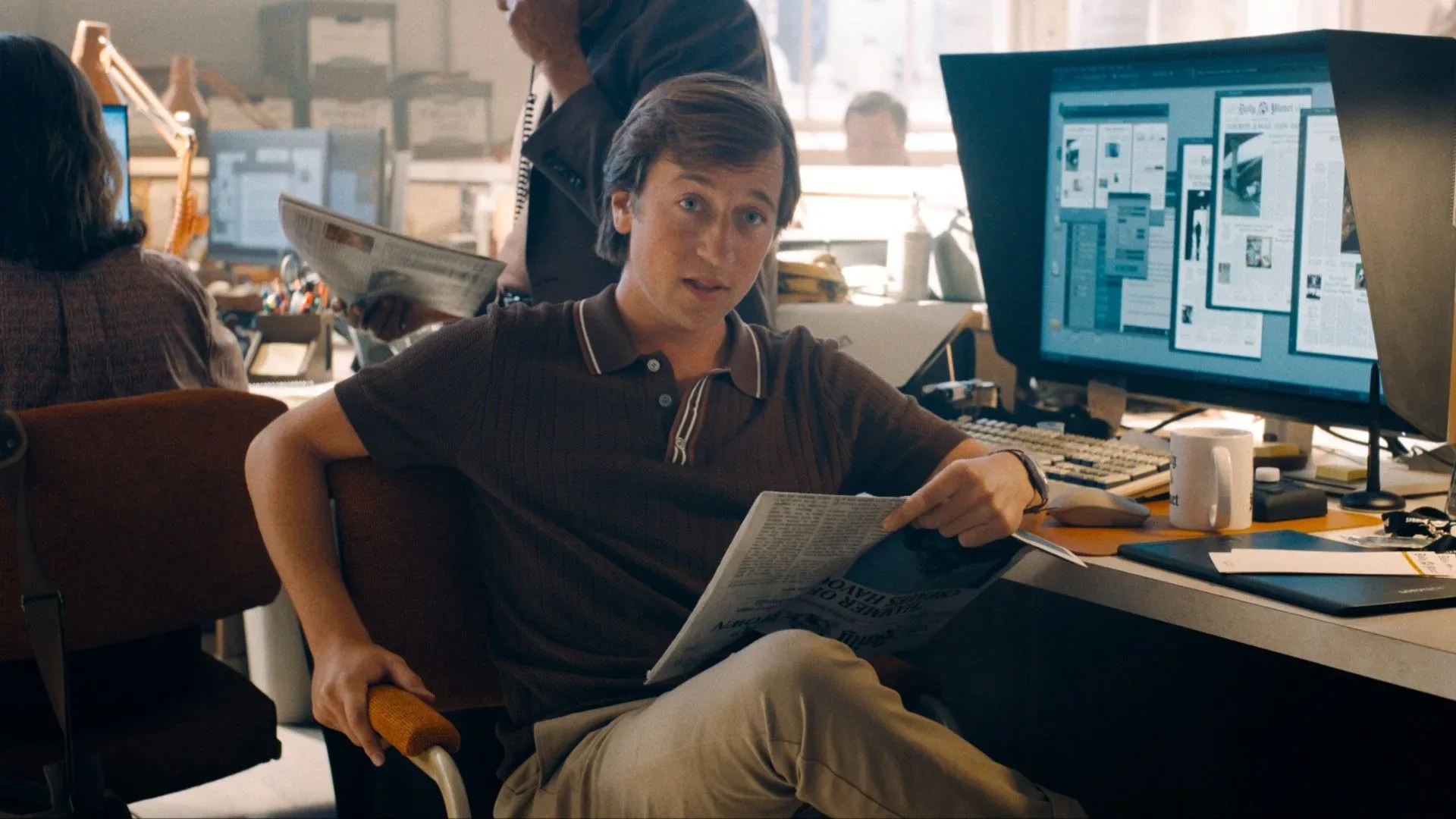
The People v. Gorilla Grodd appears to be heading for a place between Superman and Man of Tomorrow on the DC Universe timeline, though viewers should not treat that placement as an official, immovable map pin just yet. Skyler Gisondo, who plays Daily Planet reporter Jimmy Olsen, has described the series as occurring before the second film’s events and suggested it is somewhere adjacent to the main continuity between the two movies.
That is the clearest public indication so far of where the HBO Max series fits, and it is useful context for a project whose premise is intentionally stranger than a standard superhero spin-off. Rather than simply sending Jimmy on a conventional capes-and-powers adventure, the show is set to use a true-crime docuseries format. Jimmy and fellow journalists will investigate Gorilla Grodd’s prison sentence after Grodd is charged with murdering his father in Gorilla City.
The key distinction is certainty. Gisondo initially placed the show before the events of both films, then refined the thought toward the period between Superman and Man of Tomorrow. He also acknowledged he was not fully sure of the answer. In other words, his comments establish the apparent creative intent without replacing a formal timeline announcement.
Jimmy Olsen may be the DCU’s most unusual continuity guide
Gisondo’s version of Jimmy Olsen is Superman’s best friend, but The People v. Gorilla Grodd puts the reporter’s professional role at the center of the story. That matters for more than the show’s mock-documentary or true-crime framing. A Daily Planet investigation can show parts of this universe that a Superman story may only pass through: newsroom decisions, public reactions to extraordinary crimes, and the effort to turn an unbelievable case into a reportable narrative.
A true-crime docuseries, in this context, means a fictional show constructed around the language and structure audiences associate with documentary investigations. The supplied details identify Jimmy as its host and place a criminal case at the heart of the plot. That format naturally raises questions beyond whether Gorilla Grodd can be stopped in a fight: What evidence led to his sentencing? Who gets to narrate the alleged crime? Is the conclusion accepted because it is proven, or because the accused is a super-intelligent gorilla?
The premise does not answer those questions in advance. It does, however, establish the central uncertainty: was Grodd responsible for his father’s death, or is the conviction mistaken? That uncertainty is a more fitting engine for an investigative series than a straightforward origin tale. Jimmy is not just meeting a fantastical figure; he is reviewing the case built around him.
It also gives the DCU a chance to use a familiar character in a different mode. Superman stories can involve enormous stakes by design. A journalist-led inquiry can narrow the focus to testimony, institutional judgment, public perception, and the awkward reality of trying to cover a prison case involving Gorilla City. The oddity is not being treated as a side gag. It is the premise’s pressure point.
What “before Man of Tomorrow” actually tells viewers
The most practical reading of Gisondo’s comments is simple: audiences should not expect the series to depend on events that occur in Man of Tomorrow. If the show is set beforehand, it can function as a bridge from the world established in Superman while preserving the second film as its own event.
That does not mean every detail of the chronology is known. The actor’s wording included “I think” and an admission that he should probably know the precise answer, so there is room for the final series to clarify, adjust, or complicate the placement. “Adjacent” may be especially important: it suggests a story operating alongside the principal film narrative rather than one designed to deliver mandatory plot mechanics for the next movie.
For viewers, that is potentially reassuring. A continuity connection can enrich a shared universe without turning every series into homework. Jimmy’s investigation may be informed by the world around Superman, the Daily Planet, and Gorilla City, while still being understandable on its own terms. It can expand the setting through a reporter’s lens instead of pausing a larger movie plot to explain itself.
There is a useful parallel in the broader appeal of character-centered superhero side stories: a question left deliberately unresolved can be the point of the project rather than a missing piece of information. Joking Joystick recently explored that dynamic in its look at the lingering Tommy Shepherd question in VisionQuest. Grodd’s case similarly starts from uncertainty, only here the uncertainty is built into an investigation led by a reporter.
A Daily Planet ensemble, not a solo Jimmy story
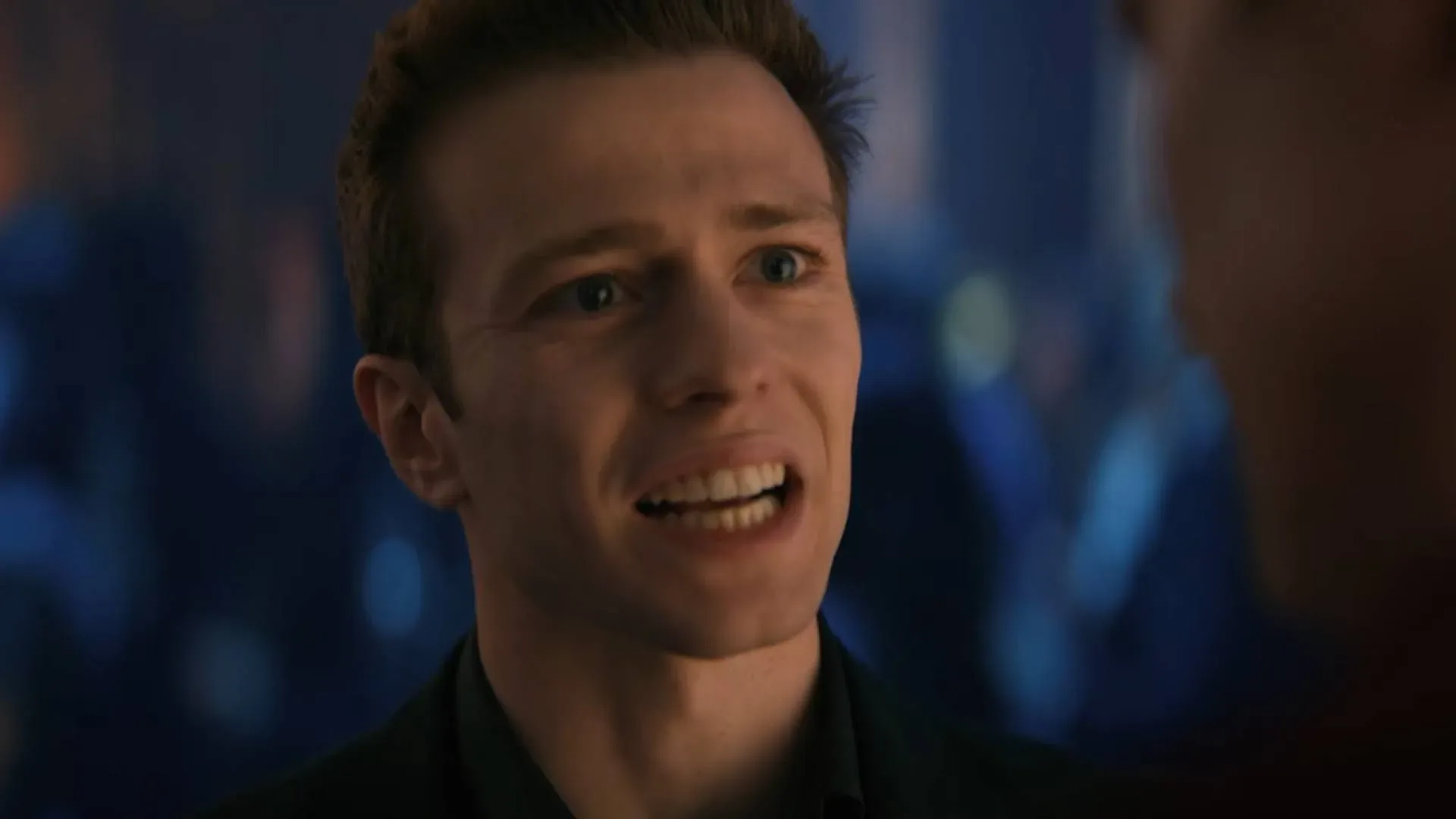
Gisondo is joined by several Daily Planet figures. Beck Bennett will play Steve Lombard, Mikaela Hoover will play Cat Grant, and Wendell Pierce will return as Perry White, the editor-in-chief of the Daily Planet. Jimmy Tatro will play Gorilla Grodd.
Those roles support the stated structure of the show. A newsroom investigation benefits from a range of voices: the reporter fronting the piece, colleagues who can assist or challenge the work, and an editor who represents the standards and pressures of publishing a story. The available information does not spell out the characters’ individual functions in the Grodd investigation, so it would be premature to assign them specific plot duties. Their presence nevertheless makes the Daily Planet feel like more than a background setting.
Pierce’s return as Perry White is particularly meaningful at the structural level. Perry is the editor-in-chief, placing him naturally within the story’s journalistic framework. That does not confirm how much of the series he will appear in or whether he endorses Jimmy’s conclusions. It simply means the show has retained a recognizable Daily Planet anchor while moving the action into a format far removed from a conventional newsroom drama.
Meanwhile, Tatro’s casting as Grodd positions the accused character as more than an off-screen case file. Since the series concerns a review of his sentencing, Grodd’s perspective—or at least the story’s treatment of the claims against him—will be crucial. The announced premise leaves his guilt unresolved. That is the hook, not a spoiler to be settled before the show arrives.
Why Gorilla City makes the investigation bigger than one defendant
The allegation stems from a murder in Gorilla City, which immediately gives the series a setting and a social context outside Metropolis and the Daily Planet’s ordinary beat. Even with only the basic premise available, the location changes the scale of Jimmy’s task. He is not merely examining a high-profile prisoner; he is dealing with a case connected to another society and a defendant who is explicitly described as super-intelligent.
That creates a tension inherent to the concept. True-crime storytelling often asks an audience to consider the gap between a person’s reputation and the evidence surrounding them. Grodd’s extraordinary nature makes that gap potentially much wider. The series can ask viewers to consider a criminal accusation without pretending that the accused is ordinary, while avoiding the equally easy assumption that unusual means guilty.
Importantly, none of the known details confirm a verdict reversal, an exoneration, or a hidden culprit. The show’s description frames those possibilities as the mystery to be explored. Until more is revealed, the responsible approach is to view Grodd’s guilt as an open question within the fiction.
Release order and story order are separate questions
There is still no confirmed release date for The People v. Gorilla Grodd. The show is filming, while Man of Tomorrow has wrapped. That production status should not be mistaken for a release schedule, and neither it nor Gisondo’s timeline comments confirms which project audiences will see first.
This is where shared-universe discussions often become unnecessarily tangled. Story chronology is the order in which fictional events happen. Release order is the order in which the audience receives the projects. They frequently match, but they do not have to. A series can be set before a movie and still debut after it. The presently available information leaves that possibility open.
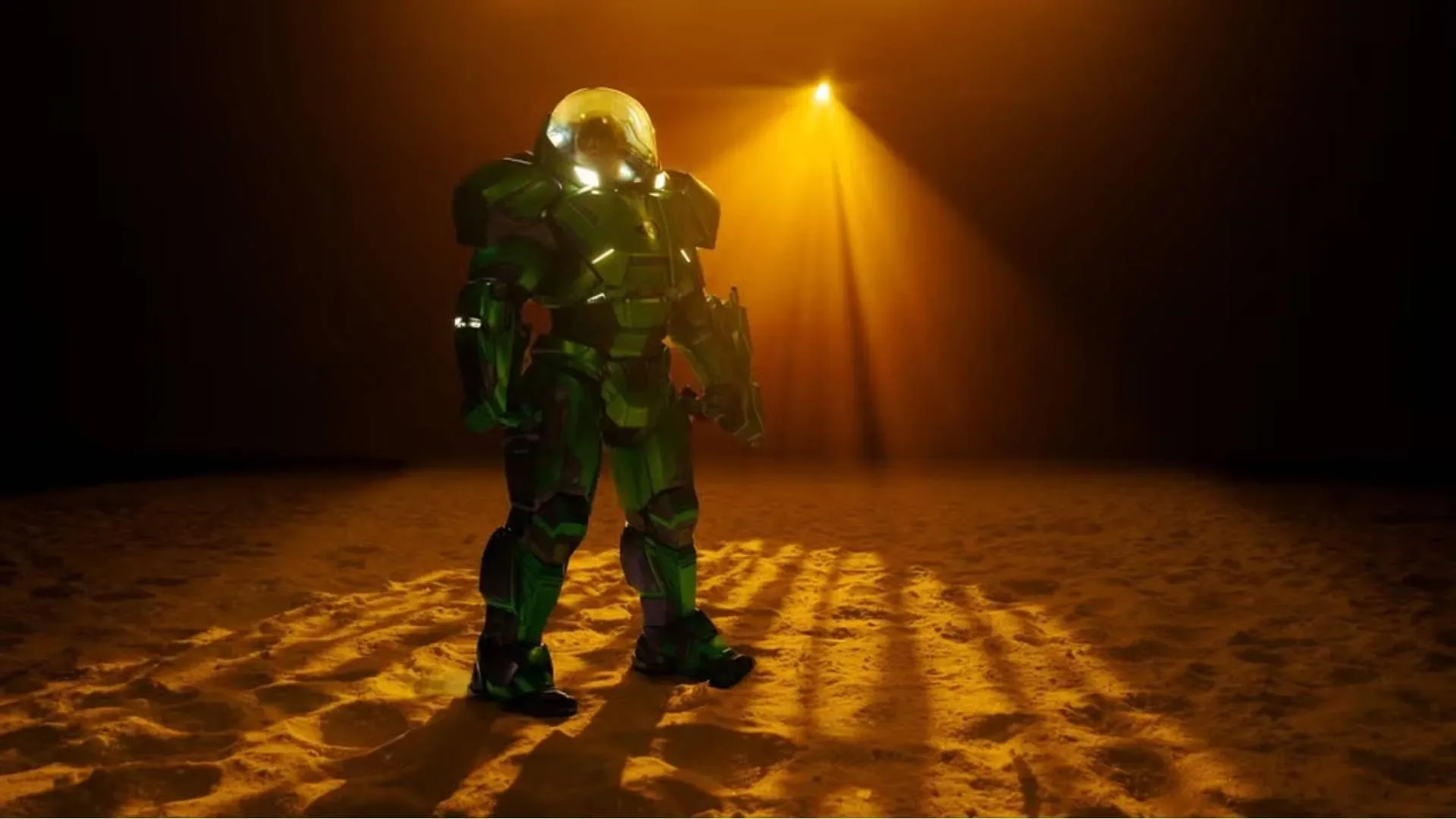
Man of Tomorrow is expected in theaters next year and is set to include a fully established Green Lantern John Stewart, played by Aaron Pierre, following Lanterns. That makes the DCU’s schedule an active moving picture, but it does not change the narrower takeaway for Jimmy’s series: it appears designed to take place before the second Superman film’s events, with its exact position still expressed cautiously rather than definitively.
For now, the most interesting part is not a rigid chronology chart. It is the promise of a DC story willing to let Jimmy Olsen investigate a murder conviction involving Gorilla Grodd through the deliberately grounded, evidence-focused language of true crime. Whether Grodd is innocent, guilty, or something messier is the question the show is built to pursue—and, appropriately, it is one Jimmy will have to report rather than assume.