DCU chronology has received a useful clarification, with one deliberately messy-looking caveat built in. James Gunn says The People Vs. Gorilla Grodd is set after Man of Tomorrow in the overall continuity, and that the series will not arrive before the Superman sequel. That settles the broad placement of the Jimmy Olsen-led project after comments from star Skyler Gisondo had suggested a different order.
The complication is the show’s format. Gunn also noted that it is a true-crime series that jumps around through time. In practical terms, fans should separate the project’s primary present-day setting from every period it may visit through interviews, archival-style footage, reconstructions, or other mock-documentary devices. A story can be set after Man of Tomorrow while still showing events that happened years earlier.
The short version: after Man of Tomorrow, but not locked to one year
The clearest takeaway is that The People Vs. Gorilla Grodd belongs on the far side of Man of Tomorrow when placing DCU projects by their overall present-tense continuity. It is also expected to release after that film.
That does not mean every scene occurs afterward. A true-crime mockumentary is a fictional work presented in the style of a documentary examining a real case. The format naturally permits testimony from years later alongside flashbacks, news coverage, court-related material, old footage, and dramatized reconstructions. It can make a timeline feel fragmented on purpose without actually contradicting the larger universe’s chronology.
For this show, that distinction matters. A project about an investigation into an established conviction needs material from before the case, during the case, and after it. The audience may therefore encounter Gorilla Grodd at radically different points in his life while Jimmy Olsen pursues the larger story in the show’s post-Man of Tomorrow present.
What Jimmy Olsen is investigating
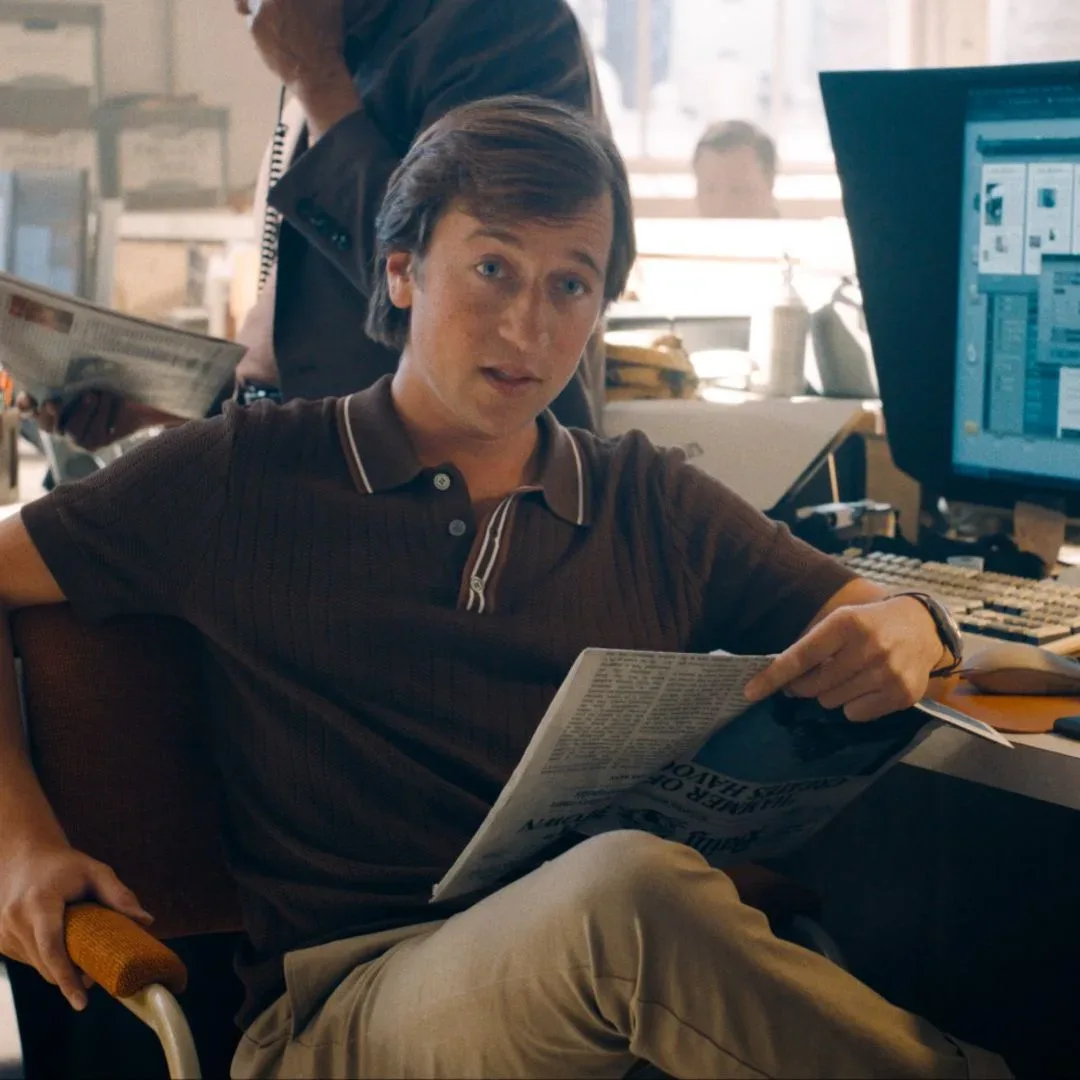
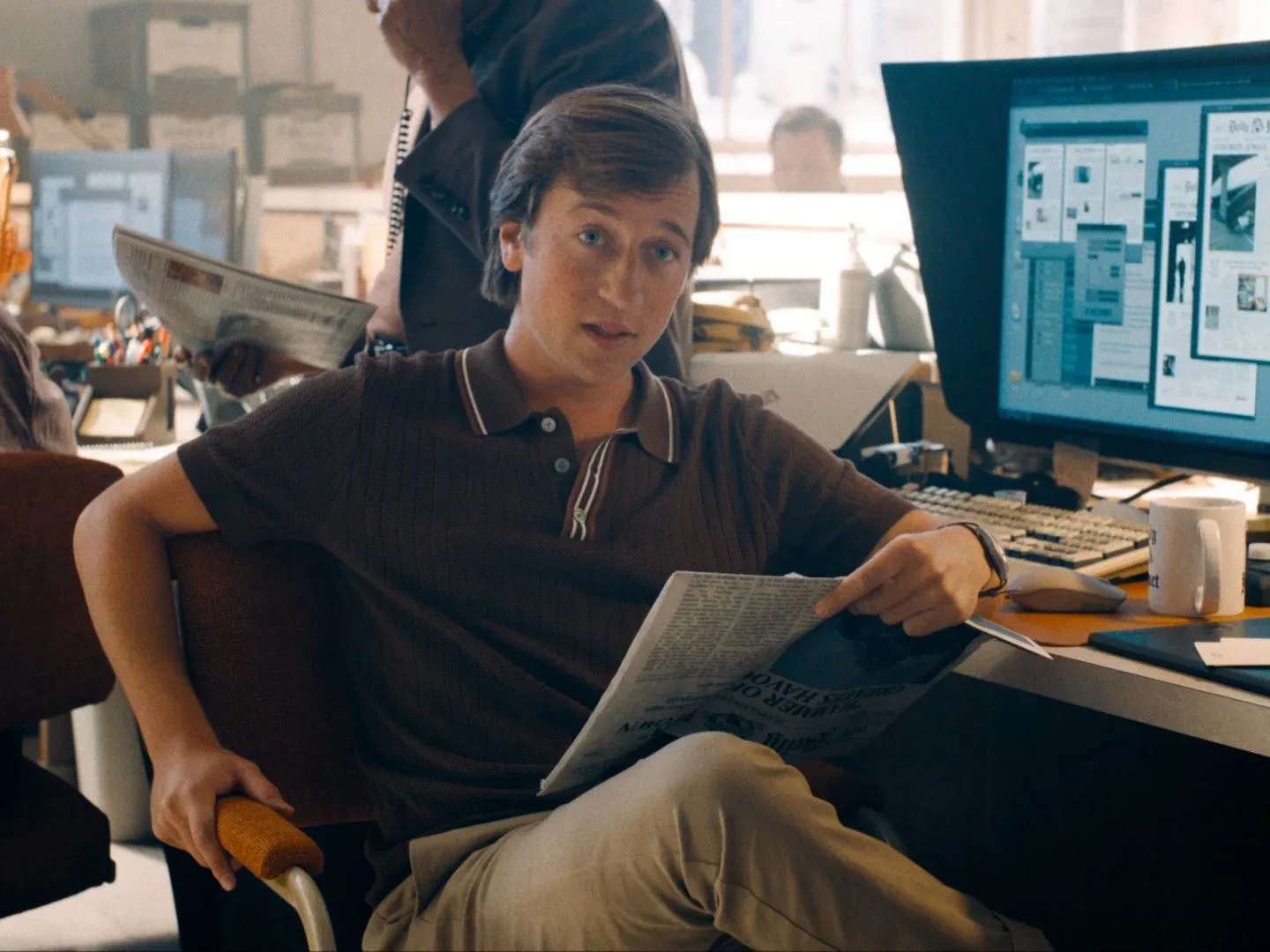
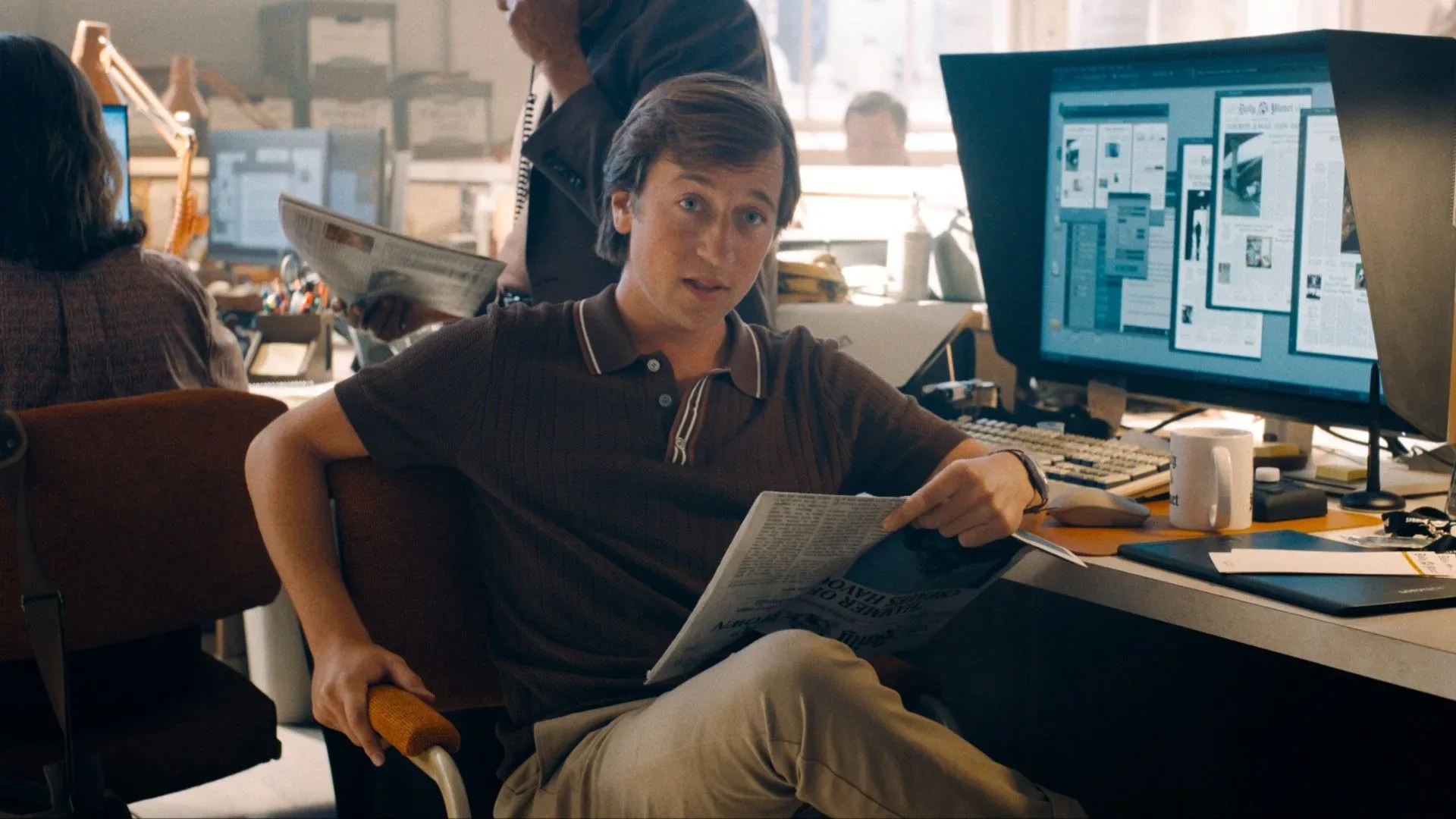
The People Vs. Gorilla Grodd stars Skyler Gisondo as Jimmy Olsen, the Daily Planet journalist. The premise centers on Jimmy investigating Grodd’s 2021 conviction for murdering his father, the King of Gorilla City. Grodd was sentenced to Stryker’s Island Penitentiary.
That setup gives the series an unusually specific legal and journalistic frame for a DCU title. Rather than simply using a famous comic-book antagonist as an obstacle for a hero to punch through, the show is built around the public story of a notorious criminal case. The word “Vs.” in the title evokes a legal proceeding, while the involvement of a Daily Planet reporter suggests an inquiry into how the case was understood, reported, and perhaps disputed.
None of that automatically tells viewers whether Grodd is innocent, guilty, manipulated, misunderstood, or something more complicated. The supplied premise only establishes the conviction and sentence. But the very choice to revisit the case through true-crime parody creates room for competing accounts, incomplete evidence, sensational coverage, and witnesses whose version of events may not perfectly line up. Those are genre tools, not confirmation of a particular twist.
Why the time-jumping structure makes sense
Gunn’s timeline comment also offers a reasonable explanation for reported material that appears to show Grodd in college and singing a cappella. If such material is part of the finished project, it would not necessarily indicate that the entire series is set during Grodd’s college years. It could be evidence from an earlier chapter of his life, included to build a portrait of the accused before the 2021 conviction.
It is worth keeping a hard line between confirmed information and material circulating online. The confirmed point is the show’s broad place after Man of Tomorrow and its time-hopping true-crime approach. Images or clips characterized as leaks are not the same thing as a formal explanation of plot, context, or final cut. A strange isolated moment can look very different once a mockumentary reveals who is presenting it and why.
That flexibility could be especially valuable for DCU world-building. A conventional sequel usually follows one main period closely. A retrospective investigation can touch several eras without asking the audience to treat every one as the current point of continuity. It may reveal pieces of Gorilla City’s past, document Grodd’s path to imprisonment, and show how the wider public processes a crime involving an extraordinary figure.
A comedy team suited to the premise
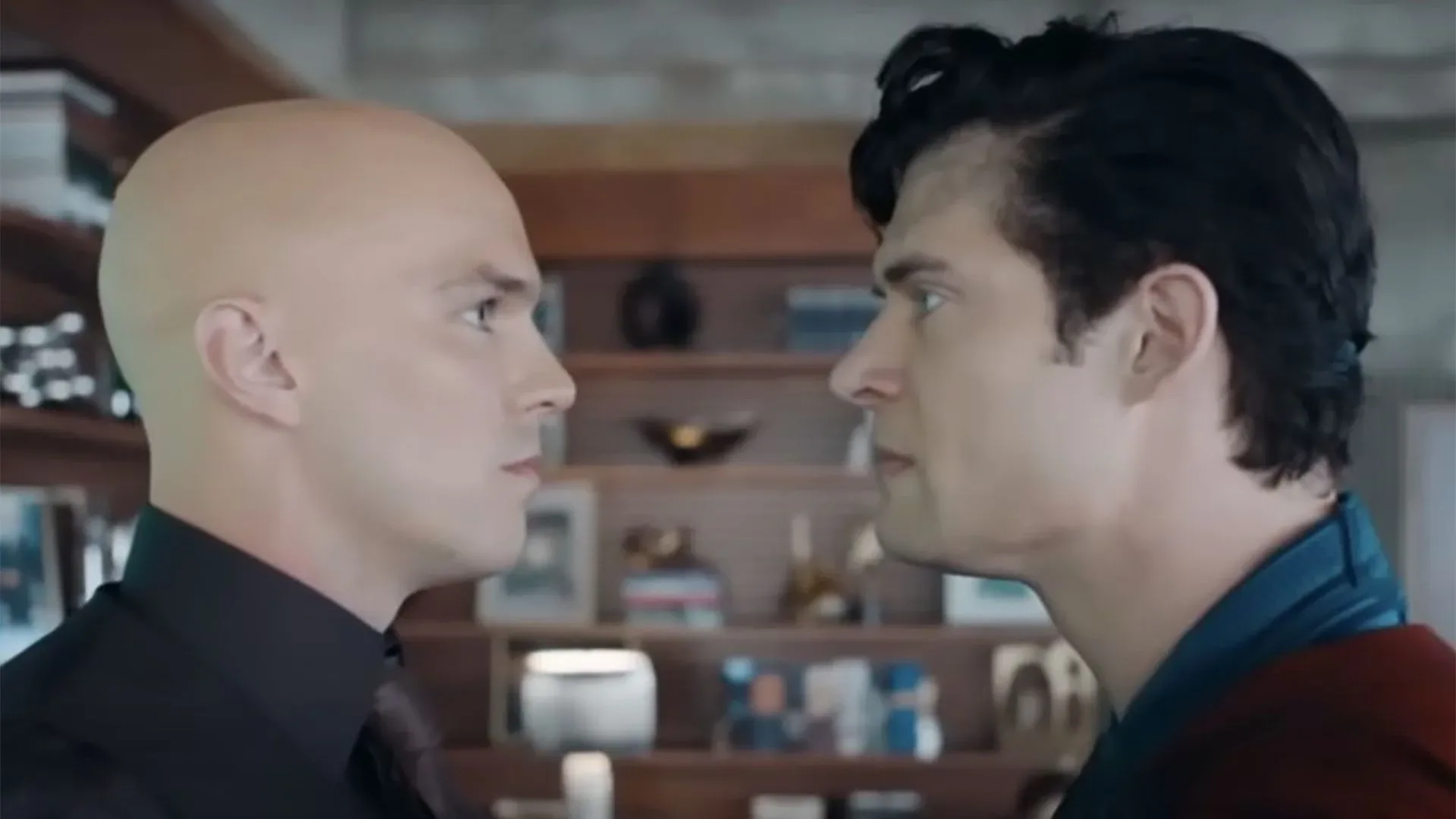
Dan Perrault and Tony Yacenda created the series. Their prior work includes American Vandal, itself a comedy that used the grammar of serious true-crime television for a deliberately absurd investigation. Jimmy Tatro, who appeared in the first season of that show, plays Gorilla Grodd here.
The creative pairing signals that The People Vs. Gorilla Grodd is not merely a crime story with a few jokes attached. The mockumentary form is likely central to how it operates: dead-serious presentation meeting inherently bizarre material. A giant, hyper-intelligent gorilla connected to an alleged patricide and a prison sentence is already a wild DC premise. Filtering it through prestige true-crime conventions gives the project a different comic angle than a standard superhero adventure.
Gisondo has described the return to Jimmy Olsen as a tonal shift after his other work, calling the project a funny mockumentary with a true-crime sensibility. That reinforces the expectation that the series will use the conventions of documentary investigation as part of the joke, even while it supplies genuine DCU continuity details.
How it fits into the larger DCU release pattern
The DCU has largely been unfolding in chronological order as projects arrive, but it is not operating under an absolute release-order rule. Clayface, for example, is set before the events of Superman. That makes Gunn’s clarification about The People Vs. Gorilla Grodd more useful than a broad assumption based solely on release timing.
For viewers trying to keep the continuity straight, there are two questions to ask of any project:
- Where is the story’s main present? For The People Vs. Gorilla Grodd, Gunn has placed that overall continuity after Man of Tomorrow.
- Which periods does the story revisit? This series is designed to range across time, so scenes set earlier should be expected rather than treated as a timeline error.
That approach lets the show behave less like a straightforward bridge to the next franchise event and more like a sideways tour through DCU history. Its value may lie in adding texture: what institutional responses look like when super-powered figures commit crimes, how a global city’s royal family enters public discourse, and how an ordinary reporter navigates a story that is anything but ordinary.
It is also a reminder that franchise chronology does not require every entry to tell a linear tale. Screen spin-offs can use a sharply different genre to illuminate a larger setting from another angle—much as an animated continuation can redirect attention toward a familiar fictional world in a different kind of franchise expansion. Here, the DCU is using a mockumentary to make room for a reporter, a cold case-style inquiry, and a gorilla whose life story apparently includes college singing.
What has and has not been confirmed
The confirmed framework is concise: The People Vs. Gorilla Grodd comes after Man of Tomorrow in overall DCU continuity; it will be released after that film; and its true-crime construction allows it to jump across multiple periods. Gisondo returns as Jimmy Olsen, Tatro plays Grodd, and the plot examines Grodd’s 2021 conviction and imprisonment following the murder of the King of Gorilla City.
Beyond that, viewers should be cautious about treating glimpsed or rumored material as a complete roadmap. The premise invites deliberately selective presentation and shifting perspectives. For once, a chronological chart may be less useful than a case board with red string, newspaper clippings, and one extremely suspicious collegiate a cappella performance.