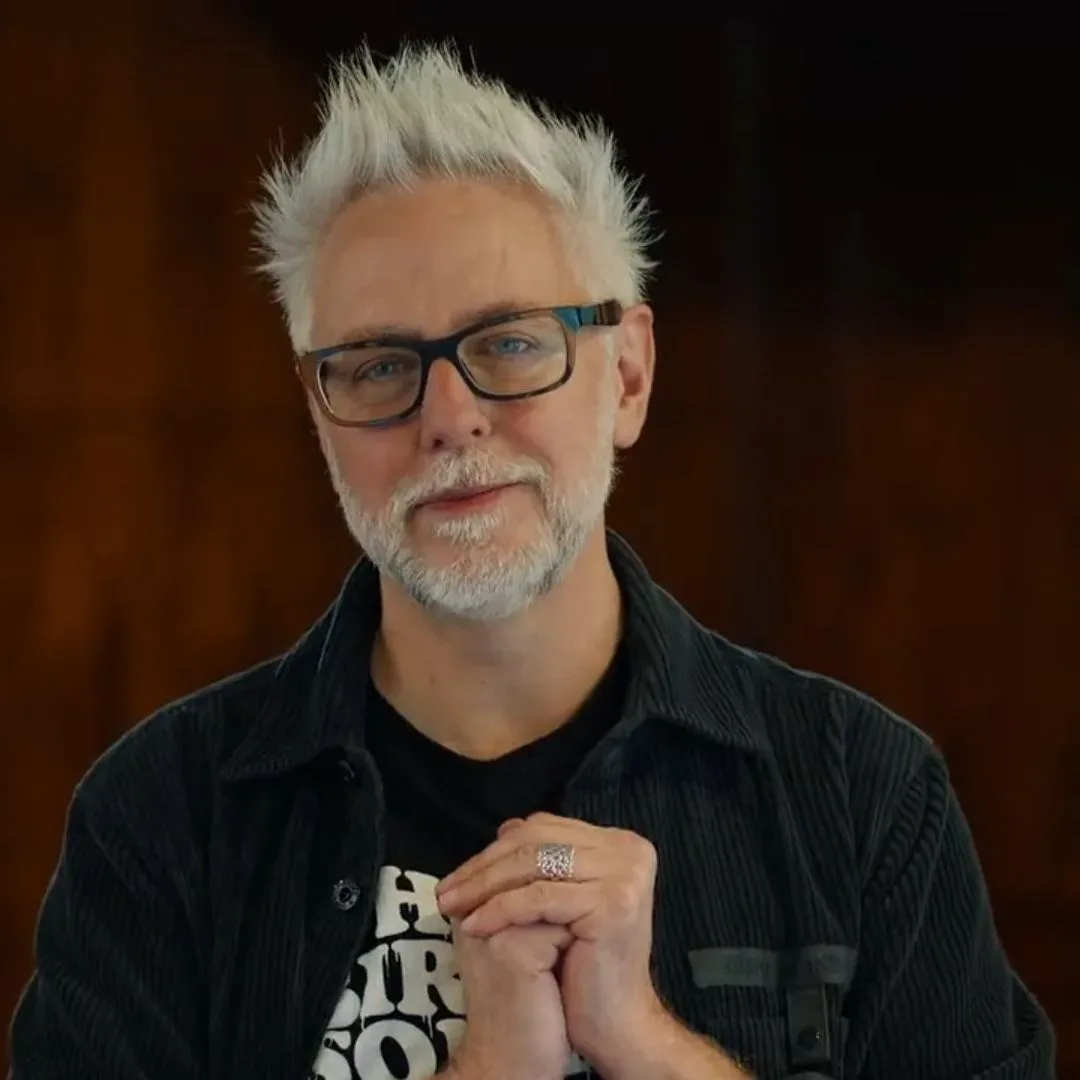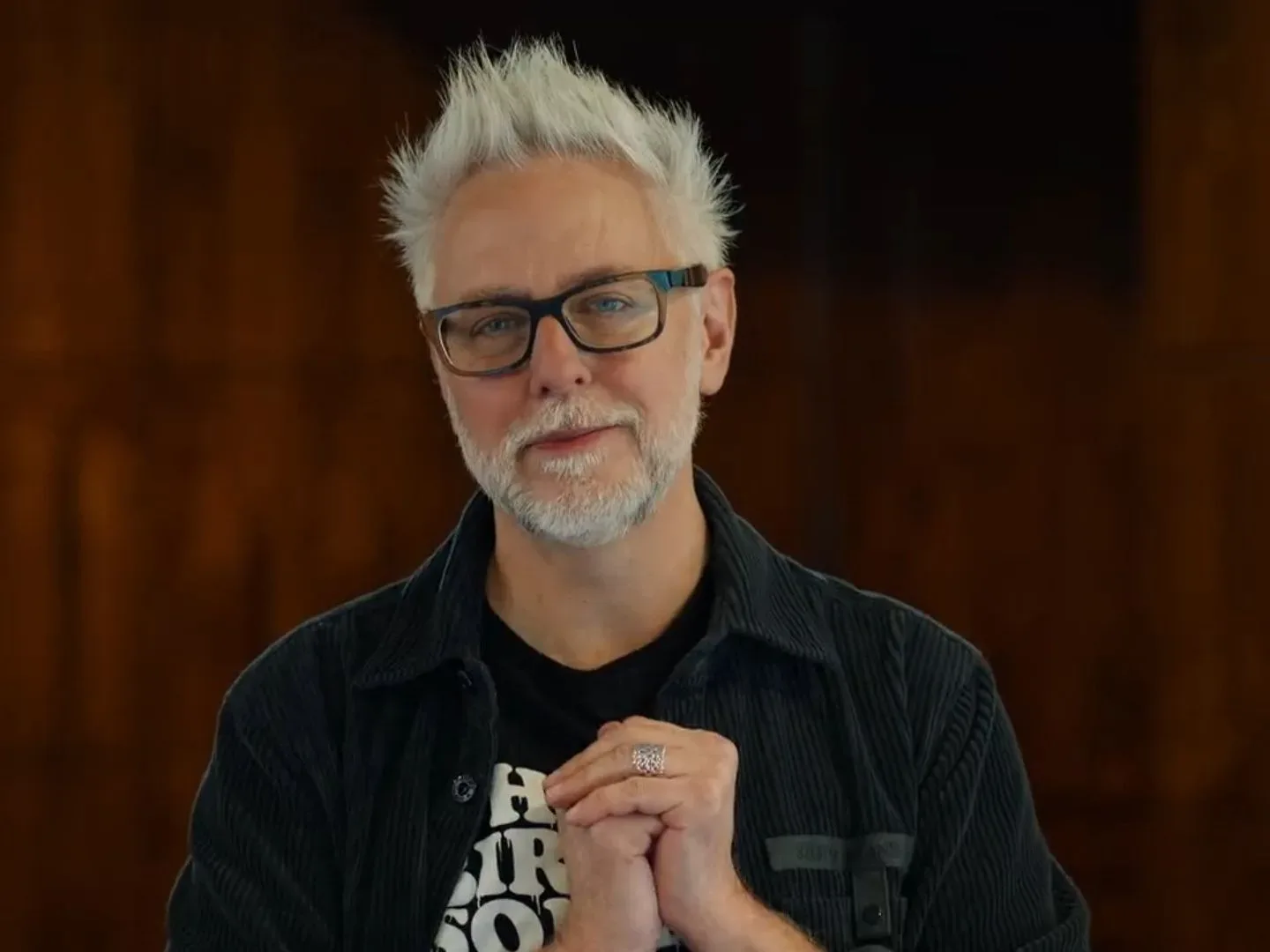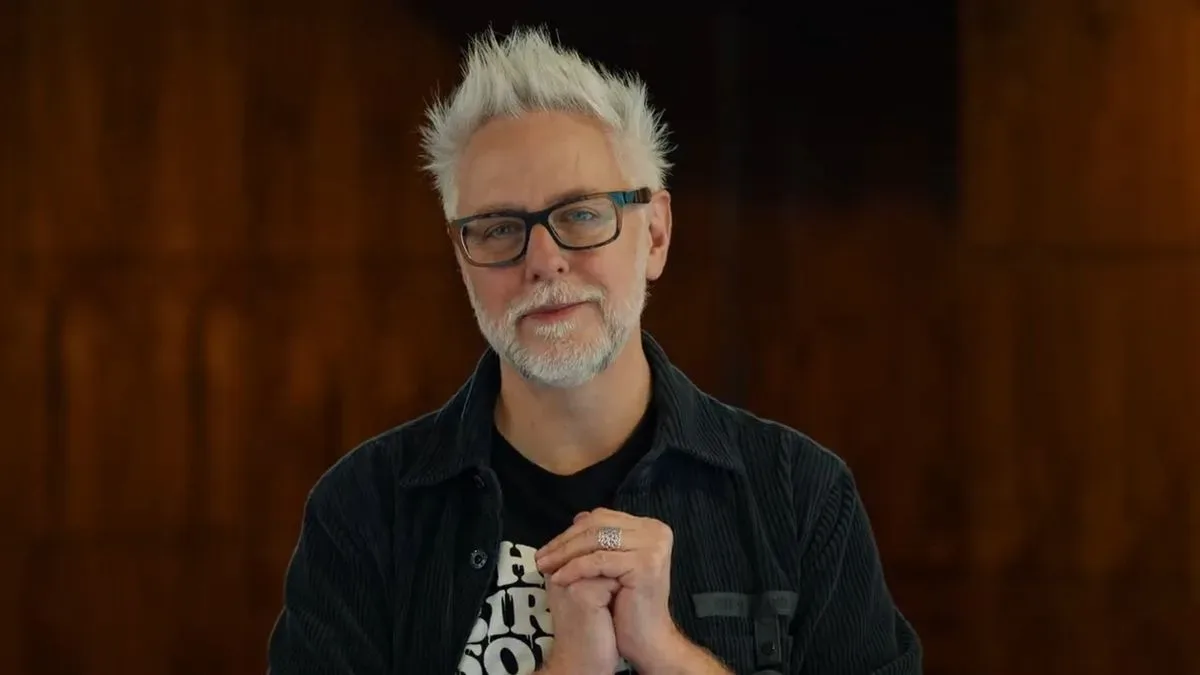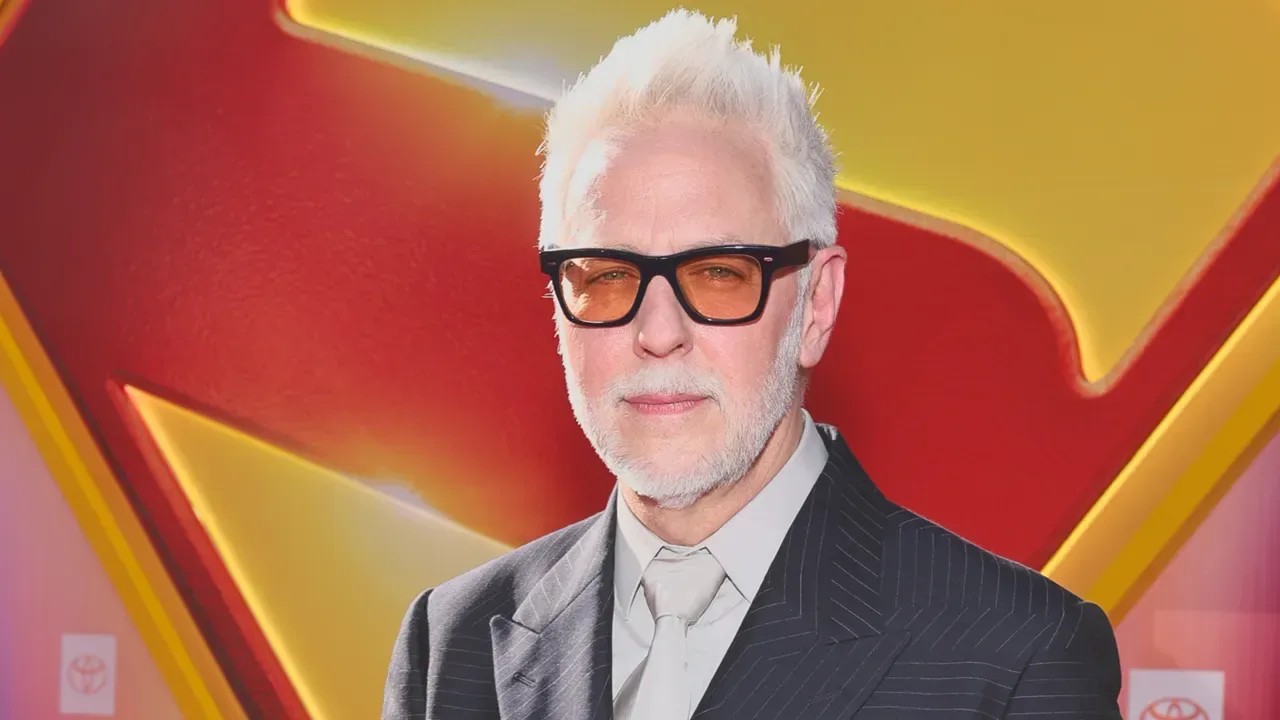
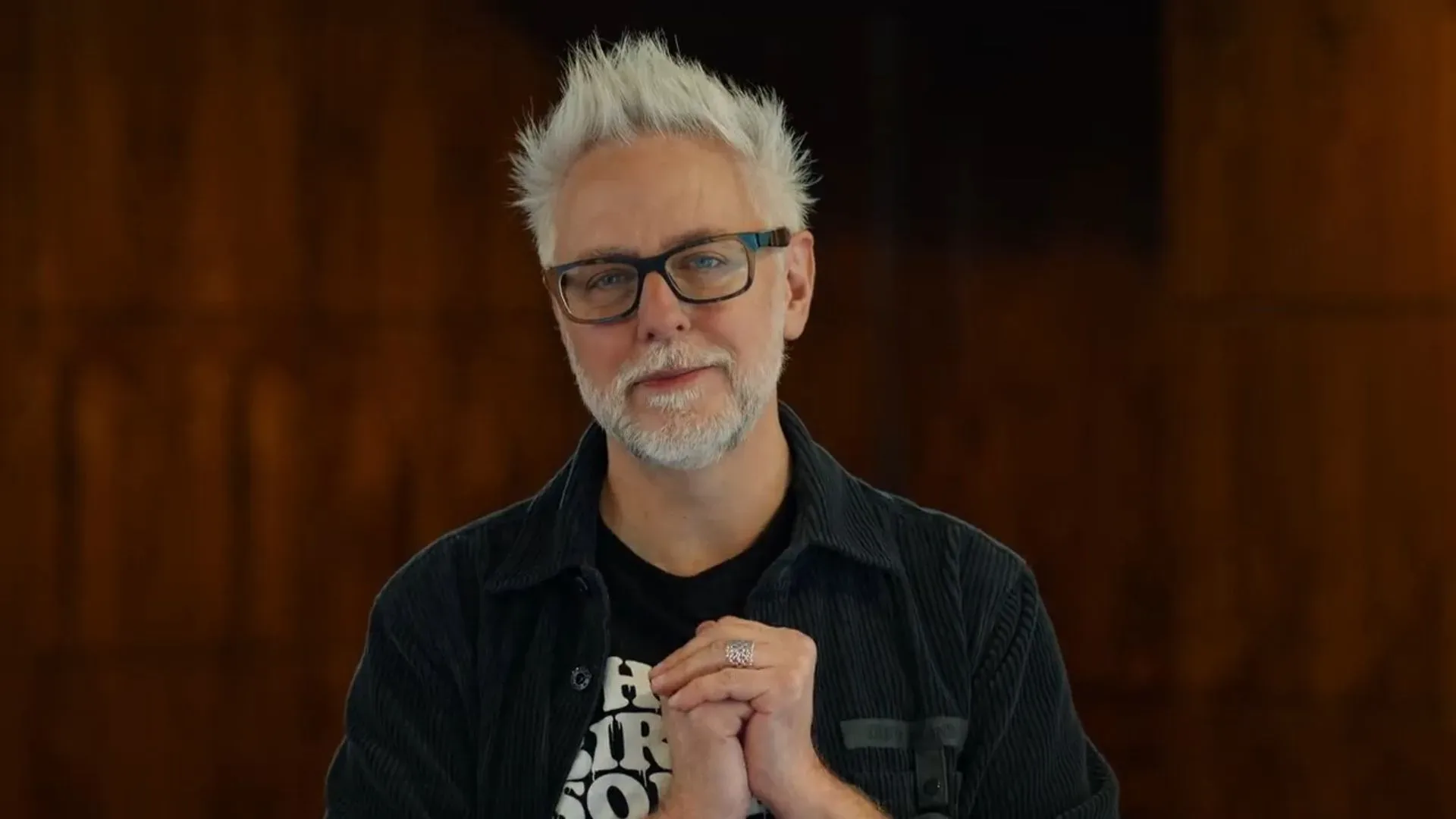
James Gunn has spoken at length after confirmation that he and Peter Safran will no longer lead DC Studios. His message is not a clean break from the superhero publisher’s screen future, but it does make one thing especially clear: Gunn is eager to trade executive duties for filmmaking.
Gunn said he is “incredibly relieved” and excited to return to what he called “pure filmmaking.” He also said he will miss the people around him and the responsibility of helping care for DC’s characters. Most importantly for audiences following the current shared universe, he said that “the characters we set up will live on.”
Former Marvel Studios executive Jeremy Latcham is set to replace Gunn and Safran, with the change effective December 1. The leadership transition arrives after four years in which the pair oversaw a mixture of films and television series, while also developing a slate that still includes major projects.
Gunn’s message frames the change as a creative reset
Gunn’s statement looks back on both the projects completed during his tenure and the work still ahead. He cited the releases of Superman and Clayface, the making of Peacemaker, reading scripts for The People Vs., and the work on Man of Tomorrow. He described the process on Man of Tomorrow as the best filmmaking experience of his life so far.
That praise is paired with an unusually direct account of the strain inherent in his former job. Gunn said he disliked the corporate elements of studio leadership and found it difficult to divide his time between projects he felt intensely passionate about, projects he was less invested in, and the broader responsibilities required of a studio head.
“I will miss the people around me, and I will miss being the co-caretaker of these great characters, but I'm also incredibly relieved and excited to get back to pure filmmaking.”
The distinction matters. A studio co-CEO is not simply a producer or director attached to one title. The role requires attention across a portfolio: films, series, creative development, priorities for characters, and the decisions that determine which projects advance. Gunn’s comments suggest that the breadth of that work, rather than a loss of interest in DC itself, was a central frustration for him.
His stated desire to focus on filmmaking therefore should not automatically be read as an exit from superhero storytelling. Gunn said Man of Tomorrow remains on the way, and added that he and Safran have been engaged on another DC project that Gunn is writing. He did not identify that project or say how far its development has progressed.
What remains on DC’s announced slate
Man of Tomorrow is scheduled for theatrical release on July 9, 2027. Gunn’s comments place it at the center of his immediate creative future at DC, even though he will no longer occupy the top leadership post.
Other announced projects include The People V Gorilla Grodd, Creature Commandos season 2, and The Batman: Part II. The latter belongs to Matt Reeves’ Elseworlds corner of DC rather than the DCU proper.
That terminology is worth clarifying. The DCU refers to the interconnected continuity established under Gunn and Safran’s stewardship. “Elseworlds” is the label used for DC stories outside that central continuity. As presented here, Reeves’ Batman remains separate from the DCU, and the DCU has not yet cast its own Batman.
The difference is more than branding. An interconnected universe benefits from continuity between its characters and projects, while an Elseworlds production can operate independently of those story commitments. Gunn’s assurance that previously established characters will continue suggests continuity remains an intention after the executive switch. It does not, however, supply a project-by-project roadmap, casting update, or confirmation of how the new leadership will handle every existing plan.
That uncertainty is normal during a leadership transition, but it will make future official details especially important. Fans can reasonably separate two points: projects and characters have been established under the departing leadership, while the precise strategy of the incoming leadership has not been set out here.
The record under Gunn and Safran
Gunn and Safran were appointed in 2022. Over the following four years, their DC Studios era produced three movies: Superman, Supergirl, and Clayface. Four television shows also arrived in that period: Creature Commandos, Peacemaker season 2, The Penguin, and Lanterns.
That range illustrates the scale of the job Gunn described. The slate encompasses established superhero names, a Batman-adjacent crime drama, animation, television continuations, and stranger comic-book concepts. It is an approach that leaves room for material beyond a narrow list of marquee heroes, though it also makes coordination more complicated.
The company’s wider catalogue remains built on characters with very different tones and audience expectations. The challenge for any DC leadership team is not merely selecting recognisable names; it is deciding whether each work belongs to the central DCU, an alternate continuity, or a distinct creative lane. That balancing act has implications for writers, directors, cast members, and viewers trying to understand what connects to what.
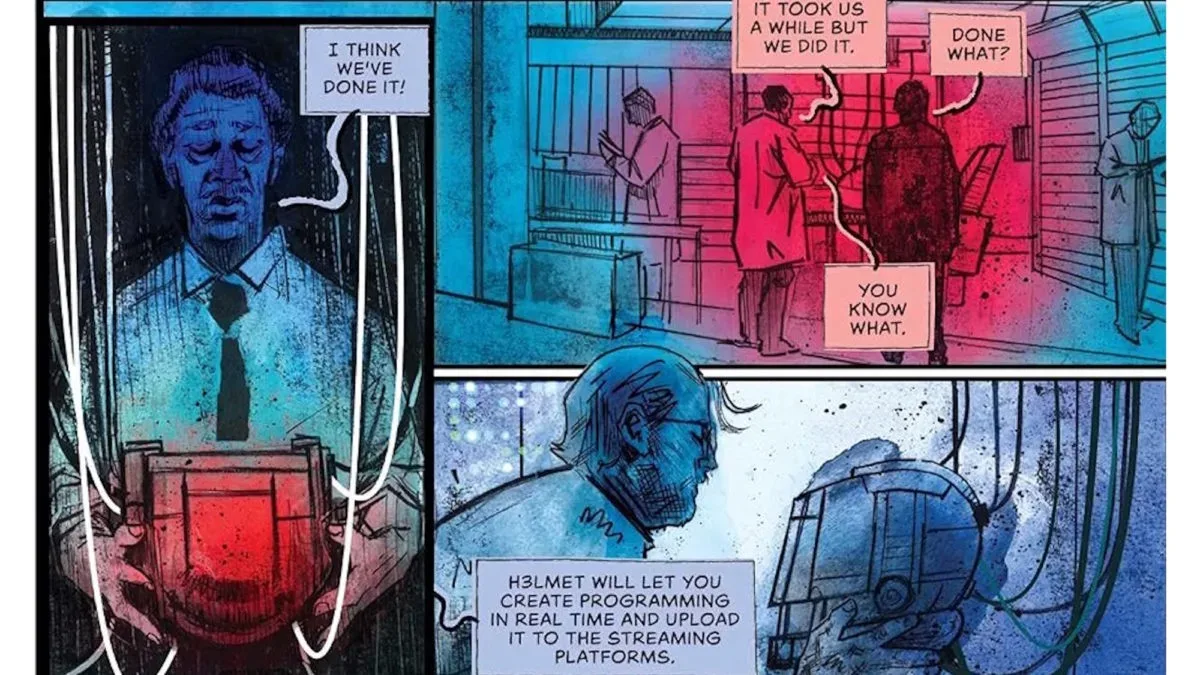
DC’s screen decisions also sit alongside a much larger culture of comics and adaptations. For a separate example of how new comic properties continue to be developed beyond the superhero blockbuster lane, readers can see this look at an upcoming Image Comics sci-fi thriller.
What is known about the corporate transition—and what is not
The change follows the Skydance merger, which puts Paramount in control of Warner Bros. and its holdings. That context provides a clear corporate backdrop for a change at DC Studios, but Gunn’s statement does not assign a specific cause to his departure, and no detailed creative mandate for Latcham has been outlined here.
It is tempting to treat any studio leadership change as proof that a particular group of characters, tones, or projects has been rejected. The available information does not establish that. DC’s forthcoming slate still contains a broad mix of material, and Gunn explicitly says the characters introduced during the current era will remain alive within the company’s plans.
There are nevertheless concrete questions that the handover leaves open. Will Latcham preserve the same balance of large-scale heroes and unconventional concepts? Which announced titles will keep their current creative direction? How will the DCU’s eventual Batman be introduced, given that Reeves’ Batman remains outside it? And what place will Gunn and Safran have in DC after their executive roles end?
For now, Gunn has supplied only a limited answer to the final question: they are not immediately done with DC or superhero work. Man of Tomorrow is still coming, another DC project is being written by Gunn, and the characters already established are intended to continue. Those are meaningful commitments, but they are not the same as a complete post-transition slate.
Why Gunn’s wording matters for viewers
Gunn’s statement is notable because it acknowledges two realities that are often flattened into one. He clearly values the creative work and the people involved with DC. At the same time, he found the administrative and corporate demands of overseeing a studio difficult. Those positions can coexist: enthusiasm for a fictional universe does not necessarily mean enthusiasm for managing every institutional process around it.
For viewers, the practical takeaway is measured rather than dramatic. The announced projects have not been erased by Gunn’s comments. Man of Tomorrow has a stated release date, Gunn says he is still writing another DC project, and established characters are expected to carry forward. But the arrival of a new studio head means future announcements—not assumptions about what a merger or a leadership swap must mean—will determine the next shape of DC’s film and television output.
Gunn’s own focus, meanwhile, appears set: less time spent dividing attention across a corporate slate, and more time spent making the projects he most wants to make.