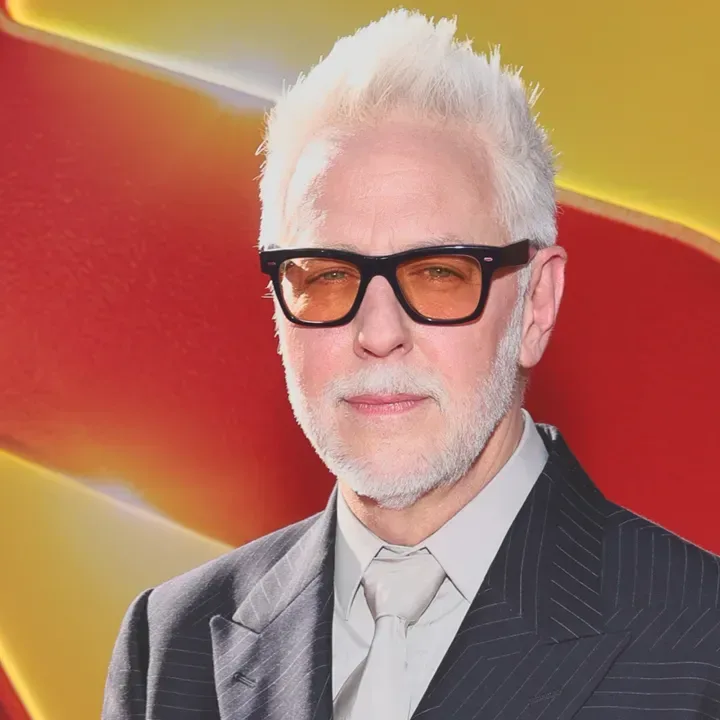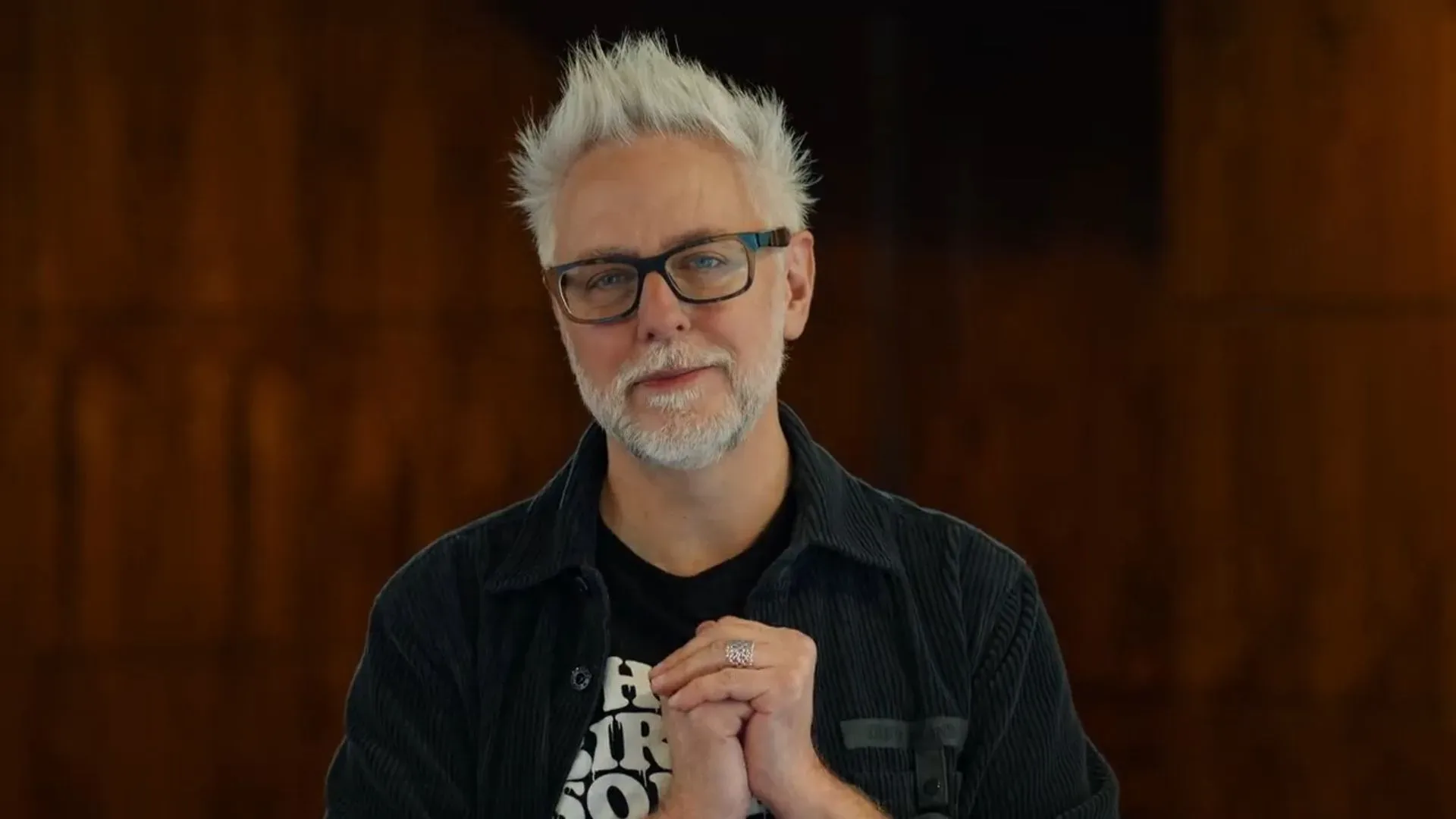
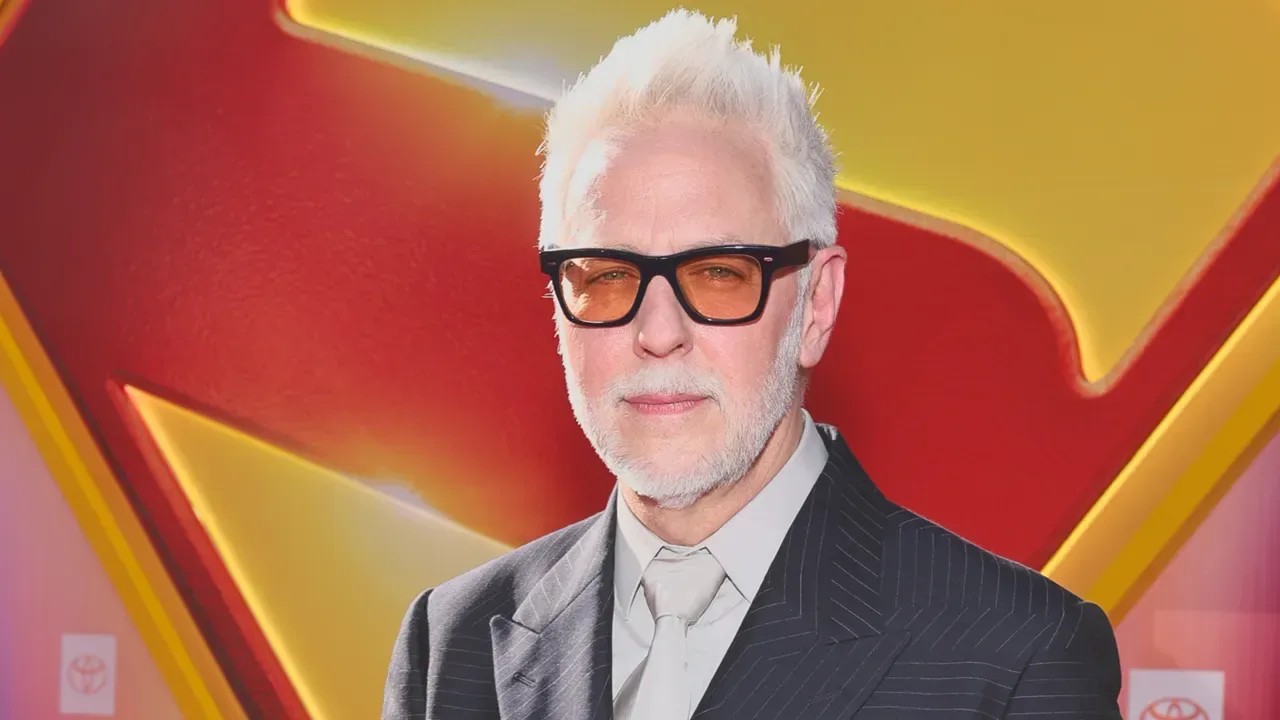
James Gunn has addressed the abrupt news that he and Peter Safran will step down as co-chairmen of DC Studios, writing that the four-year job delivered creative highs but became personally and professionally exhausting.
Gunn and Safran are expected to vacate their leadership positions beginning December 1. Former Marvel executive Jeremy Latcham is set to take over, while Gunn and Safran will retain creative involvement in at least some near-term DC work. That distinction matters: this is a leadership transition, not an immediate, total departure from superhero projects.
In a long message to fans, Gunn described being grateful for the chance to steward DC characters but said the demands of being a studio head eventually pulled him away from the focused filmmaking work he misses. He also credited Safran with carrying a substantial share of the corporate side of their partnership.
“I’m glad I took the job,” Gunn wrote, after recalling that he had drawn comics as a child and mixed DC characters with his own creations. For him, access to those characters represented an unusual creative opportunity—even if the work ultimately had a cost.
A studio-head role is bigger than making a movie
Gunn’s explanation offers a useful reminder of why an accomplished director or writer may not want to remain an executive indefinitely. A filmmaker is primarily responsible for shaping an individual production: script, casting, shooting, editing, tone, and the thousands of decisions that form a finished movie or series. A studio co-chairman has a much wider remit.
That executive remit can include long-range slate planning, coordinating separate productions, considering budgets and schedules, reviewing projects that may not match one’s own interests, working with corporate leadership, and serving as a public-facing custodian of major intellectual property. The role is not simply “director, but with more superheroes.” It is a management job alongside its creative components.
Gunn said that balance was especially difficult for him. He characterized himself as a hard worker but noted that filmmaking had previously allowed brief breaks between projects. During his DC Studios tenure, he felt that even that recovery time had been taken from him and the people close to him. He specifically apologized to Jennifer Holland, saying she did not need to feel guilty for being happy that he was leaving the job.
He also said his ADHD hyperfocus made it difficult to split attention between work he felt deeply passionate about, work he felt less connected to, and the many ongoing obligations attached to running a studio. That is not presented as a diagnosis of DC’s future or a claim that any one project caused the exit. It is Gunn’s account of the mismatch between a demanding executive role and the kind of concentrated creative process he prefers.
What Gunn and Safran leave behind
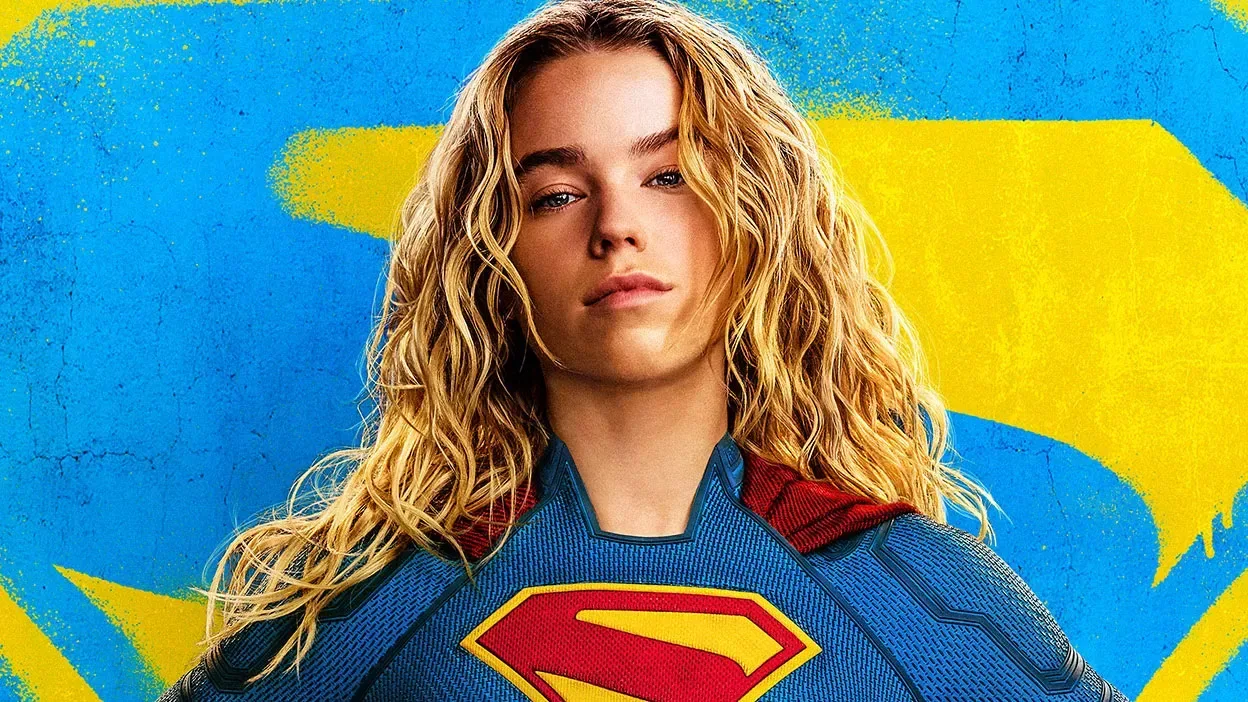
The pair’s time at DC Studios included the launch of the new DCU with Superman, as well as Peacemaker, Lanterns, and Clayface. The response across those projects has not been uniform, but the slate has generated both strong reactions and clear points of discussion among DC viewers.
Clayface, a body-horror project with a comparatively low budget, recently passed $100 million. Gunn also pointed to the release of Superman, the process behind Man of Tomorrow, and reading scripts for The People v. Gorilla Grodd as meaningful moments from his tenure.
He called the work on Man of Tomorrow the best filmmaking experience of his life so far. That is significant because it suggests his enthusiasm for making DC stories remains intact, even if the executive position does not.
Gunn said he would miss both the people around him and the responsibility of being a co-caretaker for the characters. At the same time, he said he felt “incredibly relieved” and excited to return to “pure filmmaking.” His message was appreciative rather than combative, emphasizing the DC Studios staff, collaborators, casts, crews, and fans.
For more on Gunn’s own description of the decision, see his comments on being relieved to leave DC Studios leadership while promising the characters will continue.
What remains in motion—and what does not yet have an answer
Gunn made clear that he and Safran are not immediately finished with DC. He said Man of Tomorrow remains ahead and that the pair have also been engaged on another DC project that Gunn is writing. He did not identify that project or offer additional specifics, saying only that its eventual direction remains to be seen.
There are still major questions surrounding the broader DC slate. The People v. Gorilla Grodd remains in the works, while the next appearances for several cornerstone characters are less clear. There has been no official sign of a new Wonder Woman project despite continued speculation, and DC Studios has not provided a clear update on its next new Batman.
Separately, The Batman Part 2 continues toward its stated February 18, 2028 release date. Its continued movement is an important practical point for audiences: changes within studio leadership do not automatically mean every existing production stops or is replaced. But executive changes can affect priorities, oversight, and how future announcements are framed, particularly for a shared universe with unfinished plans.
The DCU continuity question
“DCU” refers to DC’s interconnected live-action universe: a set of stories designed to share characters, events, or an overall continuity. This model can reward patience when it works, since one project may introduce threads picked up by another. It also makes leadership changes more sensitive than they might be for isolated films, because fans naturally wonder whether character plans, creative teams, and release strategies will be preserved.
Gunn attempted to answer at least one part of that concern. He said that the characters introduced during his and Safran’s period will continue. That is a broad assurance, not a detailed production roadmap. It does not confirm casting, release dates, plot direction, or which announced projects will be prioritized by the incoming leadership.
Likewise, the exact reasons for the transition have not been explained in full. Gunn’s statement focuses on the toll the job took on him and his desire to return to filmmaking. It does not provide a comprehensive account of the corporate decision-making behind the change, and it would be premature to treat online speculation as confirmation of a specific cause.
Why the transition lands differently for fans
The suddenness of the news is likely to intensify scrutiny of every DC title still on the board. Viewers who enjoyed the initial direction may see Gunn and Safran’s departure as a threat to continuity. Others may regard new leadership as a chance to reconsider aspects of the slate they disliked. Both reactions are understandable, but neither establishes what Latcham’s tenure will actually look like.
The near-term facts are narrower. Gunn and Safran remain connected to selected projects. Man of Tomorrow is still part of their creative work. Another Gunn-written DC project has been mentioned without details. The characters already introduced are intended to remain. And a new leadership structure begins in December.
That leaves the DCU in a transitional moment rather than a fully defined new era. Gunn’s letter does not read like someone renouncing the material he worked on; it reads like someone who values the characters and collaborators but no longer wants the all-consuming responsibility of overseeing a studio. For DC fans, the next meaningful signals will come from concrete project updates—not assumptions made in the hours after a leadership shake-up.