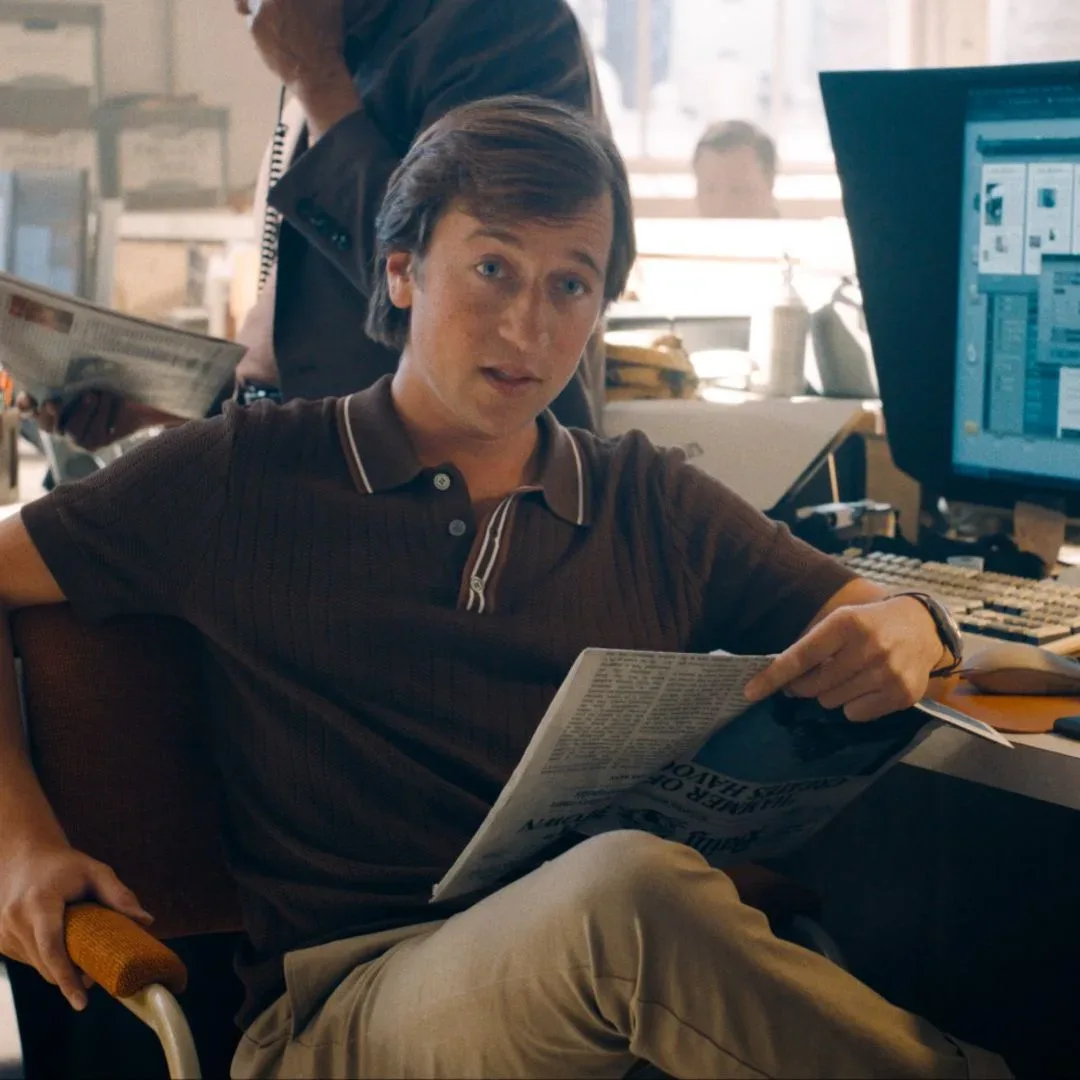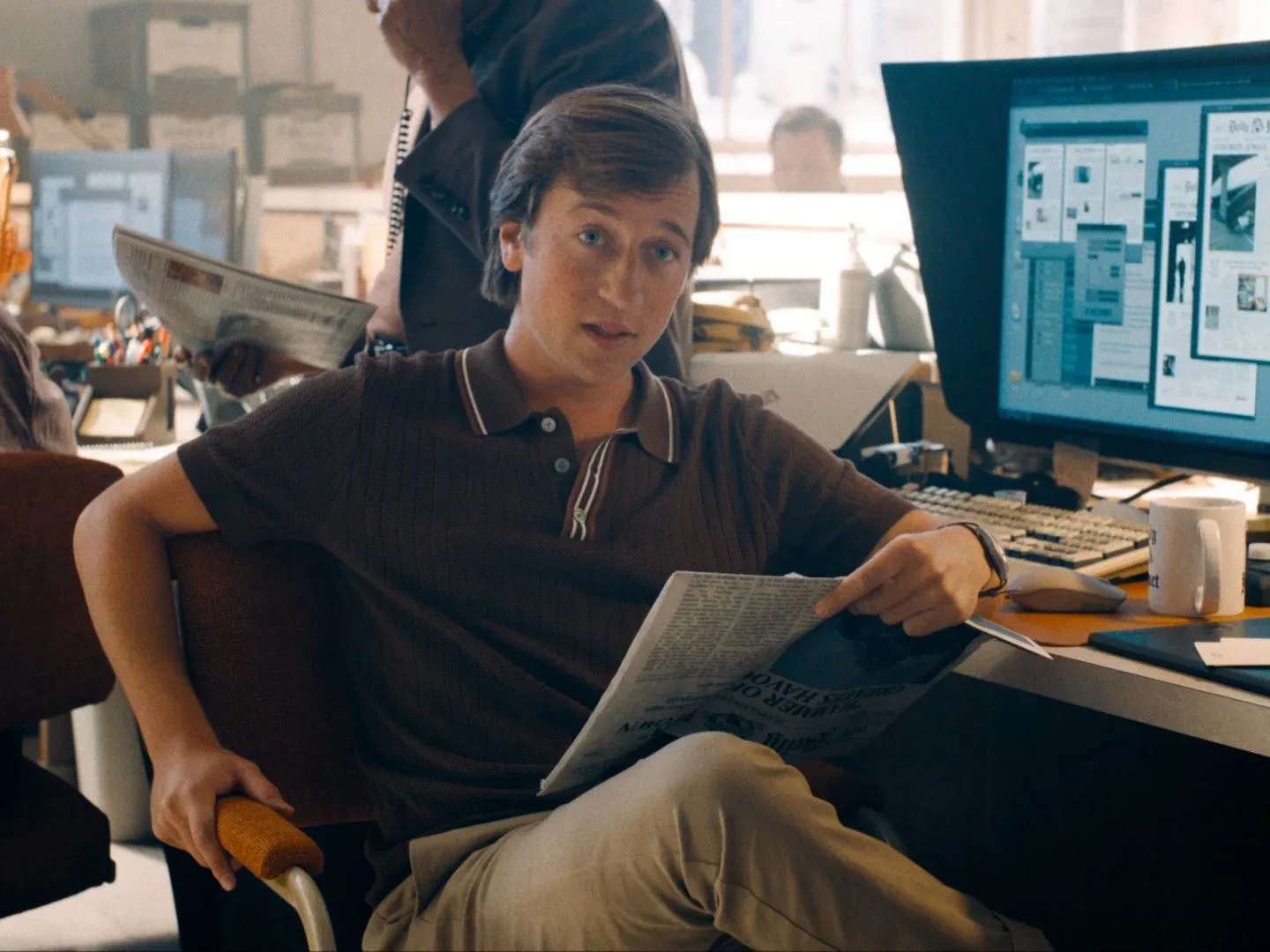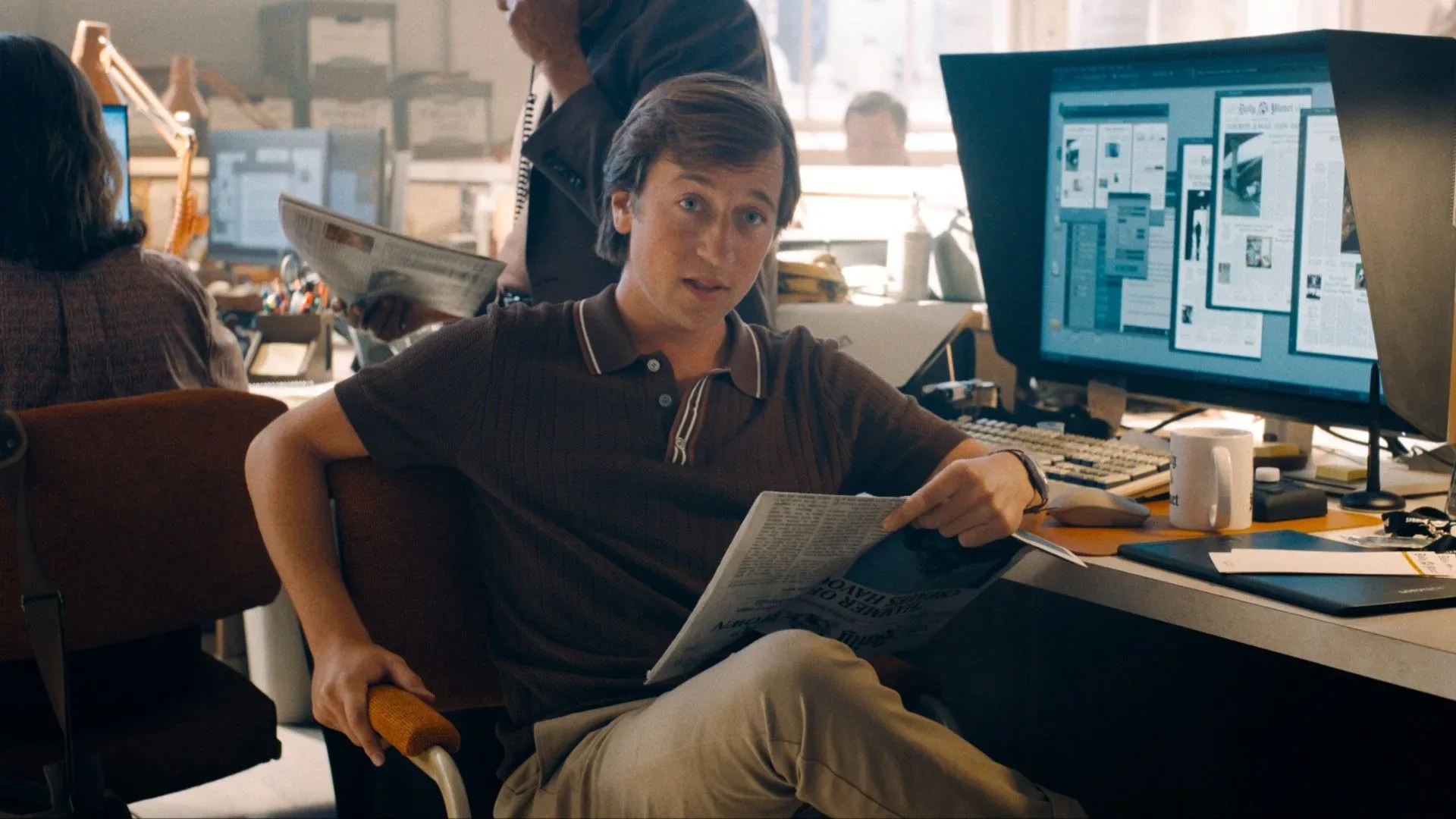
DC’s next Jimmy Olsen story is not positioning the photographer beside a cape, a cosmic beam or an emergency evacuation route. Instead, The People v. Gorilla Grodd is being made as a true-crime mockumentary set within the DC world, with Skyler Gisondo returning as Jimmy Olsen.
Gisondo has described the series as an unusually fresh take on superhero material, emphasizing both its mockumentary premise and the way it is being shot. The first season focuses on Gorilla Grodd, placing one of DC’s more inherently improbable figures at the center of what appears designed to resemble a serious criminal-case documentary.
That contrast is the pitch’s main source of intrigue: a genre frequently built around extraordinary spectacle is being filtered through the language of courthouse coverage, observational footage and investigations. The title also frames the show around a legal proceeding rather than a conventional heroic mission. It is a meaningful shift in perspective for a universe where public-facing chaos is often the backdrop, rather than the subject under examination.
A superhero story framed as true crime
A mockumentary is a fictional work presented with the stylistic devices associated with nonfiction documentaries. That can include interviews, supposedly archival material, surveillance-style images, observational camera work and a structure built around collecting testimony or evidence. “True crime” narrows that framework further: the program’s fictional world treats a crime, investigation or trial with the gravity and procedural attention audiences associate with documentary coverage of real cases.
For The People v. Gorilla Grodd, that format creates an obvious comic tension. Gorilla Grodd is an ape in a DC setting, and the series is asking its audience to entertain a case concerning him through a sober, detail-conscious media lens. The creative opportunity is not merely that the show can make jokes about its extraordinary subject. It can explore how institutions and ordinary observers might react when the unbelievable has become part of their world.
Gisondo called the idea of a mockumentary in a superhero setting something he had not encountered before. He also praised creators Tony Yacenda and Dan Perrault, whose prior work includes American Vandal. That connection helps clarify the intended mode without promising that the new series will simply repeat an earlier formula: the important common ground is a deadpan, documentary-shaped approach to fictional events.
In a superhero universe, the documentary format can make the margins feel especially useful. Instead of following only the person throwing the final punch, it has room for witnesses, court staff, investigators, reporters and footage captured by impersonal systems. Jimmy Olsen is a natural figure through whom to approach that territory. He is closely connected to superhero events, but his identity as a photographer also makes observation and documentation central to his role.
Why Gisondo compares the production to a play
Gisondo’s comments point to a production method that may be as important as the premise. He said the series incorporates substantial verité material and cited courthouse sequences filmed solely through CCTV cameras.
Verité, often used as shorthand for cinema verité or observational filmmaking, describes an approach meant to create a feeling of immediacy: the audience is placed close to unfolding action rather than being guided through a highly polished, obviously staged presentation. In this case, the term does not mean the show is nonfiction. The series remains a fictional mockumentary. It means the filmmakers are using techniques that can make events seem less choreographed and more discovered in the moment.
CCTV is similarly significant as more than a visual gimmick. Closed-circuit television footage normally offers a fixed, detached angle. It suggests evidence, institutional record-keeping and a camera that does not know where the “important” action will occur. A scene played through that perspective has to let performers create momentum within a restricted frame. There may be no convenient close-up or traditional cut to rescue a missed beat.
That is why Gisondo said the approach can feel like a play: performers are “running through” scenes, with the camera configuration allowing the action to remain alive rather than repeatedly breaking it into conventional coverage. The comparison should not be read as a claim that the show is literally filmed theatre. Rather, it describes an acting environment where sustained movement, timing and interaction can carry a sequence.
The practical payoff is a possible sense that the audience is watching material collected from the world of the show, not merely observing a standard superhero production from outside it. A courthouse camera may be a particularly fitting vessel for a series called The People v. Gorilla Grodd, since it brings the procedural setting directly into the image itself.
Gorilla Grodd is the first-season subject
The series’ first season is centered on Gorilla Grodd. Images from the set have already circulated online, including images of the ape at college, a detail that signals the show will not be treating its subject as a straightforward monster-of-the-week threat.
There is still a great deal that has not been specified. No release date has been announced. The available information does not establish the exact alleged offense, the full cast, the season’s episode count, how closely the show will connect to other DC projects, or how much of the story will be presented from Jimmy Olsen’s direct perspective. Those gaps matter because true-crime storytelling can take many shapes: a reporter’s investigation, an account of a trial, a retrospective examination of an event, or a combination of all three.
What is clear is the contrast at the heart of the setup. A college-set image of Gorilla Grodd sounds outlandish on its own; placing that image within a faux-serious criminal and documentary framework gives the creative team a way to play the absurdity straight. The joke does not need to be that no one recognizes the absurdity. It can be that the people of this world are trying, with complete professional seriousness, to process it.
That approach could make the show a useful pressure test for DC’s shared-world texture. Superhero settings often establish that astonishing events occur, but spend less time on the paperwork, public narratives and institutional responses left in their wake. A mockumentary courtroom framework is well suited to those questions, even when the primary goal is comedy.
What this could mean for DC’s screen slate
The project arrives amid a broader run of DC screen releases. Clayface is the next DC release mentioned, while Lanterns is releasing episodes weekly. The People v. Gorilla Grodd stands apart from both on the evidence currently available because its defining feature is format rather than a familiar action-driven premise.
That does not make it a rejection of superhero storytelling. It is better understood as a change of lens. The super-powered world remains essential: without it, there is no Gorilla Grodd case to investigate. But the show’s apparent interest lies in what happens when a documentary crew, a courtroom and an eager observer such as Jimmy Olsen confront the aftermath.
For viewers, the most sensible expectation is specificity rather than scale. Gisondo said production is still only a little way along and expressed hope that it comes together well. That candor is worth retaining. The creative vocabulary—mockumentary, true crime, verité and CCTV-shot courthouse sequences—suggests a distinctive series, but it does not reveal the finished tone, plot or final execution.
Still, it is an attention-grabbing proposition precisely because it makes room for a different sort of DC story. A serious-looking investigation into Gorilla Grodd has the potential to be funny, unsettling or both, depending on how far the series pushes its documentary illusion. And by putting Jimmy Olsen back at the center, it offers an angle rooted in looking closely at the spectacle rather than simply rushing toward it.
For more DC-related reading on the site, see our coverage of Absolute Batman #23’s direct-market sales lead.