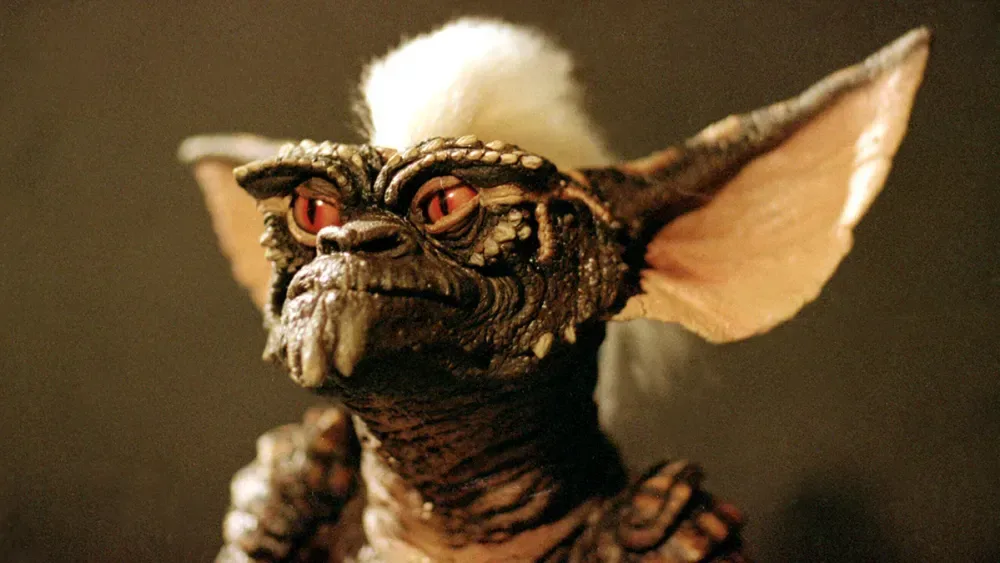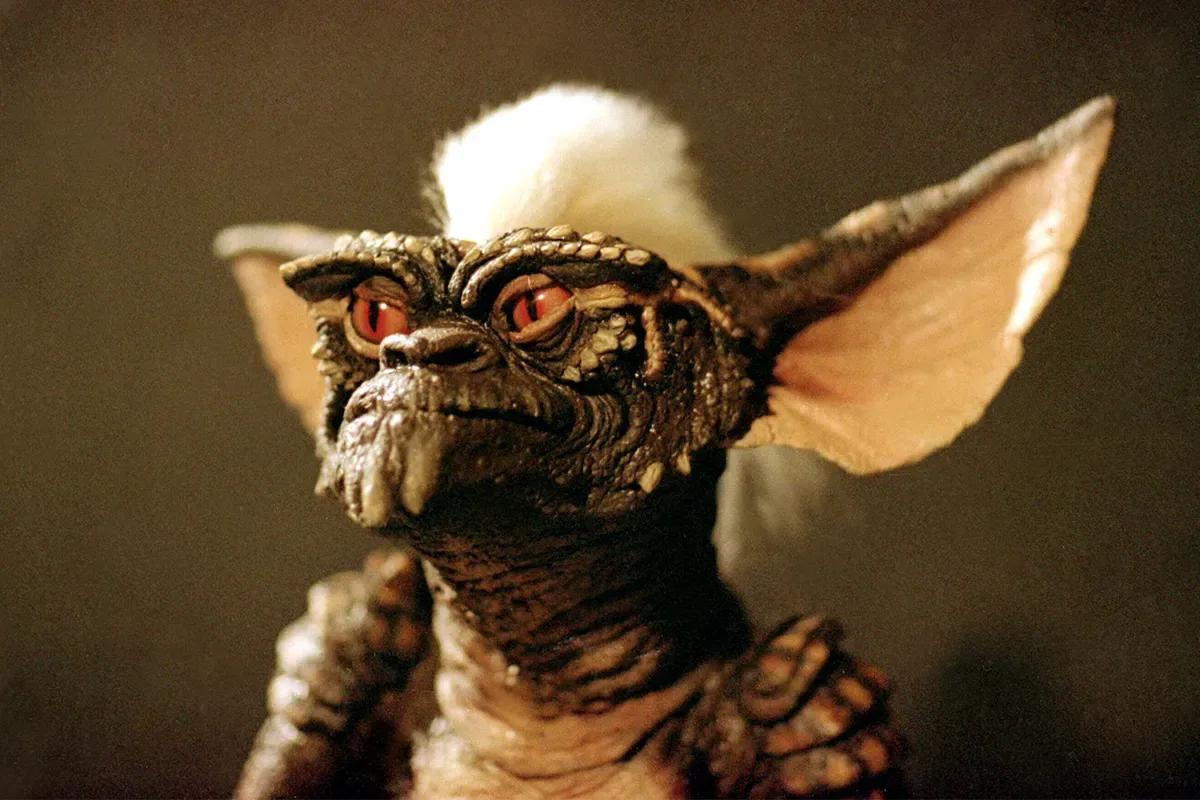
Keep the water away, lock down the midnight snacks, and adjust the calendar: Gremlins 3 is now scheduled for October 6, 2028. Warner Bros. has moved the film from its previously dated November 19, 2027 release, shifting the return of the Mogwai and their far less manageable offspring by nearly 11 months.
The date change is the major update, but it also reinforces how much of the project remains deliberately mysterious. An official title has not been revealed. Neither have plot details nor casting. For now, the clearest confirmed picture is behind the camera: Chris Columbus is set to direct and produce, with Steven Spielberg returning as executive producer.
For fans, that makes the new date less of a clue about the movie’s contents than a reminder that a legacy sequel is still in development. A film arriving decades after its predecessors comes with an unusual balancing act. It needs to recognize what made the original memorable without simply treating its famous rules, creatures and chaos as a checklist.
A separate report on the revised release date is available here.
For more context, explore Meta Plans to Put Its Muse AI Agent on Smart Glasses, Making Errands a Voice Command.
What is confirmed about Gremlins 3
Warner Bros. Discovery chief executive and president David Zaslav first disclosed the project during an investor call in 2025. The creative team has since taken shape, although the on-screen particulars have not.
- Release date: October 6, 2028.
- Previous release date: November 19, 2027.
- Director and producer: Chris Columbus.
- Executive producers: Steven Spielberg and Maiden Voyage’s Eleanor Columbus.
- Screenwriter: Hannah Marks, working from an original draft by Chris Columbus, Zach Lipovsky and Adam Stein.
- Additional producers: Kristie Macosko Krieger and Holly Bario for Amblin Entertainment, plus Michael Barnathan and Mark Radcliffe for 26th Street Pictures.
The distinction between an original draft and the current screenplay matters. In practical terms, it means the story began with a draft by Columbus, Lipovsky and Stein, while Marks is credited with writing the script now attached to the project. That is not, by itself, a reliable indicator of how much the story changed between versions; development credits describe a process, not a scene-by-scene map of the finished movie.
Likewise, the absence of a disclosed cast should not be read as confirmation that any performer from the earlier films is or is not involved. Nothing has been announced on that front. Fans looking for character returns, a new lead, or even confirmation of where the story takes place will have to wait.
Why the calendar move stands out
The old date put the movie close to the holiday period, an especially tidy fit for a franchise whose first entry turned seasonal small-town warmth into a setting for escalating creature-feature disaster. The replacement date arrives in early October instead, a period that naturally emphasizes the series’ horror-comedy side.
That change does not reveal an intended tone, rating, plot point or marketing strategy. A release date is a distribution decision, not a synopsis. Still, the October placement is an easy thematic match for a property built around mischievous monsters, bodily transformation, dark slapstick and rule-breaking that quickly gets out of hand.
There is also a key difference between the franchise’s two existing theatrical films. The 1984 original uses its winter holiday backdrop as part of its identity. The 1990 follow-up, Gremlins 2: The New Batch, is remembered as a cult favorite with a more overtly heightened, self-aware approach. With no story information available for the new installment, it would be premature to claim that it will follow either model. The series has room for both, and the filmmakers have not said which route they are taking.
The rules are simple. The consequences never are.
Joe Dante’s Gremlins introduced audiences to Billy, a young man who receives a Mogwai: a small, furry and initially adorable creature. The premise famously depends on two strict instructions: do not get the Mogwai wet, and never feed it after midnight. Those rules are broken, the creatures multiply, and a holiday-season town becomes the site of a rapidly expanding nightmare with a mischievous comic streak.
That setup remains powerful because it is so easy to understand. The rules are concise, visual and fragile. Their violation immediately creates stakes. In narrative terms, they are not just trivia for fans to recite; they are the engine that changes a pet story into monster mayhem.
The original also occupies a notable place in American film-rating history. It was one of the films associated with the creation of the PG-13 rating, reflecting a tonal space between conventional family entertainment and more explicitly adult fare. That history helps explain why Gremlins has endured as more than a cute-creature movie. Its appeal comes from the collision of sweetness, menace, gross-out transformation and comedy rather than any one of those elements alone.
A franchise with two very different box-office stories
The first film was a major commercial success, earning $212 million worldwide on a budget of roughly $11 million. Those figures demonstrate the scale of the original’s impact: the movie turned a compact, high-concept horror-comedy into a major theatrical hit.
Gremlins 2: The New Batch, released in 1990, earned $41 million during its run. That was a much smaller box-office result, but the sequel is regarded as a cult classic. “Cult classic” is often used loosely, but here it describes a work whose lasting fan enthusiasm and distinctive reputation extend beyond its original commercial performance.
The contrast is useful context for a third theatrical film. Gremlins is not a series defined solely by one uniform tone or a single type of fan attachment. The first movie is a landmark hit with a clear genre hook; the second has a particularly fervent reputation for taking the premise in an unusually wild direction. Any new entry will arrive with both histories hanging over it.
What the confirmed talent suggests—and what it does not
Chris Columbus’s involvement is central. He is returning to the franchise in a directing and producing role, while Spielberg is back as executive producer. Columbus also contributed to the original draft behind the new script. The creative continuity is meaningful because it connects the 2028 film to people who have a direct relationship with the property rather than simply its cultural afterlife.
But continuity behind the scenes should not be confused with a promise of replication. No official details establish whether the new movie is a direct continuation, a fresh starting point, or something that sits between those broad categories. It is also unknown what form the Mogwai and gremlins will take on screen, how closely the movie will resemble the prior films visually, or which elements of the old continuity will matter.
Those unanswered questions are not minor footnotes. They are the core of what audiences will eventually want to know. At present, the responsible takeaway is straightforward: the project has a new release date and a confirmed creative team, but it does not yet have publicly disclosed characters, narrative or casting.
The practical takeaway for Gremlins fans
For anyone tracking the movie, October 6, 2028 is now the date to keep in mind. The former November 2027 slot is no longer current. Until Warner Bros. shares more, claims about returning characters, new Mogwai rules, story direction, a rating or potential merchandise should be treated as speculation rather than news.
There is still plenty that makes the project notable without filling in those blanks. This is a return to a franchise whose 1984 original was both a box-office phenomenon and part of a significant ratings-era shift, followed by a sequel that found a distinctive long-term cult status. The third film has Columbus set to direct, Spielberg attached as executive producer, and Marks writing from a draft created by Columbus, Lipovsky and Stein.
That is a real foundation. It is simply not a finished picture yet. The next meaningful update will be one that adds substance to the date: an official title, cast, premise or first look at how the franchise plans to make audiences wary of water bowls and late-night leftovers all over again.