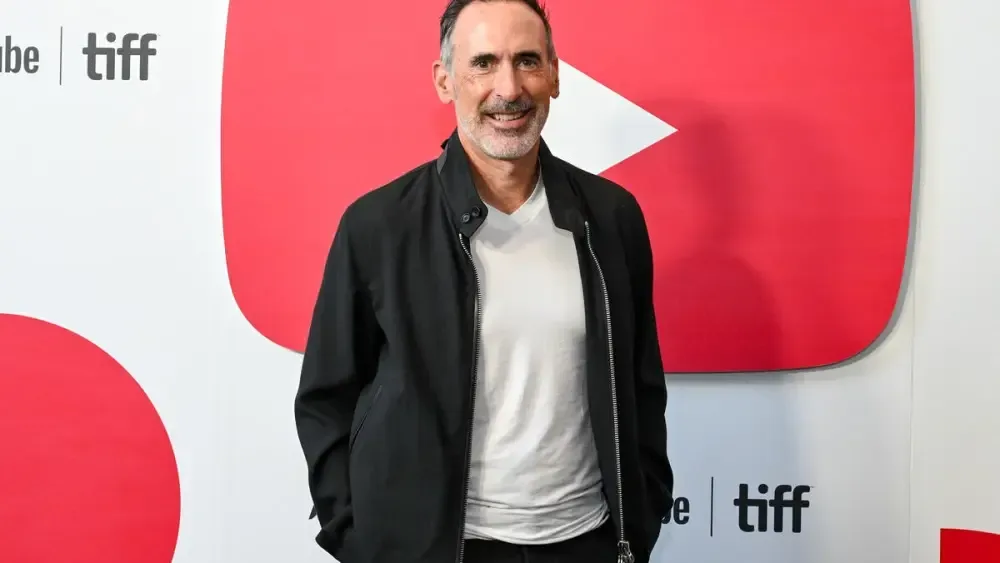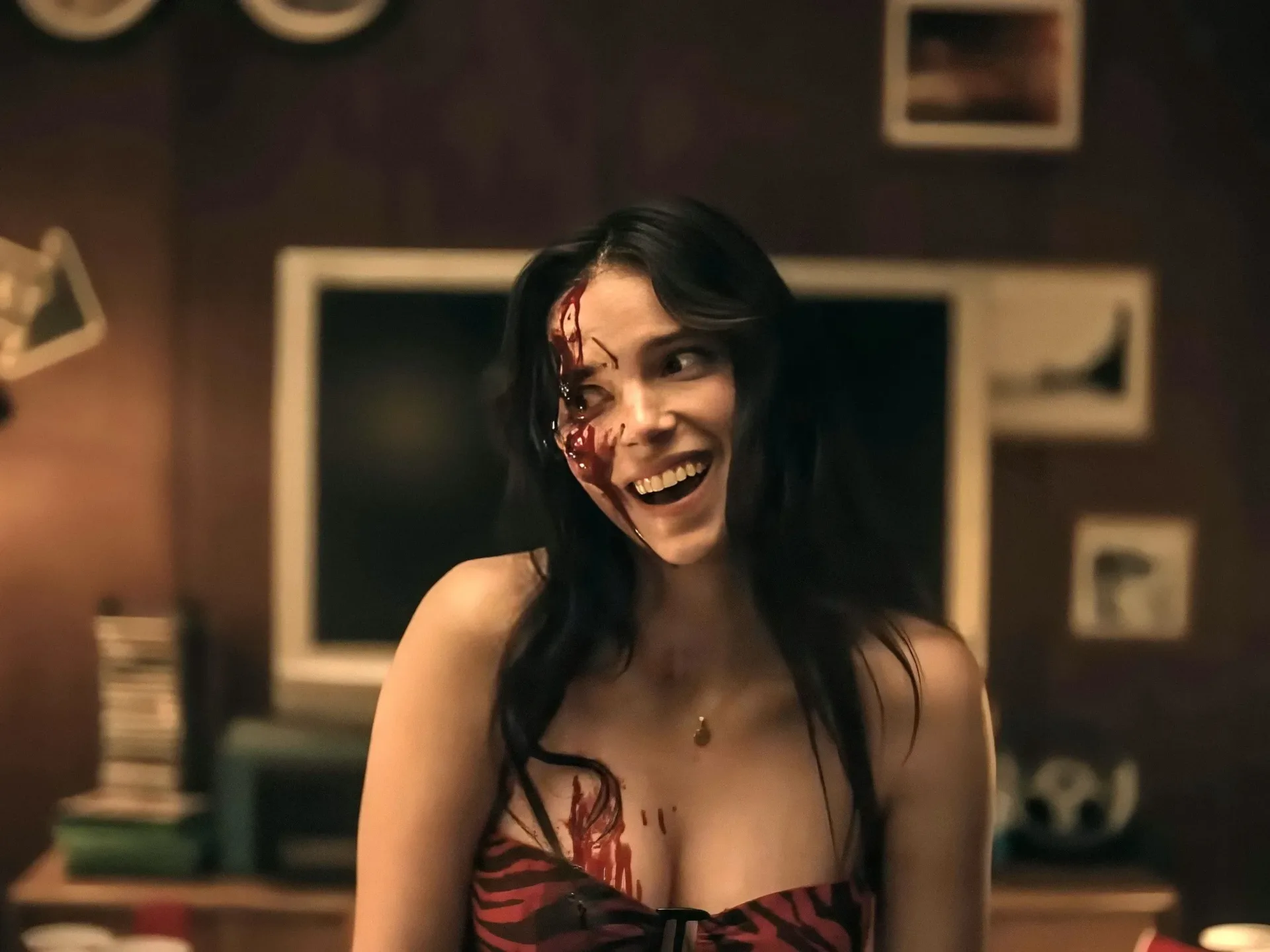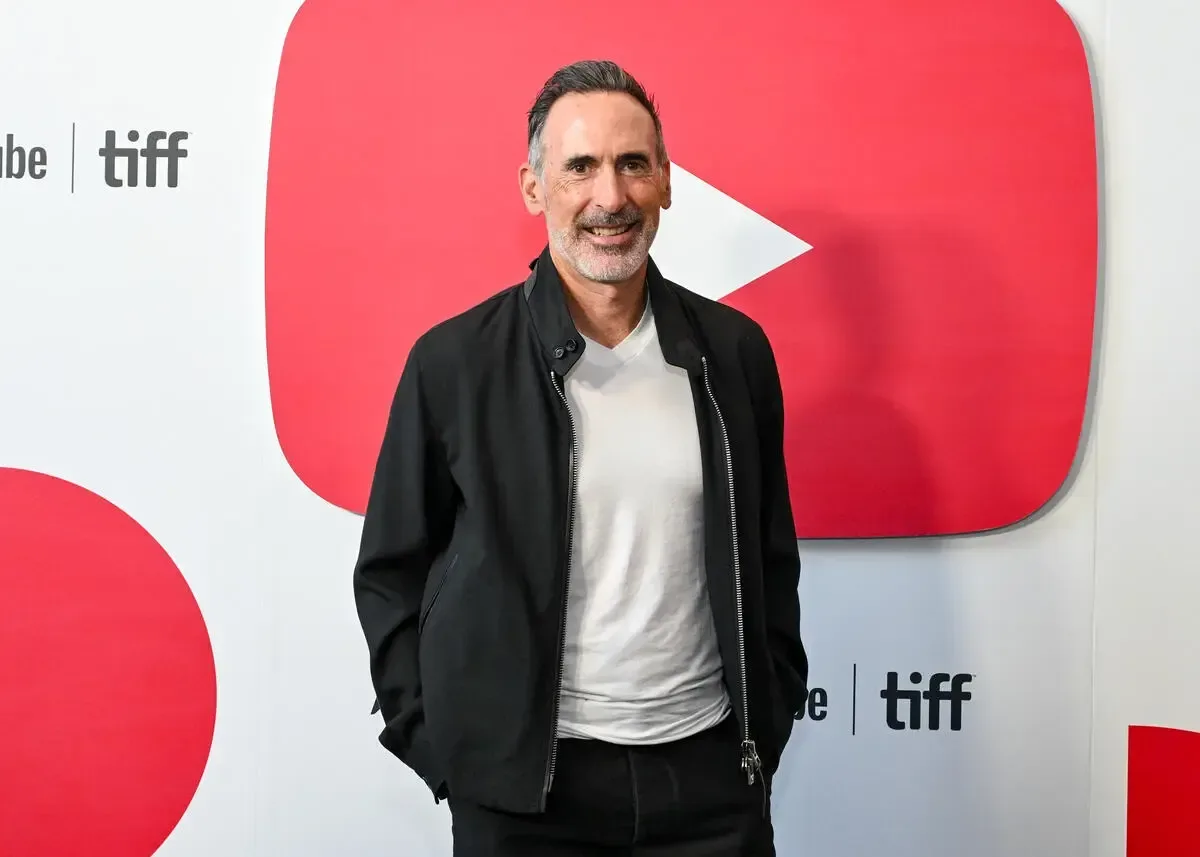
Film festivals have long been treated as gateways: a place where a small movie can find a distributor, an unknown performer can get noticed, and a filmmaker can graduate from promising newcomer to somebody everyone wants in a meeting. At the Toronto International Film Festival, the recent attention around horror title Obsession has added a new route to that familiar story. Its director, Curry Barker, arrived with a foundation built on YouTube, while star Inde Navarrette entered the wider awards conversation. The film sold out at the festival the previous year, and its momentum became a useful, high-profile example of how creator platforms now sit much closer to the traditional entertainment establishment.
That does not mean a viral following automatically produces a festival hit, or that every online creator is secretly a studio-ready auteur waiting for a red carpet. It does mean that the old division between internet entertainment and film-and-television culture is becoming harder to defend. YouTube is increasingly a place where talent develops a voice, tests formats, learns what an audience responds to and builds a community before a conventional gatekeeper enters the picture.
For the advertising business, that shift is not merely a talent-discovery anecdote. It changes the practical question. The conversation is less about whether YouTube can count as a premium entertainment destination, and more about what companies can do when a creator’s work, audience and ongoing programming are connected. Sean Downey, Google’s ad sales and partnerships leader for the Americas, described the appeal in terms of attention, communities and authentic interest-led viewing. The key distinction is that advertisers are pursuing a relationship with a creator-led world, rather than treating a personality as a temporary face attached to a product.
Why a creator breakthrough matters beyond one movie
Obsession is notable because it gives this transition an easy-to-understand public case study. A creator known for work on YouTube can direct a horror independent film that becomes a festival draw, while an actor in that film earns heightened awards attention. TIFF also put Barker and Navarrette onstage for a keynote discussion, placing their project in the kind of formal festival setting once seen as distinctly separate from the creator economy.
That visibility matters for studios and streaming services hunting for fresh filmmakers. Creators often arrive with qualities that are valuable even before a major production begins: an established sensibility, practical experience delivering material regularly, direct evidence that people care about their ideas, and an understanding of the feedback loop between programming and audience. None of that replaces the craft, financing, collaboration and risk involved in a feature film. But it can make a creator more legible to the business side of Hollywood than an unknown hopeful with no visible body of work.
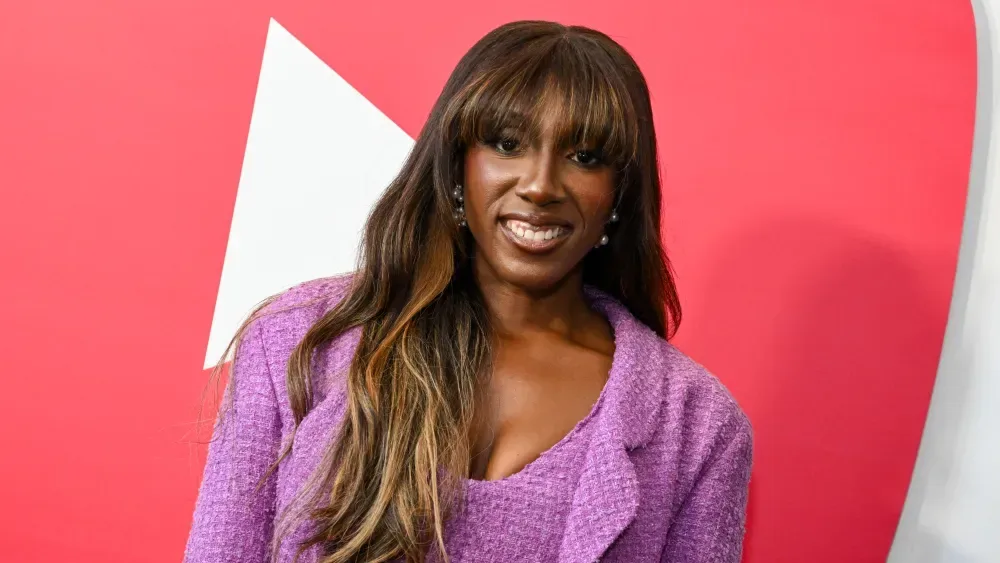
The TIFF setting also reinforces that creators should not be flattened into one generic category. Comedy figure Ziwe and wildlife adventurer Mark Vins appeared at a creator summit held during the festival alongside YouTube. Their work may have little in common with a horror filmmaker’s path, which is exactly the point. “Creator” is not a genre. It is a broad label for people who can gather audiences around formats, interests and recurring perspectives.
Creators are not simply influencers with longer videos
Downey drew a meaningful line between creators and influencers. The difference, in this view, is not a claim that one group is more legitimate than the other. It is about the environment and the kind of relationship a platform enables. A brief sponsored post can work as a moment of attention. A creator whose programming unfolds over time can build a more durable exchange with viewers, including comment-driven ideas, recurring concepts and a shared sense of what the channel is trying to become.
That ongoing interaction is useful to brands because long-term marketing goals usually exceed a one-off endorsement. A company may still want a recognizable spokesperson, but it can also seek a deeper role in content that an established audience has chosen to watch. On a video platform, that role could involve sponsorship, a fit within the story being told, or adjacent programming that reaches people who are already invested in a particular hobby, style or fandom.
The danger, naturally, is trying to force an old advertising template into a new setting. A billboard is static; creator programming depends on tone, credibility and the audience’s willingness to stay engaged. If a promotion feels awkwardly bolted onto a video, the very intimacy that attracted the advertiser can turn into the reason viewers tune out. The apparent opportunity is substantial, but it requires brands to understand the community they are entering rather than treating every channel as an interchangeable ad slot.
This is particularly relevant across entertainment culture, where fan communities are often organized around intensely specific interests. Horror devotees, awards-season followers, music fans, sports audiences and gaming communities do not necessarily want the same thing from a video platform. A campaign aimed at one of those groups has more potential when it respects the format and the people who made that niche valuable in the first place. For another example of how entertainment companies are emphasizing partnership-building around audiences and brands, see EverWonder’s expanded brand-partnership leadership.
The Oscars are a massive test of the “surround” strategy
The biggest looming expression of this thinking is YouTube’s first Academy Awards broadcast, expected in 2029. The show itself is a major live television event, but Downey’s framing looks far beyond the broadcast window. The Oscars generate weeks of predictions, red-carpet discussion, interviews, fashion analysis, campaign chatter, reaction videos and post-show debate. Each layer produces its own mini-community, and a platform built around creators can host material for all of them.
That is what makes the proposed advertising opportunity larger than a conventional commercial package. Rather than buying only placement during the ceremony, advertisers could potentially participate across activity before, during and after the event: content next to awards coverage, creator integrations connected to the occasion and a broader campaign whose videos remain viewable long after the winners have gone home.
Downey compared that broader cultural reach to YouTube’s work around major live events including the NFL, the World Cup and Coachella. His point was that a live event can be far more than its central match, performance or broadcast. It is an ongoing conversation with multiple entry points. YouTube recorded one billion hours of watch time tied to the World Cup, an indication of the scale that can emerge when audiences consume surrounding stories as well as the core event.
The Oscars have an especially strong fit for this model because their ecosystem is already sprawling. There are film enthusiasts following contenders months in advance; casual viewers who arrive for speeches and spectacle; creators explaining each category; viewers tracking the red carpet; and communities arguing over snubs, surprises and which movie deserved the trophy. The central telecast can be the biggest single moment, but it is hardly the only moment where attention exists.
What advertisers may be buying instead of a single night
- Immediate visibility: ad inventory and sponsorship activity attached to the live awards moment.
- Creator relevance: integrations with creators whose audiences are already interested in film, style, celebrity or awards analysis.
- Context: placement beside content that viewers have actively selected, rather than only a broadly scheduled television audience.
- Longevity: videos that can continue attracting views after the event, rather than disappearing once a broadcast break ends.
- Multiple communities: a campaign that can reach different Oscars-adjacent interests without assuming every viewer wants identical coverage.
There is an important qualifier: the 2029 Oscars broadcast is still ahead, and the exact shape of sponsorship packages, creator participation and programming around the event will determine whether this promise becomes a satisfying viewer experience. A gigantic cultural event does not automatically make every surrounding video compelling. It also raises familiar questions about how commercial integration affects editorial independence, creator trust and the feeling of a fan-led discussion.
A platform looking for permanence, not a passing placement
The central business argument is permanence. Television advertisements traditionally exist for a defined moment. Creator-related campaigns can have a longer tail because the programming stays available and can accumulate views. That does not guarantee engagement forever, but it offers a markedly different proposition: the ad buy may continue working as audiences discover, revisit or share the related content.
For YouTube, TIFF’s embrace of Curry Barker and Obsession helps validate the platform as both a launchpad and a destination. For advertisers, the approaching Oscars deal presents a chance to test whether a major awards show can function as an extended digital ecosystem rather than a single evening of commercials. And for viewers, the meaningful measure will be much simpler: whether the added creator coverage produces more interesting stories, sharper commentary and room for communities that were already talking about movies anyway.
The creator economy is not replacing every part of legacy entertainment. Festivals, studios, broadcasters and theatrical releases still bring their own expertise and importance. But the walls are becoming more porous. A sold-out horror film, a YouTube-trained director and a 2029 awards broadcast now belong to the same evolving map of how entertainment is made, found, discussed and funded.