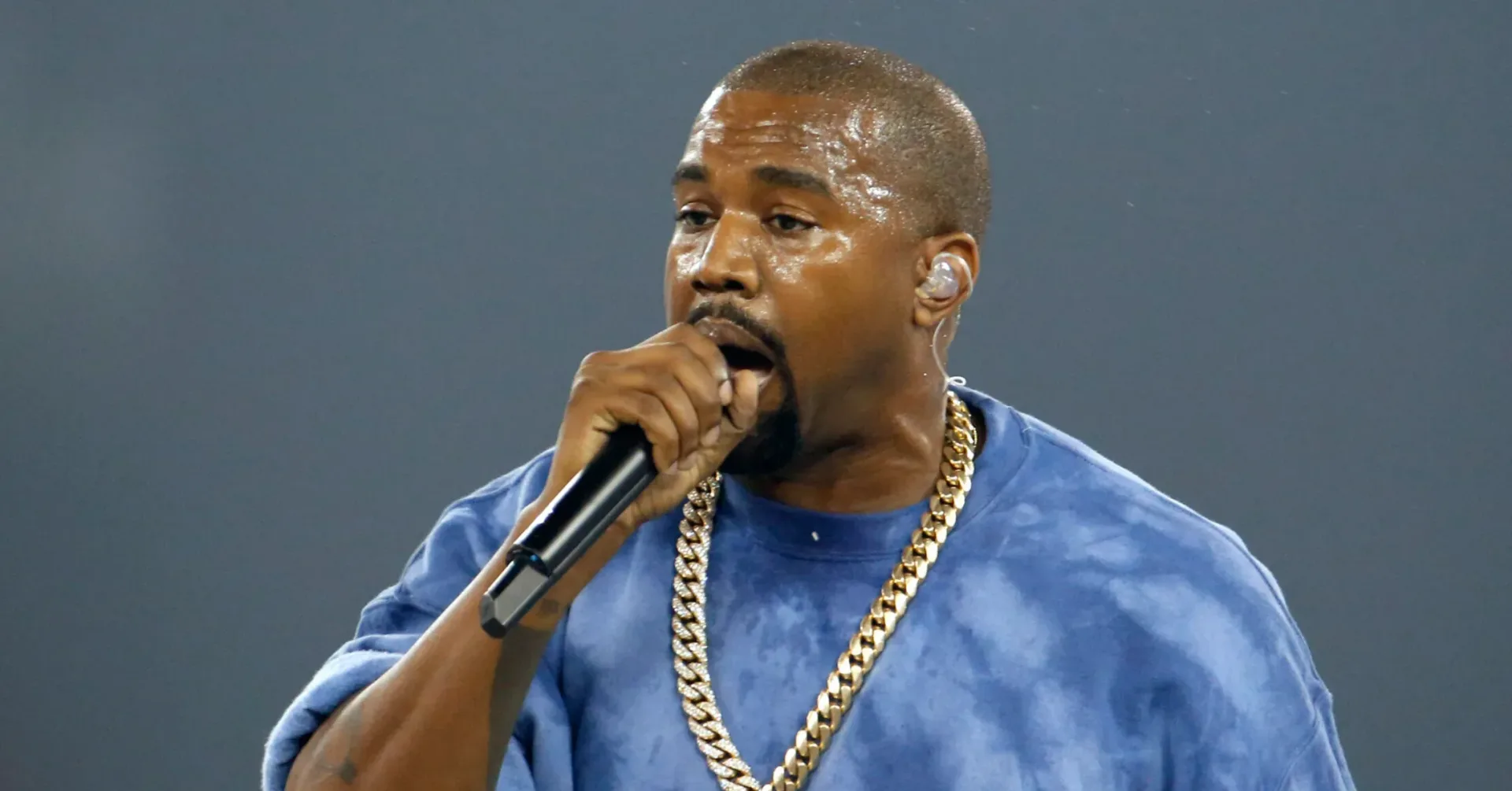
Ye is pursuing a wide-ranging slate of 2027 Grammy consideration with BULLY (DELUXE), placing the album and four songs in categories that extend well beyond rap. The submissions include a bid for Album of the Year—the ceremony’s top general-field album prize—alongside rap, songwriting, performance, visual-art and engineering categories.
That breadth matters, but it is important to draw a firm line between a submission and a nomination. A recording first goes through the Recording Academy’s screening process, where eligibility and appropriate category placement are considered. Only then do voters decide the nominees. First-round voting is scheduled for Oct. 12 through Oct. 22, and the 2027 nominations are due to be revealed on Nov. 16.
The reported entries put BULLY (DELUXE) forward for Best Rap Album and Album of the Year, as well as Best Album Cover and Best Engineered Album, Non-Classical. “FATHER,” featuring Travis Scott, has been entered for Best Rap Song, Song of the Year and Record of the Year. “I CAN’T WAIT,” featuring Ms. Lauryn Hill, is in consideration for Best Melodic Rap Performance; “ALL THE LOVE,” with André Troutman, was entered for Best Pop Duo/Group Performance; and opening track “KING” was submitted for Best Rap Performance.
An album campaign built across several Grammy lanes
The album’s placement in both Best Rap Album and Album of the Year is the clearest illustration of the strategy. Best Rap Album is a genre-specific category. Album of the Year, by contrast, is one of the general-field awards, meaning it is not confined to one genre. A record can be entered into both kinds of lanes, but category placement and eventual nominations are separate decisions.
For Ye, Album of the Year is also the conspicuous unresolved award on an otherwise substantial Grammy record. He has received 76 nominations and won 24 Grammys. Yet The College Dropout, Late Registration, Graduation and Donda all competed for Album of the Year without winning it. An eventual nomination for BULLY (DELUXE) would therefore continue a long-running pursuit rather than mark a first appearance in the category.
The submitted song entries divide the project into distinct creative claims. “KING” is positioned as a rap performance entry. “I CAN’T WAIT” moves toward melodic rap, while “ALL THE LOVE” is aimed at pop duo/group performance. “FATHER” gets the broadest song-level push, with rap songwriting and two general-field categories in addition to its status as a Travis Scott collaboration.
That division should not be mistaken for a prediction about which record will be nominated. It instead shows how the album’s team has chosen to present different tracks to the awards process. Screening can affect whether an entry remains in its requested category, and voting determines whether it appears among the eventual nominees at all.
What the major song categories mean
The names of the Grammy categories can sound interchangeable, especially when a single song is entered in several of them. They are not interchangeable. Best Rap Performance centers on the performance itself. Best Melodic Rap Performance specifically accommodates a rap-oriented performance with a melodic component. Best Pop Duo/Group Performance focuses on a collaborative pop performance.
Related coverage includes Ye Submits BULLY (DELUXE) and Four Songs for 2027 Grammy Consideration.
Best Rap Song is a songwriting award within the rap field. Song of the Year is likewise a songwriting honor, but in the general field. Record of the Year is different: it recognizes the recorded track as a whole, rather than simply the underlying songwriting. In practical terms, “FATHER” being submitted for Best Rap Song, Song of the Year and Record of the Year gives it routes through rap, general-field songwriting and general-field recording recognition.
Those distinctions are why a project can mount a campaign across seemingly overlapping categories without the entries meaning the same thing. The song, the recording, the performance and the songwriters’ work are related, but awards bodies categorize them differently. A strong submission slate identifies the aspects of a release an artist wishes voters to consider; it does not create an entitlement to a nomination in any of those lanes.
The deluxe edition is central to the entries
BULLY arrived in March and was expanded with a deluxe edition in June. The deluxe version is particularly significant to the Grammy strategy because it includes the three featured recordings now taking separate paths through consideration: Travis Scott on “FATHER,” Ms. Lauryn Hill on “I CAN’T WAIT,” and André Troutman on “ALL THE LOVE.”
The collaborators help explain the project’s cross-category shape, though their presence alone does not settle an award outcome. “FATHER” has been placed in rap and general-field song categories; “I CAN’T WAIT” is being considered in melodic rap; and “ALL THE LOVE” is aimed at pop duo/group performance. Hill’s presence also adds a notable connection for listeners following her work and influence in rap and R&B, as reflected in a recent look at performers taking on her “Ex-Factor”.
The reported Best Album Cover entry adds another dimension to the campaign, focused on the album’s visual presentation rather than its songs. Best Engineered Album, Non-Classical, meanwhile, is a technical recognition for the recording’s engineering. Together, those submissions frame BULLY (DELUXE) as more than a rap album entry: the campaign seeks recognition for its complete presentation, from recorded sound and artwork to its broader album identity.
Why the timetable matters
The immediate calendar is procedural rather than celebratory. With first-round voting running from Oct. 12 to Oct. 22, the campaign has entered the period in which submissions are being considered, not the stage where winners are known. The Nov. 16 nominations announcement is the next meaningful public checkpoint.
Until then, the responsible reading is narrow. Ye has reportedly submitted BULLY (DELUXE) and four tracks for consideration in a sizable number of categories. The Recording Academy will screen the material for eligibility and placement, and voters will choose nominees afterward. It remains possible for any submission to miss nomination, to land in a different category than requested, or to receive recognition in one field but not another.
Still, the submission list is revealing in its ambitions. Rather than placing all emphasis on a single rap category, it reaches for the general field through Album of the Year, Song of the Year and Record of the Year; pursues genre categories through rap, melodic rap and pop; and includes technical and cover-art recognition. For an artist with 24 Grammy wins but no Album of the Year victory, the biggest question heading toward Nov. 16 is simple: whether this broad approach turns an entry on the ballot into another place among the final nominees.