Avengers: Doomsday has a very large job in front of it: it is positioned as a collision of universes, a major Avengers event, and a step toward whatever follows the MCU’s Multiverse Saga. But its potentially most resonant ingredient may be a group that arrived on screen long before the MCU had its first team-up.
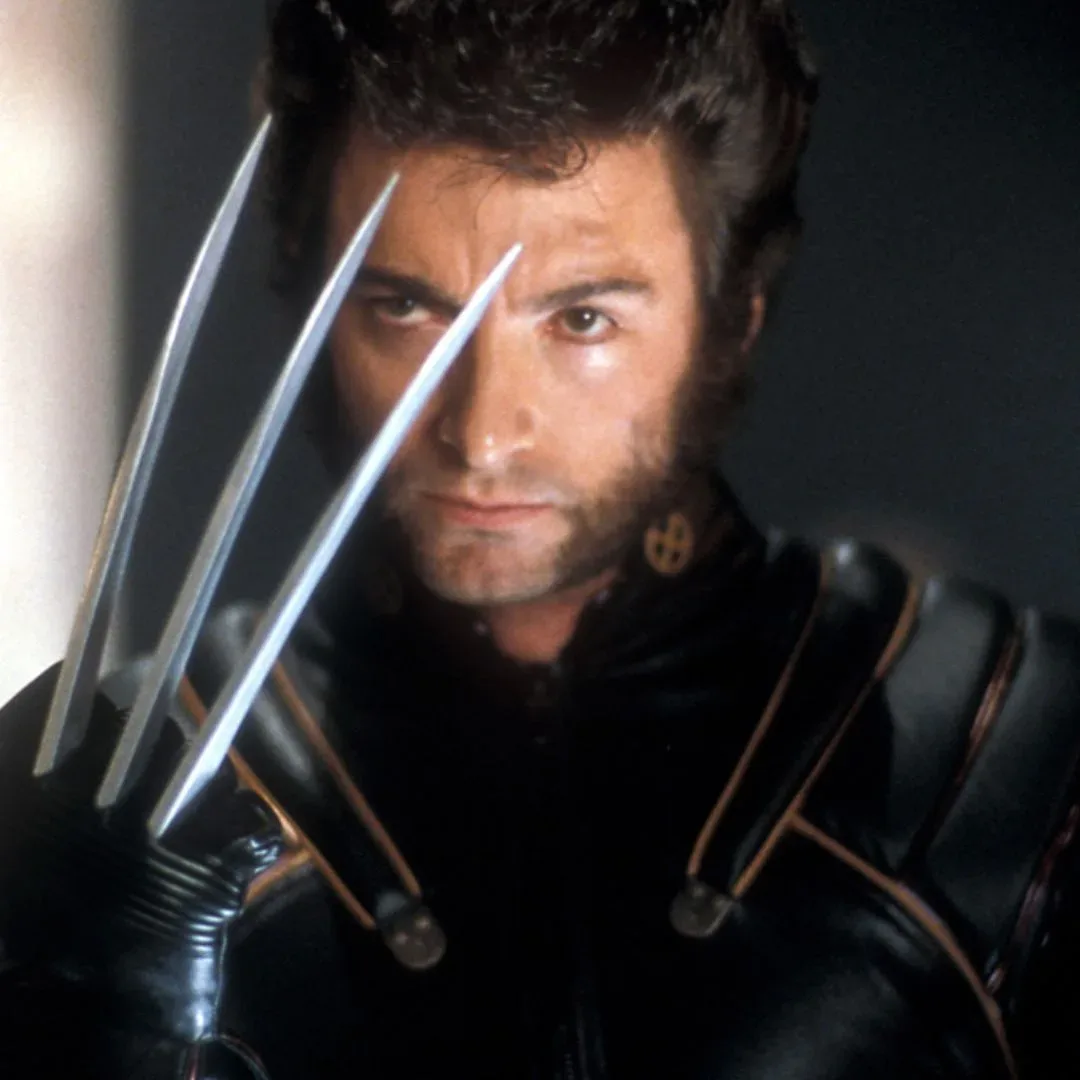
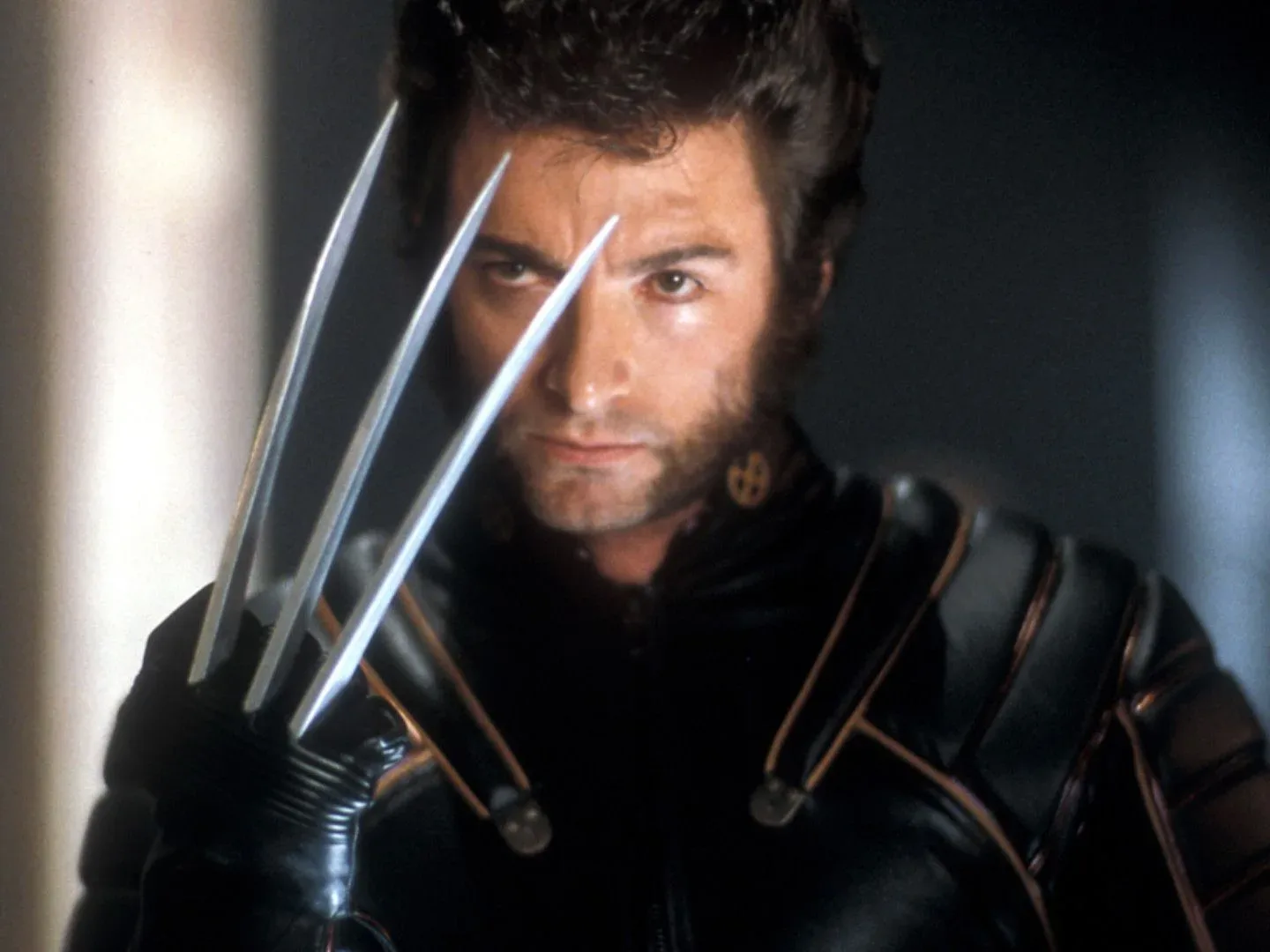
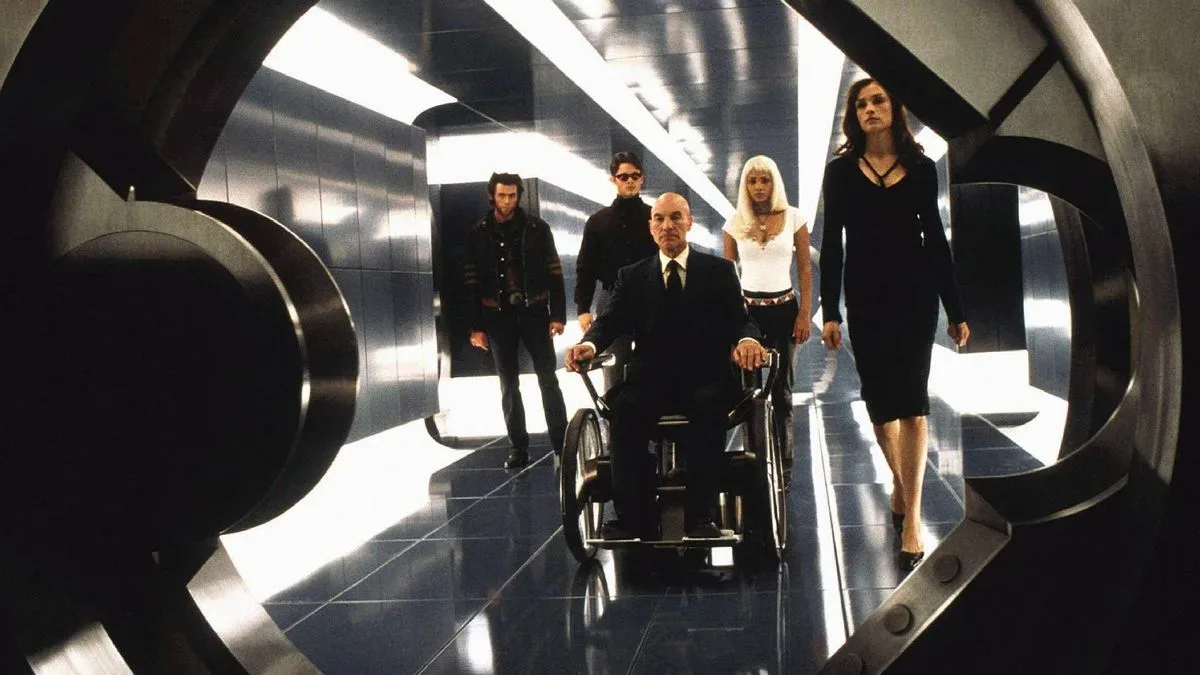
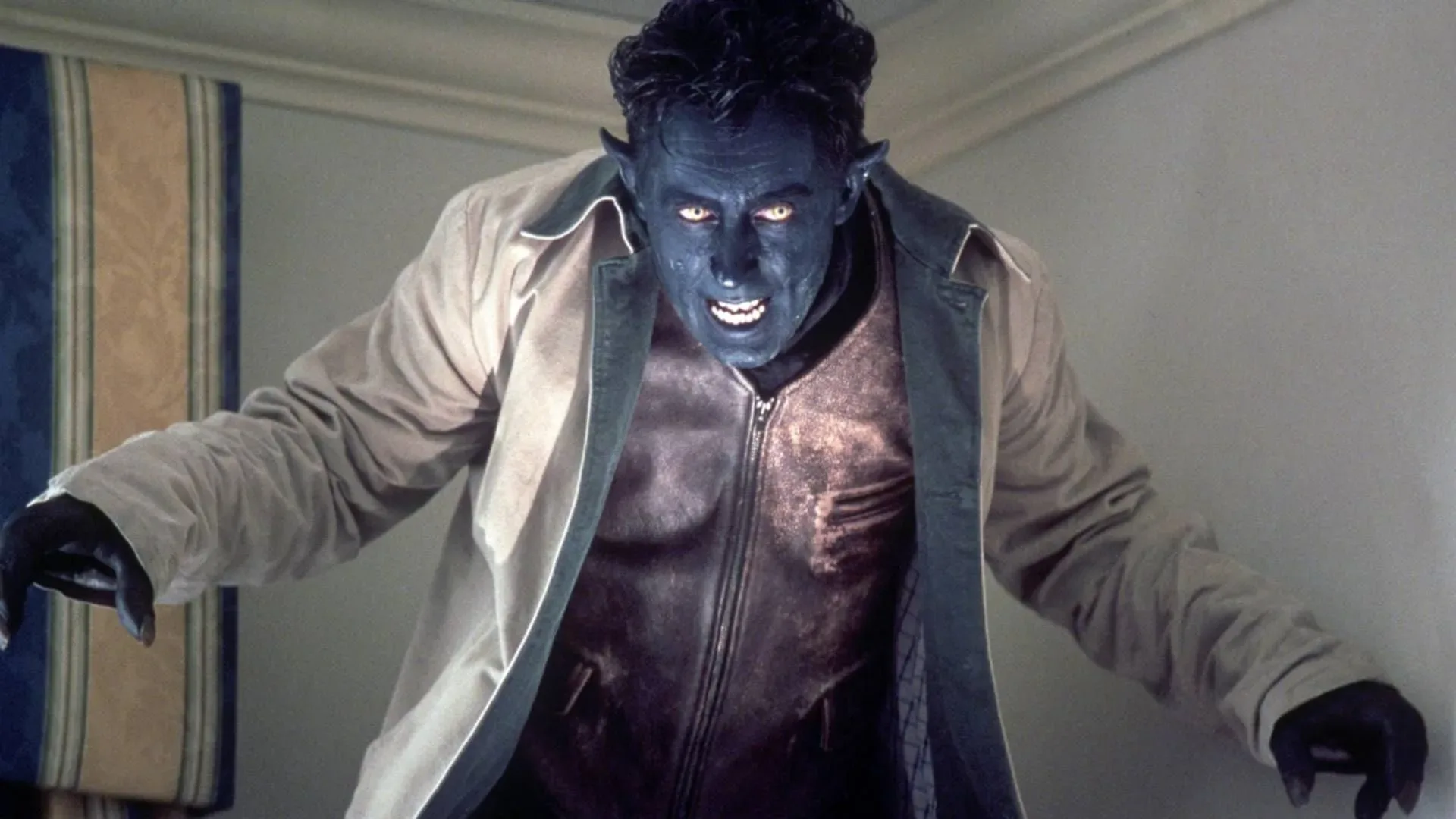
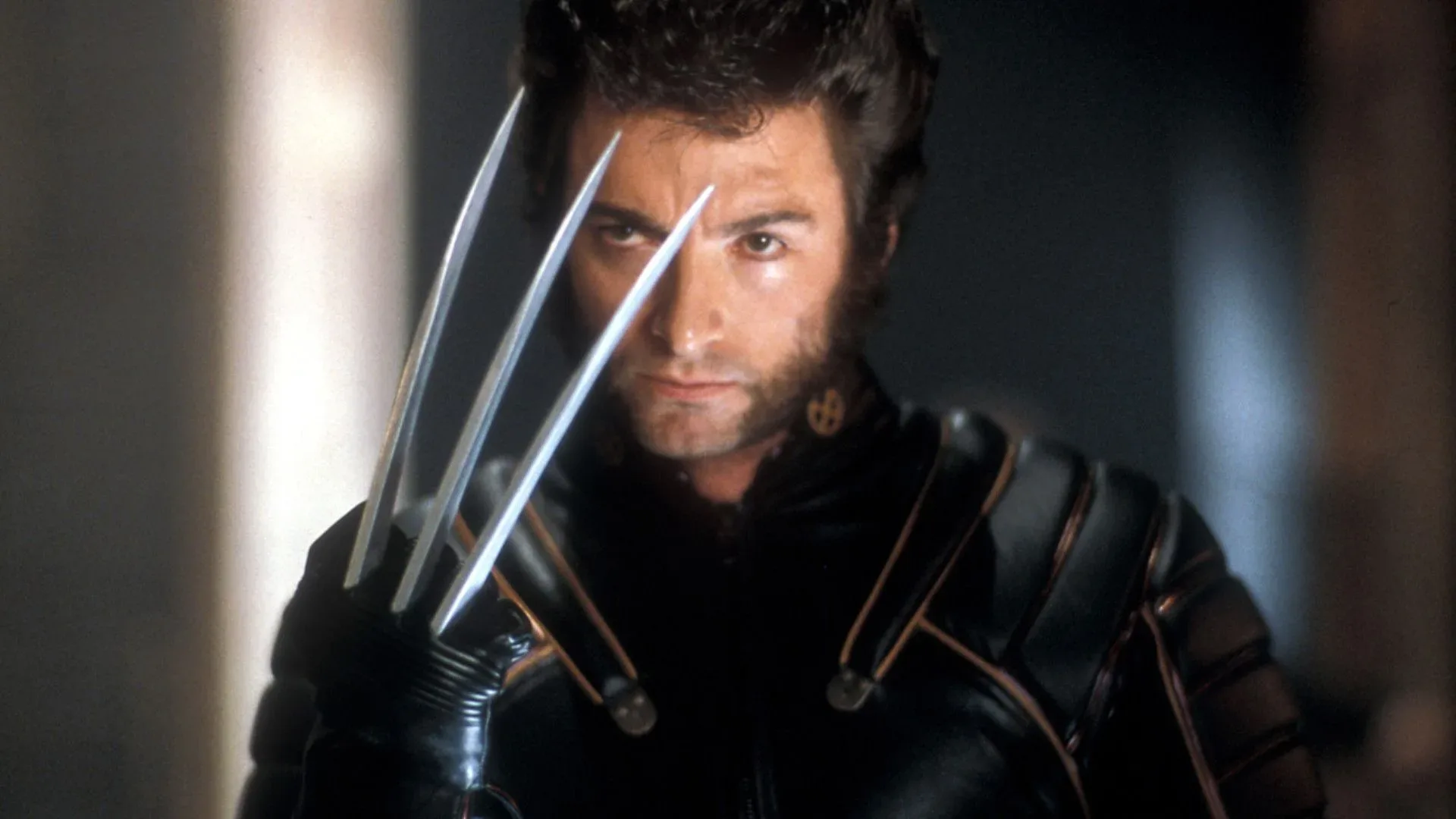
The 2000 X-Men film introduced a live-action mutant team built around Wolverine, Professor Charles Xavier, Magneto, Cyclops, Rogue, Mystique and others. Its story remained comparatively contained: Wolverine, carrying no memory of how he acquired his abilities, encounters the young mutant Rogue as both become targets of Magneto and his associates, including Sabretooth and Toad. Professor X’s group draws them into a much bigger conflict. The film also establishes the ideological fracture between Xavier and Magneto that became the spine of the wider series.
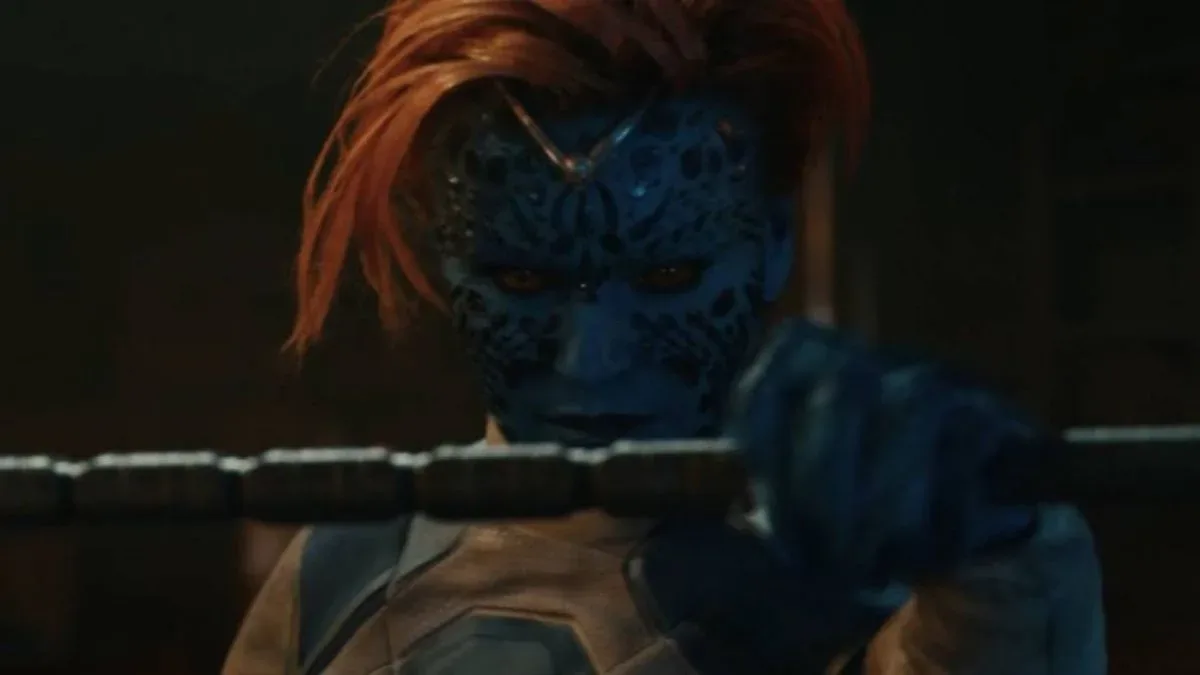
Now Patrick Stewart’s Xavier, Ian McKellen’s Magneto, James Marsden’s Cyclops and Rebecca Romijn’s Mystique are among the returning Fox-era mutant characters expected to enter the MCU in Avengers: Doomsday. That gives the new movie more than familiar faces. It gives it characters whose original appearance helped define how a superhero ensemble could function in blockbuster filmmaking.
A team, rather than one hero with helpers
Superhero movies had featured more than one costumed character before X-Men. The important distinction is the story structure. In many earlier films, a central hero still provided the clear point of view while allies existed mostly in supporting roles. X-Men instead presented a group with competing perspectives, distinct abilities and meaningful roles in the conflict.
Wolverine and Rogue provide an accessible route into the setting, but they do not replace its ensemble. Xavier’s school and its team establish one answer to mutant persecution: shelter, education and coexistence. Magneto represents a sharply different response. Cyclops, Mystique, Sabretooth and Toad are not simply decorative additions around a single protagonist; each helps make the central clash feel like a conflict between communities and philosophies.
That is the useful context for revisiting the film ahead of Doomsday. The scale of contemporary Marvel events may be much larger, but the basic challenge is familiar: make a crowd of powerful characters feel like a team rather than a roster. X-Men helped demonstrate that an ensemble could be held together by relationships and opposing beliefs, not merely by putting several heroes in the same action sequence.
The formula would later become central to 2012’s The Avengers, whose success turned the large-scale crossover into a defining superhero-movie format. Seen from that perspective, the return of the original mutant cast has a certain symmetry. Characters from an early landmark of the team-up format are being folded into one of the biggest team-up projects imaginable.
What “incursion” means for the X-Men
The key threat described around Avengers: Doomsday is an incursion. In this context, it means universes colliding or threatening to collide. That is a fundamentally different kind of danger from the struggle depicted in the first X-Men: it is not merely a villain targeting people in one city or even one world. It puts entire realities at risk.
Material attached to Avengers: Endgame Encore has the TVA learn that 3,000 universes face impending incursions. The first cited collision is between the Fox X-Men reality, Earth-10005, and Earth-1127. The TVA, or Time Variance Authority, is the organization associated with monitoring timelines and multiversal disruption. Its appearance in this scenario signals that the danger has escalated beyond a conventional mission for any one superhero team.
The official setup says universes will collide as the Multiverse Saga enters its final chapter and that the film will help establish the MCU’s future. That language does not confirm who survives, who leaves, or how any particular reality is resolved. It does, however, make the returning mutants unusually exposed. A film described as laying a foundation for a new future can also be a place where old continuities receive a decisive closing chapter.
That possibility is why the X-Men’s presence carries emotional weight beyond a standard cameo. The characters are not simply visiting another franchise. Their universe is identified as part of the immediate incursion danger, turning their return into a question of survival as well as spectacle.
Trailer images point to a crisis, not a victory lap
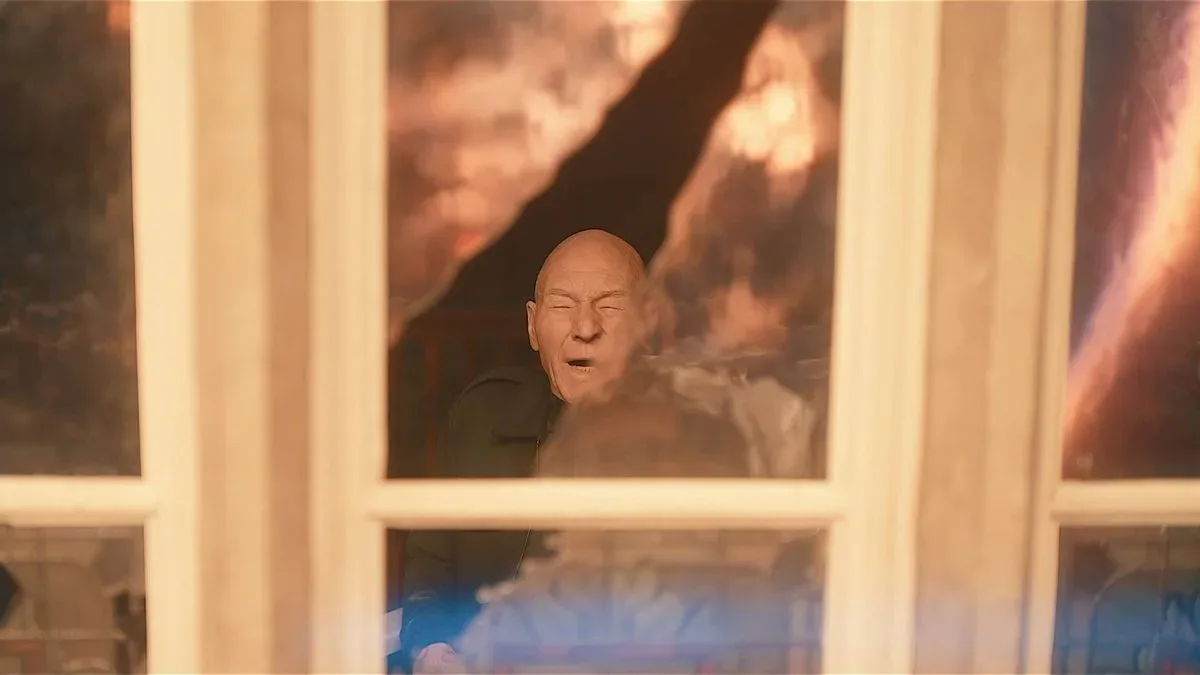
Footage for Avengers: Doomsday reportedly includes damaged portions of the X-Mansion and Xavier looking toward a fiery sky. The X-Mansion has long represented Xavier’s attempt to provide a home and a training ground for mutants. Seeing it compromised is a concise visual way to say that the crisis has reached the team’s core.
Another image places Xavier and Magneto together, looking frightened. That relationship matters because it has rarely been simple. The two men are closely connected, yet divided over the safest and most ethical path for mutants. Their uneasy alliance in the face of a cosmic catastrophe would therefore be meaningful even before the plot explains what has brought them together.
There are also apparent confrontations that could initially frame the mutants and MCU heroes as opponents. Gambit is shown fighting Shang-Chi, while Mystique is seen taking the form of Yelena Belova. Those moments do not establish motives on their own. Still, they fit a reasonable early-story complication: heroes entering a threatened universe may be viewed as intruders by the people trying to defend it. In a multiversal story, misunderstanding can become an efficient way to create conflict before a shared enemy is understood.
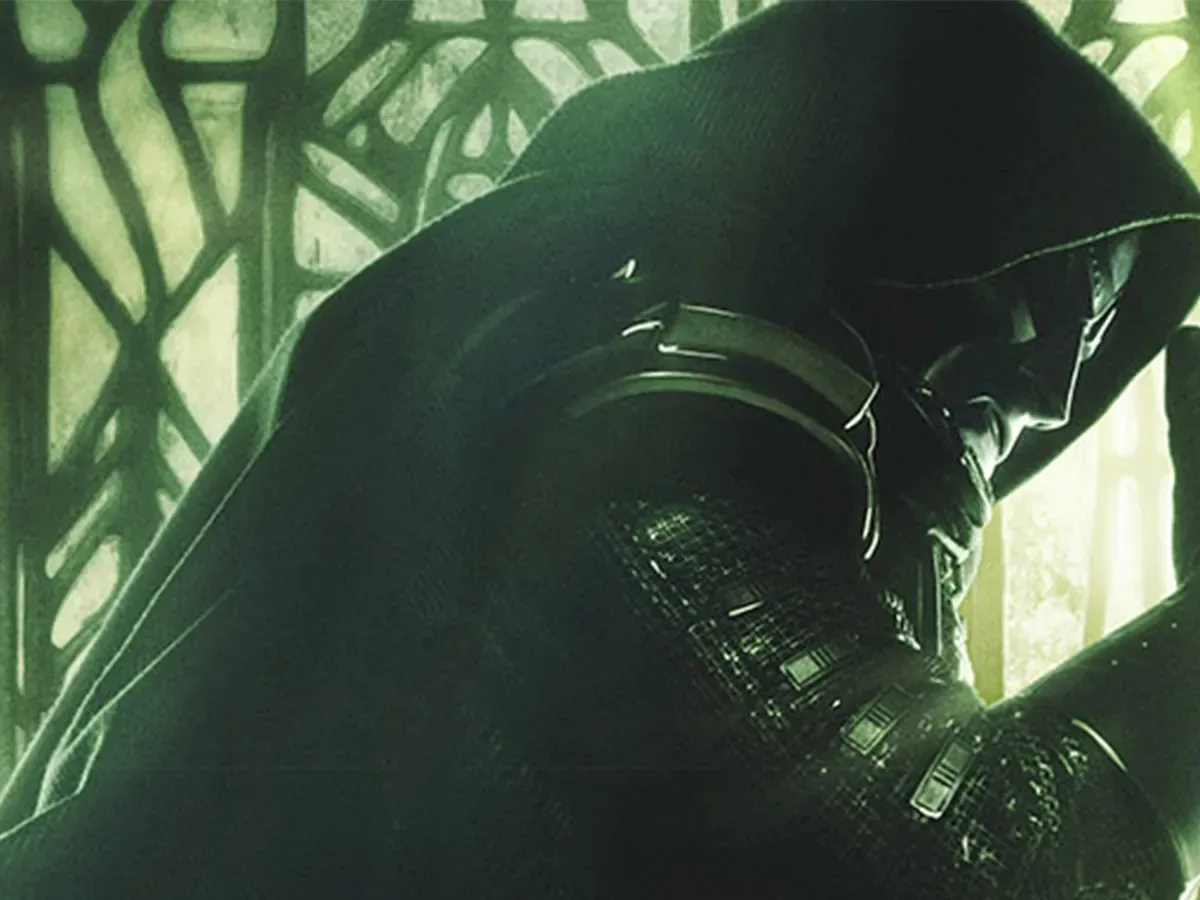
Doctor Doom, played by Robert Downey Jr., stands at the center of the film’s threat. He has been described by director Joe Russo as very difficult to defeat. The available material does not explain the full nature of Doom’s plan, so claims about exactly how he causes the incursions should remain speculation. What is clear is the imbalance the story is building: even veteran teams may be overwhelmed by an adversary operating at the scale of worlds rather than neighborhoods.
Why an ending feels possible, but remains unconfirmed
It is tempting to read every destroyed location and every returning legacy actor as a signal that Doomsday will remove the Fox-era X-Men for good. That interpretation is understandable, but it is still an interpretation. A packed cast can mean some characters receive limited screen time, yet it does not by itself prove deaths or permanent exits.
The stronger point is narrative rather than predictive. The movie has an opportunity to give these versions of the mutants a significant role in a story built around their universe’s jeopardy. That is potentially a better use of legacy characters than treating them as background decoration: their history, their relationships and their home are all directly relevant to the premise.
Professor X and Magneto are especially well suited to such a story because their conflict has always been about how to meet existential danger. Xavier’s approach is rooted in the hope of peaceful coexistence. Magneto’s is shaped by the belief that mutants must protect themselves from a hostile world. An incursion is a threat neither philosophy can easily solve alone. It creates a situation where their differences can remain intact while cooperation becomes necessary.
The apparent absence of Famke Janssen’s Jean Grey is also notable, particularly given the character’s immense power in the earlier film continuity. But absence from the currently discussed cast and footage is not confirmation of a plot outcome. It simply limits what can responsibly be inferred about which X-Men will carry the largest parts of the story.
A bridge to a different mutant future
The Fox-era appearances arrive while a separate MCU X-Men film is in development under director Jake Schreier. Reported casting for that project includes Sadie Sink as Jean Grey, Kit Connor as Cyclops, Christopher Abbott as Professor X and Inde Navarrette as Rogue. If that direction holds, it gives Doomsday a clear generational tension: the film can honor an older screen incarnation while making room for a new take on the team.
That does not require the older characters to be dismissed or reduced to a shortcut for launching something else. In fact, the best argument for including them is the opposite. The 2000 film’s lasting value is not that it had the largest battles or the most complicated mythology. Its value is that it made viewers care about an unusual collection of people finding common cause while remaining deeply different from one another.
A new mutant era can benefit from acknowledging that inheritance. Reintroducing Xavier, Magneto, Cyclops and Mystique in a story about worlds colliding underlines that the X-Men have been central to superhero cinema’s evolution, even as the MCU moves toward another phase.
For viewers preparing for Avengers: Doomsday, returning to X-Men is therefore less about hunting for a precise multiverse clue than it is about revisiting the emotional baseline. It is a story of frightened newcomers, ideological rivals and a team still taking shape. Doomsday, due December 18, brings that legacy into a far larger conflict. Whether the result is a farewell, a rescue, or something more complicated remains unknown—but the premise gives the original mutants much more at stake than a nostalgic reunion.
For more mutant-related comic coverage, see Midnight X-Men #2 previews Dracula, Storm questions and an altered original team.