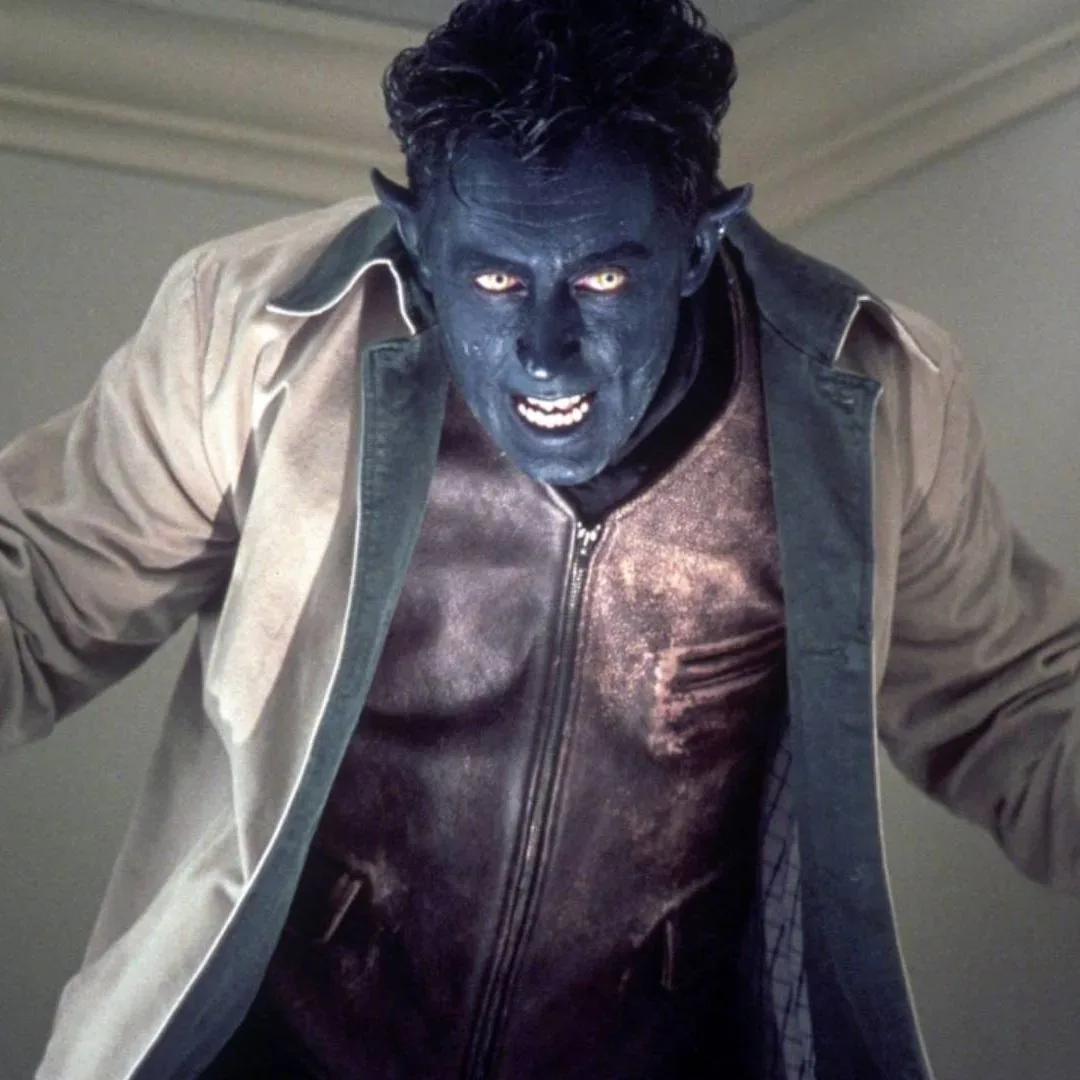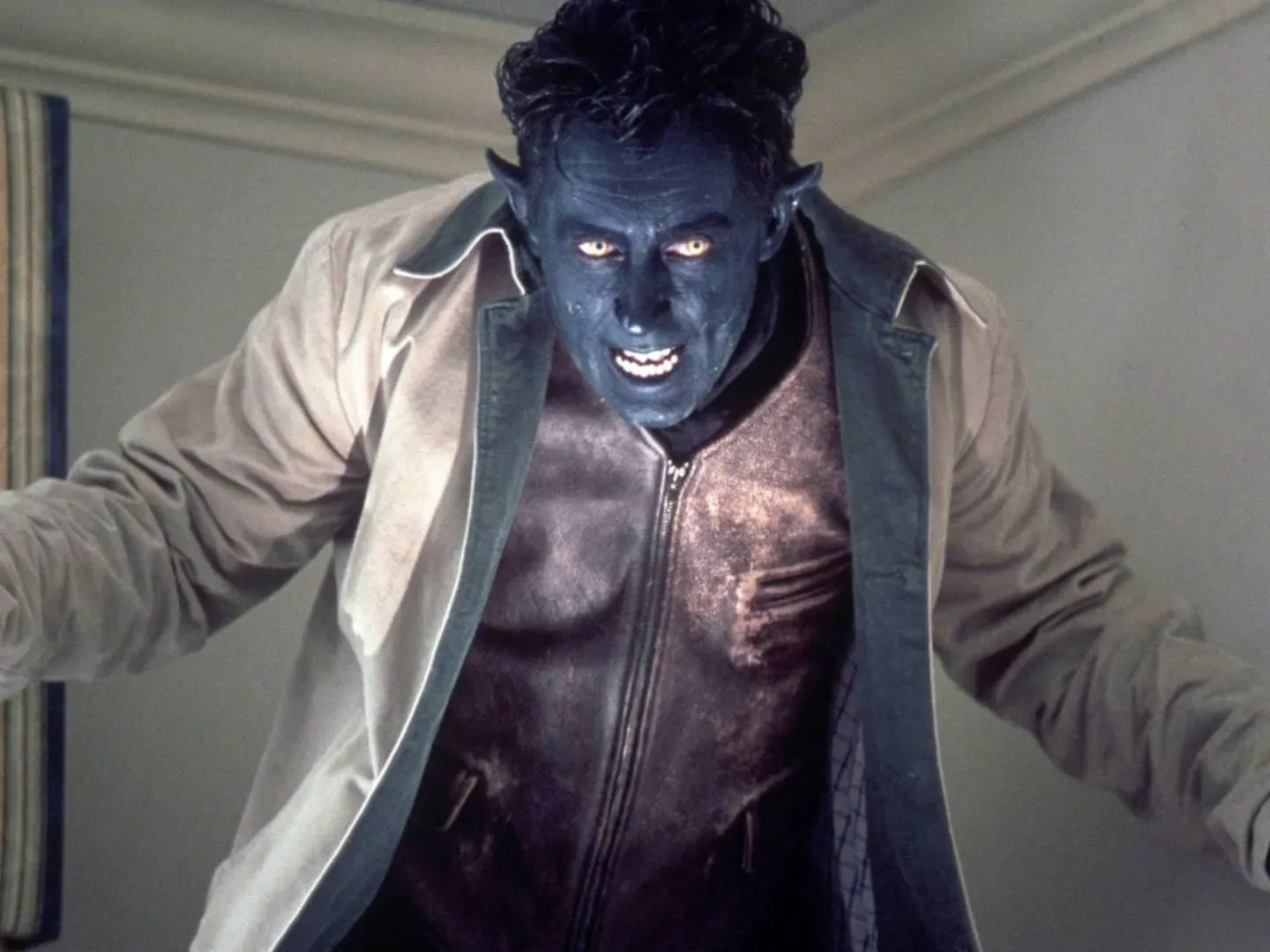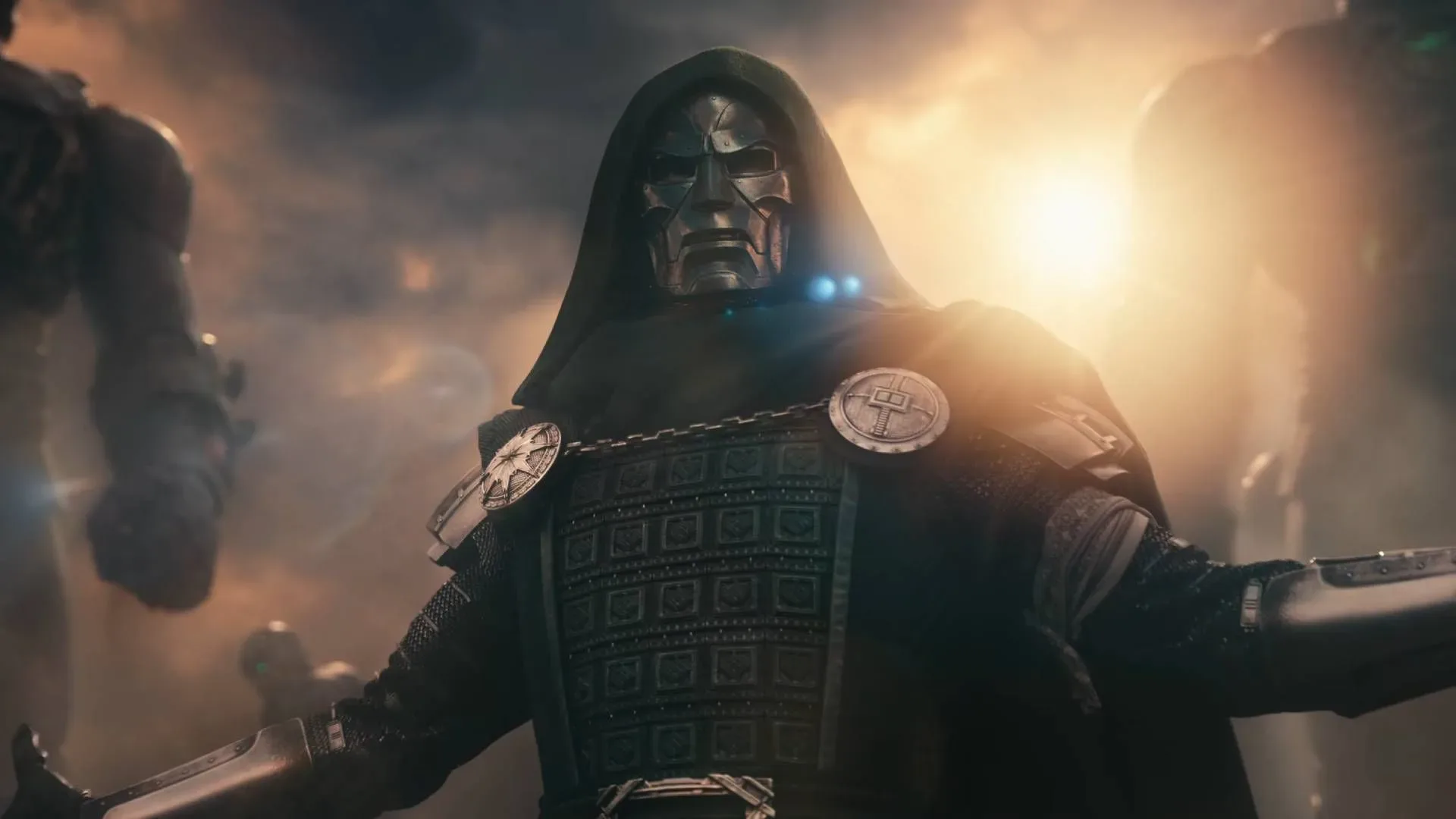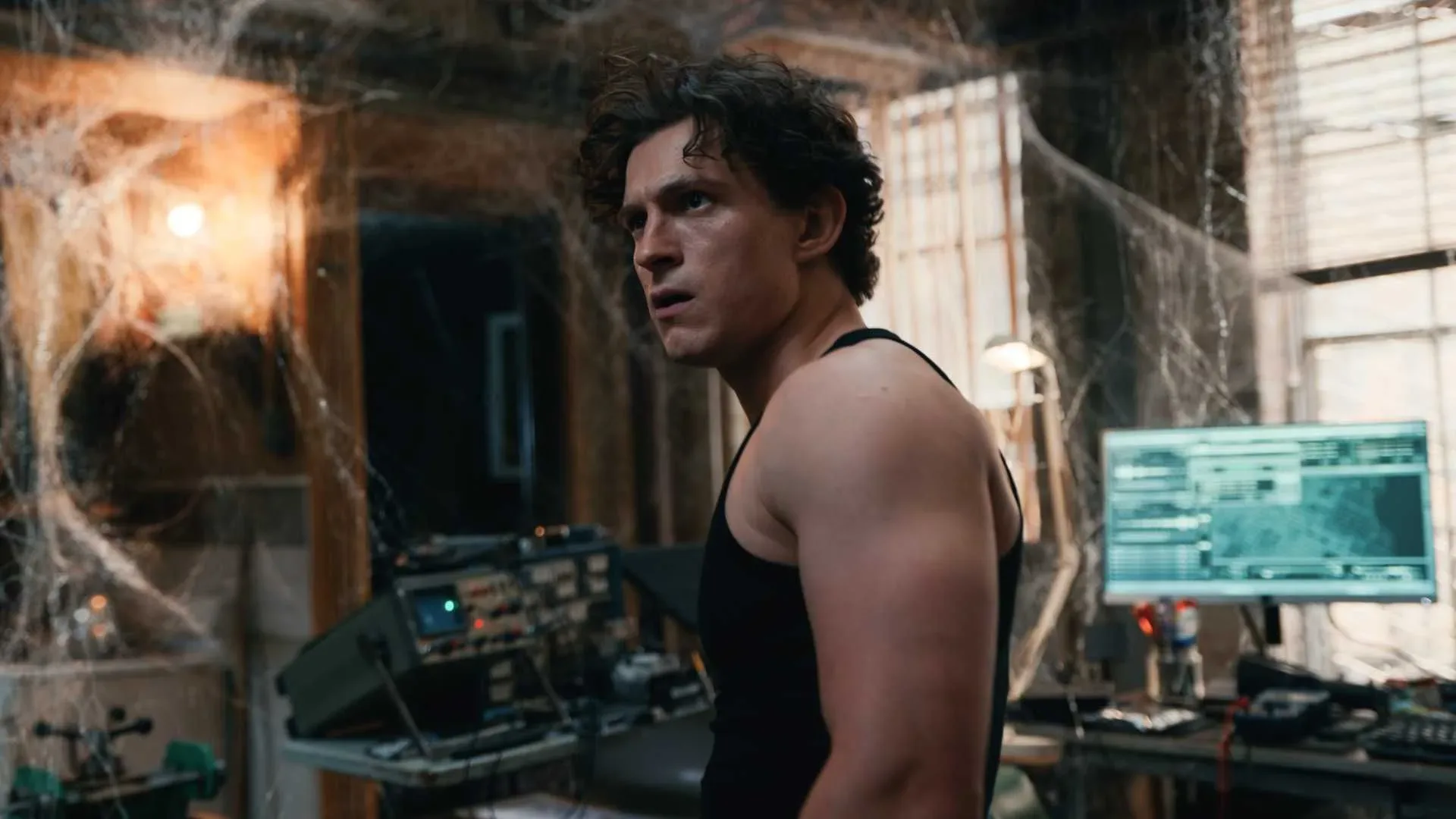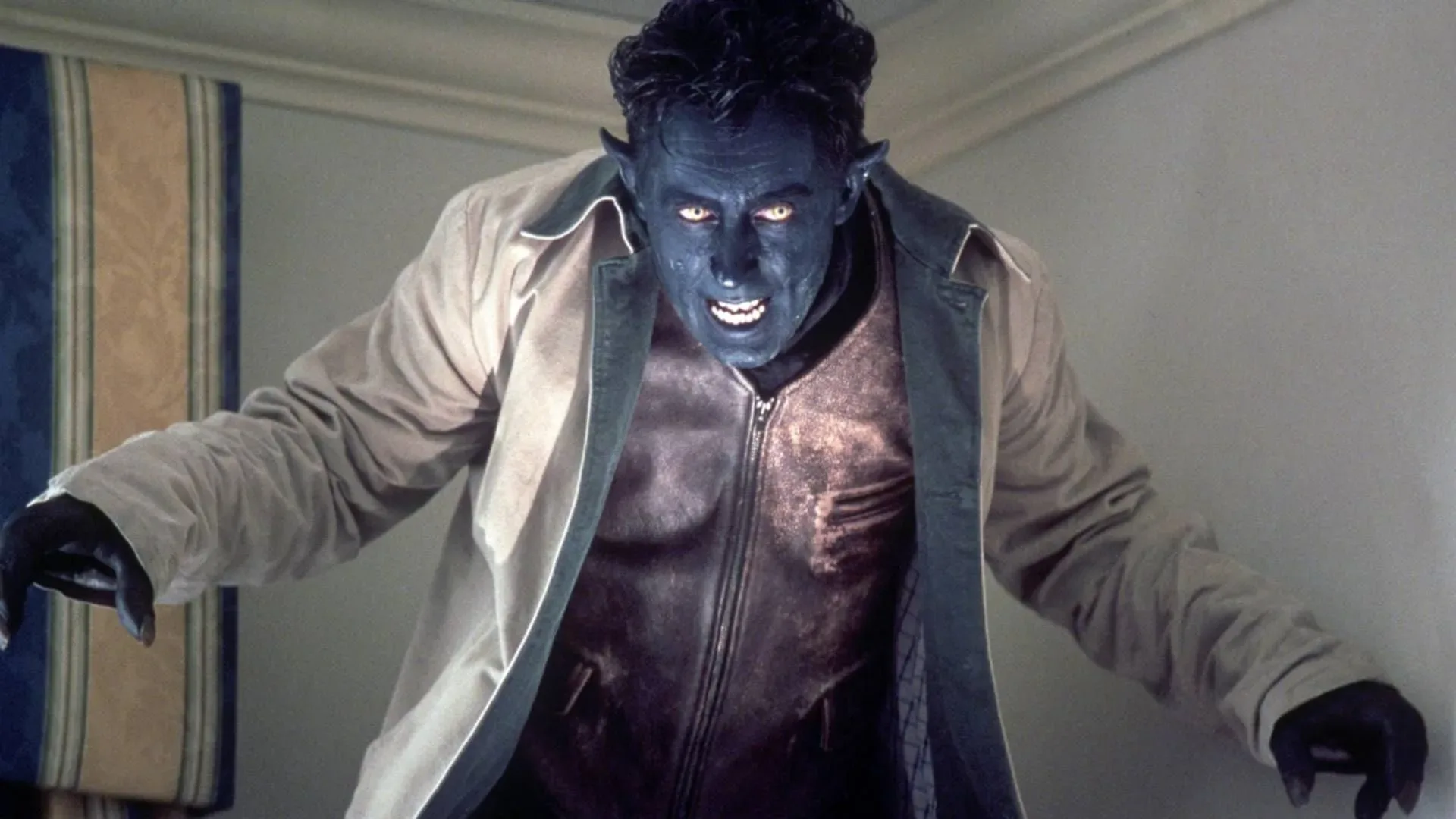
Alan Cumming is returning as Nightcrawler for Avengers: Doomsday, but he has made one thing very clear: he is not claiming to possess a tidy, spoiler-ready map of the movie’s overall narrative.
Speaking about the production, Cumming said he does not “fully understand the plot.” His explanation was not a complaint so much as a frank description of how an enormous effects-driven superhero production can be made. During one scene, he recalled being told context involving “giant robots,” before deciding the most useful direction was simply to tell him where to point and let him perform what was required. His own short version of Nightcrawler’s assignment: “I just know I’m here to run around.”
For a film bringing Cumming’s X-Men character together with figures from other Marvel corners, that candor is more revealing about process than it is about plot. It also supplies a welcome caution for anyone attempting to turn every cast anecdote into a complete story outline. The available details establish that Nightcrawler is active in the movie, performing action material and working in a production that relies extensively on blue-screen work. They do not establish the identity of the giant robots, the reason they are present, or the larger conflict connecting every character.
What Cumming’s comments actually confirm
Cumming will reprise Kurt Wagner, better known as Nightcrawler. He is among returning X-Men performers in Avengers: Doomsday, alongside Ian McKellen as Magneto and Patrick Stewart as Professor X. That alone makes the film a significant reunion of characters associated with an earlier X-Men screen era, now positioned inside Marvel’s Phase 6 plans.
The actor’s recollection also underscores the unusual way a scene can be assembled. A blue screen is a colored backdrop used so filmmakers can replace it with a digital environment or visual effect later. An actor may be reacting to a creature, machine, location or catastrophe that is not physically present on set. The performer still needs the immediate essentials: where an off-screen threat is located, where to look, when to move, and what emotional or physical response the scene demands. Full lore explanations can be far less useful in that moment than precise marks and timing.
Cumming said the robot-related scene was one of the rarer occasions when he was on a backlot rather than in front of blue screen. A backlot is a studio’s outdoor production area, often containing built sets or exterior facades. That does not tell viewers which setting the sequence depicts, or how much of it will ultimately be enhanced digitally. It does, however, suggest a mix of practical location-style staging and effects work rather than a production consisting entirely of isolated digital-background shoots.
The practical implication is simple: fans should treat Cumming’s remarks as an actor’s point-of-view glimpse, not as an authoritative plot synopsis. Performers can be given only the information needed for their scenes, while the final film is built from footage shot out of order, visual effects completed later, and story material spread across a large ensemble.
Nightcrawler and Yelena: a double, not a reunion
Cumming also shared an especially funny production detail involving Florence Pugh, who plays Yelena Belova. The two met at the Emmys and realized they had apparently participated in the same moment without personally meeting: Cumming joked that Pugh, or her body double, had lain on top of him, while Pugh replied that she had as well—but it was Cumming’s double.
A body double is a performer who can stand in for an actor in particular shots. In an action sequence, doubles can handle physically demanding, complex or safety-sensitive choreography, while editing combines that work with footage of the principal actors. The anecdote does not confirm a new Nightcrawler-and-Yelena scene beyond what audiences have seen. Instead, it highlights how action filmmaking can create the impression of close character contact even when the actors themselves were not on set together for that specific beat.
The trailer has shown a fight at the X-Mansion involving Nightcrawler and Yelena. Cumming’s exchange with Pugh makes it reasonable to be careful about assuming the pair share extensive screen time after that encounter. It is possible for stunt work, pickups, close shots and wider action coverage to be captured separately. It would be a reach, though, to convert that production detail into a definite claim about either character’s fate or the duration of their interaction.
Yelena’s presence also gives the footage an immediate crossover charge: a character played by Pugh meeting a returning mutant character played by Cumming. Yet the double story offers a useful reminder that the construction of a superhero clash can be much more fragmented than the finished sequence appears.
The Pedro Pascal detail still matters
Cumming had previously discussed stunt training for a fight scene and said he was told he would be hitting Pedro Pascal “against the head,” or something close to that. Pascal plays Reed Richards in the film. Taken at face value, the comment indicates that Nightcrawler and Reed are involved in some form of physical confrontation.
That is a particularly intriguing piece of character logistics because it establishes contact between Nightcrawler and a central Fantastic Four figure. Still, the phrasing deserves its limits. Cumming was recounting an early stunt-training experience and was unsure who he was fighting when the matter first came up. It does not explain who starts the fight, whether it is a misunderstanding, how long it lasts, or whether the combatants become allies afterward.
Stunt training itself is a preparation process in which performers learn choreographed movement designed to look dangerous while being executed with safety procedures. It is not necessarily a direct representation of the final edit. A scene may be shortened, expanded, recontextualized or heavily augmented with effects. What it does establish is that Cumming’s Nightcrawler role involves more than a purely ceremonial return.
Cumming also put the return in personal perspective. He said he was 60 while preparing the fight material and noted that it had been 23 years since he first played the superhero. Rather than presenting that as a barrier, he described the situation as hilarious. His self-aware tone matches the current round of remarks: he seems willing to discuss the practical oddity of returning to an action-heavy comic-book role without pretending he has decoded every secret on the call sheet.
Why an actor may not have the whole story
There is an understandable temptation to read “I don’t fully understand the plot” as a sign of disorder. On its own, it is not. Large-scale ensemble productions often protect story information, shoot scenes in a non-chronological order and ask actors to work against visual elements that will only exist later. Even a performer who understands their character’s objective in a scene may not know the full context of every parallel storyline.
For Cumming, the useful information appears to be concrete and performance-led: action marks, stunts, physical direction and the people or objects he is meant to react toward. For viewers, the useful distinction is between confirmed production facts and interpretation. Confirmed: Nightcrawler returns; Cumming has undertaken stunt work; Reed Richards is involved in at least one action encounter described by Cumming; Yelena and Nightcrawler are connected to the X-Mansion trailer fight; and effects-heavy shooting is part of the production. Interpretation: the motivations, alliances, villains, chronology and ultimate shape of the story remain unconfirmed by these comments.
That boundary is likely to matter more as marketing reveals additional footage. A trailer can show a collision between characters, but an action beat rarely communicates its full narrative cause. Cumming’s stories are lively precisely because they are partial: they provide the on-set texture of a huge movie, not its master key.
What to watch for before December 18
Avengers: Doomsday arrives on December 18. Until then, the clearest points of interest around Cumming’s return are practical ones. How will Nightcrawler’s action be staged in a film balancing backlot material with blue-screen work? Does the apparent X-Mansion conflict lead into a broader interaction with Yelena, or is it largely an action sequence assembled with doubles? And what narrative circumstances could put Nightcrawler in a fight with Pascal’s Reed Richards?
None of those questions can be answered conclusively from one actor’s recollections, and that is part of the appeal. The comments are not a reliable blueprint for the movie, but they are a sharply human glimpse into its construction: an actor returning to a role after 23 years, learning fight moves at 60, encountering digital spectacle one direction at a time, and discovering at an awards event that a co-star’s double had technically been on top of his double.
For more on the film’s release conversation, see our coverage of early UK screenings and the spoiler concerns surrounding Avengers: Doomsday.