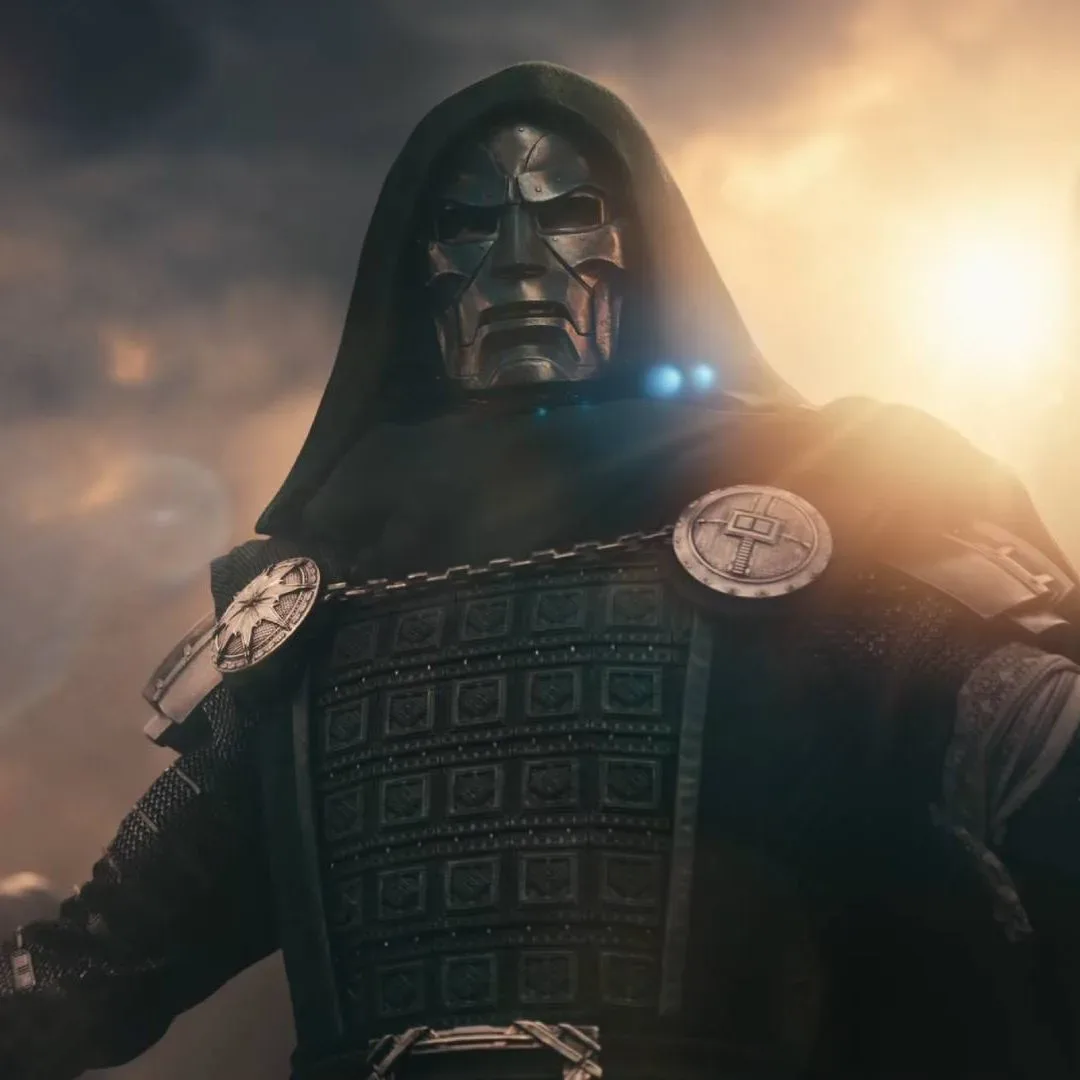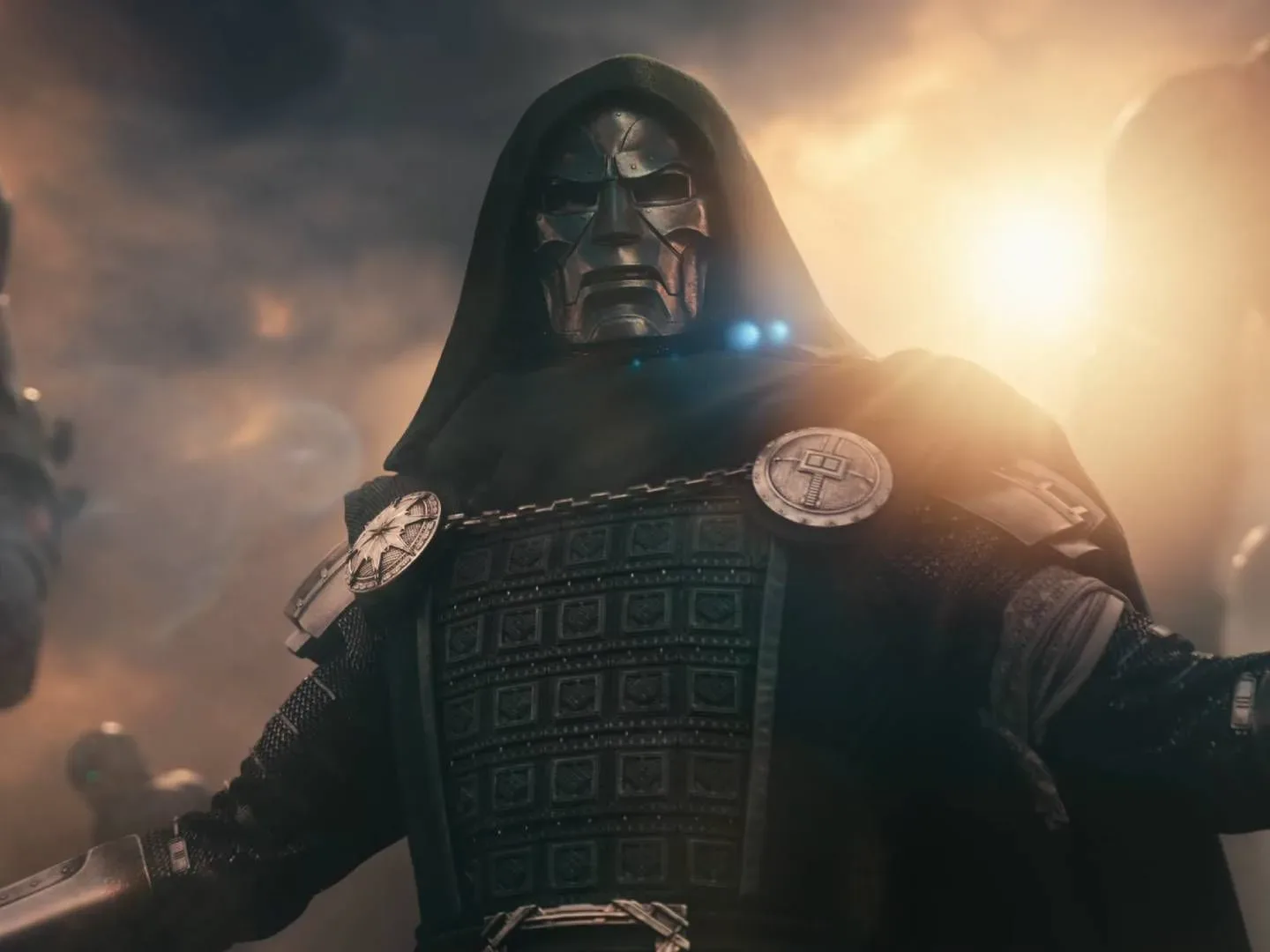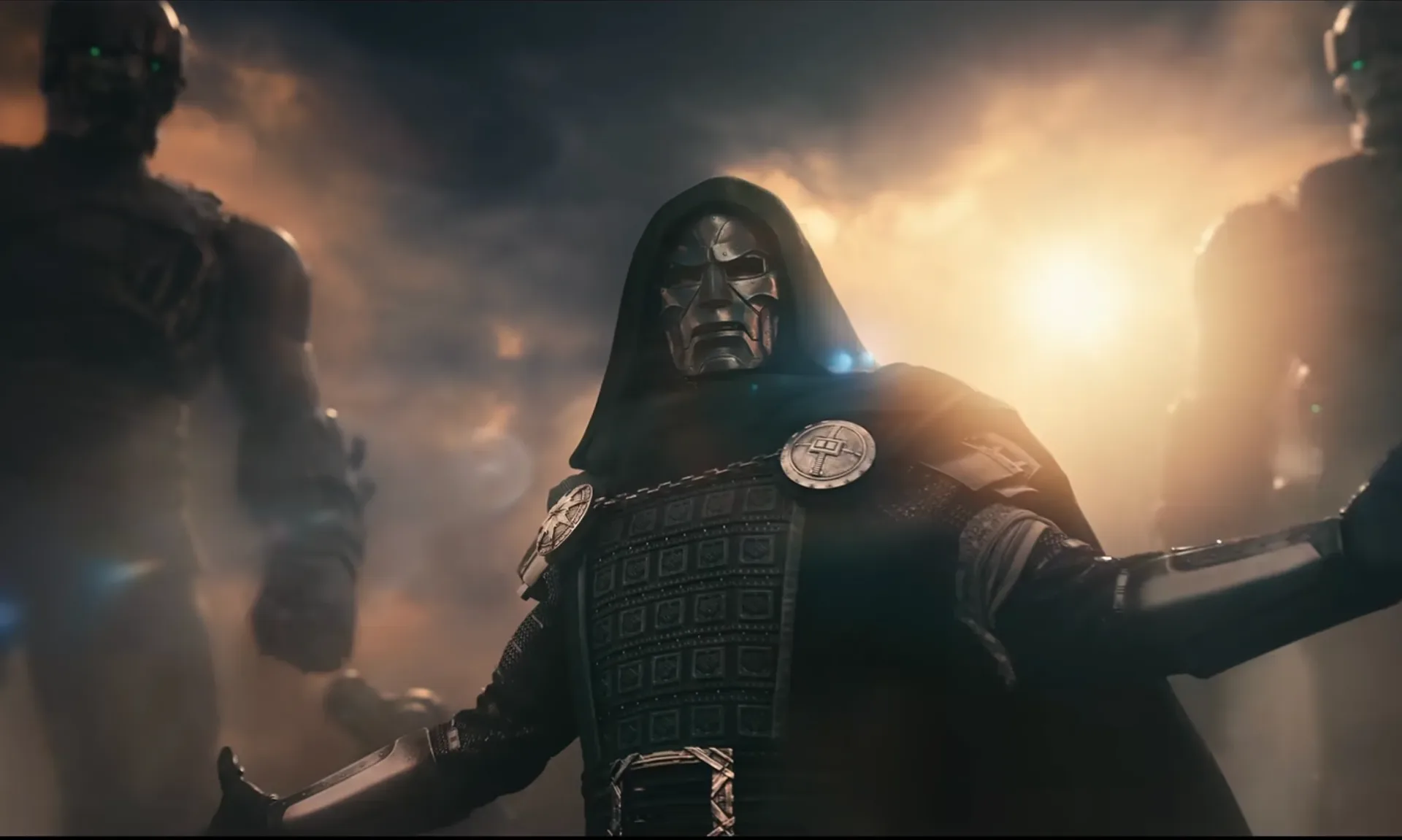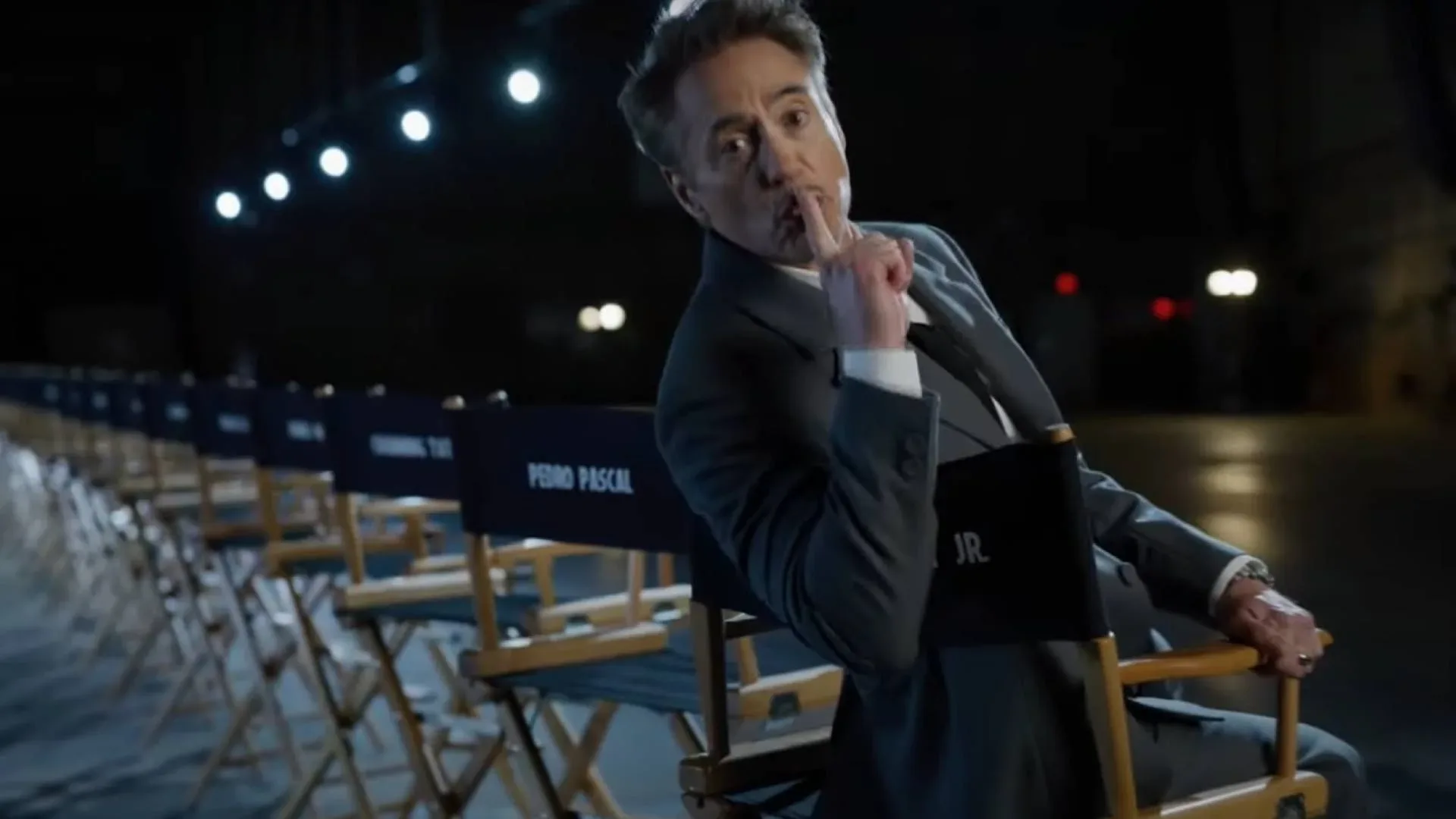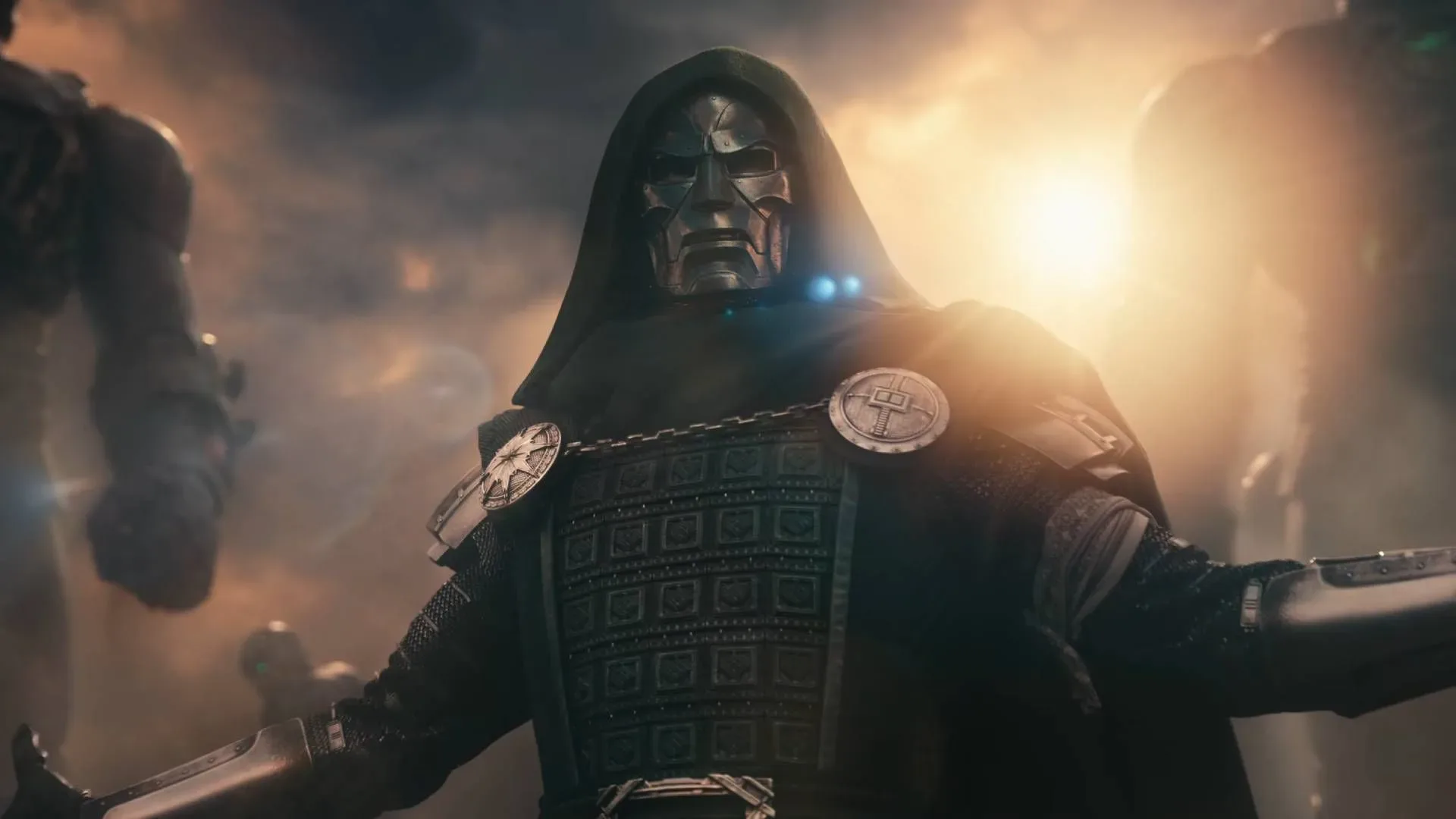
Avengers: Doomsday is set for an earlier theatrical start in the UK and some other territories, and the release gap is already giving spoiler-wary Marvel viewers a reason to reach for every mute, block, and log-out button they can find.
Screenings in the UK are expected to begin on December 16, with some listed as early as 6:00 a.m. GMT. That is 1:00 a.m. Eastern. Meanwhile, the current theatrical date for the United States and Canada remains December 18. It is not an enormous gap by the standards of past international movie launches, but it is long enough for a major blockbuster’s surprises to travel well beyond a cinema auditorium.
That is the crux of the audience anxiety: two days may be a short wait for tickets, but it is a very long time in an online environment built around instant reactions, screenshots, short clips, search recommendations, reposts, and headline-sized plot revelations. For a franchise as discussion-heavy as the Marvel Cinematic Universe, the concern is less about whether people will talk and more about how avoidable those conversations will be.
What the release schedule means
The stated plan puts at least part of the international audience in cinemas before North American moviegoers can attend their first screenings. A 6:00 a.m. GMT showing on December 16 is particularly notable because it creates an unusually early starting point for public reactions. By the time the US and Canada reach December 18, viewers elsewhere may already have had time to post impressions, debate story turns, and circulate details they consider too tempting not to share.
Some fans have argued that the US and Canada should receive December 16 screenings as well. Their fear is straightforward: major scenes, twists, and the film’s broader direction could be all over social platforms before the later territories have access. Others in the UK have understandably celebrated the rare advantage of being among the first audience members through the door.
Both reactions make sense. An early release is a welcome perk when a film has been anticipated for months or years. But blockbuster fandom has also turned opening-week viewing into a race against the recommendation algorithm. The problem is not simply intentional cruelty from people broadcasting plot points. A fan can be enthusiastic, vague, or convinced they are posting safely and still reveal far more than another viewer wanted to know.
Why a 48-hour gap can feel much bigger online
In release-calendar terms, a two-day difference is limited. In spoiler terms, it can be substantial. The first wave of viewers often generates a dense burst of conversation: reactions to a particular reveal, ranked character moments, meme formats built around a scene, explanations of an ending, and predictions about what happens next.
Even avoiding direct plot posts may not fully solve the issue. A trending topic can telegraph that a particular character or event is important. A thumbnail, a reply visible beneath an unrelated post, or a recommendation can offer context that viewers would rather receive in the theater. This is especially true for a shared superhero universe, where fans tend to read every reaction as a clue about future installments and returning characters.
A spoiler does not have to be a full scene description. It can be the confirmation that a rumored element matters, an emotional reaction that implies a fate, or a post that narrows down what the movie is and is not willing to do. For viewers who want the cleanest possible first watch, even those fragments can change the experience.
The intensity surrounding Doomsday is also tied to the MCU’s long-running habit of presenting interconnected stories. Marvel’s timeline stretches across decades of events, characters, and films, so fans are naturally inclined to interpret new material as a potential answer, setup, or turning point. That makes a major Avengers film an especially inviting target for online analysis—and an especially difficult one to browse around safely.
There is a recent reason fans are worried
The concern is not purely theoretical. Bonus scenes in Avengers: Endgame Encore that helped set up Doomsday were leaked ahead of that film’s US release after people in other locations saw them earlier. That episode offers a practical example of how a staggered schedule can collide with an audience eager to share discoveries immediately.
Leaks and spoilers are related but not identical. A leak generally refers to material or information appearing before its intended public release, often without authorization. A spoiler is broader: it is any story information that removes a surprise for someone who has not yet watched. A person can spoil a movie after attending a legitimate screening; that does not necessarily mean they leaked anything. For fans trying to protect a first viewing, though, the distinction may feel academic. The result is still knowledge they did not ask for.
The Endgame Encore example helps explain why the Doomsday schedule is attracting so much attention before the film has reached cinemas. Fans have already seen a related piece of material spread early. With an Avengers title, the perceived stakes are higher because every unexpected development can become a huge discussion point almost instantly.
Staggered Marvel launches are not new
Marvel releases have faced uneven territory-by-territory timing before. Several MCU movies, including Captain America: Brave New World, received early UK openings. In the opposite direction, UK audiences experienced a far more punishing delay when Ant-Man and the Wasp arrived more than a month after its US release because of the World Cup.
That history matters because it adds perspective. A two-day wait is nowhere near the Ant-Man and the Wasp situation, and it is not evidence by itself that spoilers are inevitable. At the same time, modern fandom moves quickly enough that even a short offset can feel severe for people who care deeply about preserving surprises. The issue is not that audiences in one country should wait so viewers elsewhere are protected. It is that an international event movie now has an international conversation the moment doors open.
Marvel fans have become experienced at navigating that dynamic, though experience does not make it pleasant. Every staggered release renews the same tension between the excitement of seeing a story as early as possible and the desire to let every viewer discover its biggest moments on their own terms.
A practical spoiler-avoidance plan for December 16–18
There is no perfect defense once reactions begin to circulate, particularly if an algorithm decides a person is likely to care about Marvel. Still, viewers in the US and Canada who want to go in cold can reduce the odds of an unwanted reveal during the gap.
- Mute the film title and character names where possible. Include likely abbreviations and common variants, not only “Avengers: Doomsday.”
- Avoid searching for showtimes, reactions, or cast discussion after the first overseas screenings. Search tools and recommendations can place newly popular posts directly in front of users.
- Be cautious with comment sections. A post about an older Marvel movie, a trailer, or an unrelated superhero subject can become a place for Doomsday reactions.
- Skip video thumbnails and short-form feeds if possible. A visual reaction or a supposedly harmless caption may convey more than intended.
- Ask friends to keep messages spoiler-free until after your screening. This is less about strict rules than making expectations clear before excitement takes over.
- Do not amplify vague “I can’t believe they did that” posts. Even indirect reactions can become clues once others begin adding context in replies.
These measures cannot guarantee a pristine experience, but they address how spoilers tend to spread. They are often encountered indirectly, not discovered because someone deliberately sought out the ending. For a brief two-day window, a narrower media diet may be the simplest tradeoff for viewers who value surprise.
The broader challenge: hype without giving the game away
There is an inevitable push and pull at work here. Studios and cinemas want early screenings to create momentum. Fans who attend early want to celebrate. People waiting for their local release want to participate in the anticipation without being handed a plot summary by a trending post. None of those desires is unreasonable.
The difficult part is that the internet does not preserve the old boundary between “people who have seen it” and “people who have not.” Moviegoing used to produce local conversations afterward. Now every reaction can be global in seconds, and high-engagement posts may be pushed to viewers who never followed the account that made them. That is why the conversation around Doomsday’s December dates is focused so strongly on exposure rather than merely patience.
For fans who do make it to a December 16 screening, the considerate approach is simple: keep plot specifics out of public posts, clearly label any discussion that goes beyond broad reaction, and avoid images or captions that reveal surprises. For everyone else, the next best option is to make the short wait as low-risk as possible.
Marvel’s sprawling continuity is part of what makes each new Avengers entry feel communal. It is also why a staggered release can turn a 48-hour delay into a digital obstacle course. As the December 16 screenings begin, the Doomsday conversation will likely become very loud, very quickly. Viewers holding out for December 18 may want to plan accordingly—and perhaps spend those two days with a different corner of pop culture.