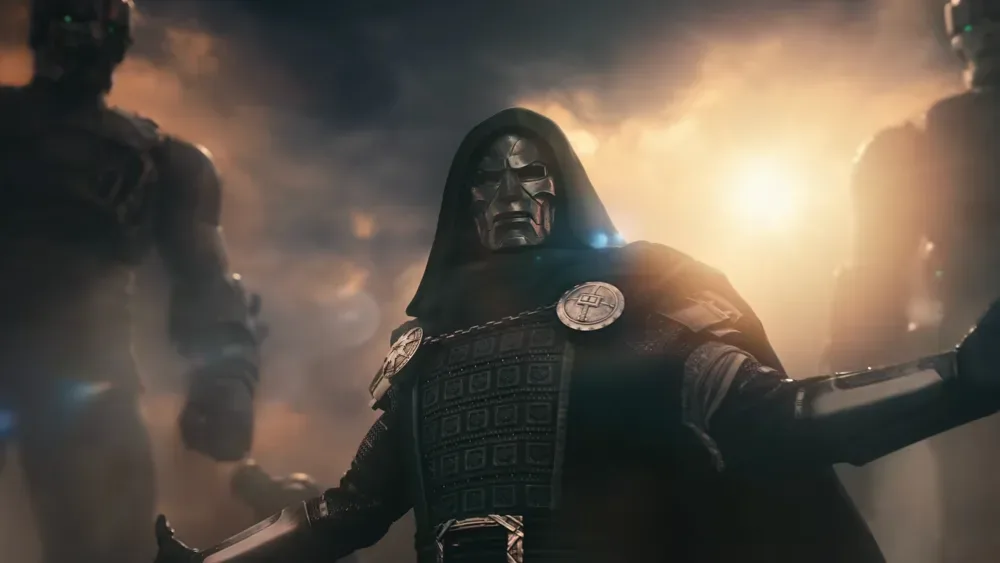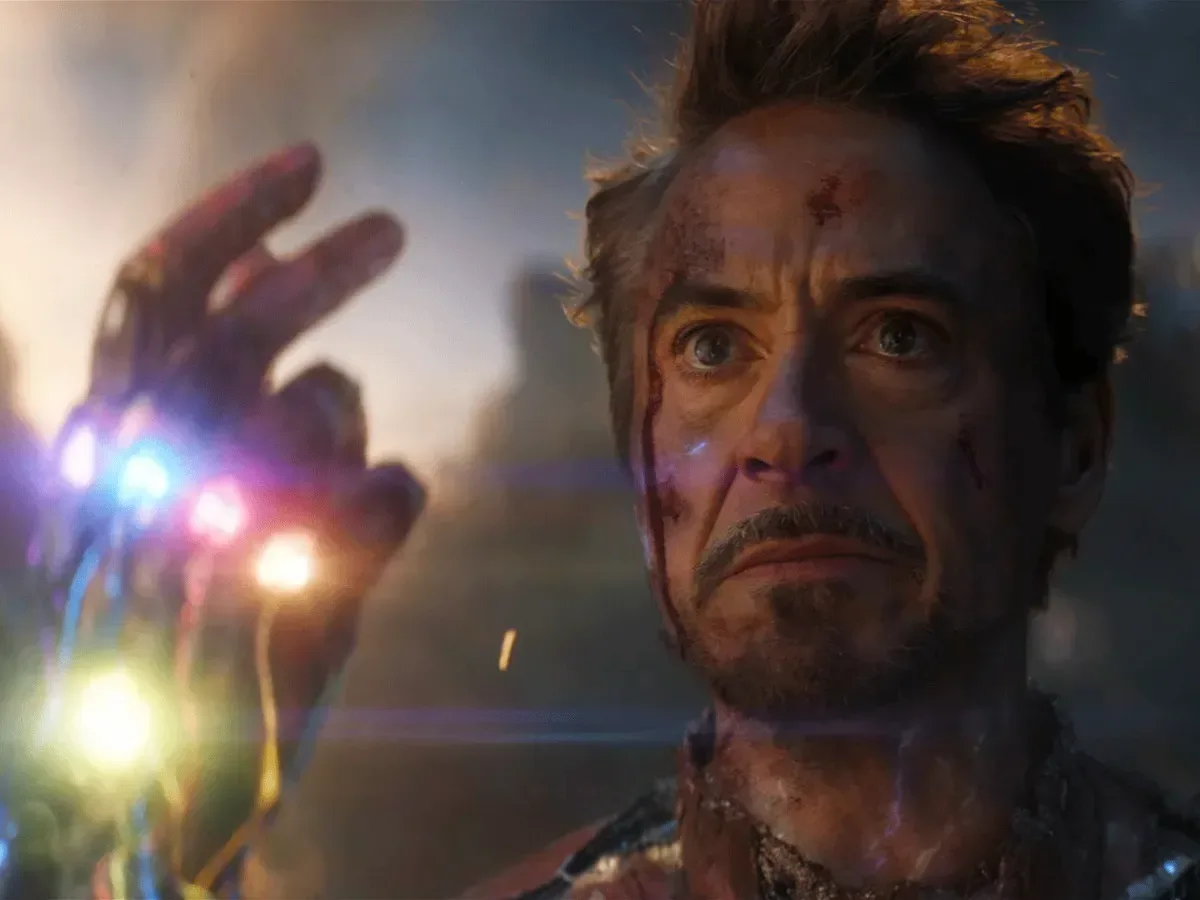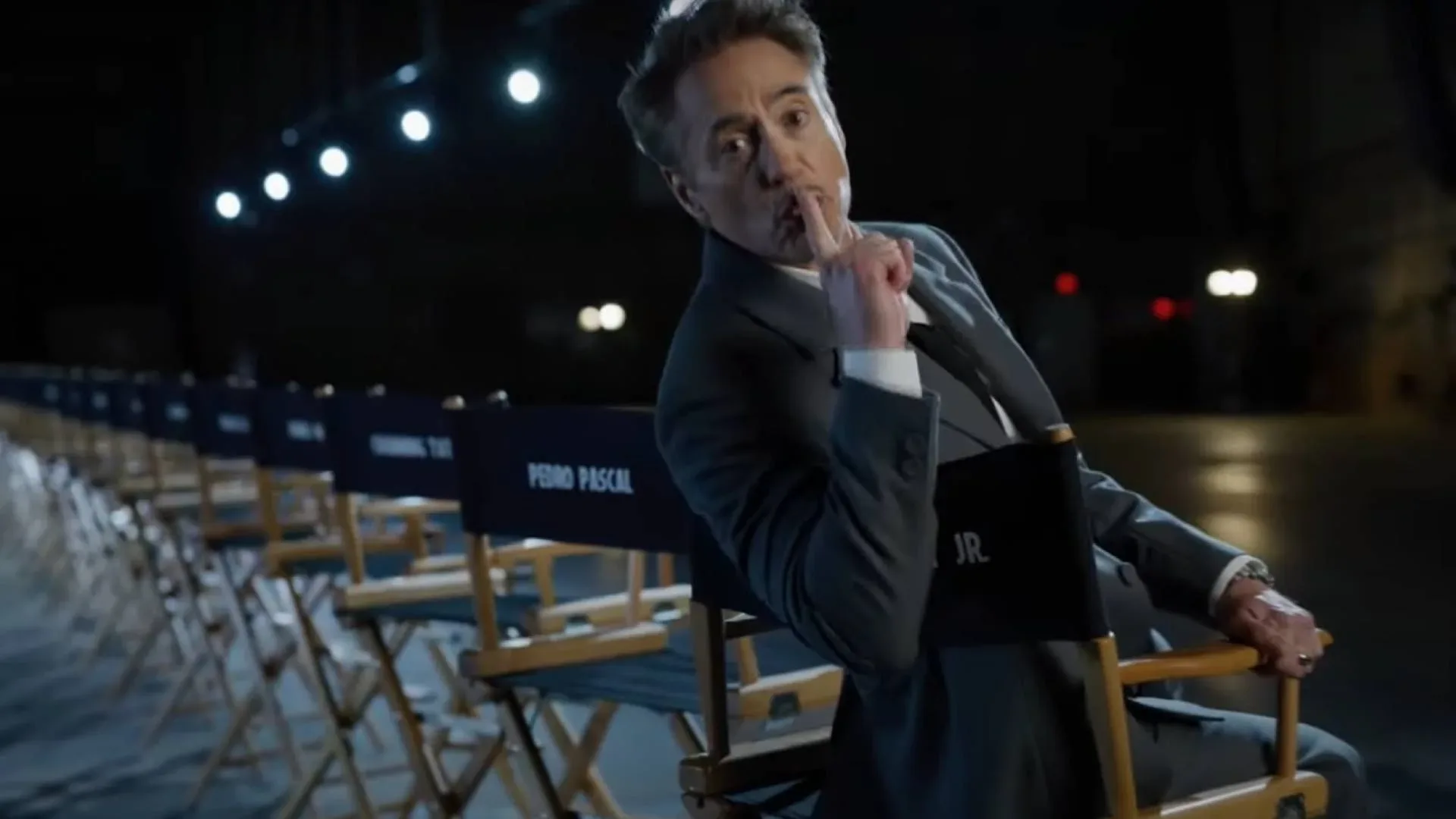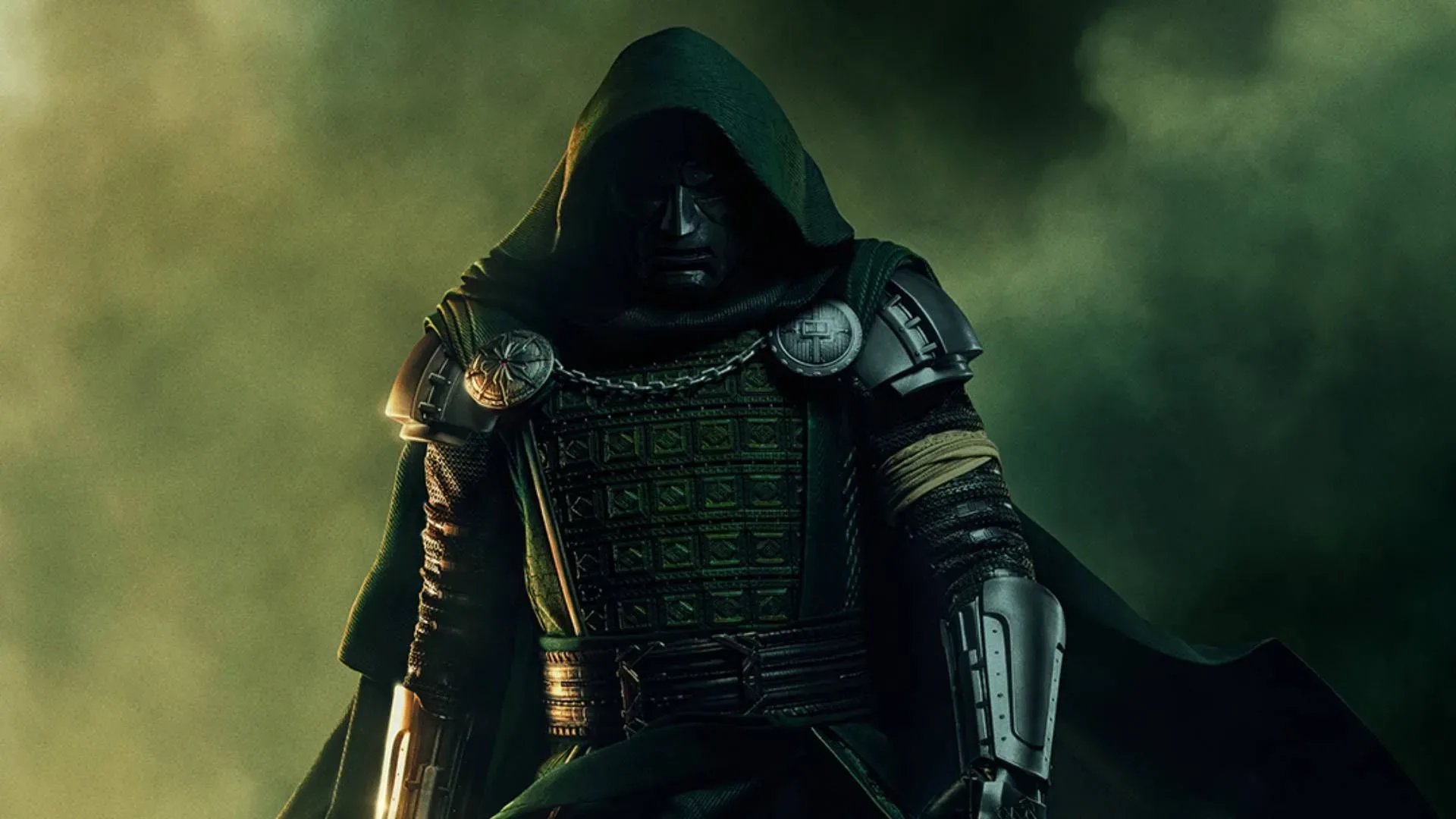
Anthony Russo has described the central creative challenge facing Avengers: Doomsday: how to move enormously familiar Marvel characters into new territory without treating the journeys that made audiences care about them as disposable baggage.
Speaking after a screening of Avengers: Endgame Encore, Russo said he and co-director Joe Russo approach that problem as fans of the characters themselves. Their task, in his framing, is not simply to preserve a list of recognizable traits, nor to change characters merely to create a headline-making twist. It is to find a story direction that honors accumulated history while still creating uncertainty about what a hero can do, become, or lose.
“Fandom does not speak with a single voice,” Russo said, stressing that viewers connect to different characters and different versions of those characters in different ways.
That observation may sound obvious, but it is especially relevant to an Avengers film. The franchise brings together heroes who have each carried distinct tones, supporting casts, conflicts, and long-running expectations. A choice that feels like welcome progression to one audience can feel like a break from the character to another. Russo’s comments do not reveal specific plot details, but they do identify the standard the filmmakers are trying to meet: surprise audiences without ignoring why a character worked in the first place.
The new remarks arrive as the project’s roster remains only partly public. Russo said the cast is so extensive that he has to be careful about distinguishing names already announced from names that have not been revealed. The confirmed group includes Chris Hemsworth, Robert Downey Jr., Chris Evans, Paul Rudd, Simu Liu and Tom Hiddleston, among others.
Character evolution is not the same as a personality rewrite
In franchise storytelling, character evolution means a meaningful change in a character’s outlook, choices, relationships, capabilities, or circumstances that grows out of what has happened before. It is different from simply giving a familiar hero a new costume, shifting the setting, or adding a bigger threat. Those may be story changes, but they are not automatically emotional or dramatic progression.
Russo’s emphasis on respect for each character’s prior storytelling journey points to a basic narrative tension. Established heroes arrive with what might be called narrative memory: audiences remember their defining decisions, failures, victories, running jokes, losses and relationships. That memory raises the stakes for every new creative decision. A film can use it for emotional weight, but it also has to avoid making previous arcs feel irrelevant.
On the other hand, too much protection can lead to a different problem. If heroes always react in the safest, most expected way, then the story may preserve familiarity at the cost of suspense. Russo said the filmmakers need to surprise themselves about who the characters are, where they can go, what they can do and what might happen to them. In practical terms, that suggests a desire for turns that feel newly revealing rather than random.
Related coverage includes Anthony Russo Says Evolving ‘Avengers: Doomsday’ Characters Is a Difficult Balance.
The ideal balance is demanding because both parts matter. Continuity gives a long-running universe texture. Surprise gives a new installment its reason to exist. A sequel that values only continuity risks becoming a museum of callbacks; one that values only surprise risks making its characters feel unrecognizable. Russo’s description presents Doomsday as an attempt to steer between those extremes.
Thor is the clearest example of the tonal question
The current conversation around Thor offers a specific illustration of why this balance can be difficult. A trailer for Avengers: Doomsday, shown nearly a year before Russo’s comments, presented Chris Hemsworth’s Thor as substantially more serious than the version seen in 2022’s Thor: Love and Thunder.
That earlier film performed well commercially, but its approach to Thor divided viewers. Some felt the character’s comedic mode had become overextended; Hemsworth himself described the concern as Thor becoming “too silly.” The contrast in the later trailer therefore carries a clear signal, even if it cannot establish the full shape of the character’s role. It implies that Doomsday may be willing to recalibrate Thor’s tone.
Recalibration is not necessarily rejection. Thor has appeared in stories with very different emotional registers, so a more serious presentation can be understood as another direction within a long character history rather than an attempt to erase a previous version. The important question for audiences will be whether the film connects that new presentation to the experiences that preceded it. A tonal shift tends to feel more convincing when the narrative makes room for its causes and consequences.
It also underlines Russo’s broader point about audience plurality. There is no single universal response to a hero’s humor, grief, heroism, power, or vulnerability. Some viewers may want a familiar formula; others may see repetition as stagnation. The filmmaking challenge is not solving an argument with one correct answer. It is making choices that are dramatically coherent and emotionally legible on screen.
An Avengers ensemble makes every decision more complicated
Large ensembles change the math of character development. In a solo story, the central character can receive sustained attention and a supporting cast can be arranged around that person’s arc. An Avengers film has to distribute time and emphasis across numerous established figures, each of whom may arrive with a devoted audience and substantial history.
That makes “who gets to change” a major storytelling question. Not every hero can have the same size of arc, and not every character needs one. Some characters may function as catalysts, foils, mentors, sources of conflict, or emotional anchors. But if the film intends to make an established hero behave differently, it must give the audience enough context to understand the shift. Otherwise, change can look like convenience rather than development.
The still-incomplete cast announcement adds another layer of uncertainty. The confirmed names alone span characters with distinct identities and histories, while Russo has made clear that more casting information remains unannounced. It would be premature to infer plot outcomes or the full team structure from that list. What can be said is that the scale Russo describes makes careful characterization more important, not less.
For fans watching closely, the most useful distinction is between confirmed information and interpretation. Hemsworth, Downey Jr., Evans, Rudd, Liu and Hiddleston are among the confirmed cast. Russo has confirmed that further names have not yet been made public. The more serious Thor footage offers a tonal clue. Beyond that, questions about specific character roles, alliances, returns, story outcomes and screen time remain unanswered.
What Russo’s comments suggest—and what they do not
Russo’s remarks suggest that the filmmakers see surprise as part of their responsibility, but not surprise for its own sake. He connected it directly to honoring prior character journeys. That is a useful creative principle for a shared universe: a turn should ideally change how viewers understand a character while remaining connected to what they already know.
They do not confirm a plot, reveal which characters will receive the largest arcs, or settle how the film will handle every prior MCU development. Nor do they establish that all familiar characters will be treated in the same tone. The point is more foundational than that. The directors are acknowledging the tension rather than claiming there is an easy formula for satisfying every segment of a vast fandom.
There is precedent for treating Endgame as important context in this discussion. The screening where Russo spoke was tied to Avengers: Endgame Encore, and the ongoing interest in that event reflects how durable the earlier film’s character moments remain. Readers looking at the encore’s recent box-office context can find more in our coverage of its estimated $86 million opening.
For Avengers: Doomsday, the most meaningful measure will eventually be whether its surprises earn their impact. Marvel characters can evolve in tone and purpose, but evolution works best when it acknowledges the history viewers bring with them. Russo’s comments make that balancing act sound difficult because it is difficult: the film needs to remember what these heroes have meant while leaving room for them to become something viewers did not see coming.