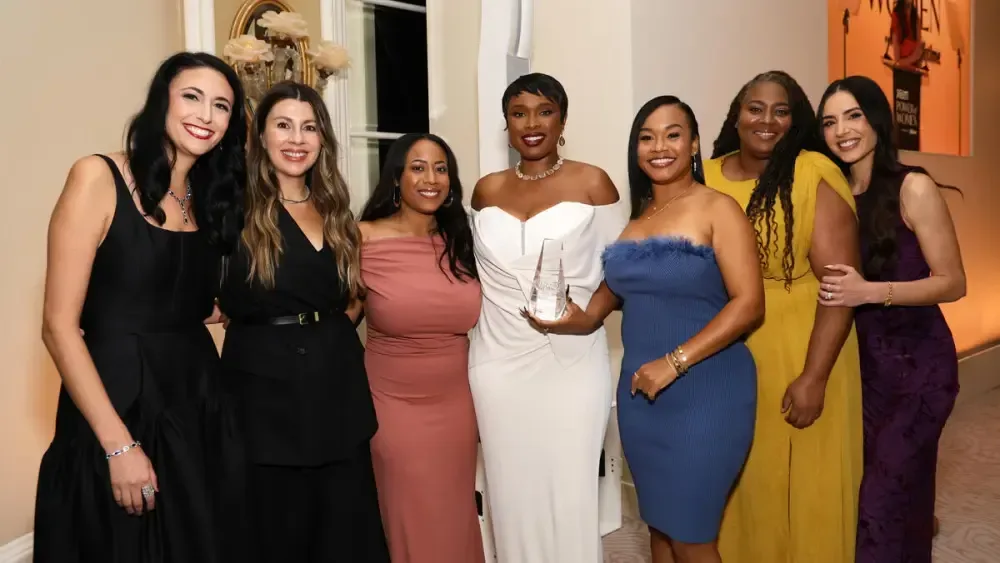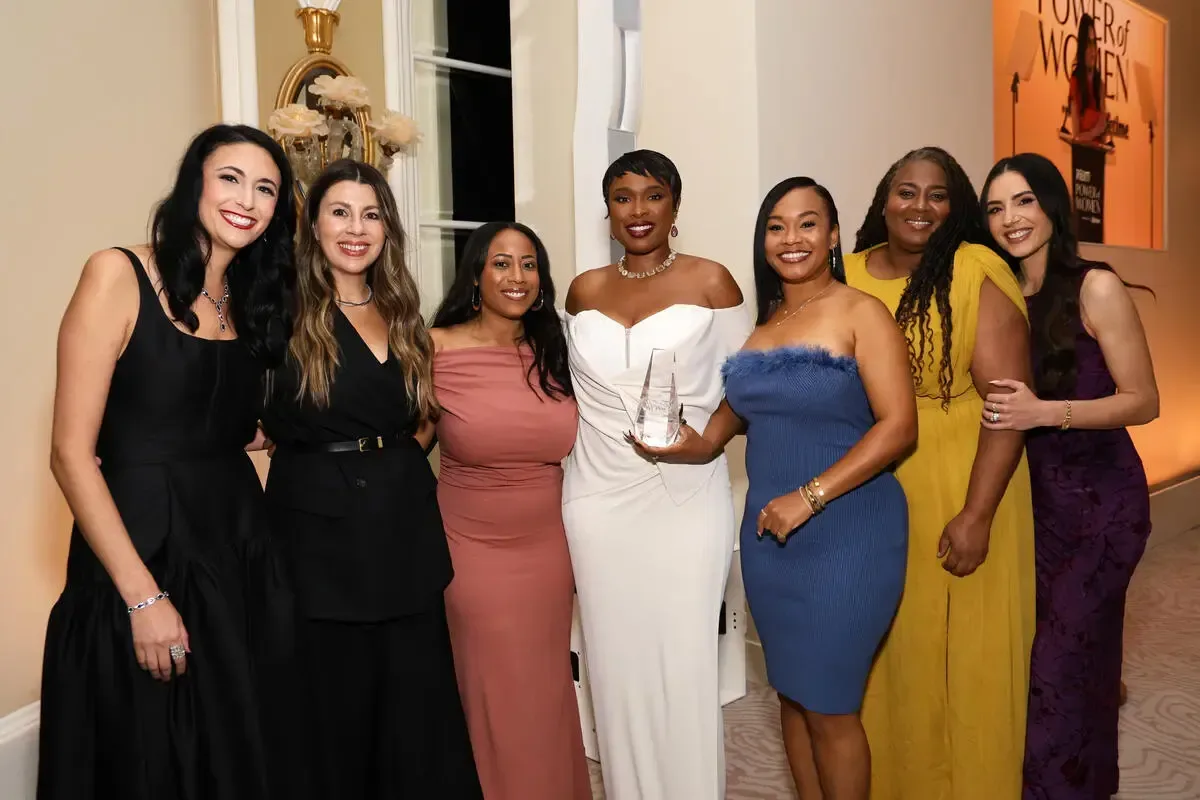
The Jennifer Hudson Show has received a Changemaker Award at an L.A. Power of Women event in Beverly Hills, with Jennifer Hudson using the moment to put the spotlight on the people who build the daytime series alongside her.
Hudson accepted with members of the production team present, describing the honor as recognition for the roughly 150 producers behind the show. Rather than framing the award as an individual achievement, she made the case that its meaning rests in the daily collaboration required to create a program designed around welcome, celebration and emotional connection.
Michelle Salemi, the show’s co-executive producer, joined Hudson at the microphone and accepted on the team’s behalf. Salemi said the program’s ambition is to make material that is creative, joyful and meaningful—content that can entertain while also prompting thought and feeling.
A recognition centered on collaboration
That team-first emphasis is more than an awards-stage courtesy. A talk show’s identity may be inseparable from its host, but its output is shaped by a large number of people working across production, editorial planning and distribution. Hudson’s decision to make space for that group, and Salemi’s decision to speak for it, made collaboration the central subject of the acceptance.
Salemi said the staff is working to meet audiences where they are as the media landscape changes. In practical terms, that means a daytime television show is not defined only by what airs in its scheduled slot. Individual clips, recurring segments and shareable moments can reach people who may never watch a full broadcast.
The show’s reported digital figures underline that broader footprint. Across five seasons, it has passed 11 billion online views and donated more than $3 million. Those are two very different measures: views represent audience exposure, while donations describe direct charitable giving. Taken together, they help explain why the award focused on cultural impact rather than treating the show solely as a television product.
“Those numbers are incredible, but what they really tell us is that we’re connecting,” Salemi said, while crediting the women representing the show’s larger staff.
Salemi also credited Hudson’s original goal for the series: creating a place where people can gather, be themselves and feel seen. That idea was echoed in the introduction for the award, which praised the show’s empathy, authenticity and heart, and characterized it as a welcoming space in an often overwhelming world.
Why the Spirit Tunnel has mattered online
The show premiered in September 2022, and one of its most recognizable recurring elements has been the Spirit Tunnel, the preshow ritual that became a major social-media success. It has accumulated more than 6 billion views across social platforms.
A preshow ritual is exactly what it sounds like: an activity that happens before a guest’s formal interview or main appearance. Yet this particular ritual has become a distinct piece of programming in its own right. Its success illustrates an important feature of modern talk-show distribution: a repeatable segment can develop a life beyond the episode that contains it.
That does not mean a viral clip replaces a full program. It does mean the segment can serve as an entry point. Viewers who encounter a short, upbeat moment on a social feed are introduced to the show’s personality and to its intended atmosphere. For a series built around making guests and viewers feel recognized, the Spirit Tunnel’s format is especially aligned with the larger brand message.
The figures shared for the 2025–2026 season show a marked expansion in that social reach. The show’s follower count rose 90.7% to 17.5 million. Impressions increased 242.8% to 7.5 billion, while engagement climbed 164.1% to 537 million. It ranks first among daytime talk shows on TikTok and Threads.
What those metrics actually measure
It is useful to distinguish these terms rather than treating them as interchangeable. Followers are accounts that have opted to receive a creator’s updates. Impressions refer to how often content is displayed, which can include repeated exposure to the same person. Engagement measures audience interactions with content, such as reactions, comments, shares or other platform-specific actions.
As a result, the statistics do not all describe the same thing. Follower growth points to a growing audience base. Rising impressions show that posts are being surfaced or viewed more often. Engagement growth suggests that people are doing more than simply scrolling past. The three together give a fuller, though still platform-dependent, picture of how a television brand travels on social media.
The reported increases are substantial, but the most important context is that they sit beside the show’s stated purpose. Salemi did not present the numbers merely as a scoreboard. She positioned them as evidence of connection, reflecting the team’s effort to make the series feel relevant and accessible across changing viewing habits.
A daytime show built for more than daytime
Daytime television traditionally relies on a regular rhythm: episodes arrive frequently, hosts establish familiar routines, and audiences return for a mix of interviews, entertainment and human-interest moments. Social platforms add another layer. A segment needs to work not just for returning viewers, but for someone encountering it out of sequence on a phone.
The Jennifer Hudson Show’s recent performance suggests it has found a productive way to bridge those formats. The broadcast remains the home of the program, while social clips extend its reach, give recurring moments like the Spirit Tunnel additional value and make the show discoverable outside a conventional viewing schedule.
That combination also helps clarify the Changemaker framing. Cultural impact is not simply a matter of audience scale; it involves what is being amplified and how. The themes stressed at the event—empathy, joy, belonging, celebration and collaboration—are the traits the team identifies as central to its work. Its charitable total adds a concrete dimension to that stated mission.
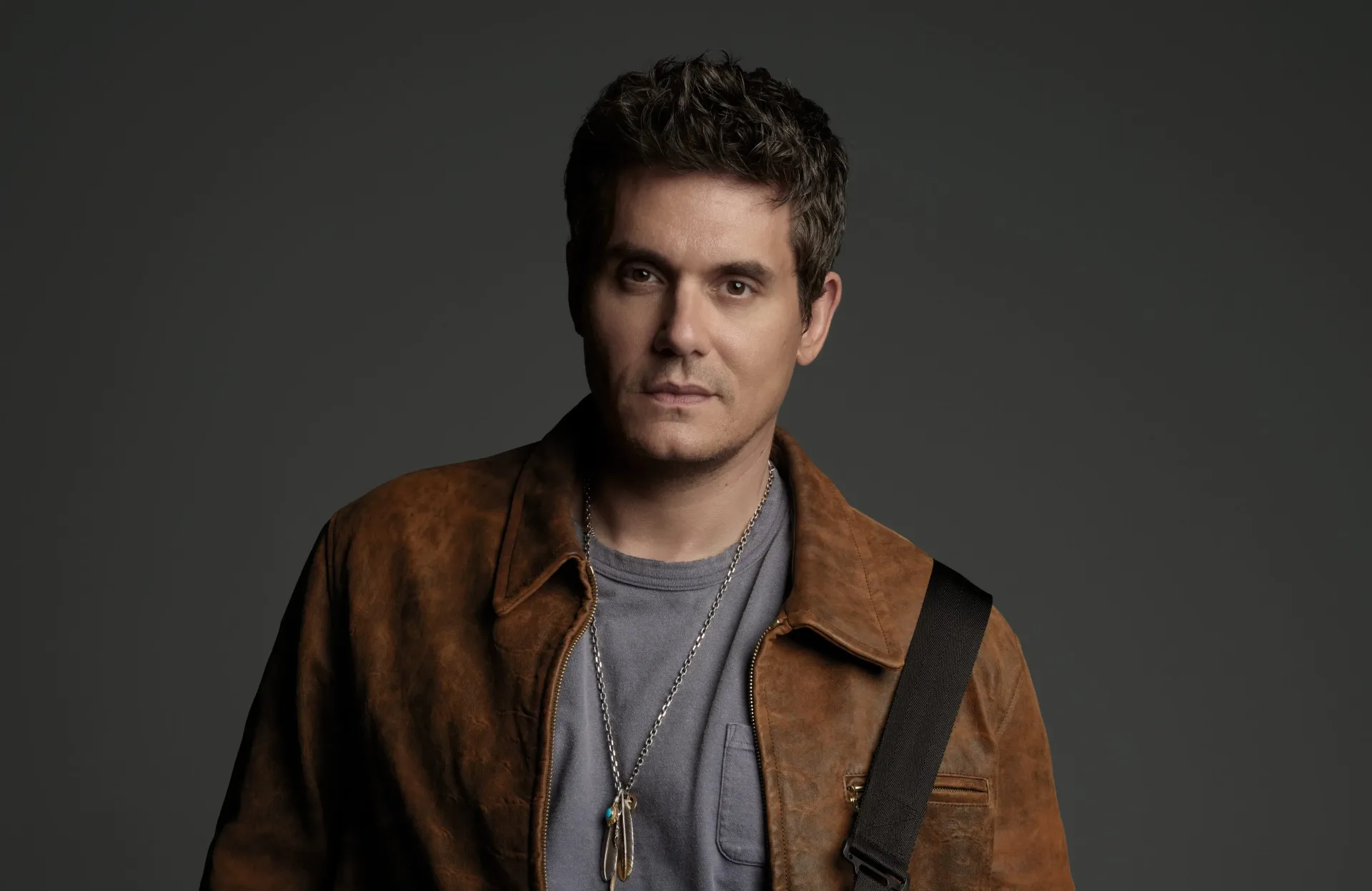
For viewers interested in the wider entertainment conversation, there is more coverage of live-performance culture in John Mayer’s planned Sphere residency.
Hudson’s message: the credit is shared
The clearest takeaway from the ceremony was Hudson’s insistence that the show’s achievements belong to its staff. Her praise was direct: she told the producers gathered with her that she could not live this life without them. Salemi returned that appreciation, calling Hudson the team’s “north star” and thanking her for standing alongside them.
It is a reciprocal description of leadership. Hudson is presented as the guiding figure whose values established the show’s purpose; the production staff is presented as the group that turns those values into a daily experience for viewers and guests. Neither half of that equation is treated as optional.
With more than 11 billion online views over five seasons, a viral ritual with more than 6 billion views, and sharply increased social metrics in 2025–2026, the show has clear evidence of scale. Its award acceptance, however, focused less on celebrating raw reach than on what the team believes that reach represents: an audience finding a welcoming, shared space in a fragmented media environment.