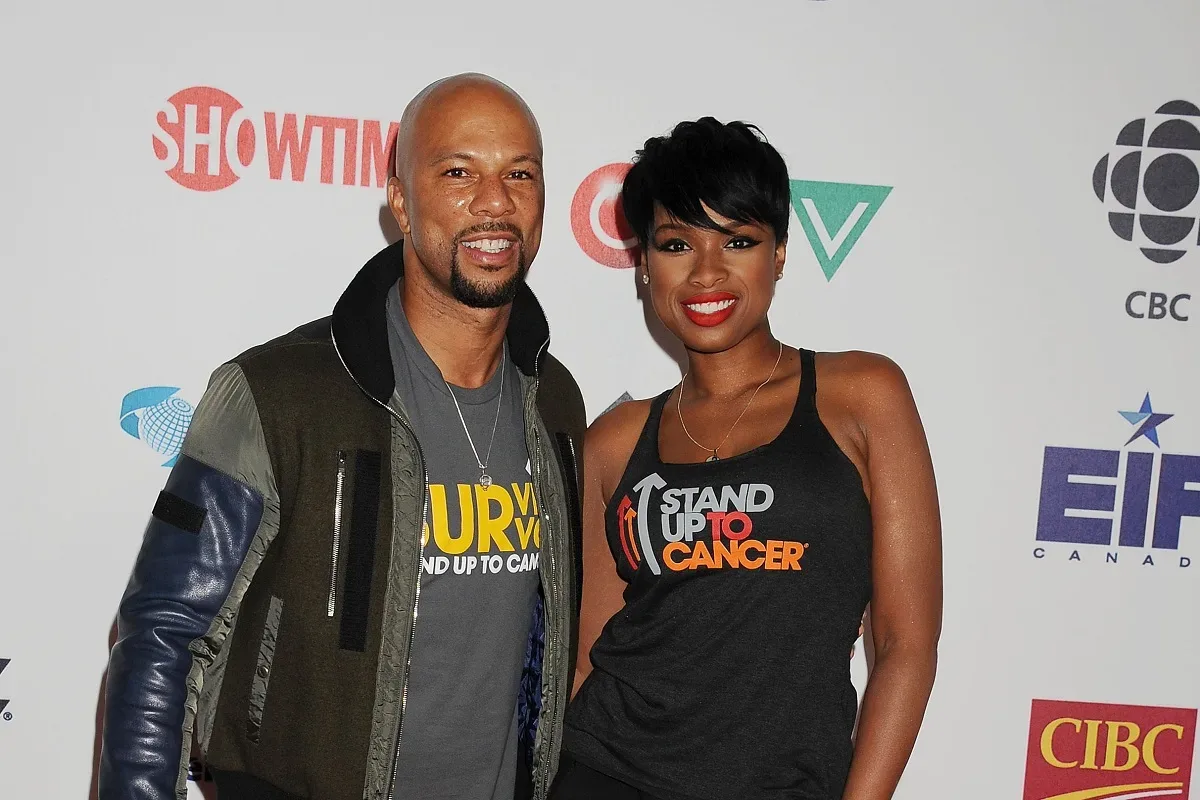
Jennifer Hudson is making one point especially clear when discussing her relationship with Common: she does not view marriage as an automatic destination or a required next level in a romance.
The actor, singer and talk-show host described the relationship as “divine” while speaking about the value of finding someone who understands her from multiple angles and shows up for the work that matters to her. But when the subject turned to traditional expectations around commitment, Hudson pushed back on the assumption that a woman must be waiting for a wedding.
“I think that’s a stigma that’s placed on women automatically like we just want to be married. I’ve never been that girl. There’s some freedom in that too. You can love just for the sake of loving, not for what’s next,” Hudson said.
That is not a wedding announcement, a timeline or a hint at secret plans. It is, instead, a direct statement that Hudson does not define the health or meaning of a relationship by whether it moves toward marriage. Her comments put the emphasis on connection in the present rather than an expected outcome.
Support, not a prescribed relationship checklist
Hudson’s description of Common centers on mutual understanding and encouragement. She spoke about being able to relate to a partner on many levels, then offered a concrete example of what support looks like in her life as a performer: asking him to join her at Madison Square Garden.
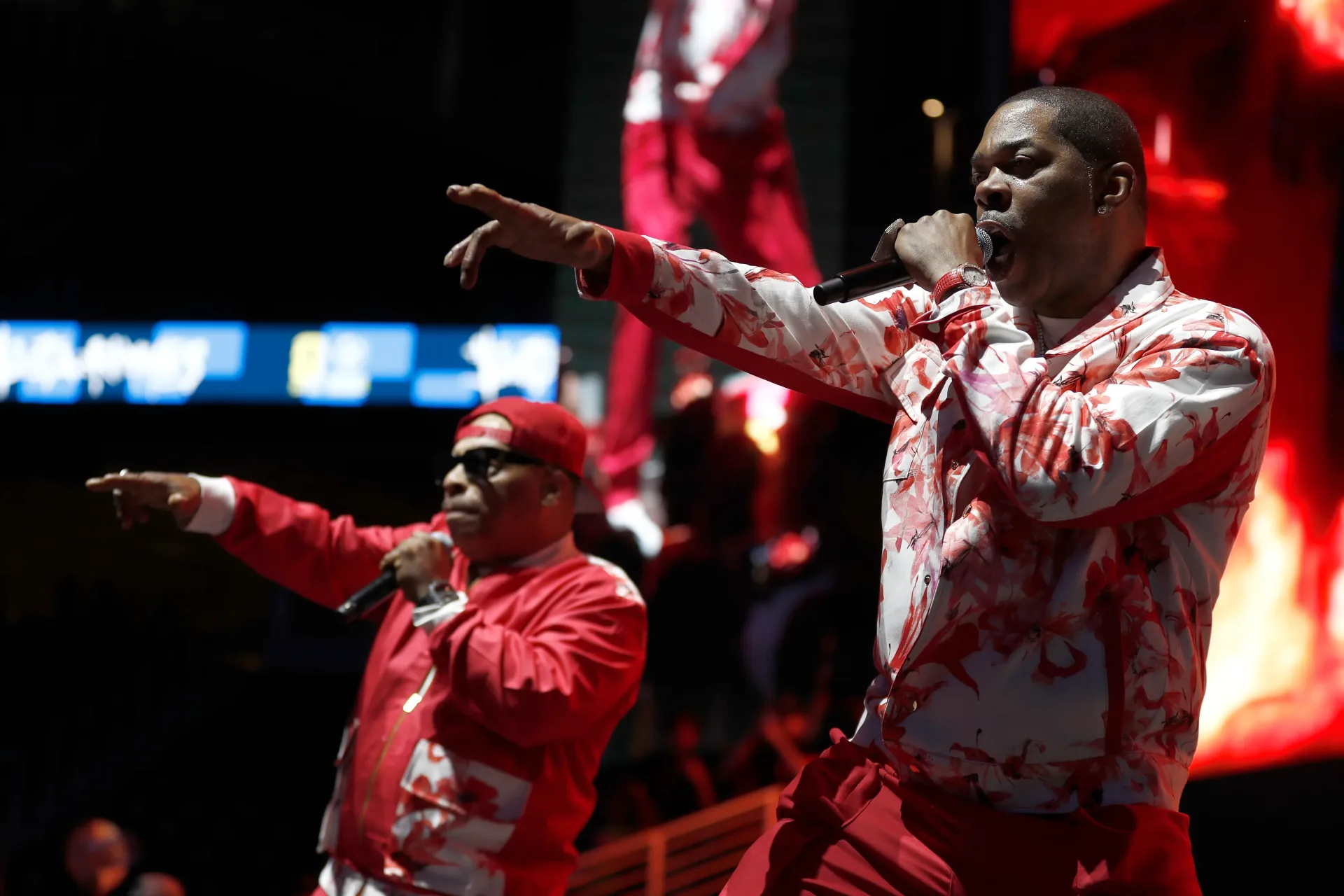
Common came out to perform “Glory,” a song Hudson identified as one of her favorites. The moment matters because it moves the conversation beyond broad declarations about a celebrity relationship. Hudson’s example describes a partner participating in a significant creative occasion when invited, rather than a relationship being measured through public milestones.
That distinction is at the heart of what Hudson is saying. A relationship can be serious, affirming and creatively supportive without being presented as a countdown to an engagement. The word “divine” conveys her appreciation for the bond; her comments on marriage establish that appreciation should not be mistaken for a conventional promise about what comes next.
What Hudson means by freedom
Hudson’s use of “freedom” is important context. She is not describing a lack of care or emotional distance. Her remarks frame freedom as the ability to love without allowing social pressure to dictate the purpose of that love.
Related coverage includes Jennifer Hudson Says Marriage Isn’t the Goal in Her Relationship With Common.
In practical terms, Hudson rejects a familiar narrative applied to women in public relationships: that audiences should immediately ask whether marriage is imminent. Her answer is that the premise itself does not fit her. She says she has never been “that girl,” and the statement leaves little room for reading her relationship through a standard celebrity-engagement speculation cycle.
There is a broader creative parallel in the way Hudson talks about her life. She repeatedly points toward authenticity: being supported in her music, enjoying the work of hosting, and returning to the studio because she feels inspired. The common thread is not chasing a prescribed checkpoint. It is making room for what feels meaningful.
A return to the studio inspired by family
Hudson also shared that her 17-year-old son has helped motivate her to return to recording music. She said music is constantly on her mind and described her son as highly musical, adding that his uninhibited approach has been an inspiration.
“I’m always thinking of music. I always say a room without music has no personality. And my son is extremely musical. I’m extremely musical. And I’m inspired by them,” Hudson explained.
The comments do not outline a release date, album title, collaborators or a particular project. They do establish that Hudson sees a renewed pull toward the studio, rooted in an everyday family connection rather than a detailed promotional rollout.
That matters when reading the discussion alongside her relationship comments. Hudson identifies two forms of support and inspiration: a son whose musical freedom energizes her own creativity, and a partner willing to join her in an important performance moment. Neither story is presented as a branding exercise. Both describe the people and experiences helping fuel the work she wants to make.
For readers following Hudson’s music career, the grounded takeaway is simple: she is thinking about music and says she has been motivated to get back into the studio. Anything more specific would go beyond what she has shared.
Why the talk show remains part of the picture
Hudson’s creative life is not confined to music. The Jennifer Hudson Show is in its fifth season, and she says the experience remains fun. She has found her groove, she explained, and gets to show up as herself each day.
That language suggests comfort with the format rather than a host simply going through the motions. Daytime talk shows demand a repeatable rhythm: interviews, audience energy, production routines and the ability to create a recognizable atmosphere episode after episode. Hudson says she has found that rhythm.
One recognizable element is the show’s guest tunnel, which has become a fan-favorite feature. Hudson joked that the internet would be ready to celebrate anyone who chose to do a somersault through it. The detail is lighthearted, but it explains why a short walk into the studio can become part of a show’s identity: a recurring bit gives guests a playful entrance and audiences a moment they can anticipate.
The tunnel also fits Hudson’s description of the show as fun. It is not presented as a formal innovation or a major production change. It is a small, repeatable gesture that helps make the program’s setting feel distinct and invites guests to loosen up before an interview.
Keeping the headlines in proportion
The attention-grabbing version of Hudson’s remarks would be a question about wedding plans. Her actual answer is more nuanced and more definitive: she does not accept the expectation that marriage should automatically be the goal.
That does not diminish the warmth of what she said about Common. Hudson praised the feeling of relating to someone on several levels and highlighted his willingness to support her performance of “Glory” at Madison Square Garden. Rather than defining love through a future ceremony, she describes it through real compatibility and mutual encouragement.
It is also a useful reminder that public curiosity often tries to turn a relationship into a sequence of anticipated announcements. Hudson’s comments resist that framing. The meaningful information here is what she volunteered: she feels supported, she feels connected, and she values the freedom to let love exist without demanding a prewritten next chapter.
Her current professional picture follows the same theme. The talk show is in a comfortable fifth-season groove. Music is calling her back to the studio, with inspiration coming from her son. And her relationship, as Hudson describes it, has room for support without being boxed into an externally imposed expectation.
For more music-focused pop-culture coverage, revisit the renewed discussion around a full-length “Living So Italian” recording.