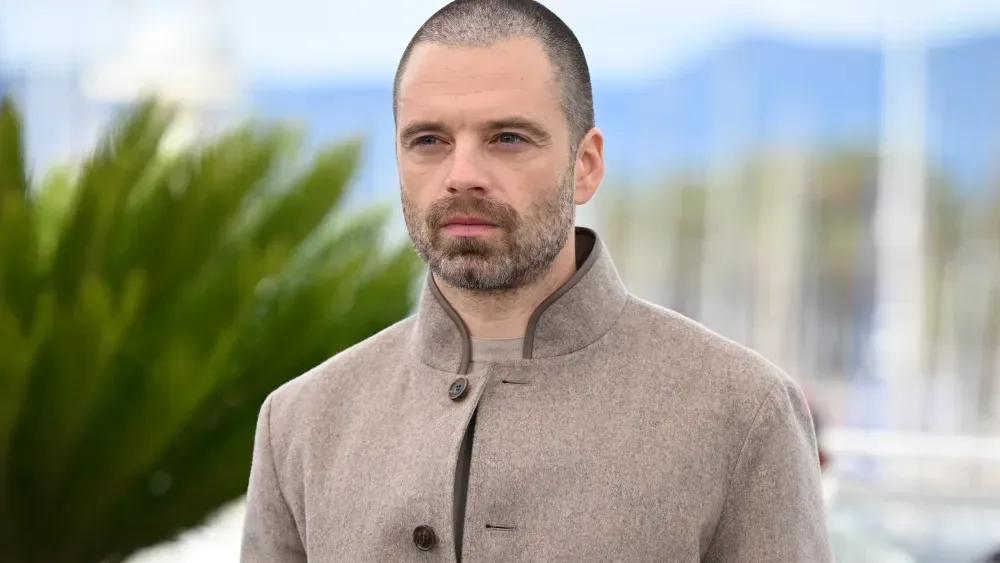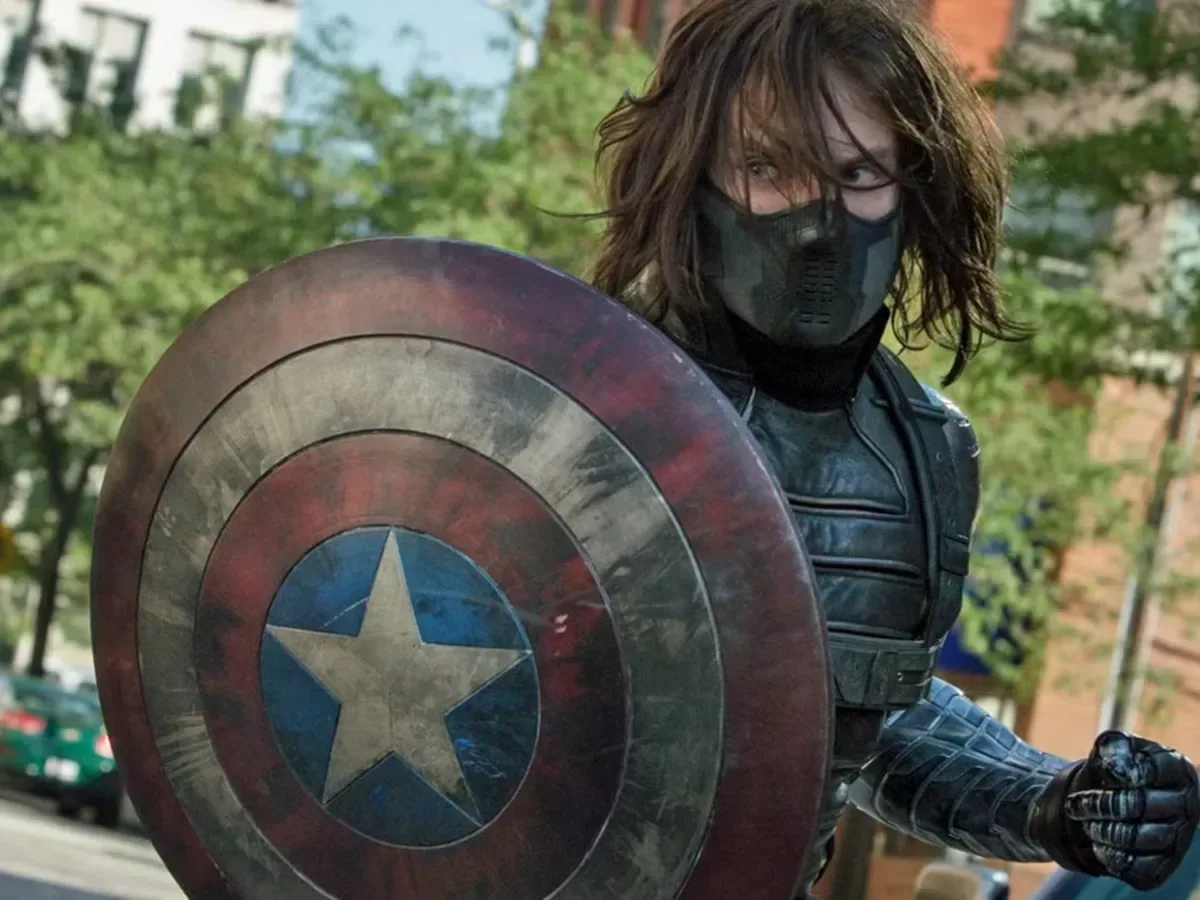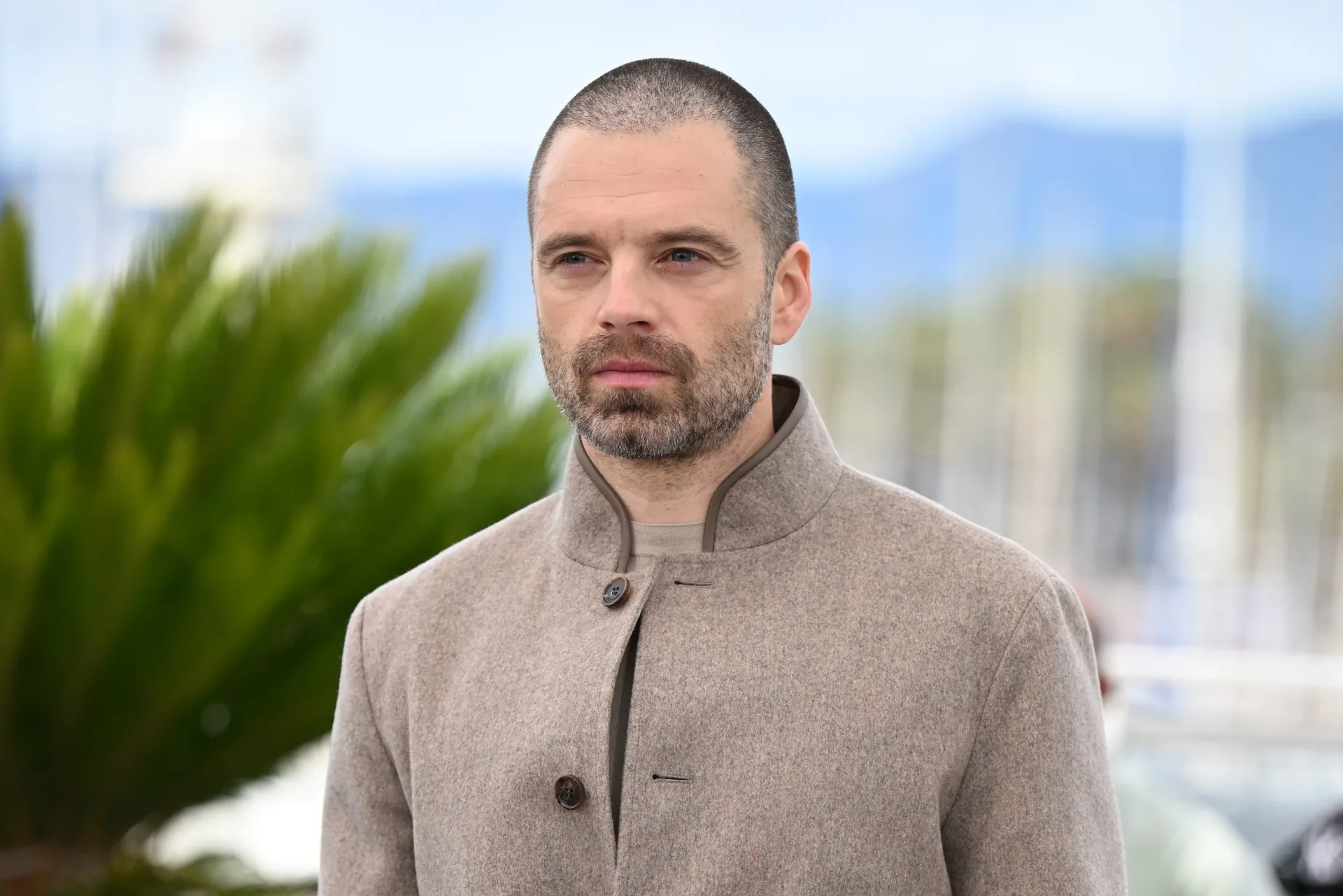
Sebastian Stan is back as Bucky Barnes, the Winter Soldier, in Avengers: Doomsday, but he says he does not yet know precisely how the finished movie plays. That uncertainty is important context for the biggest phrase fans have latched onto: Stan believes the film will be “probably heartbreaking” in several ways.
It is an evocative description, particularly from an actor whose Marvel role stretches back to 2011’s Captain America: The First Avenger. Still, it is not a plot reveal. Stan said he has not seen the completed film and does not know how it turned out. The measured takeaway is that Doomsday may aim for emotional weight, not that any particular character’s fate has been confirmed.
“I haven’t seen the movie, and I don’t know how it turned out,” Stan said. “I’m sure it’s going to be probably heartbreaking, in a lot of ways. We’ll see who makes it to the next level.”
That last line naturally invites speculation after the scale and finality associated with Avengers: Endgame. But a phrase such as “makes it to the next level” can cover far more than a death: a character could leave a team, sacrifice a role or identity, be separated from friends, or simply reach a new chapter. None of those possibilities is confirmed here, either. The only firm point is Stan’s expectation of an emotional story.
Bucky’s long Marvel history makes a reunion meaningful
Stan’s perspective carries some emotional force because Bucky has been part of Marvel’s modern screen history for a long time. After debuting in Captain America: The First Avenger, Stan returned in Captain America: The Winter Soldier, Captain America: Civil War, and Avengers: Infinity War, alongside additional Marvel appearances. Bucky’s story has repeatedly revolved around memory, trauma, loyalty, recovery, and the shifting relationships that remain after enormous conflict.
Stan did not frame the new production around a specific scene or twist. Instead, he spoke about seeing longtime collaborators again and the sense of looking back on years spent knowing and growing up with one another. He described the group as a family. That is a useful distinction: nostalgia can be part of the experience for performers and can inform the movie’s tone, while remaining separate from any spoiler-level claim about the narrative.
For audiences, the appeal of a large crossover is often not merely the prospect of bigger battles. It is the chance to revisit connections built across multiple films. A reunion can make a film feel consequential even when the script is preserving its key surprises. Stan’s comments suggest that the history shared by the cast was tangible during production, and that can help explain why he anticipates a poignant result.
Another cast member has also described uncertainty
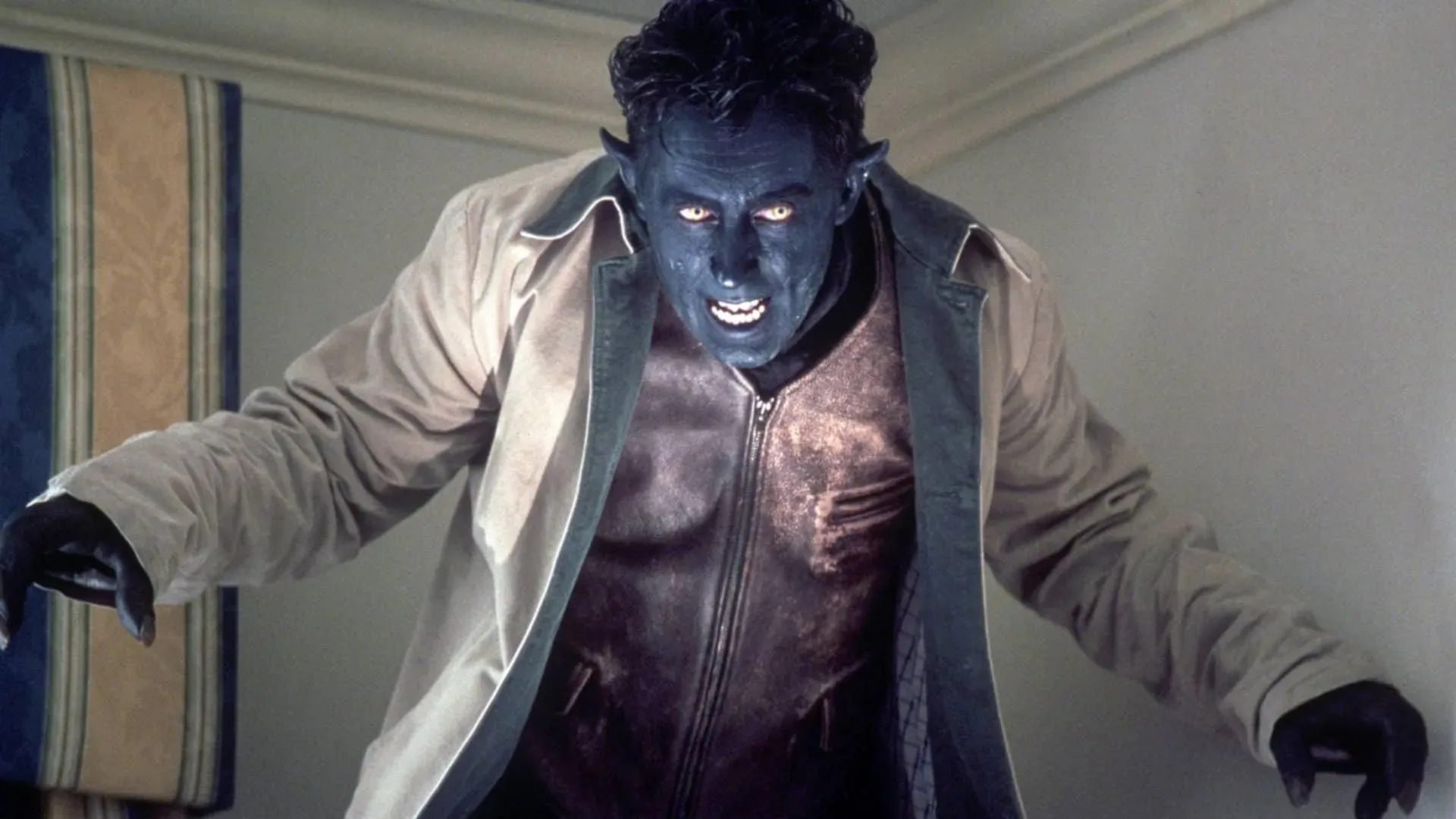
Stan is not the only performer associated with Avengers: Doomsday to indicate that the overall picture was not necessarily clear from an individual actor’s vantage point. Alan Cumming, returning as Nightcrawler, has said that he does not fully understand the plot. Cumming first played the mutant superhero in 2003’s X2: X-Men United.
Related coverage includes Sebastian Stan Expects Avengers: Doomsday to Be Heartbreaking.
Cumming also said that much of his work was filmed in front of blue screen. In practical filmmaking terms, blue screen is a visual-effects method in which performers act against a colored background. That background can later be replaced with a digital environment, effects work, other imagery, or a composite of multiple elements. An actor may therefore perform without seeing the final location, scale, or many of the finished visual details.
That does not inherently mean a production is confused or incomplete. Effects-heavy ensemble films are frequently assembled from material created at different times and in different places. The final film’s meaning can emerge through editing, music, visual effects, and the way separate performances are placed together. A performer’s partial view of the story is especially unsurprising when a project involves a large cast and closely guarded plot information.
The Russos’ “living organism” approach, explained
Co-directors Joe and Anthony Russo have described their screenplay process in terms of a “living organism.” Joe Russo said their approach is based in improvisation and rehearsal, and that the script can evolve as the directors see what performers bring to their characters. He also noted that actors are sometimes not available until days or weeks before filming their scenes.
Put simply, this approach treats the screenplay as a working blueprint rather than a document that must remain locked exactly as written from the first day of shooting. Rehearsal can identify a stronger line reading, a more revealing reaction, or a different rhythm between characters. Improvisation, in this context, means performers may have room to discover moments within the directors’ process; it does not mean the movie is being made without planning.
There is also a clear practical reason individual cast members might not possess a complete map of the movie. If scenes are evolving, filmed out of sequence, or completed against visual-effects backdrops, an actor may only know the material required for a given day. That is particularly relevant to a franchise feature where maintaining surprise is part of the audience experience.
It would be a leap, however, to turn that production method into evidence of a particular story development. Script revisions and rehearsal discoveries can improve character scenes, action staging, or clarity as easily as they can alter large plot points. The Russo brothers’ comments establish a creative philosophy, not a list of changes or a confirmation of who survives.
Why “heartbreaking” is not a spoiler
Fans are right to notice the emotional language around a major Avengers release, but it is worth separating tone from fact. “Heartbreaking” is an impression. It tells viewers something about the feeling Stan expects the finished film to create, based on his experience making it and his longstanding relationship with the people involved. It does not identify the event responsible for that feeling.
- Confirmed: Stan returns as Bucky Barnes in Avengers: Doomsday.
- Confirmed: Stan has not seen the finished film and expects it to be emotionally painful in some ways.
- Confirmed: Cumming returns as Nightcrawler and has said he does not fully understand the plot.
- Confirmed: The Russo brothers have said their scripts can change through rehearsal and collaboration with performers.
- Not confirmed: the death, exit, or survival of any individual character.
- Not confirmed: what exact event makes the film heartbreaking.
That distinction matters most as anticipation intensifies. A shared-universe story can generate dozens of plausible theories from one carefully chosen word, especially when returning characters have decades of comic-book and screen history behind them. But theory is not confirmation, and an actor’s uncertainty about the final cut is a reason to be more cautious, not less.
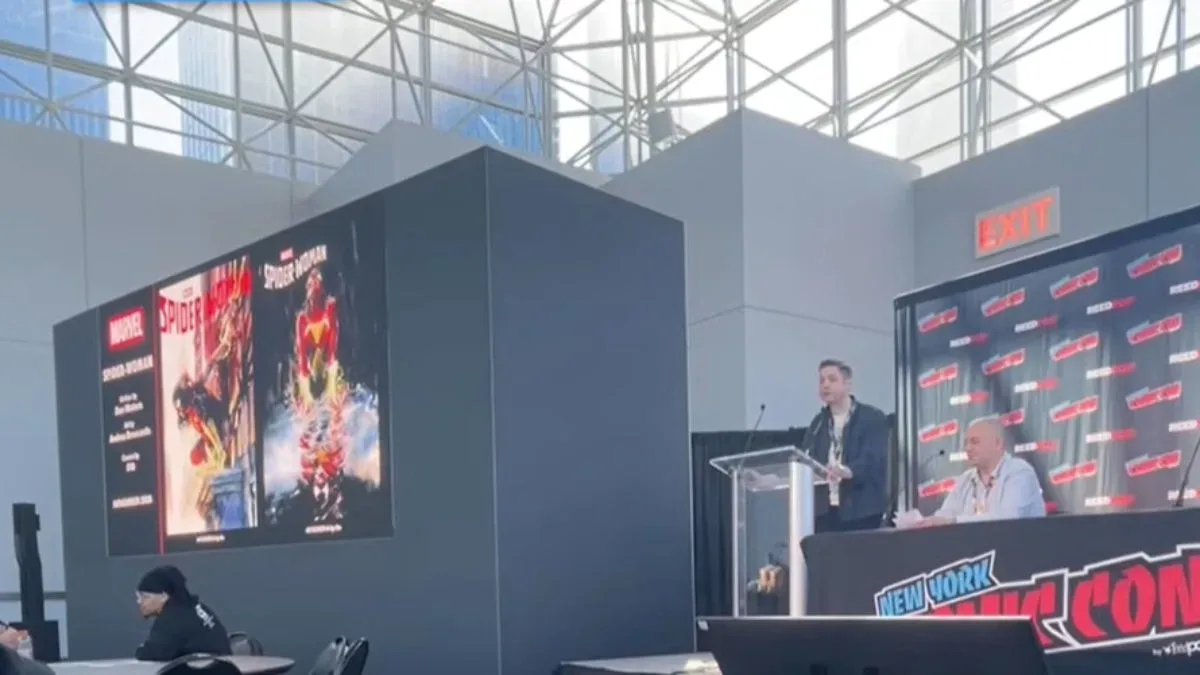
Marvel’s wider storytelling ecosystem remains active across formats, including comics; Spider-Woman’s new noir-horror direction with Carnage is a separate example of how different corners of the universe can pursue radically different tones. That variety also underlines why “heartbreaking” is too broad to decode on its own. A Marvel story can reach that emotion through personal history, a difficult choice, a reunion, or an ending without revealing which path Doomsday takes.
What viewers can reasonably expect now
The available comments point toward a film shaped by reunions, a large-scale effects process, and an evolving performance-led production method. They also point toward a cast that may not have had complete knowledge of the eventual assembled movie. Those details fit an event feature designed to preserve discoveries for the theatrical experience.
Stan’s remark is best understood as an emotional tease rather than a mortality roll call. His return to Bucky, and his description of reconnecting with fellow performers, give the comment genuine resonance. Yet the responsible read is still the straightforward one: he expects Avengers: Doomsday to hurt in some fashion, but has not seen the finished result and has not revealed why.
Avengers: Doomsday is scheduled for a theatrical premiere on December 18. Stan’s latest film, Fjord, is set to reach theaters Friday.