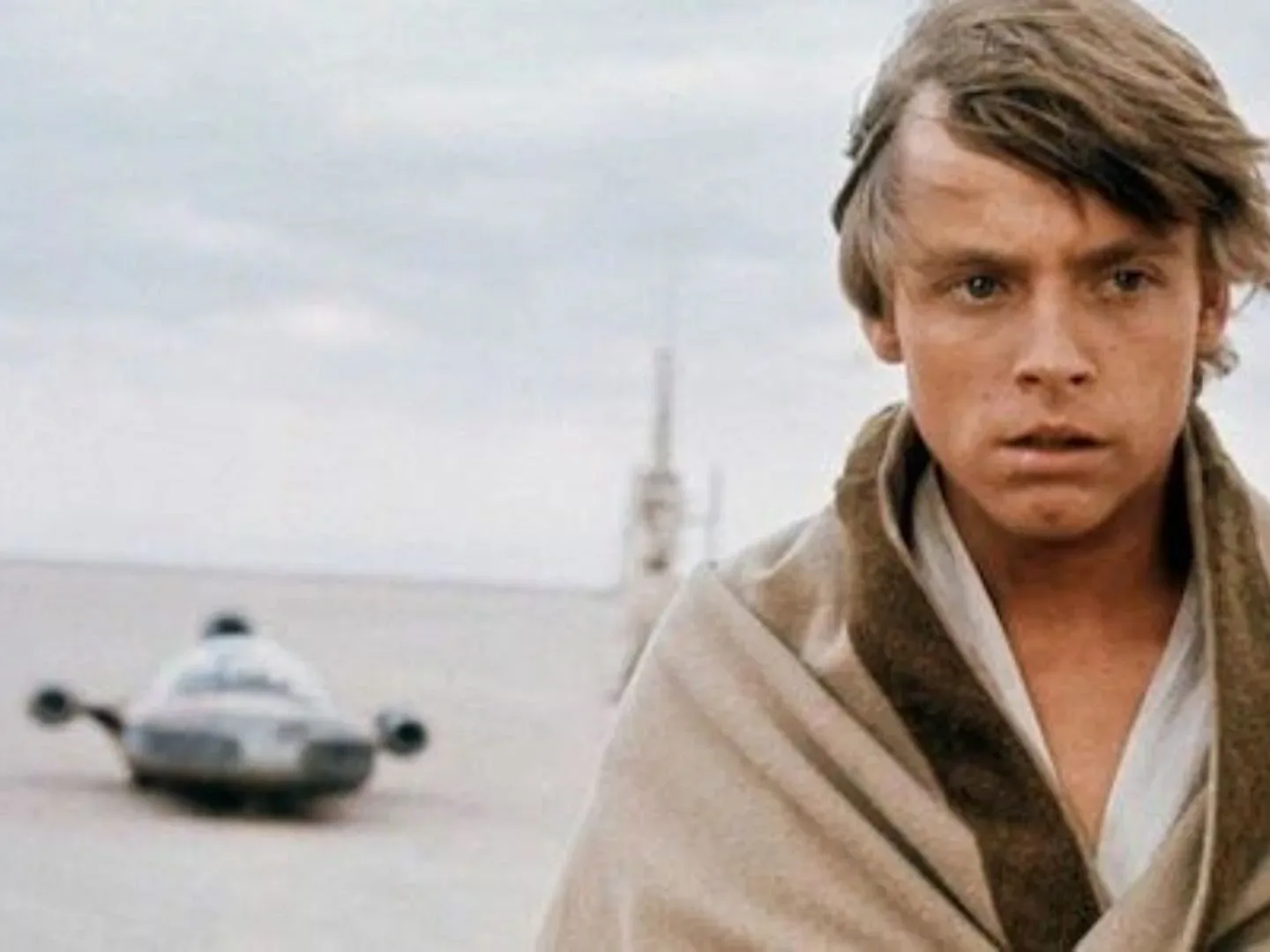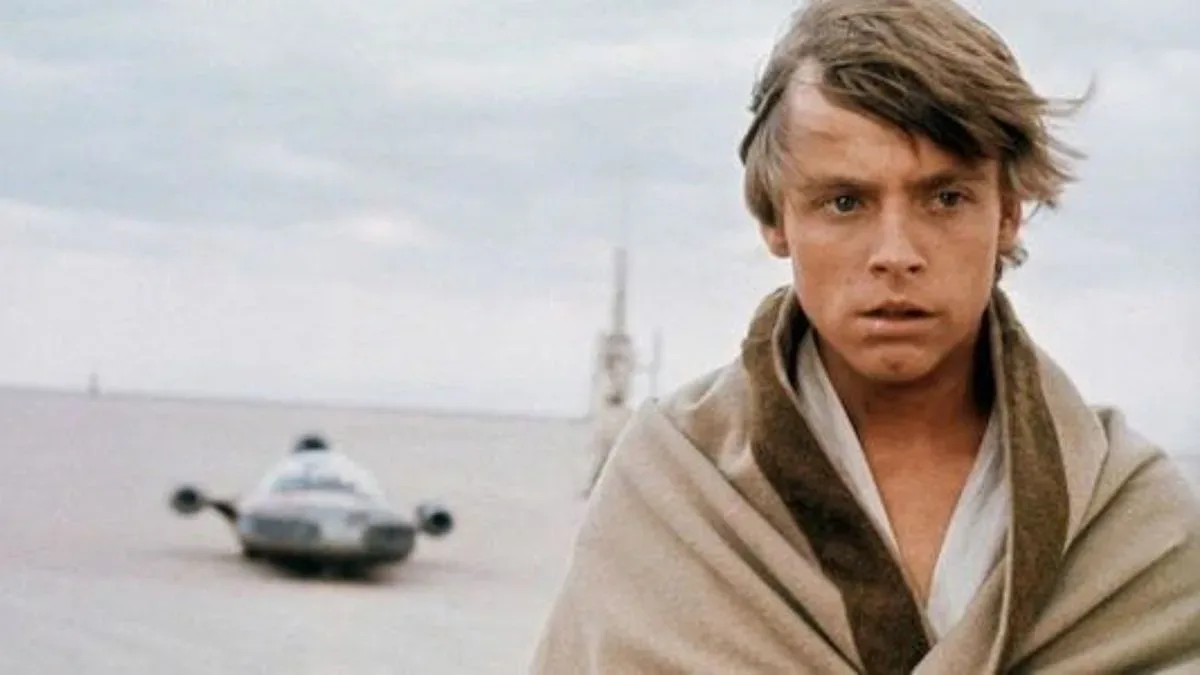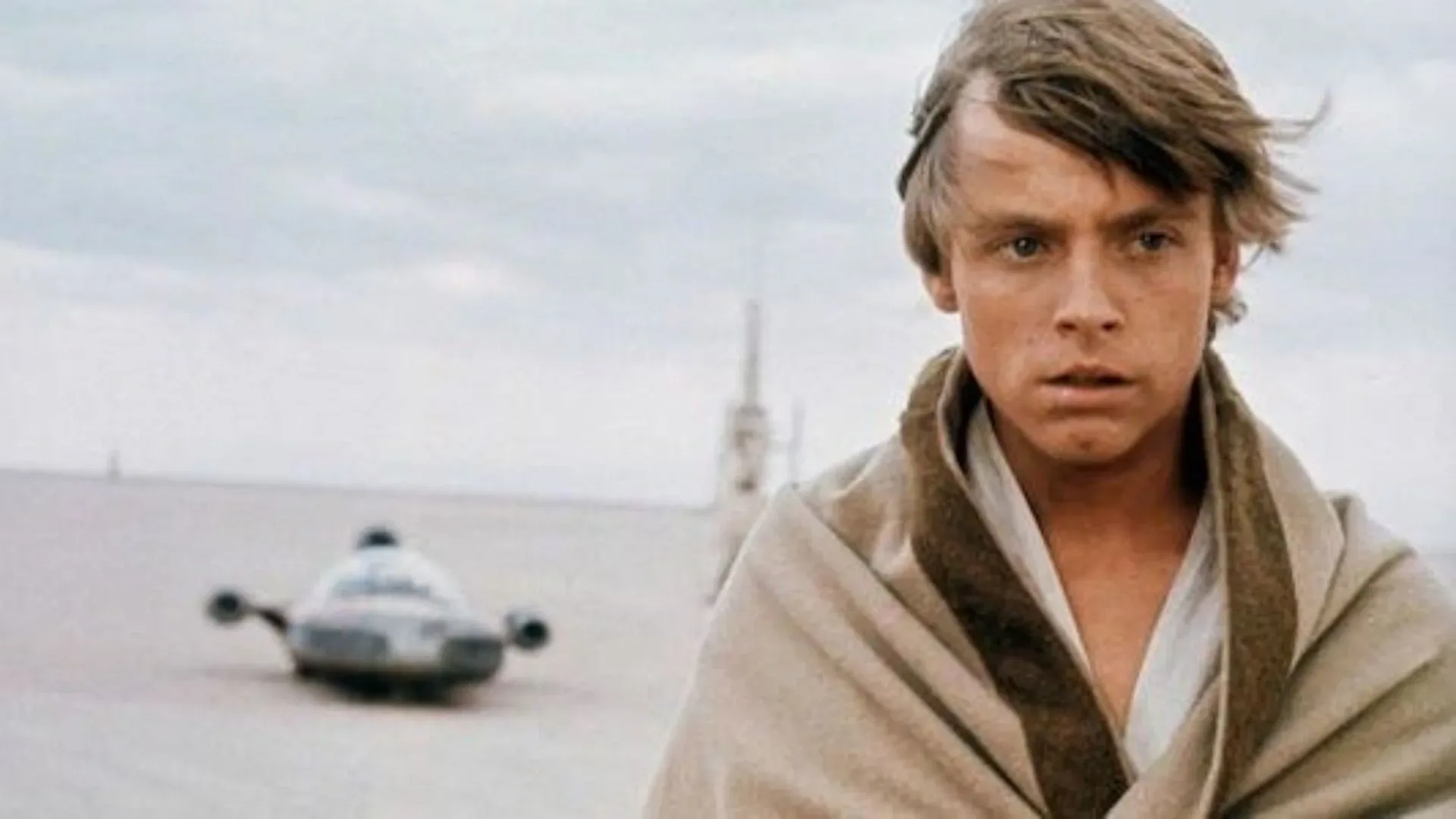
For all the starships, lightsabers, masked villains and intergalactic family drama that eventually came to define Star Wars, one of the saga’s most enduring images remains strikingly small: Luke Skywalker, standing outside on Tatooine, looking at a pair of setting suns.
Fans have recently been revisiting that “binary sunset” scene from the original film with an affection that goes beyond simple nostalgia. The recurring point is not merely that it is beautiful, though it clearly is. It is that the scene articulates something huge through an almost wordless combination of performance, landscape and music. Luke looks outward; John Williams’s score rises; the story briefly lets the audience sit with a young person’s desire for a larger life.
That simple construction helps explain why the scene still lands nearly 50 years after the original movie reached theaters. It does not require a detailed understanding of the wider franchise. A viewer only needs to recognize the emotion on screen: someone feels confined by their circumstances and imagines possibilities beyond them.
A quiet scene with an enormous job to do
The binary sunset sequence arrives at a pivotal emotional point for Luke. Tatooine is already established as his home, but it is not where he wants his life to end. When he turns his attention to the horizon, the film makes his restlessness visible. The twin suns are unmistakably alien, yet the feeling is immediately familiar.
For more context, explore Facebook’s Paid-Link Test Is Catching Government and Nonprofit Pages in Its Net.
That is a key distinction. World-building is often discussed as the process of supplying lore, rules, places and names. This scene takes a more economical route. The image of two suns tells viewers they are somewhere other than Earth, while Luke’s expression tells them exactly what kind of person he is at this point in the story. The setting establishes the fantastical; the feeling supplies the human connection.
Fans responding to the moment repeatedly emphasize that combination. Some call out its sense of hope, its pull toward adventure and the “unseen possibilities” reflected in Luke’s face. Others identify with the more uncomfortable side of the image: being stuck, lost or eager for a future that has not yet arrived. Those readings are closely related. Hope has weight because Luke’s present situation feels limited.
Importantly, the sequence does not need to spell that out in dialogue. It trusts the audience to read the pause. In practical storytelling terms, it is an example of visual exposition: communication through an image, an actor’s expression, sound and context rather than a character explaining their feelings aloud. Luke’s longing is not a plot detail delivered for later reference. It is the emotional foundation that makes what follows matter.
John Williams’s music turns a look into a feeling
The scene would be memorable as an image alone, but the music is inseparable from why it has become iconic. Fans have praised the score as overwhelming, moving and, in one admirer’s estimation, John Williams’s finest work. Another viewer recommended seeing the film with a live symphony, underscoring how central the orchestral writing is to the scene’s effect.
A score can do several jobs at once. It can provide rhythm, establish tone, identify characters or connect scenes emotionally. Here, it enlarges an intimate moment without making it feel less intimate. The camera is not showing a battle or a galaxy-changing confrontation. It is showing Luke looking at the sky. Yet the music gives his private thought the scale of a myth.
That is why the sequence can feel both personal and cosmic. The visual subject is one young man; the musical subject seems larger than any single character. The result invites viewers to place their own hopes, regrets or ambitions in the space the scene opens up. When fans say that, for a moment, “we are all Luke,” they are describing this bridge between a specific fictional circumstance and a broadly recognizable emotional state.
Calling a piece of music a theme can sometimes make it sound like a label rather than an active storytelling tool. In this case, the score is doing active work. It tells the audience that Luke’s wish for something more is not trivial. The film takes his yearning seriously before it asks viewers to take his journey seriously.
Alien enough to be transportive, familiar enough to matter
Tatooine’s two suns are an especially elegant piece of science-fiction imagery because they serve the scene rather than distracting from it. The landscape is strange at a glance, but it is not so strange that the audience loses the emotional thread. A sunset is a universal visual reference point; a binary sunset transforms it into something unfamiliar.
That balance is part of why fans describe the world as both alien and believable. Believability in fantasy does not always mean technical explanation. It can also mean emotional coherence. The audience understands Luke’s boredom, dissatisfaction and curiosity even though his home has a sky no real viewer has seen. The fantastic setting gives the emotion a fresh shape instead of making it remote.
The scene also reveals a discipline that can be obscured when discussing a franchise as large as Star Wars. The story began with one film, and fans have noted that the original works because it is a strong standalone piece of filmmaking. Its later expansion does not erase the value of its smallest moments. If anything, the continued return to the binary sunset demonstrates how firmly the original film established its emotional stakes before the broader saga had accumulated around it.
Why restraint makes the moment durable
There is no major action beat in the binary sunset scene. No revelation is delivered, no villain enters, and no elaborate explanation asks viewers to catalog the rules of the galaxy. The sequence stops long enough for atmosphere to become character development.
That restraint gives the audience room to participate. Because the scene does not narrowly define every thought in Luke’s head, viewers can approach it from different points in their own lives. A child may see a promise of adventure. Someone older may recognize the ache of wanting change. Another viewer may chiefly respond to the music, the composition or the reminder that a gigantic franchise can still make room for silence.
None of those responses cancel the others. They are evidence of a scene built with enough clarity to be understood and enough openness to be revisited. The fact that fans describe being moved by it now as much as when they first encountered it points to that flexibility. The scene has not changed, but viewers do.
It is also a useful reminder that spectacle is not inherently the same thing as scale. The visual effects may be grander elsewhere in the saga, but emotional scale comes from making an internal feeling seem consequential. Luke’s choice to look toward the horizon is outwardly modest. The film and score make it feel like the beginning of a life being pulled into motion.
What comes next for the galaxy
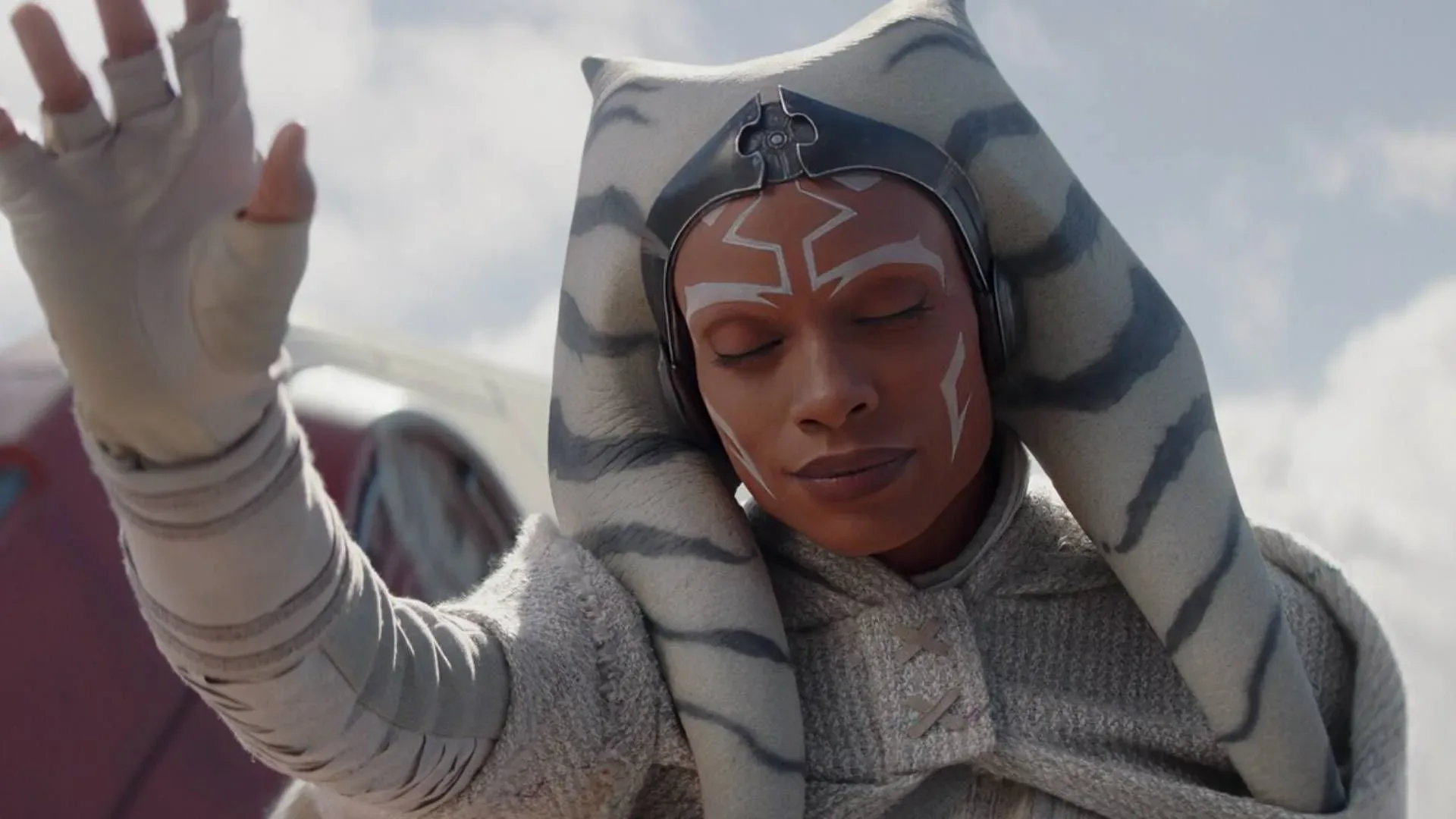
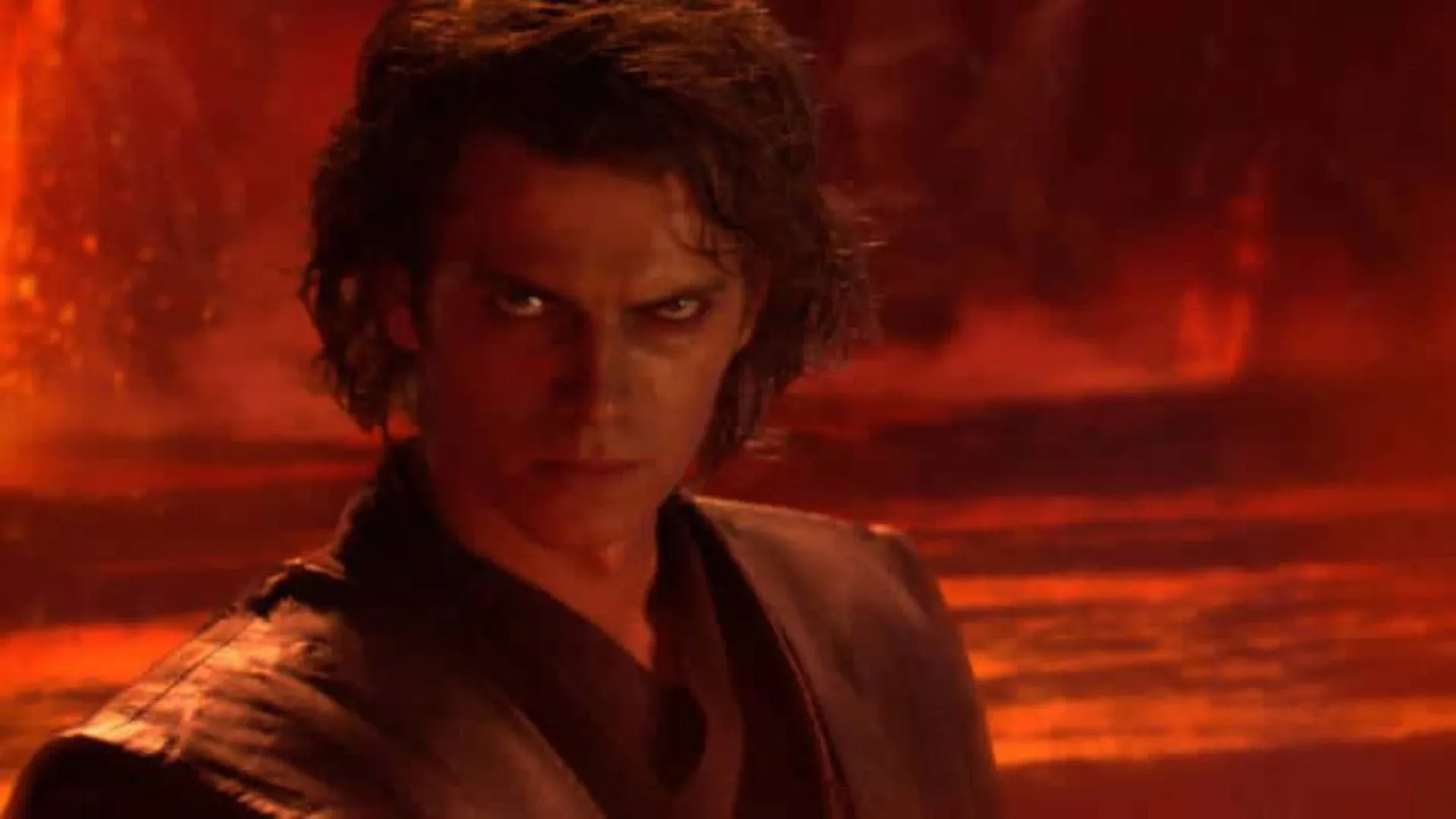
While the original film’s quiet Tatooine pause continues to resonate, the franchise’s next scheduled screen chapter is Ahsoka season 2. It is set to arrive on Disney Plus on January 20 and is expected to include Admiral Ackbar, Hayden Christensen’s Anakin Skywalker and the Mortis gods.
Those returning figures point to the franchise’s vast present-day scope. But the renewed attention on Luke’s binary sunset offers a useful counterpoint to that scale. A galaxy can grow through characters, mythology and new stories; it can also remain anchored by a single image that captures a feeling viewers recognize immediately.
Luke watches two suns go down, the music swells, and the future seems impossible to ignore. Nearly five decades later, fans are still looking back at that moment—and finding a little of their own future in it.