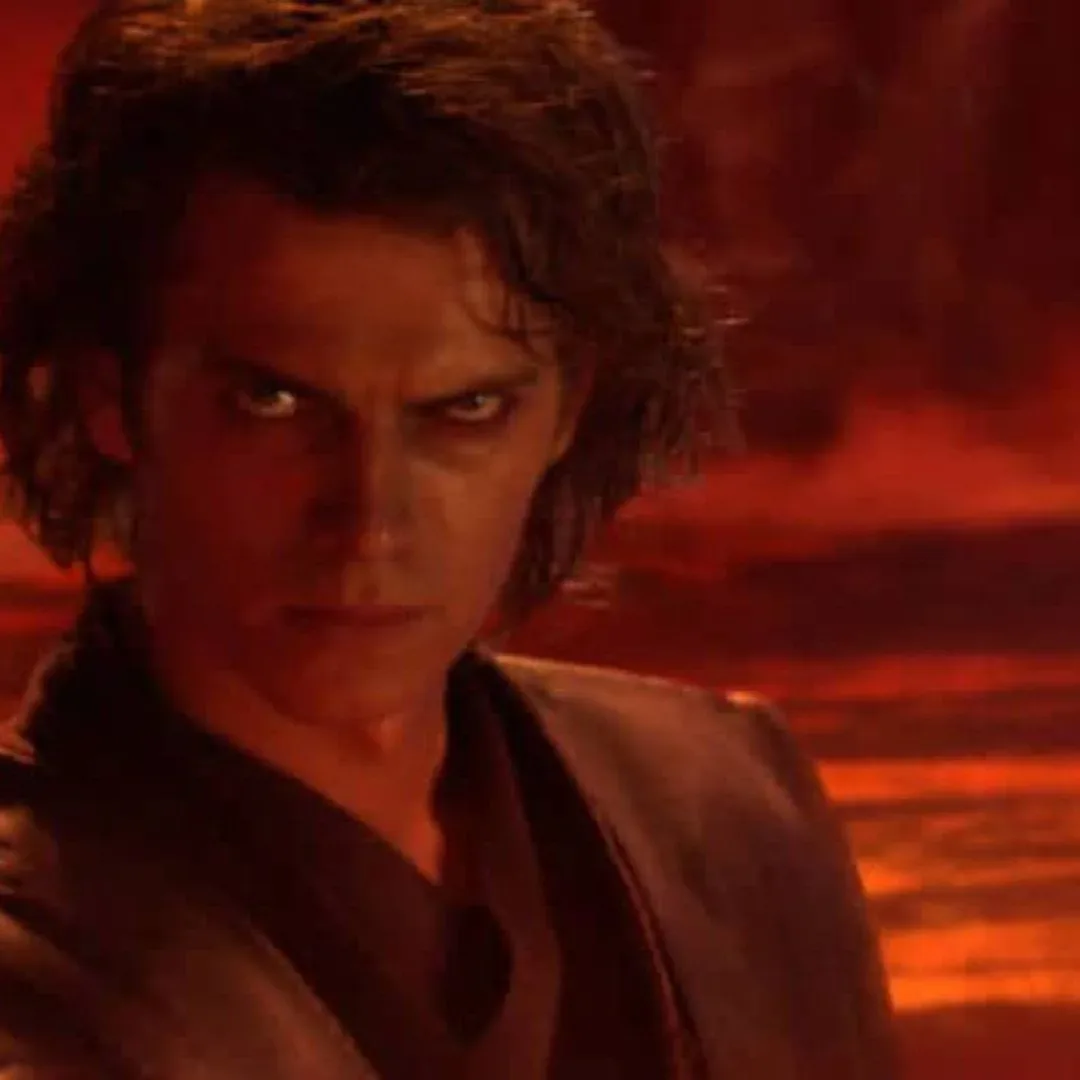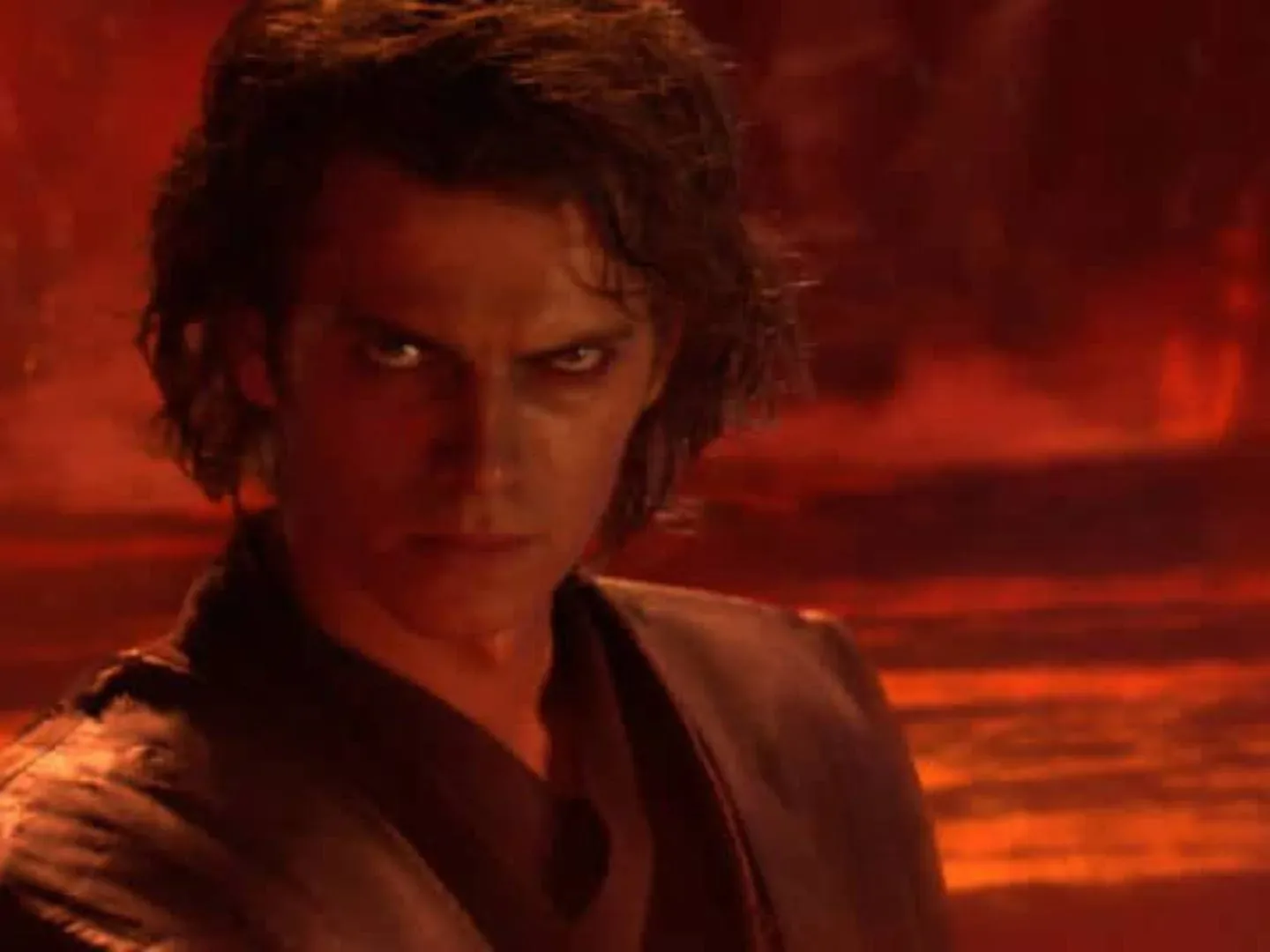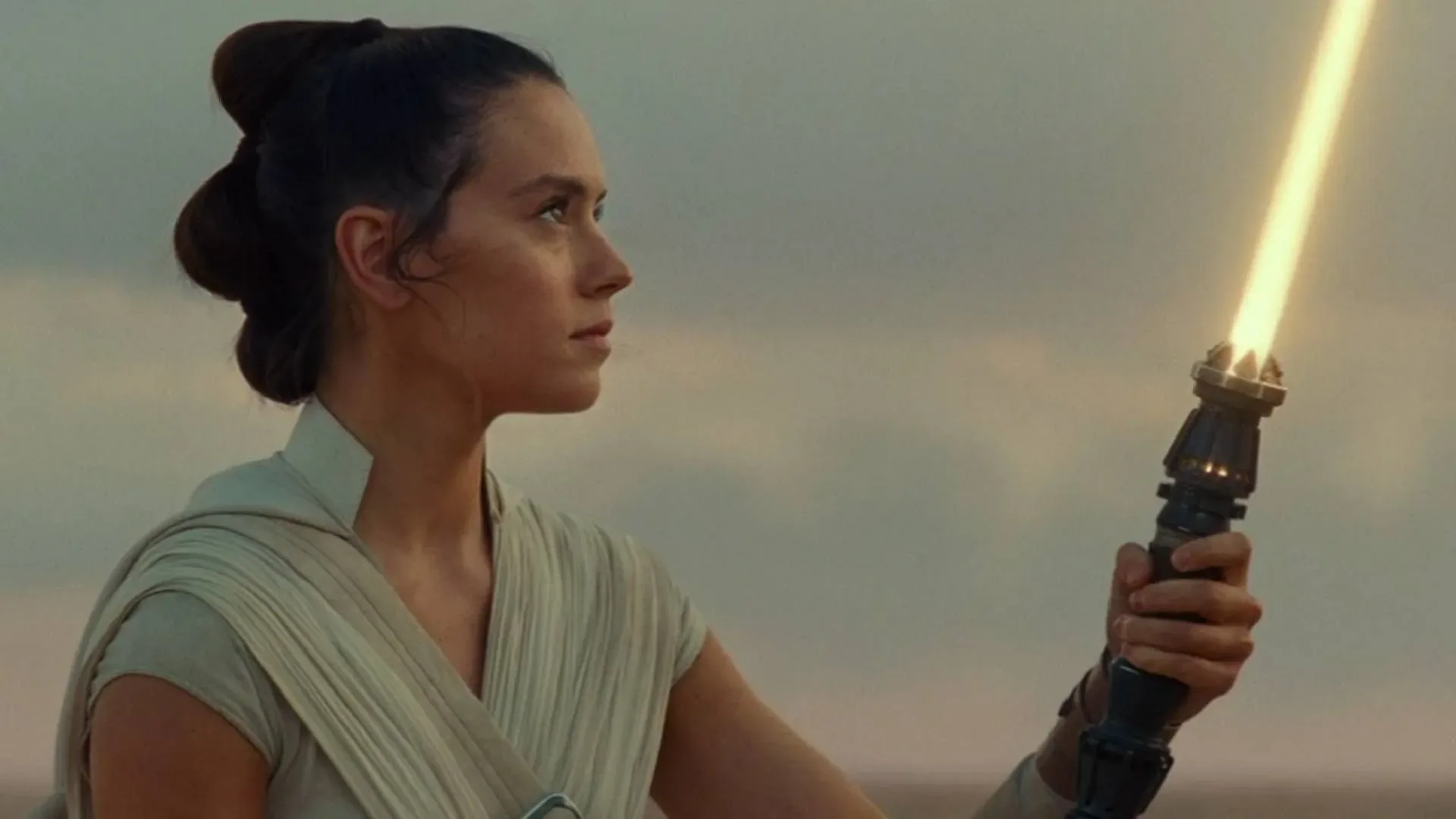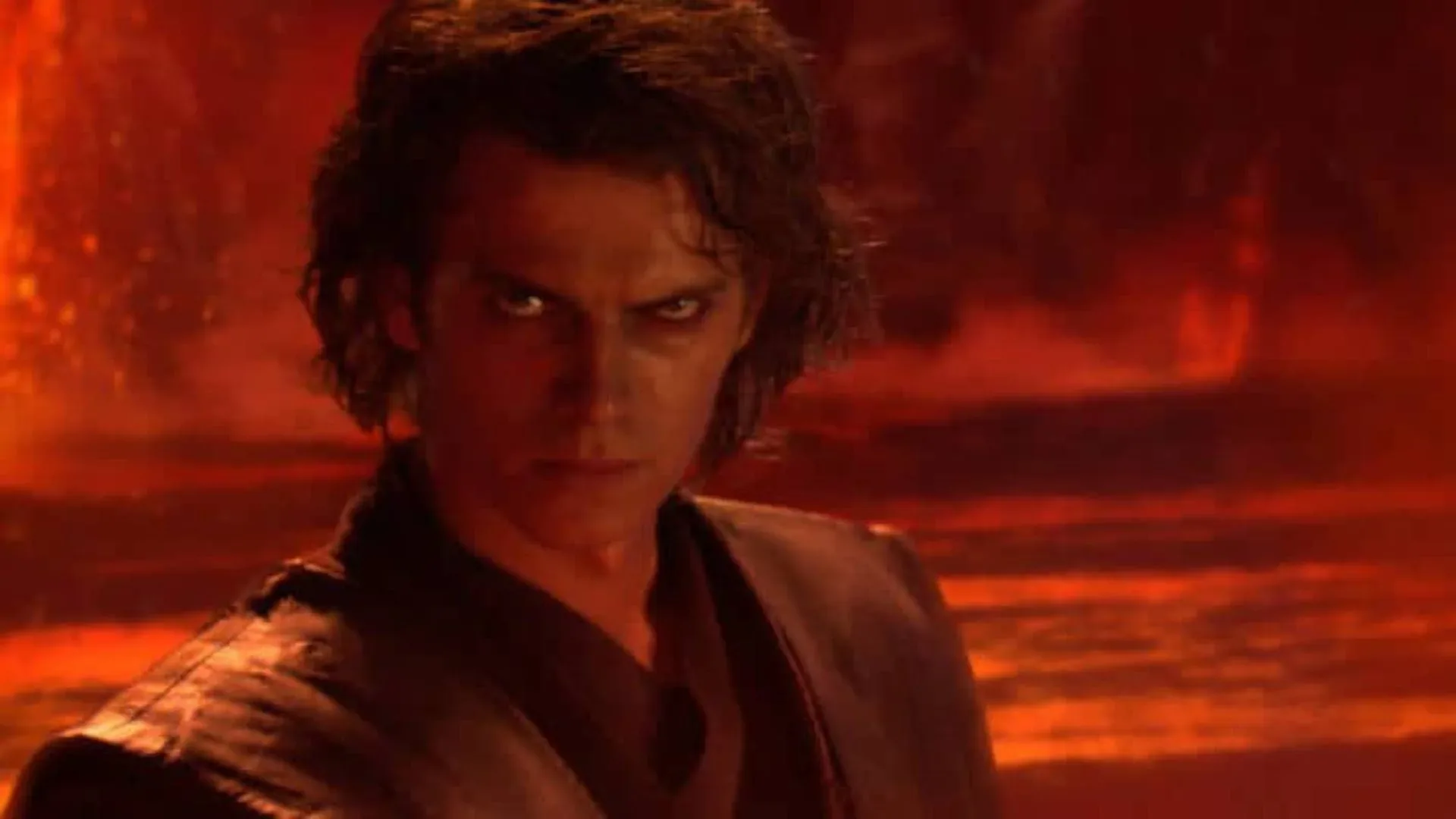
A newly highlighted Star Wars parallel puts Padmé Amidala and Luke Skywalker on the same emotional path: both look at Anakin Skywalker at his worst and still believe there is something worth saving.
The comparison centers on two conversations involving Obi-Wan Kenobi, separated by the saga’s real-world release order and by its internal chronology. In Revenge of the Sith, Obi-Wan is attempting to locate Anakin after his turn to the dark side. Padmé cannot bring herself to give him Anakin’s location, aware that Obi-Wan may have to kill the man she loves. Later in the timeline, Return of the Jedi gives Luke the same essential conviction in a different form: he cannot kill his father because he believes there is still good in him.
That connection is poignant not just because Luke is Padmé’s son, but because Obi-Wan is present at both turning points. He sees Padmé’s hope fail to prevent Anakin’s fall, then encounters Luke’s similar determination years later after he has accepted Anakin as Darth Vader. The scenes turn a family resemblance into something more substantial than appearance: a shared willingness to appeal to Anakin’s remaining humanity.
Two scenes, one belief
Padmé’s position in Revenge of the Sith is tragic because it is shaped by immediate danger. Anakin has already embraced the dark side, and Obi-Wan needs to find him. She knows the stakes of telling Obi-Wan where Anakin is, yet cannot simply treat her husband as an enemy beyond recovery. Her insistence that good remains in him is not presented as naïveté without consequence; it exists alongside the reality that Anakin has become dangerous and that Obi-Wan has few safe choices.
For more context, explore Monster Hunter Wilds: Ascendance Puts Its Hunt on Hard Mode With Skybound Eyrie and Boost Bracers.
Luke’s confrontation with the same issue is clearer, but no less risky. By Return of the Jedi, Darth Vader is an established agent of the Emperor and the central threat in Luke’s personal story. Luke nevertheless refuses to reduce his father to the mask, title, and atrocities associated with Vader. He argues that some part of Anakin remains.
The symmetry is especially effective because Luke does not know he is repeating his mother’s belief. Padmé and Luke arrive at their faith in Anakin independently, in radically different circumstances. One knows Anakin as her husband at the instant he is being lost; the other knows Vader primarily as the father he has only recently discovered. Yet each sees a distinction between what Anakin has done and the possibility that he is entirely unreachable.
Luke’s refusal to abandon Vader can be read as the continuation of Padmé’s last hope for Anakin, even though Luke has no way of knowing he is carrying it forward.
Why Obi-Wan makes the parallel hurt more
The fan observation gains much of its force from Obi-Wan’s role. He is tied to Padmé through Anakin and to Luke through the responsibility of protecting the next generation after the Republic’s collapse. In the prequel-era scene, he needs information to confront a former friend and apprentice. In the original-trilogy scene, he has already lived with the apparent certainty that Anakin is gone.
This is why Luke’s hope can sound, from Obi-Wan’s perspective, like a painful echo. Obi-Wan has personal reasons to believe redemption is no longer possible. He raised and trained Anakin, watched his transformation into Vader, and experienced the loss as both a political catastrophe and an intimate betrayal. His assessment is not detached cynicism. It is a conclusion formed by grief, failure, and survival.
At the same time, the contrast lets Luke represent a possibility Obi-Wan cannot emotionally or practically pursue. One fan response framed the difference carefully: Padmé and Luke may have been right that Anakin could return, while Obi-Wan still could not reasonably be expected to bring him back. Obi-Wan’s direct involvement had become inseparable from their conflict. Luke, by contrast, is Vader’s son, and that relationship offers a different opening.
This is an important distinction. Believing that someone can be saved is not the same as claiming every person is positioned to save them. The story does not require Obi-Wan to have made an easy mistake for Luke’s compassion to matter. Instead, it creates a painful division of roles: Obi-Wan must oppose Vader because the threat is immediate, while Luke can risk an appeal to the father within him.
Luke as Padmé’s heir
Fans have long debated which parent is more visible in Luke and Leia. The discussion around this parallel argues that Luke’s defining trait is closer to Padmé’s than Anakin’s: emotional openness joined to firm moral conviction. He becomes a capable Jedi, but his final success is not simply a result of winning a duel. It comes from refusing to accept that violence is the only answer available to him.
That reading does not erase Anakin’s influence on Luke. Luke’s conflict with Vader is personal precisely because of their shared connection, and his potential is tied to his father’s legacy. But the moral choice that distinguishes Luke in the final confrontation is his insistence on seeing a person where others see only a weapon of the Emperor.
Padmé makes a comparable appeal to Anakin’s heart rather than his fear or ambition. The two characters’ approaches are not identical—Padmé speaks to her husband before his identity as Vader has fully solidified, while Luke confronts Vader after decades under the Emperor—but both direct attention toward the good Anakin once showed. In narrative terms, that shared appeal is the mechanism of the parallel.
Leia provides an illuminating counterpoint in the fan discussion. One interpretation sees her as carrying more of Anakin’s headstrong, unconventional wartime energy despite her political similarities to Padmé. Whether viewers agree with that character reading or not, it underlines why Luke’s resemblance to Padmé resonates: it is less about job titles, Force ability, or surface temperament than about the decision to hold onto compassion under pressure.
A release-order echo that works in timeline order
The scenes also demonstrate a useful kind of franchise storytelling: retroactive symmetry. That term describes a later-made story adding context that changes how an earlier work can be understood. Return of the Jedi came first, so its scene with Luke and Obi-Wan was not originally viewed as an echo of a Padmé sequence. Revenge of the Sith, released 21 years later, makes that association available by placing Padmé, Obi-Wan, and Anakin inside a similarly charged emotional conflict.
Retroactive symmetry does not require a viewer to assume that every matching line or gesture was planned from the beginning. Its value is interpretive. Once the prequel scene exists, the earlier Luke scene accumulates another layer of meaning. Obi-Wan’s skepticism is no longer only the opinion of a mentor warning Luke about Vader; it can also be understood as the response of a man who has already heard a loved one insist that Anakin still has good in him.
The release order produces an additional irony. Viewers first met Luke’s faith as a son’s defiant moral stance. The prequel then reveals that Luke’s position has an emotional ancestor in the mother he never knew. In chronological order, Padmé’s belief comes first and Luke’s becomes its eventual vindication. In release order, Luke’s belief gains retrospectively tragic context.
Why redemption remains the heart of the exchange
The discussion is not merely about a neat family parallel. It goes to the central question behind Vader’s ending: can a person who has committed immense harm still make a meaningful choice against evil? Padmé cannot stop Anakin’s descent, and Obi-Wan cannot reach him. Luke’s faith does not excuse Vader or deny the danger he poses. Rather, Luke refuses to let the Emperor define the only possible outcome.
That distinction makes Luke’s decision consequential. Compassion in this context is not passive approval. Luke is confronting a powerful adversary while refusing to kill him simply because killing appears inevitable. His belief creates the circumstances in which Anakin’s final choice can matter.
For Obi-Wan, the result is bittersweet. Luke’s instinct proves that Vader was not wholly beyond reach, but it does not invalidate the pain or the constraints that shaped Obi-Wan’s own decisions. The parallel instead gives the trilogy’s resolution a broader family dimension. Padmé’s faith survives her death, not as a literal message handed to Luke, but as a conviction he reaches on his own.
Hayden Christensen is set to return as Anakin in Ahsoka season 2, which is scheduled for Disney Plus on January 30. That return may prompt more attention to the character’s relationships across the saga, but the Padmé-and-Luke connection already shows why Anakin’s story continues to invite close rereads: his fall is never separated from the people who could still remember the good in him.