Major spoilers for Star Wars: The Clone Wars and Ahsoka season 1 follow.
Ahsoka season 2 will feature the Mortis gods, with Dave Filoni confirming that the powerful Force beings glimpsed at the end of the first season are more than a visual callback. The confirmation gives much sharper meaning to Baylan Skoll’s final image in season 1: the fallen Jedi stands atop a vast statue of the Father, pointing toward an unseen destination.
That destination, and the power Baylan appears to be pursuing in the season 2 trailer, are still unknown. But the Mortis connection now looks central rather than incidental. Filoni described the upcoming story as a question of belief, danger and competing priorities: whether its characters accept that something extraordinary is real, what risk follows if it is, and how a Jedi’s choices might differ from those of an ordinary person.
It is a fitting set of questions for a storyline built around the Force, but it is also a more useful way to approach the Mortis gods than treating them as simply another group of highly powerful characters. Their original role in animation was symbolic as well as literal. They turn the familiar language of light, dark and balance into characters who can argue, make demands and force Anakin, Obi-Wan Kenobi and Ahsoka Tano to confront what those ideas actually mean.
Who are the Mortis gods?
The trio originated in The Clone Wars. The Daughter represents the light side of the Force, the Son represents the dark side, and the Father represents balance between them. Their status makes them unusual within the wider saga: they are not merely Force users aligned to competing philosophies. They embody those opposing aspects of the Force in an overtly mythic form.
The Father’s interest in Anakin Skywalker is the key to the arc. He wants Anakin, identified as the Chosen One, to replace him. Anakin refuses. That refusal matters because it keeps Anakin’s future from becoming a tidy cosmic succession story. Rather than assume responsibility for holding light and dark in equilibrium, he returns to the path that eventually leads to his fall.
Mortis then subjects Anakin, Obi-Wan and Ahsoka to a severe test. The story’s events are not consequence-free allegory, either. The Daughter is killed by the Son. The Father then takes his own life to weaken the Son, allowing Anakin to kill him. Ahsoka is killed by the Son during the conflict and is subsequently revived by Anakin with the Daughter’s aid.
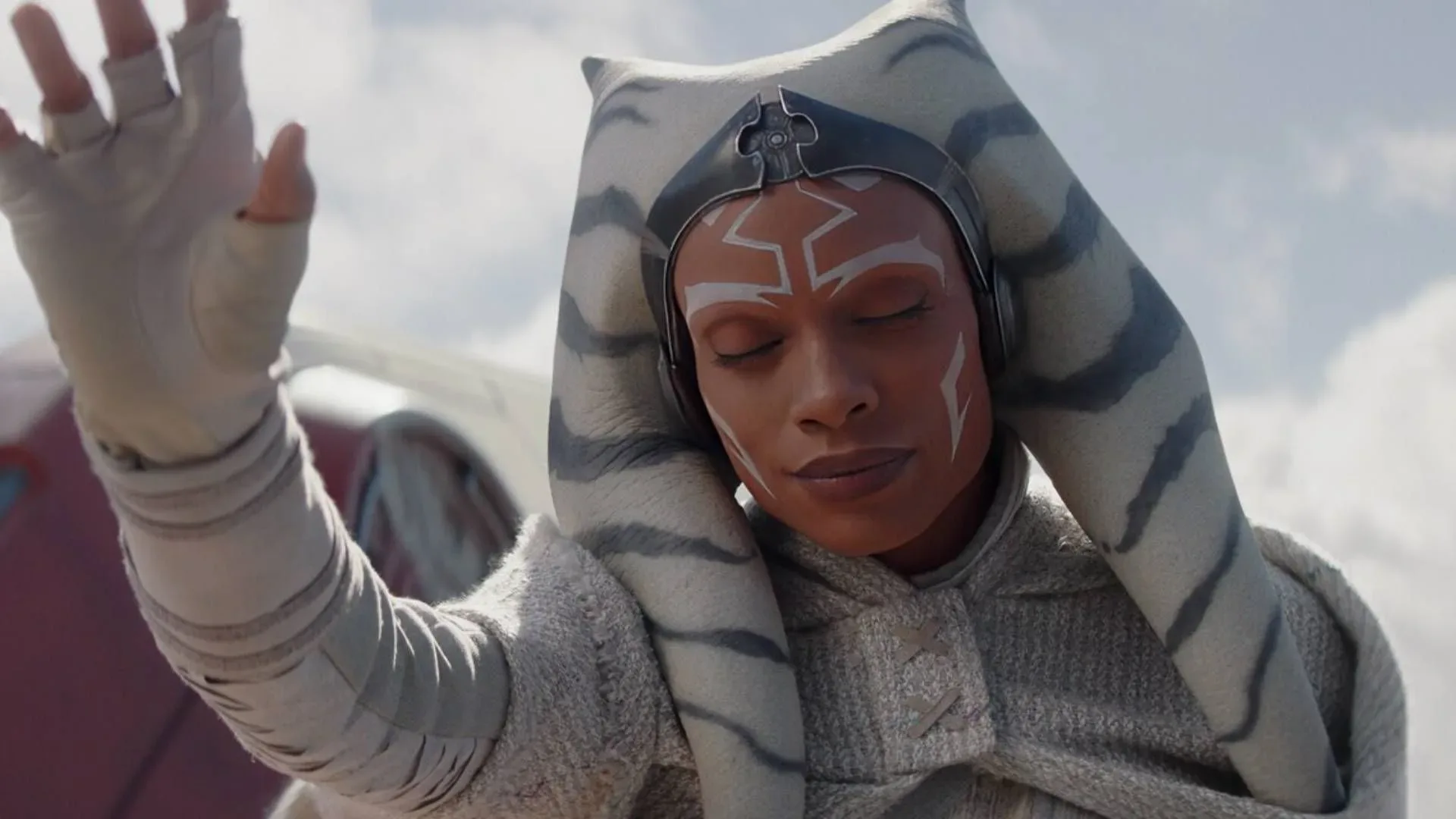
That chain of events explains why the Mortis material carries extra emotional weight for Ahsoka herself. The arc does not only use her as a spectator to Anakin’s destiny. It places her survival within the story’s clash between the Daughter and Son, and ties her directly to a world of Force mythology that is now returning in live action.
Why Baylan’s statue changes the stakes
Season 1’s ending gave viewers a straightforward visual clue while leaving its meaning unresolved. Baylan is positioned on the statue of the Father, whose extended arm points beyond the frame. The imagery says that Baylan’s search is connected to Mortis, but it does not establish exactly what he expects to find or why he thinks it can change anything.
The first season 2 trailer deepens that question by showing Baylan seeking a great power. It is reasonable to connect that search to the Mortis gods, but the exact nature of the power remains unconfirmed. Is he looking for a being, a place, knowledge, or an ability tied to the Force? The available details do not answer that. They do establish that the season intends to make uncertainty part of the drama rather than merely hold back a plot label.
Filoni’s framing also suggests that the danger will not be limited to a conventional contest over who can acquire the greatest power. A Jedi is trained around discipline, restraint and service, whereas a regular person may assess an impossible discovery through personal fear, desire or survival. Baylan’s position is especially complicated because he is a former Jedi. His decisions can potentially carry the vocabulary of Jedi purpose while rejecting the Order’s direction.
That distinction is important. “Balance” in the Mortis story should not automatically be read as a neutral midpoint or a passive refusal to choose. The Father is a character with a particular responsibility: containing the conflict between the Daughter and Son. His wish for Anakin to take his place makes balance an active burden, not an abstract slogan. If season 2 revisits that concept, its characters may have to decide not only what they want, but what they are willing to control, protect or sacrifice.
From animated mythology to live-action storytelling
Filoni has called the transition from animation to live action a challenge. That is understandable because Mortis is deliberately heightened material. Its characters are archetypal gods rather than grounded soldiers, senators or smugglers. The World Between Worlds, another concept associated with this corner of the saga, likewise asks audiences to engage with the Force as something stranger than a power used in a duel.
Archetypes are broad symbolic character forms. In this case, the Daughter, Son and Father are designed to evoke light, darkness and balance in a concentrated way. This does not necessarily make their appearances simple. The Mortis arc uses those figures to test living characters whose choices are messy, personal and irreversible—especially Anakin and Ahsoka.
The World Between Worlds is the other major term worth separating from Mortis. It is a distinct Force-related concept, even if both deal in mystical imagery and both have become important to Ahsoka’s story. Conflating the two would make the season’s possibilities seem more certain than they are. What has been confirmed is the Mortis gods’ involvement; how, or whether, the World Between Worlds fits into the new season has not been detailed here.
The practical storytelling challenge is clarity. Viewers familiar with the animated arc will recognize the Father’s statue and the family’s history immediately. Viewers encountering the concept for the first time need enough context to understand why a colossal statue matters and why a search connected to it could be terrifying. The most promising route is the one signaled by Filoni’s comments: build the mythology around choices. A character deciding whether to believe, intervene or pursue power is legible before every rule of the cosmic setting has been explained.
Anakin’s return could make Mortis personal again
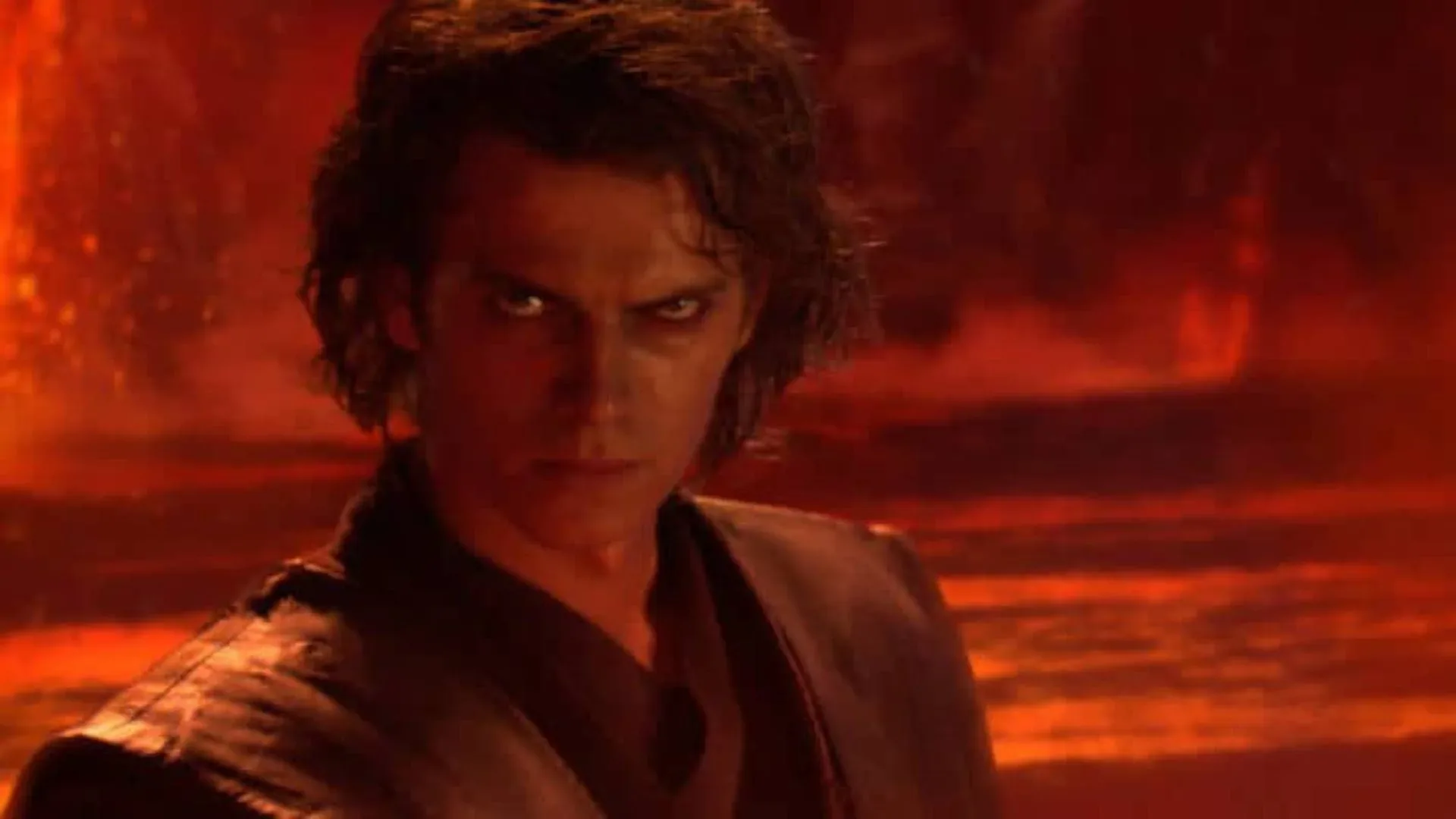
Hayden Christensen will return as Anakin Skywalker in season 2. That fact gives the Mortis thread an obvious emotional connection, even though the details of Anakin’s role have not been revealed. Anakin was not a bystander in the original arc. The Father specifically regarded him as a possible successor, and Anakin’s actions helped bring the conflict to an end.
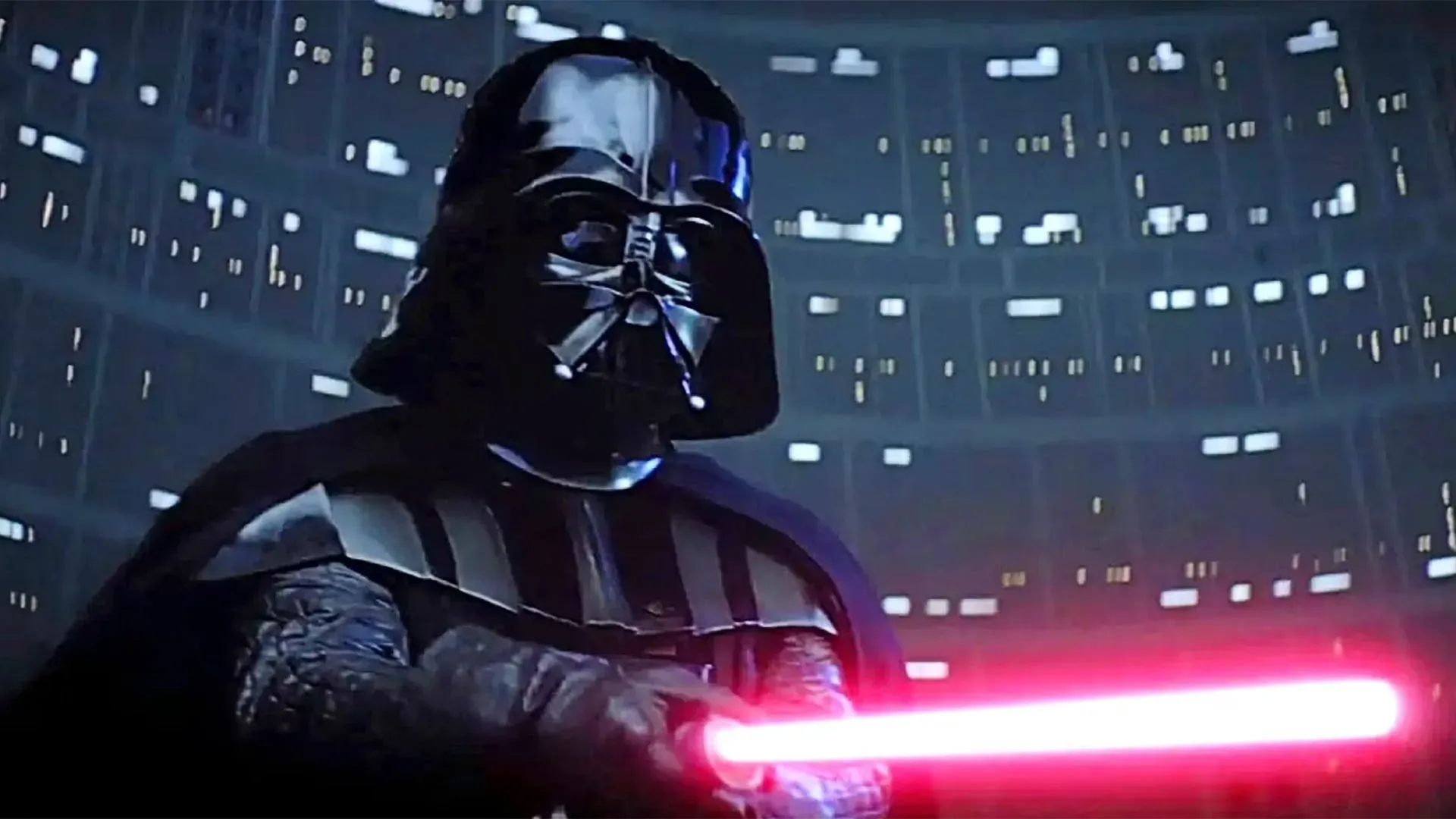
For Ahsoka, Anakin’s presence also carries the long shadow of her former master becoming Darth Vader. The first season already positioned their relationship as central to Ahsoka’s understanding of herself and the legacy she inherited. Returning to Mortis does not guarantee that season 2 will replay old events or offer neat explanations. It does mean the series is revisiting a piece of Force mythology in which both characters were directly involved.
There is a productive tension in that setup. The Mortis gods have an enormous, almost cosmic scale, but Ahsoka’s story remains rooted in individual decisions: what she owes to Anakin’s legacy, what kind of teacher she wants to be, and whether the past determines the future. The larger mythology can work when it magnifies those questions instead of replacing them.
Thrawn, Ezra and Admiral Ackbar remain part of the wider conflict
The Mortis plot will not be the only priority in season 2. Ezra Bridger is back in the main galaxy, while Grand Admiral Thrawn remains a looming threat. Admiral Ackbar will face Thrawn, bringing the military and political stakes of the story into view alongside Baylan’s mystical pursuit.
That combination gives the season two very different kinds of pressure. Thrawn represents an immediate strategic danger: a threat shaped by fleets, leadership and conflict in the galaxy. Baylan’s search points in the opposite direction, toward ancient Force mysteries and power whose danger may not be easy to measure. Ezra’s return further reconnects the story to the characters who were displaced across galaxies at the end of Star Wars Rebels.
Keeping those threads distinct will matter. A Mortis story can feel weightless if it is only discussed as destiny, while a Thrawn story can become overly procedural if it is only about military positioning. The opportunity for Ahsoka is to let the two forms of conflict test its heroes in different ways: one asks what must be done to protect the galaxy, and the other asks what power should never be used—even when it appears capable of solving everything.
For readers following the broader slate, Joking Joystick’s latest industry coverage is also available elsewhere on the site.
What has been confirmed—and what has not
- Confirmed: The Mortis gods will factor into Ahsoka season 2.
- Confirmed: Baylan Skoll’s season 1 finale image placed him on a statue of the Father.
- Confirmed: Hayden Christensen returns as Anakin Skywalker; Ezra Bridger is back in the main galaxy; Admiral Ackbar will face Grand Admiral Thrawn.
- Confirmed: The season arrives on Disney Plus on January 20.
- Not confirmed in the available information: What Baylan’s sought-after power is, where the Father’s statue points, or precisely how the Mortis gods will appear.
- Not confirmed in the available information: The specific role Anakin will play in the Mortis storyline, or whether the World Between Worlds will be part of the season’s plot.
The confirmation is significant because it turns a finale image into a declared narrative direction. It also puts one of the saga’s most abstract Force stories at the center of a live-action season that already has galactic conflict, returning characters and unresolved personal history to manage. The Mortis gods are coming back, but the real question is less whether they exist than what their return asks Ahsoka, Baylan and the rest of the galaxy to do about them.