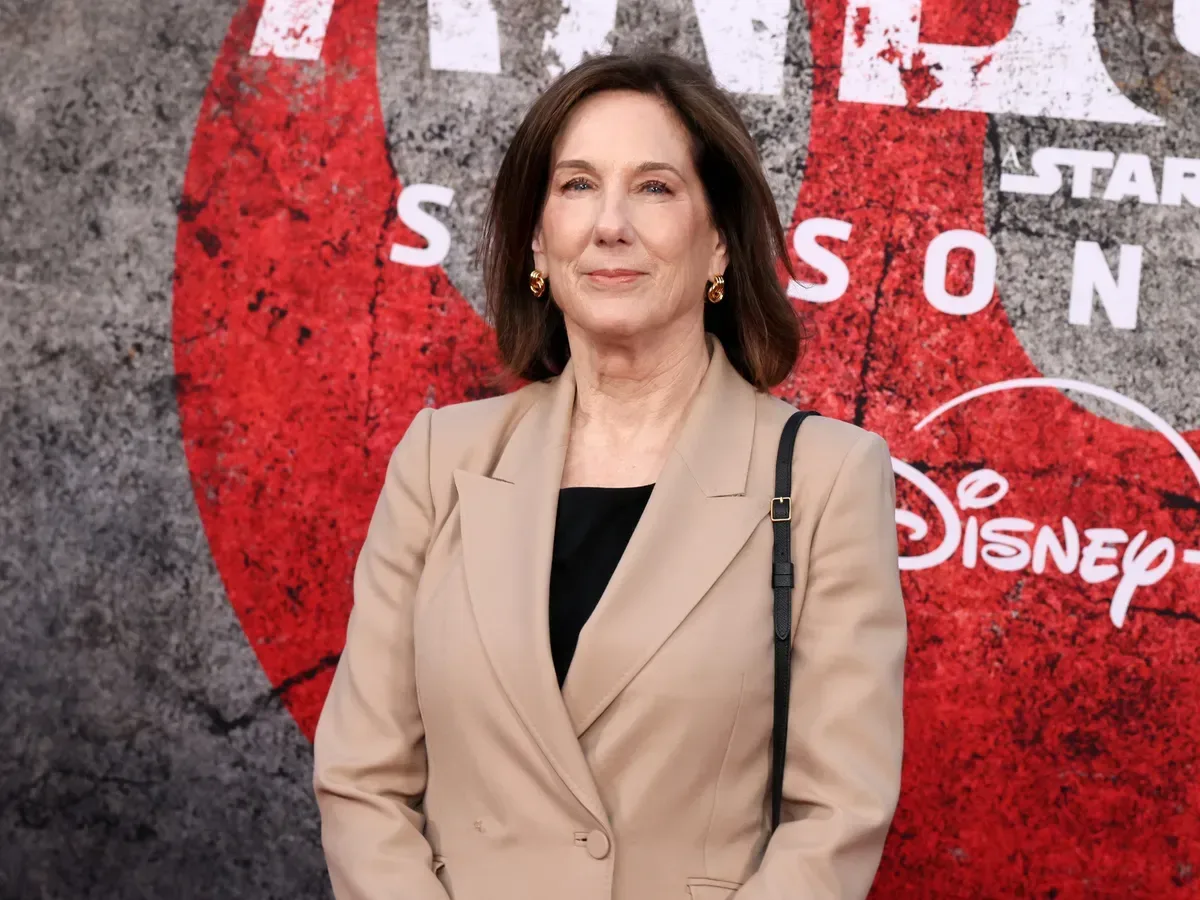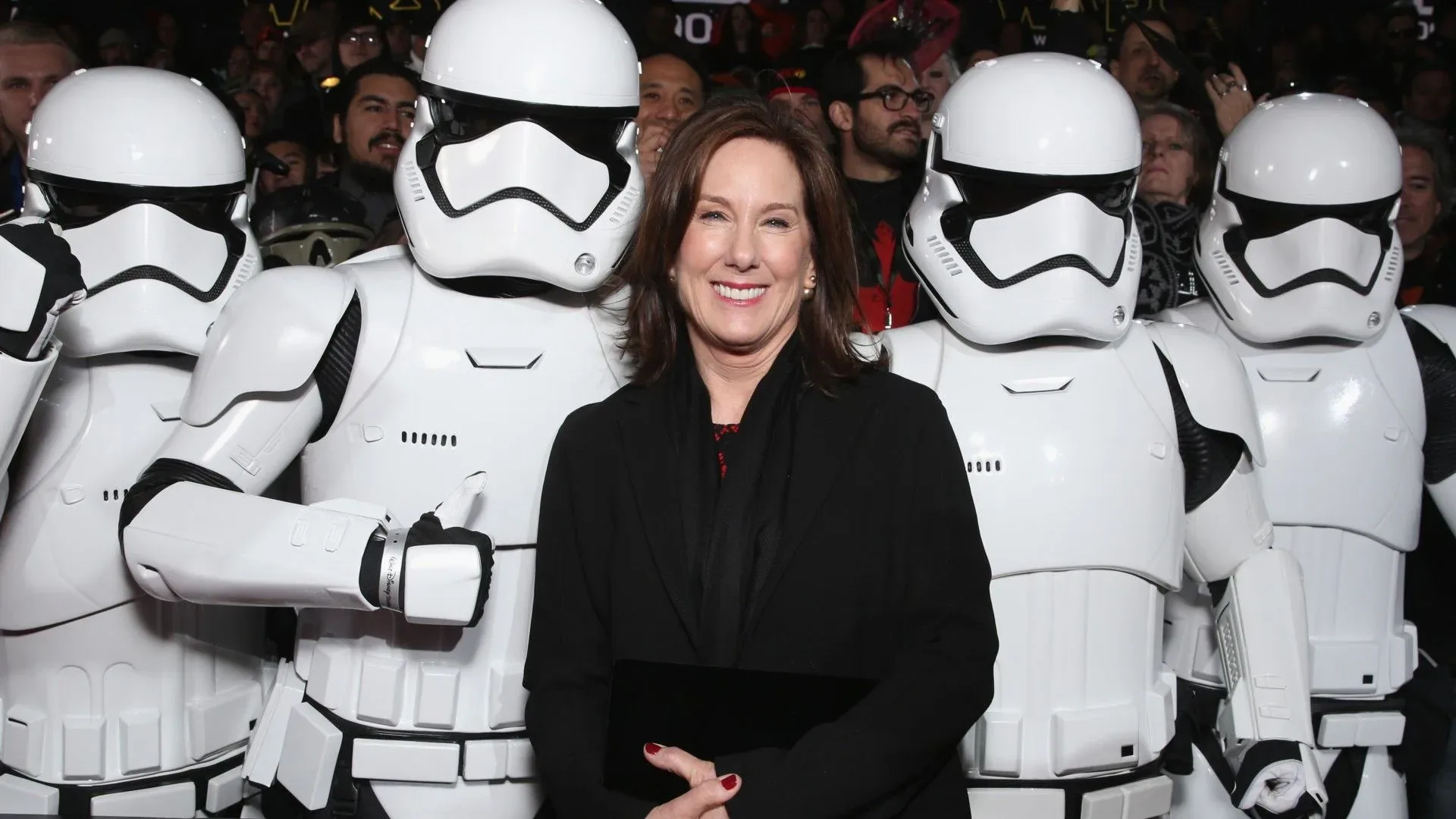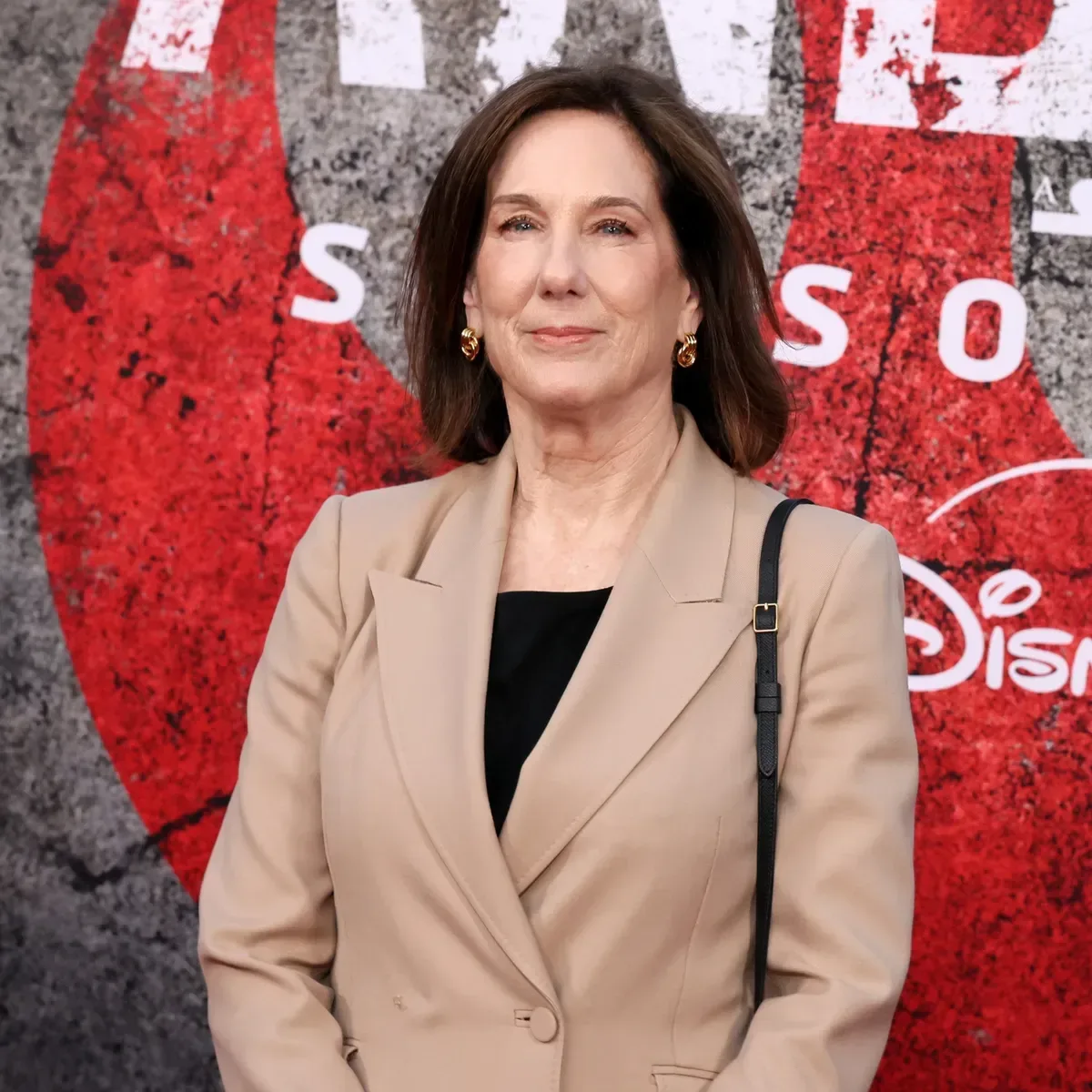
Kathleen Kennedy has said she feels “a bit of relief” after stepping down from the leadership role at Lucasfilm, describing the task of taking charge of Star Wars after creator George Lucas as an “incredible challenge.” It is a notably candid summation of a tenure that contained major commercial successes, acclaimed streaming work, fierce fan disputes and an unusually long trail of announced or discussed screen projects that never reached audiences.
Kennedy took Lucasfilm’s helm in 2002 and guided the company through its sale to Disney, the return of Star Wars to the big screen with a new trilogy, and the franchise’s substantial move into episodic streaming on Disney+. Her comments frame the job less as a simple matter of producing hits than as a difficult balancing act: serving an intensely invested audience while making stories that feel genuinely new.
“I suppose there’s a bit of relief,” Kennedy said of the decision. “These jobs are not easy and stepping into something like that that George had created was an incredible challenge.”
A franchise with enormous wins and equally visible turbulence
The record of the period resists easy labels. The sequel trilogy drew a major backlash and disappointment from parts of the fanbase, but the films still earned billions of dollars. On television, early seasons of The Mandalorian became a prominent success, while Andor earned substantial critical praise. Those outcomes demonstrate the scale of the opportunity Lucasfilm had: a galaxy with a huge audience, a powerful cultural legacy, and room for stories in more than one format and tone.
But the difficulties were just as public. Solo was a commercial disappointment and underwent a heavily reported production disruption, with Phil Lord and Chris Miller leaving midway through filming. Rogue One: A Star Wars Story underwent reshoots, with Gareth Edwards reportedly replaced during that process. Colin Trevorrow was also replaced during development of Episode 9.
These examples matter because they show the distinction between a franchise idea and a finished film. Development is the phase in which a premise, script, filmmakers, schedule and production plan are worked into a project that can actually be made. A film can be publicly discussed or attached to a director and still change dramatically, stall, or disappear before cameras roll. That is routine to an extent across the movie business, but it has been particularly conspicuous around Star Wars because every potential project attracts immediate scrutiny.
Kennedy’s own assessment reflects that reality. She said no film operation can expect every project to be “a perfect hit,” and emphasized the value of post-mortems: the process of reviewing what worked and what did not after a project is complete. It is a practical production term rather than a promise that every lesson will produce agreement. In a franchise where fans often differ fundamentally on what a successful Star Wars story should be, the conclusions of any post-mortem can themselves be contested.
The difficult middle ground between legacy and originality
Asked about the tension between dedicated fans and a wider audience, Kennedy called the balance between old and new the toughest challenge. That is the core issue behind much of the debate surrounding modern franchise storytelling.
Related coverage includes Kathleen Kennedy Says Leaving Lucasfilm Brings 'A Bit of Relief' After 14 Years Leading Star Wars.
A legacy franchise comes with expectations that newer properties do not. Viewers bring attachments to characters, imagery, settings and even particular interpretations of the fictional world. They may want recognizable continuity, while others want the freedom for new protagonists, new eras and unfamiliar creative voices. A project that leans heavily on established material can be criticized for nostalgia; one that pushes in a new direction can be criticized for moving too far away from what people associate with the brand.
That conflict is not unique to Star Wars. It is part of the broader pressure on any long-running entertainment universe trying to remain accessible without becoming repetitive. The same fundamental problem appears in game franchises as well: preserving the features that players recognize while giving a sequel or expansion a reason to exist. The question of how much a series can change without losing its identity is also central to the discussion around whether a future Fallout can expand beyond its established Americana.
For Star Wars, the problem is magnified by age and scale. Kennedy noted that the franchise has been around for 50 years and means a great deal to people. That importance is an advantage—few fictional universes command comparable attention—but it means every creative choice can become a referendum on the franchise’s past, present and future.
The projects that remain ideas, and the ideas that faded away
The visible list of unrealized Star Wars projects has become a defining part of conversation around Lucasfilm. Among the projects discussed but no longer moving forward are The Hunt for Ben Solo; film trilogies associated with D.B. Weiss and David Benioff, and with The Last Jedi director Rian Johnson; and a Knights of the Old Republic concept that could have begun another trilogy.
Other names linked to potential projects at various points include Kevin Feige, Matt Owens, David Fincher and Simon Farnaby. Their presence on a development list should not be mistaken for a guarantee of a completed movie or series. Creative attachments can signal ambition, but projects require alignment on story, scheduling, budget, studio priorities and more. The larger the production, the more places there are for that alignment to fail.
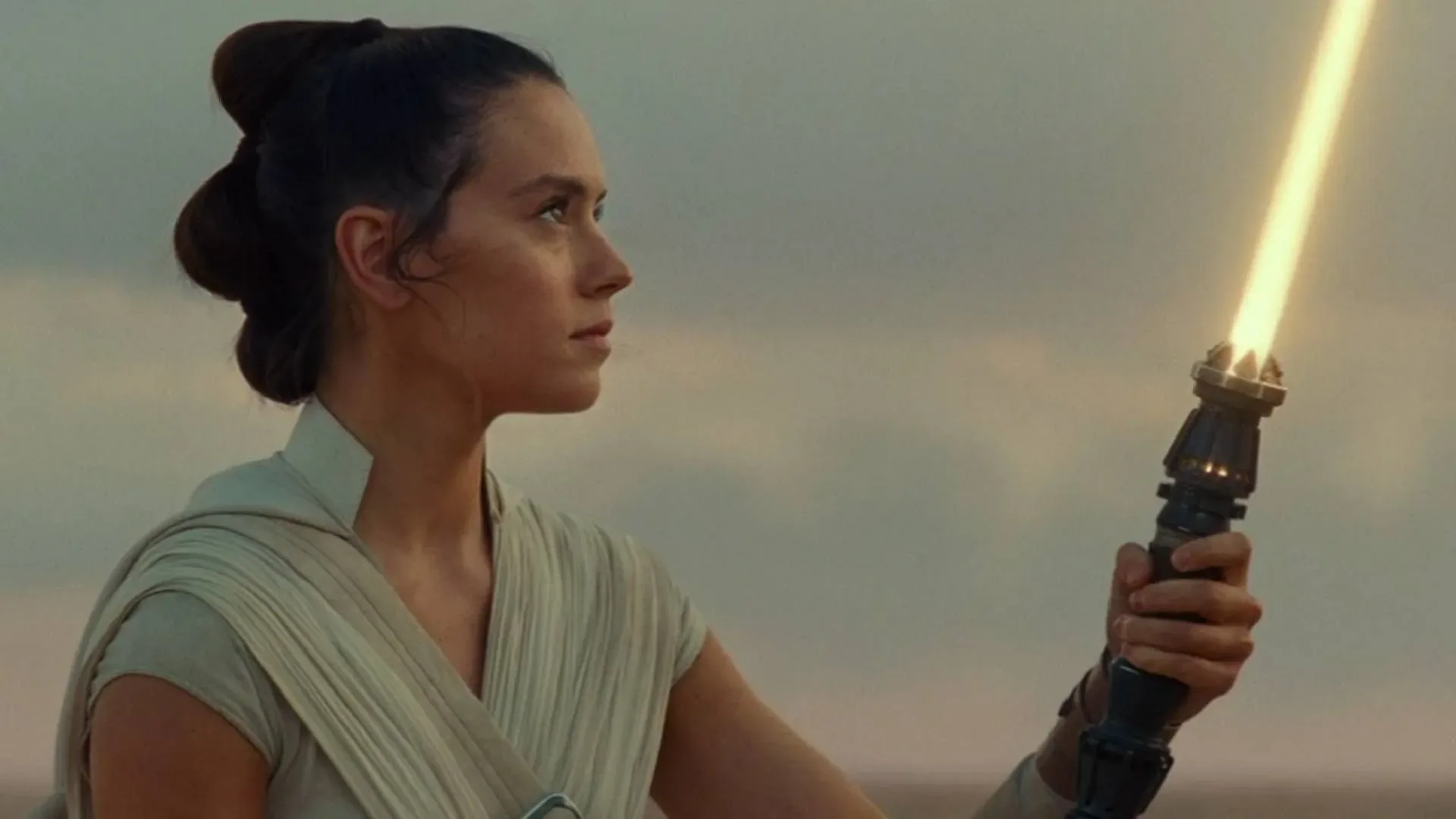
Several projects originating during Kennedy’s time remain technically on the slate, although their status is uncertain. They include Sharmeen Obaid-Chinoy’s continuation of Rey’s story; a Dave Filoni film intended to wrap up the interconnected “Mandoverse” story; James Mangold’s Dawn of the Jedi; Taika Waititi’s long-developed project; Patty Jenkins’ still longer-developed Rogue Squadron; and a project that would bring Donald Glover back as Lando Calrissian.
The term “Mandoverse” is informal shorthand for the connected corner of live-action Star Wars storytelling that emerged from The Mandalorian and associated characters and series. It does not, by itself, establish a release date or confirm the exact form of the proposed Filoni story. Likewise, a title remaining on a slate does not settle whether it will be made, when it could arrive, or whether it will retain the same creative team and premise.
That uncertainty is especially relevant following reports that Simon Kinberg has been given an opportunity to make Episodes 10 through 12. If that develops, it could influence how other movie plans fit together. At present, however, the existence of several overlapping ambitions is a reminder that a franchise roadmap is not the same as a finalized release schedule.
What comes next for Star Wars
The immediate future named for the franchise is Star Wars: Starfighter, starring Ryan Gosling, and Ahsoka Season 2, both expected next year. Those projects represent two of the formats Lucasfilm has pursued under Kennedy: a new feature-film entry and an ongoing streaming series.
Her departure puts additional focus on how the next leadership chapter will handle that mix. The practical issue is not simply how many projects are announced. It is whether films and series move from development to completion with a clear creative identity, and whether the franchise can give audiences a reason to invest in each new chapter rather than only in the promise of future plans.
Kennedy said she remains proud of the work accomplished. That stance acknowledges the full picture: Star Wars delivered successful films and shows during her tenure, while also facing production upheaval, abandoned concepts and an audience whose passion frequently comes with incompatible expectations. Her observation that the job is not easy may be the least controversial statement anyone could make about running a galaxy far, far away.