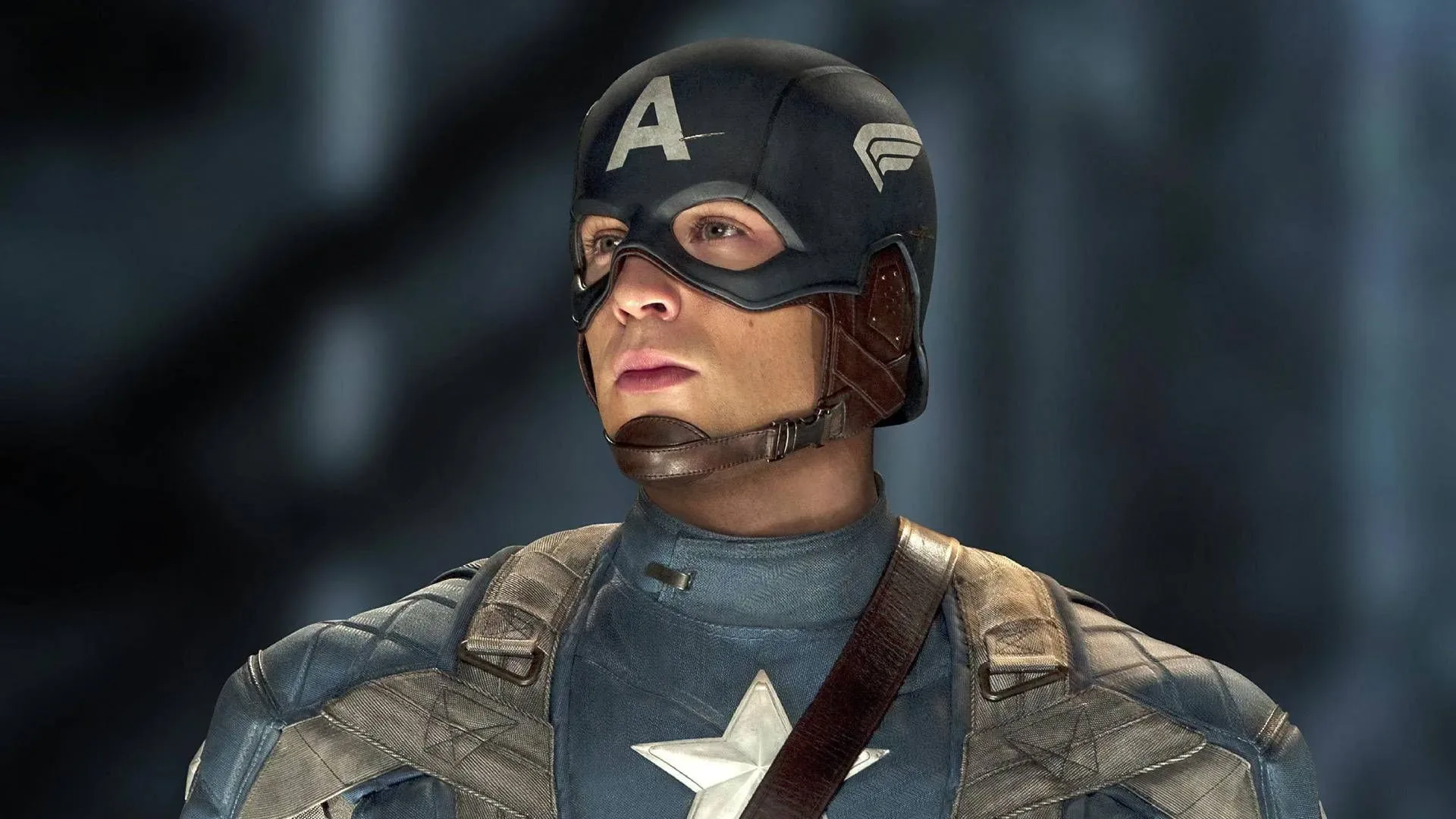
There is a useful test at the center of Captain America: The First Avenger, and it has nothing to do with super-soldier serum, a vibranium shield, or how dramatically someone can leap over a conveniently placed bit of wartime machinery. Colonel Chester Phillips throws what appears to be a live grenade among a group of recruits. Most understandably run. Steve Rogers, still small, sickly, and apparently no more physically imposing than a coat rack with principles, dives on it.
The grenade is a dummy. Steve does not know that. What matters is that he acts before he has the strength to win, before the world has agreed he is important, and before he has been given any special ability whatsoever. He is trying to save other people. That single choice explains why the film’s version of Captain America has endured, even as the Marvel Cinematic Universe grew larger, stranger, more self-conscious, and occasionally more interested in whether a hero has unpacked their emotional baggage than whether they will throw themselves onto a fake explosive.
Released in 2011, The First Avenger is now separated from its audience by 15 years and more than 30 later MCU films. That distance has only made its identity clearer. It is a period adventure first, a superhero origin story second, and an interconnected-franchise building block only after those jobs are done. The result is a movie that feels unusually complete on its own terms.
A hero chosen for character, not muscle
The first half of the film is its strongest stretch because it understands the basic appeal of Steve Rogers with startling confidence. He is a kid from Brooklyn repeatedly rejected by the military because his body cannot meet the requirements. Yet every rejection confirms, rather than contradicts, his urge to serve. Steve does not want strength for fame, revenge, or personal status. He wants it because bullies exist and somebody should stand in their way.
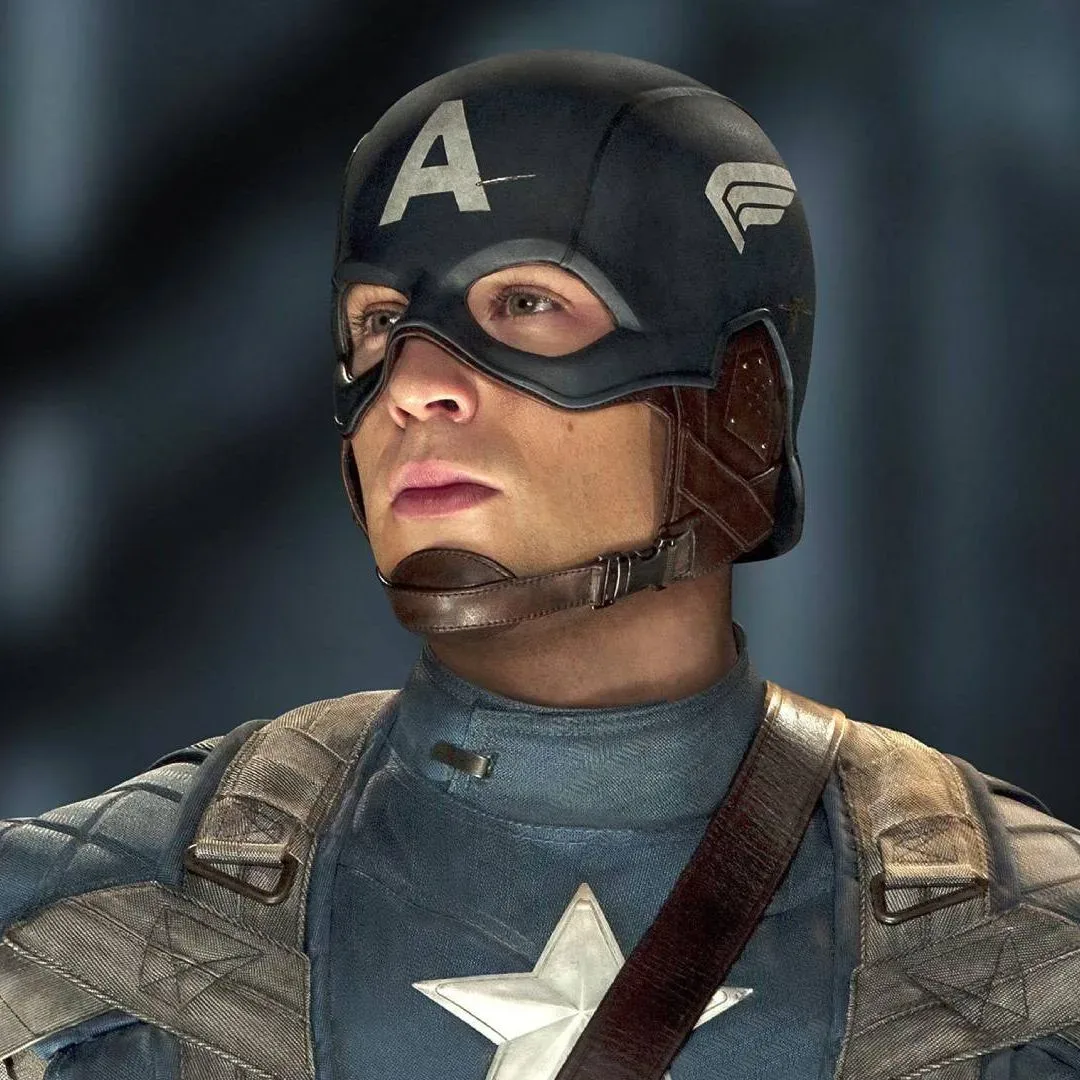
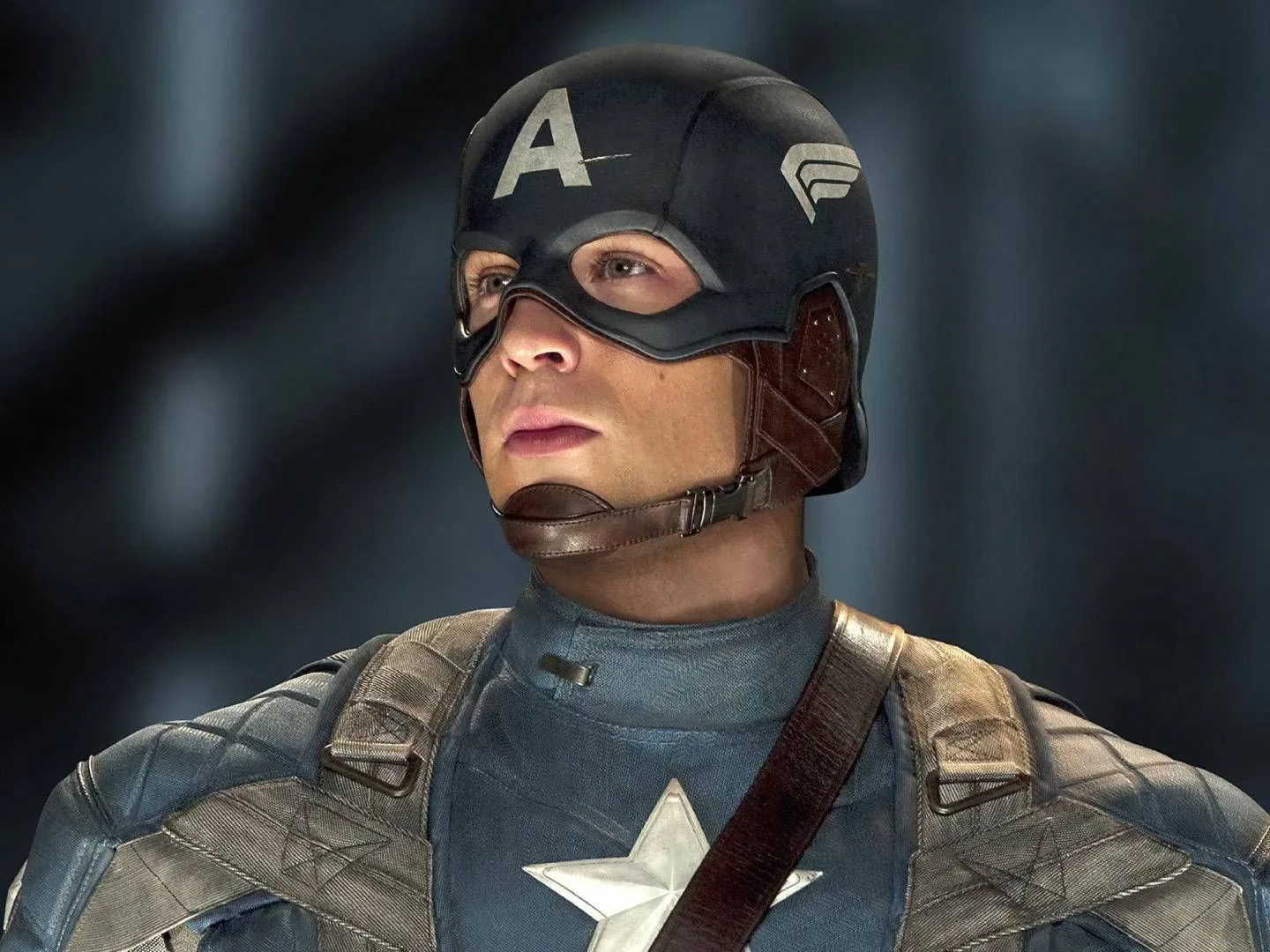
That moral directness could have curdled into a lecture. Instead, director Joe Johnston gives it the shape of an old-fashioned adventure. The movie has the bright, crafted feeling of a studio-era serial updated with modern effects: military camps, city streets, Hydra laboratories, secret weapons, and a hero whose uniform looks like it was designed to be printed on a wartime comic-book cover. Johnston’s affection for the period is visible in the tangible environments and practical-looking details, while Alan Silvestri’s score knows exactly when to make the shield feel like a national symbol and when to make it feel like a very useful frisbee.
Its effects are uneven in places by modern standards, particularly the digital work used to create pre-serum Steve. But the technique is carrying a performance rather than replacing one. Chris Evans gives the smaller Steve the same essential alertness, decency, and quick temper that define the larger version. The transformation works because audiences already know the man who receives the power deserves it.
That is a surprisingly durable model for superhero storytelling. The extraordinary event is not what makes Steve good. It merely makes his goodness more visible.
Earnestness is the film’s superpower
Modern comic-book movies often pursue complexity through compromised heroes, sympathetic antagonists, and stories about institutional betrayal. Those approaches can produce excellent films, including the later Steve Rogers stories The Winter Soldier and Civil War. But The First Avenger earns its place by refusing to treat clarity as childish.
Hydra is evil. The Nazis are evil. Steve and the Allied soldiers opposing them are doing the right thing. The film is not trying to construct a moral puzzle where everyone is secretly operating from an equally defensible point of view. For this particular character, that simplicity is not a limitation. It is the point. Steve is a person whose internal compass works even when every external circumstance tells him to stay down, look away, or let someone else take the risk.
There is humor, but it generally arises from personality and situation rather than from puncturing every sincere moment with a wink. Howard Stark is an enjoyable early MCU connective thread, an inventor with both confidence and chaos to spare. Tommy Lee Jones makes Phillips dry and sharp without turning him cruel. The film also makes room for Steve’s famous inability to navigate romantic attention with anything approaching superheroic poise.
That tone is increasingly distinctive in a franchise that has spent years examining grief, trauma, fracture, and multiversal identity. Those themes have their place. Still, there is something bracing about a story where a hero’s defining trait is simply that he will help.
Where the wartime adventure shows its age
The film is not flawless merely because it is sincere. Once Steve becomes Captain America in full, the story shifts into a rapid wartime montage of raids, rescues, and exploding Hydra facilities. The pacing gives viewers less time with the Howling Commandos than they might want, and several action beats have a charmingly old-school quality beside the scale and choreography later MCU movies would pursue.
Bucky Barnes’ apparent death is also abrupt within this film alone. Its power depends substantially on what later stories build from Steve and Bucky’s bond, especially The Winter Soldier. That later context deepens the original, but it also reveals how much emotional groundwork could have been laid before the train sequence.
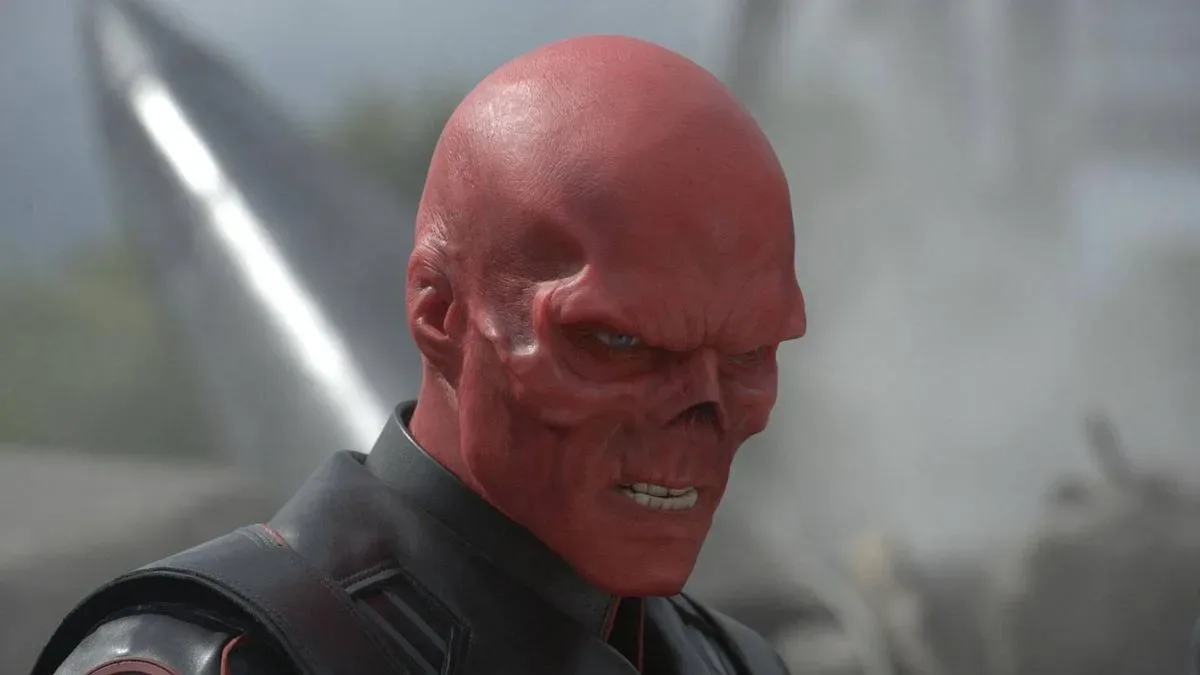
Red Skull, meanwhile, remains an excellent piece of heightened villainy. Hugo Weaving approaches Johann Schmidt with the right amount of theatrical menace, aided by memorable prosthetic makeup and the character’s grandiose belief that he has surpassed humanity. Red Skull later returned in Avengers: Endgame, with Ross Marquand performing the role; Weaving did not reprise it. It remains fair to wonder whether the MCU left potential on the table by not finding more to do with a villain so naturally suited to its pulpy corner.
None of these issues undo the film’s core achievement. If anything, they make its strongest choices more apparent: the emotionally legible origin, the lovingly assembled period atmosphere, and the unembarrassed belief that virtue can be exciting.
Peggy Carter is the reason the ending lasts
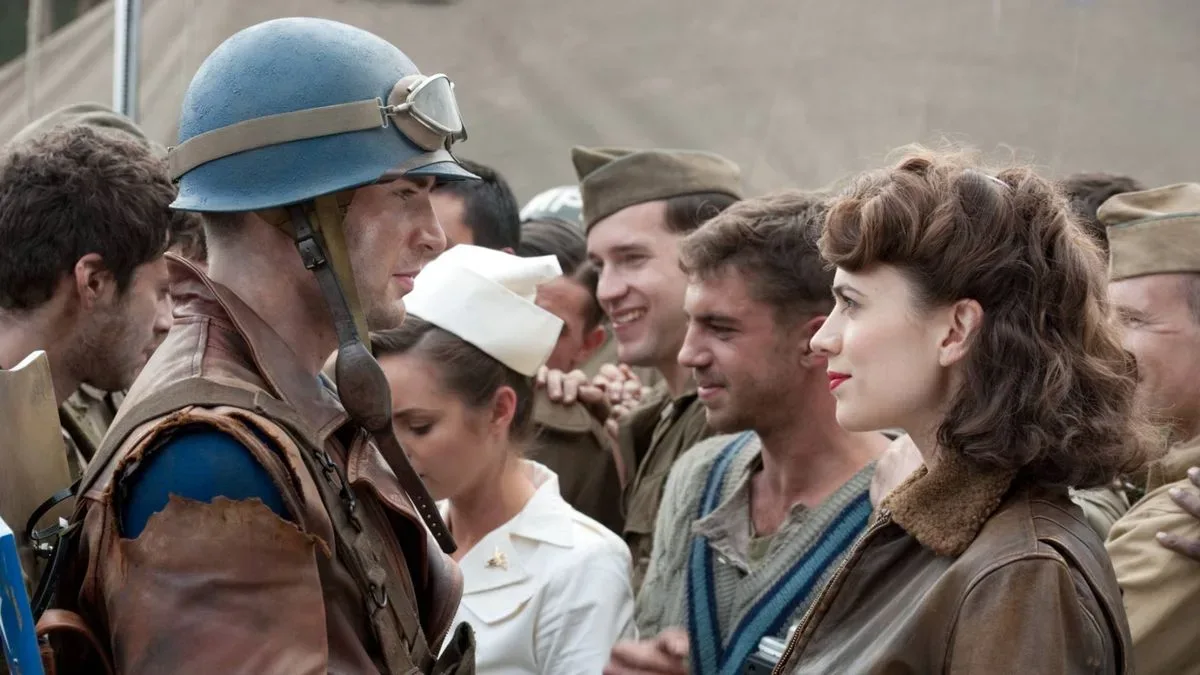
Steve’s decency explains why he becomes Captain America. Peggy Carter explains why the ending leaves a mark. Their romance is deliberately restrained, built less on extensive time together than on mutual recognition. Peggy sees Steve before the serum turns him into an icon; Steve sees Peggy as capable and courageous in a world that repeatedly underestimates her.
Their relationship never needs elaborate speeches to establish its stakes. A promised dance does the work. When Steve must crash the Red Skull’s aircraft into the Arctic to stop its weapons reaching civilian targets, that promise becomes the film’s most painful detail. The final exchange between Steve and Peggy is devastating precisely because it remains ordinary: they talk about meeting up, even while both understand that reality is disappearing beneath them.
That ending also echoes through Avengers: Endgame, which closes Steve’s Infinity Saga journey by letting him return to the life with Peggy that was denied to him. It is difficult to imagine that conclusion landing as cleanly without the first film’s patience and restraint. For a look at another enduring Marvel format outside the movies, 1990 Marvel Universe remains a satisfying set to collect, in part because it captures that same era of bold, instantly readable character imagery.
Why it matters ahead of Avengers: Doomsday
Avengers: Doomsday is scheduled to reach theaters on December 18. Hayley Atwell’s return was revealed at San Diego Comic-Con 2026, and the material surrounding the film has encouraged attention toward Peggy and Steve’s family life. A teaser reportedly showed Steve’s child, suggesting that his post-Endgame home life may matter to the story. The exact shape of that role remains unclear.
There has also been speculation and concern around Chris Evans’ involvement, including references to Steve as Nomad and limited trailer footage. Until the film itself clarifies matters, it is wiser to treat the broader details as uncertain rather than assume the nature of Steve’s return or the stakes facing his family.
What is certain is why any revisit to The First Avenger is useful. It reminds viewers what Steve Rogers represents before politics, timelines, and cosmic disasters complicate his journey. He is not compelling because he is flawless in combat. He is compelling because, when the grenade lands, he does not calculate the odds.
The movie’s opening also offers an intriguing MCU artifact for lore-minded viewers. Red Skull discovers the Tesseract in a Norwegian church behind imagery tied to Yggdrasil, including a snake motif. Later stories make Loki central to Yggdrasil and establish his fondness for turning into a snake to prank Thor. Whether that early carving was intended as a Loki reference is unconfirmed, but it is the kind of retroactive connection that rewards a franchise rewatch. Fans who want to explore Marvel beyond the screen can start with a beginner’s guide to Marvel trading cards, where character, set, and edition all matter as much as the artwork.
Captain America: The First Avenger is streaming on Disney+. Its action may be modest beside today’s superpowered pileups, but its emotional architecture is unusually sturdy. In a universe full of gods, geniuses, monsters, variants, and cosmic bureaucracy, it still makes a persuasive case that the best hero might be the person who was brave before anybody handed him a shield.