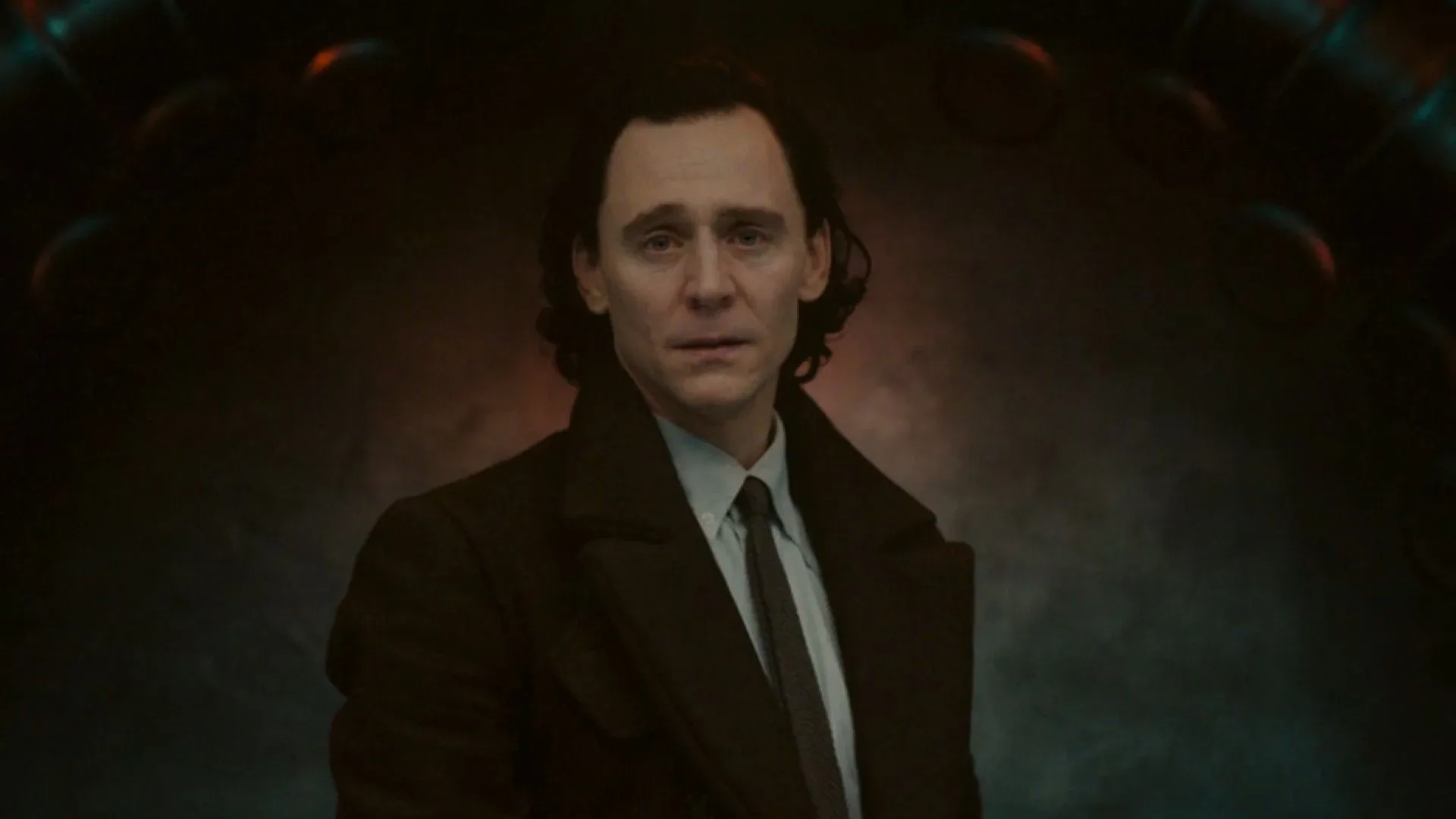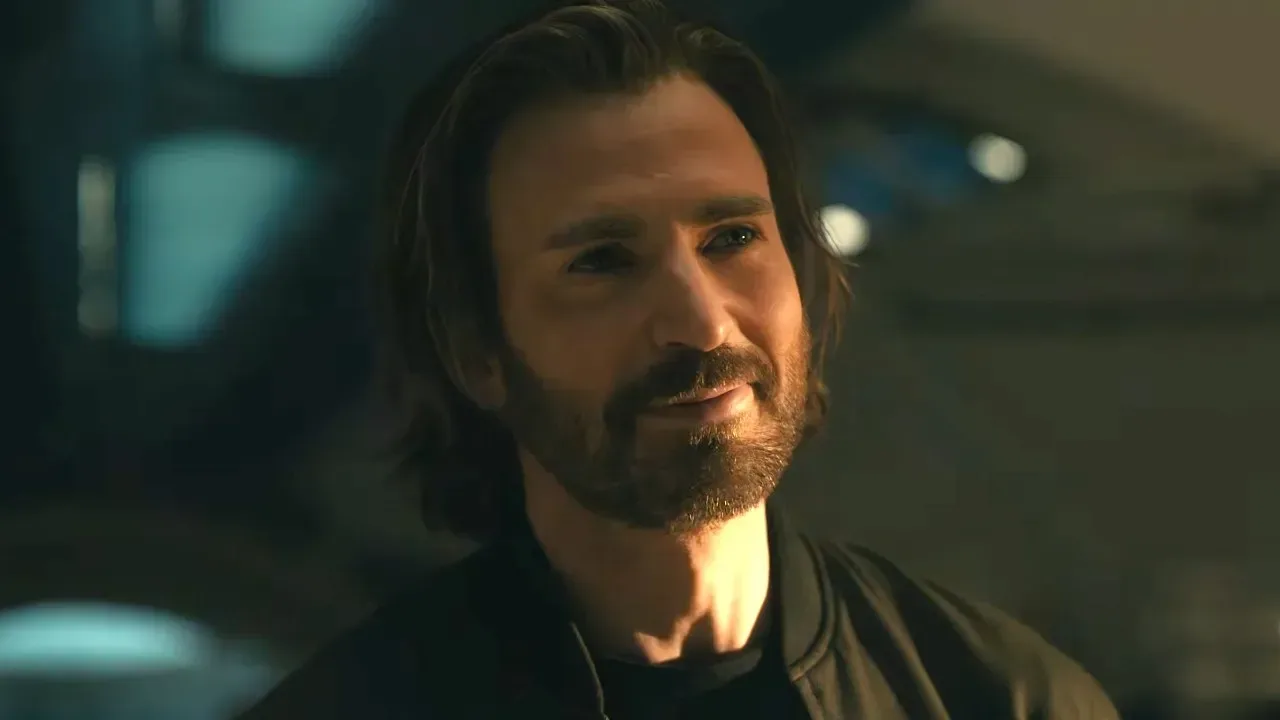
The latest Avengers: Doomsday trailer is selling two complementary ideas at once: the scale is enormous, and the personalities are still allowed to collide in a room. Thor, played by Chris Hemsworth, is framed as a rallying force for the Avengers as Doctor Doom threatens the world. But the preview also pauses for Paul Rudd’s Ant-Man to point out a distinctly strange bit of superhero workplace organization: there are multiple people around who have carried the Captain America mantle.
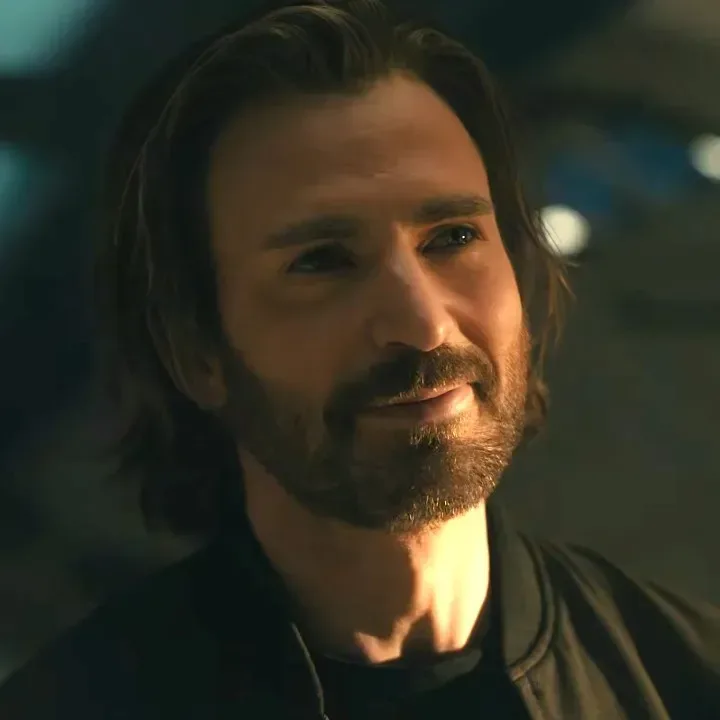
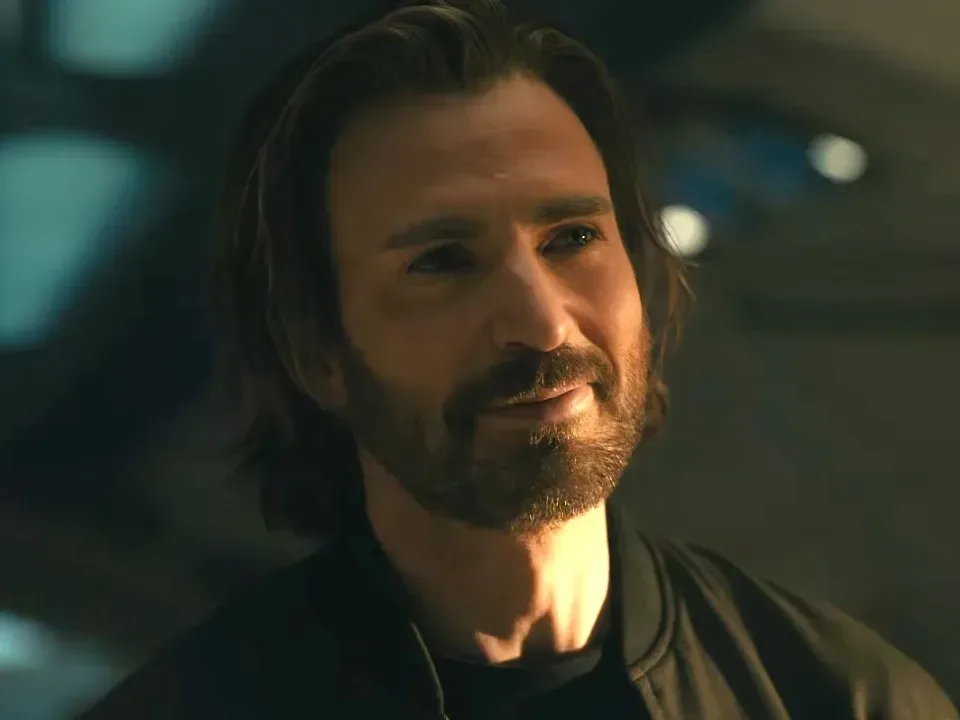
That balance is particularly visible in the trailer’s attention to Thor and Steve Rogers, played by Chris Evans. Their shared connection to Mjolnir—the enchanted hammer associated with Thor—gives the footage a clear character hook amid the larger warning about Doom. It is an efficient reminder of a specific bond rather than simply another group shot: both men have been presented as worthy of wielding the hammer.
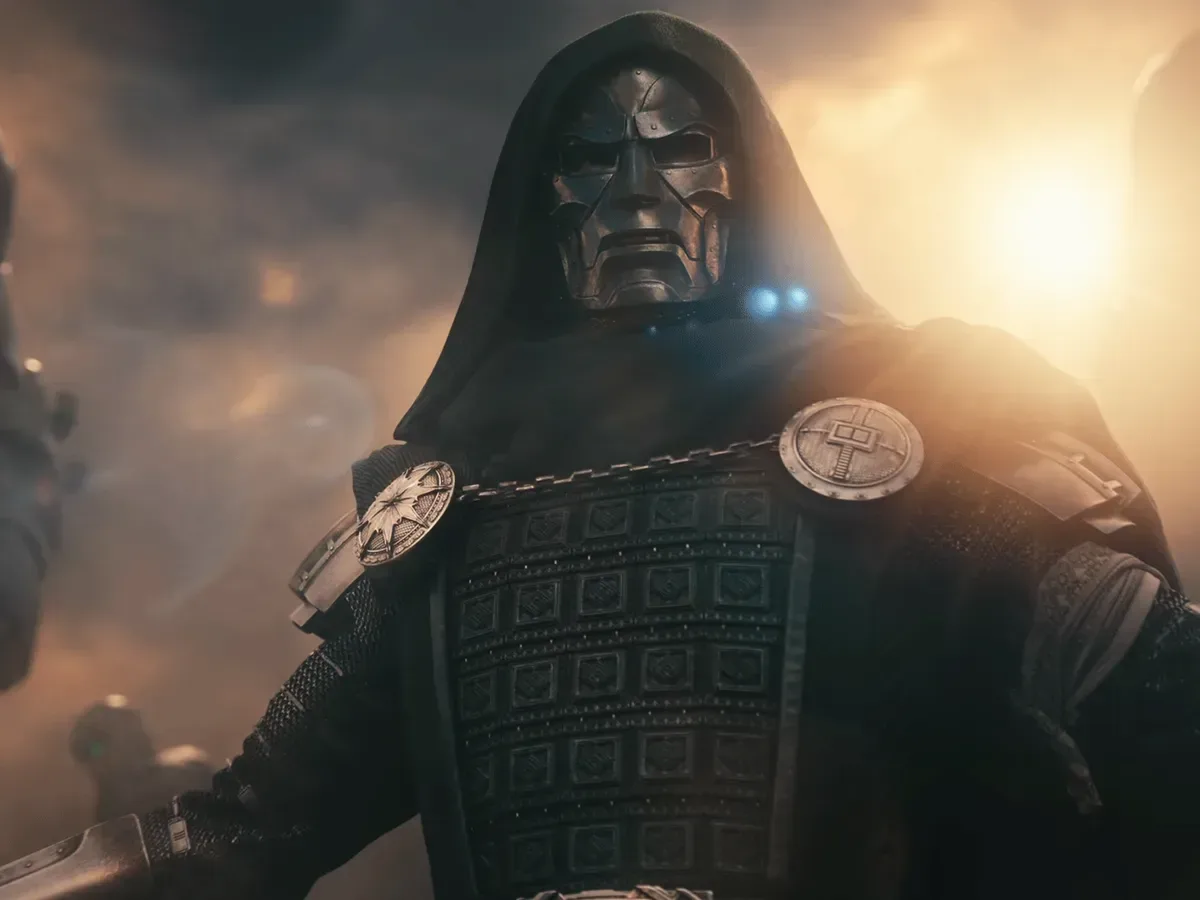
Thor takes the lead against Doom
Thor appears to be operating as the Avengers’ leader in the new footage. His appeal to the team makes the stakes plain:
“Doom will tear this world apart. Team up and stand together.”
The line establishes Doctor Doom as the immediate, shared problem without revealing how the conflict develops or what the team’s ultimate plan may be. “Rallying the troops” is a familiar superhero-movie function, but it has practical storytelling value in an ensemble this large. A trailer can introduce several recognizable characters quickly; a command to unite gives those appearances a common purpose.
It is also notable that the trailer builds its emotional center around Thor and Steve rather than explaining Doom’s agenda in detail. That is a promotional choice, not evidence of the full film’s structure. Still, it suggests the campaign is leaning on an established relationship and the symbolic importance of Mjolnir to make the larger threat feel personal.
Why Mjolnir matters here
Mjolnir is Thor’s enchanted hammer, and “worthiness” refers to the quality that permits a character to wield it. In this trailer, the shared worthiness of Thor and Steve is not merely a power-set detail. It creates an immediate shorthand for mutual respect between two characters who represent different kinds of leadership: Thor’s mythic stature and Steve’s steadiness. The footage uses that shorthand to put their dynamic in the foreground.
For viewers, that means the trailer’s key question is less about whether everyone recognizes the hammer and more about what the pairing signals. Thor’s warning asks the team to stand together; the Steve-and-Thor material visually supports that request by returning to a point of connection between them.
The Captain America joke acknowledges a very full room
Ant-Man supplies the trailer’s clearest pressure-release valve. The gag plays off the fact that Steve Rogers, Sam Wilson, and USAgent have all been associated with the Captain America identity. USAgent adds his own qualification: “I was also Cap for a minute.”
The joke works because it does not require the film to stop and explain the entire chain of identities. It recognizes the overlap directly and turns it into a piece of team banter. In an Avengers story, that can be useful narrative housekeeping: audiences are reminded that these figures have distinct histories, while the dialogue refuses to treat a potentially tangled label as solemn bureaucracy.
Rudd’s Ant-Man has regularly been used to bring levity to high-stakes situations, and this preview continues that role. The contrast is deliberate. Thor is warning that Doom could tear the world apart; Ant-Man is effectively noting that the team’s job titles have become confusing. Neither beat cancels the other. Together, they sketch a film that wants looming danger and character comedy to coexist.
There is a broader practical implication for ensemble storytelling, too. When several heroes can claim versions of a single mantle, a quick joke can clarify the situation more efficiently than an exposition-heavy exchange. The trailer does not indicate whether that identity issue will become a major plot point, so it is best understood as a character moment rather than a promise of a Captain America-focused storyline.
A campaign built from short, connected beats
The new trailer arrived roughly a day after a Major League Baseball crossover promotion aired during the World Series. Taken together, the releases show a campaign moving across different kinds of attention: a sports-facing promotional beat followed by a character-and-story-focused trailer.
That sequencing matters because the two pieces appear designed to do different jobs. A crossover promo can reach beyond viewers already watching every trailer frame by frame. The new trailer, meanwhile, gives invested fans material to examine: Thor’s apparent leadership role, Steve’s presence, the return of the Mjolnir connection, the Captain America exchange, and the threat from Doctor Doom.
Trailer analysis can become overly certain very quickly, especially when a few edited moments must carry the burden of explaining a huge ensemble film. The safer reading is straightforward: the footage establishes Doom as dangerous, depicts Thor as a unifying voice, and foregrounds an interaction between Thor and Steve. It does not establish the full roster, the exact shape of the mission, or the resolution of the conflict.
That restraint is especially relevant because some fans believe a character was edited out of the first trailer. The available information supports the existence of that fan speculation, but not the identity of the character or confirmation that any edit occurred. Until a film or its official marketing explicitly clarifies it, that remains a theory rather than a verified reveal.
What is known about the cast—and what is not
Recent casting discussion has also added another intentional blank space around the project. Sandra Hüller, who appears in Project Hail Mary, has been cast in Avengers: Doomsday in an undisclosed role. “Undisclosed” is important: the casting itself is known, while the character and significance of the part are not.
David Harbour has also pushed back on the idea that he spoiled the film during a recent interview. That response adds to the surrounding conversation, but it does not supply a plot detail that can be treated as confirmed. It is a useful distinction in a trailer cycle driven by close reading: a cast member’s denial is not the same as a formal explanation of what is or is not in the movie.
For now, the firm picture is deliberately limited. Hemsworth’s Thor is present and rallying the Avengers. Evans’ Steve Rogers is central to the trailer’s Mjolnir-focused material. Rudd’s Ant-Man brings the comic timing, while Sam Wilson and USAgent are folded into a self-aware Captain America gag. Doom is named as the threat that could break the world apart.
What the trailer leaves for later
A good deal remains unspoken, including the exact status and role of every character seen or implied by the marketing. That is not a deficiency in the footage; it is the basic function of a teaser-style campaign. The trailer gives audiences a conflict, a leadership voice, a character relationship, and a joke. It does not give away the machinery connecting them.
That makes the Thor-and-Steve emphasis the most meaningful element to watch as future promotion arrives. Their shared worthiness is a preexisting piece of character language that the preview can use instantly. If later materials keep returning to that relationship, it may indicate that the film’s emotional stakes are being anchored there. If not, it still serves its present purpose: reminding viewers that this gathering of heroes has history as well as scale.
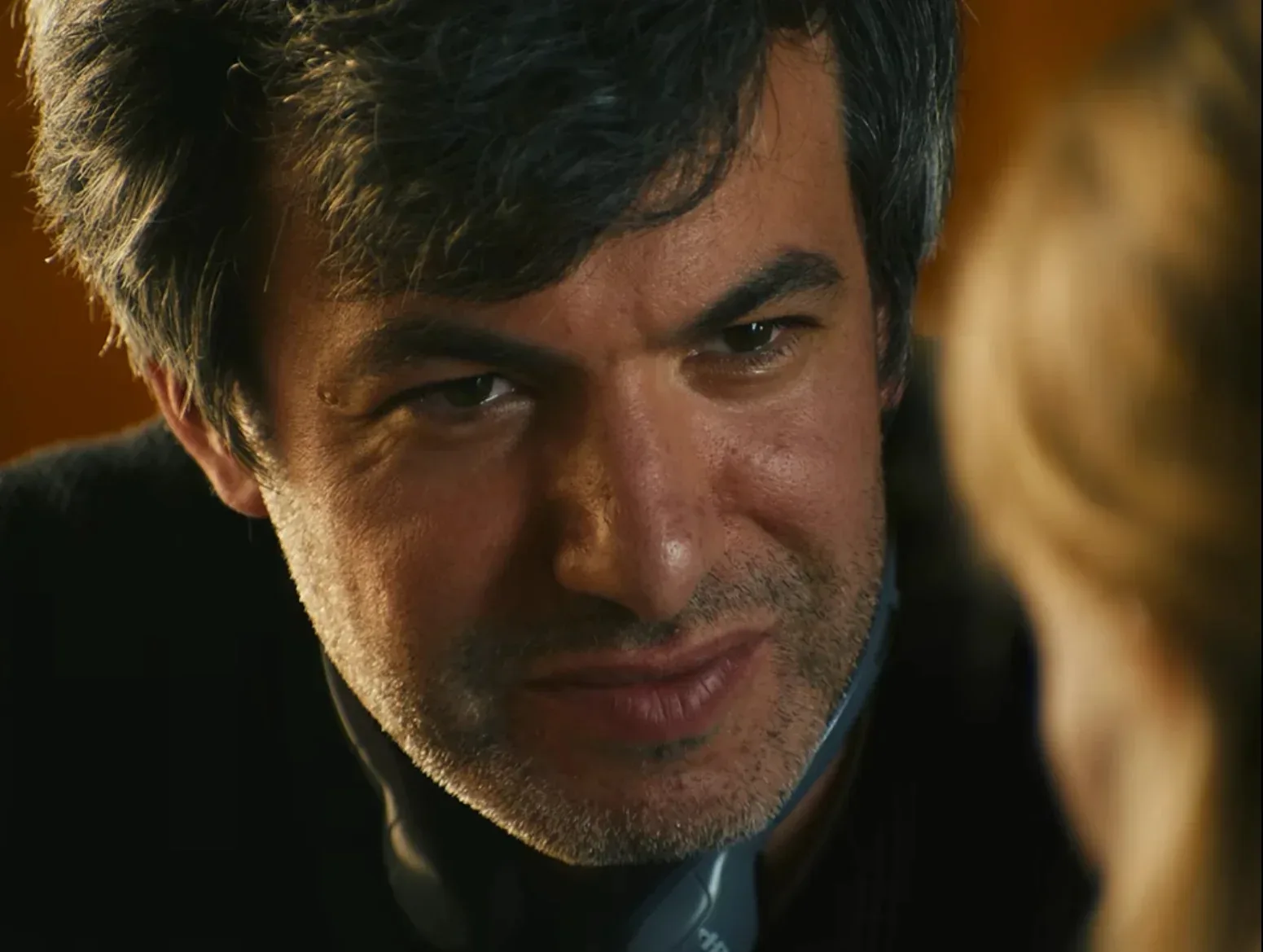
Avengers: Doomsday is scheduled to open in theaters on December 18. For more entertainment coverage beyond the Marvel orbit, see our look at Nathan Fielder’s “Kill Switch” approach.