Potential spoilers for Avengers: Endgame Encore, Loki season 2, Spider-Man: Brand New Day and Avengers: Doomsday follow.
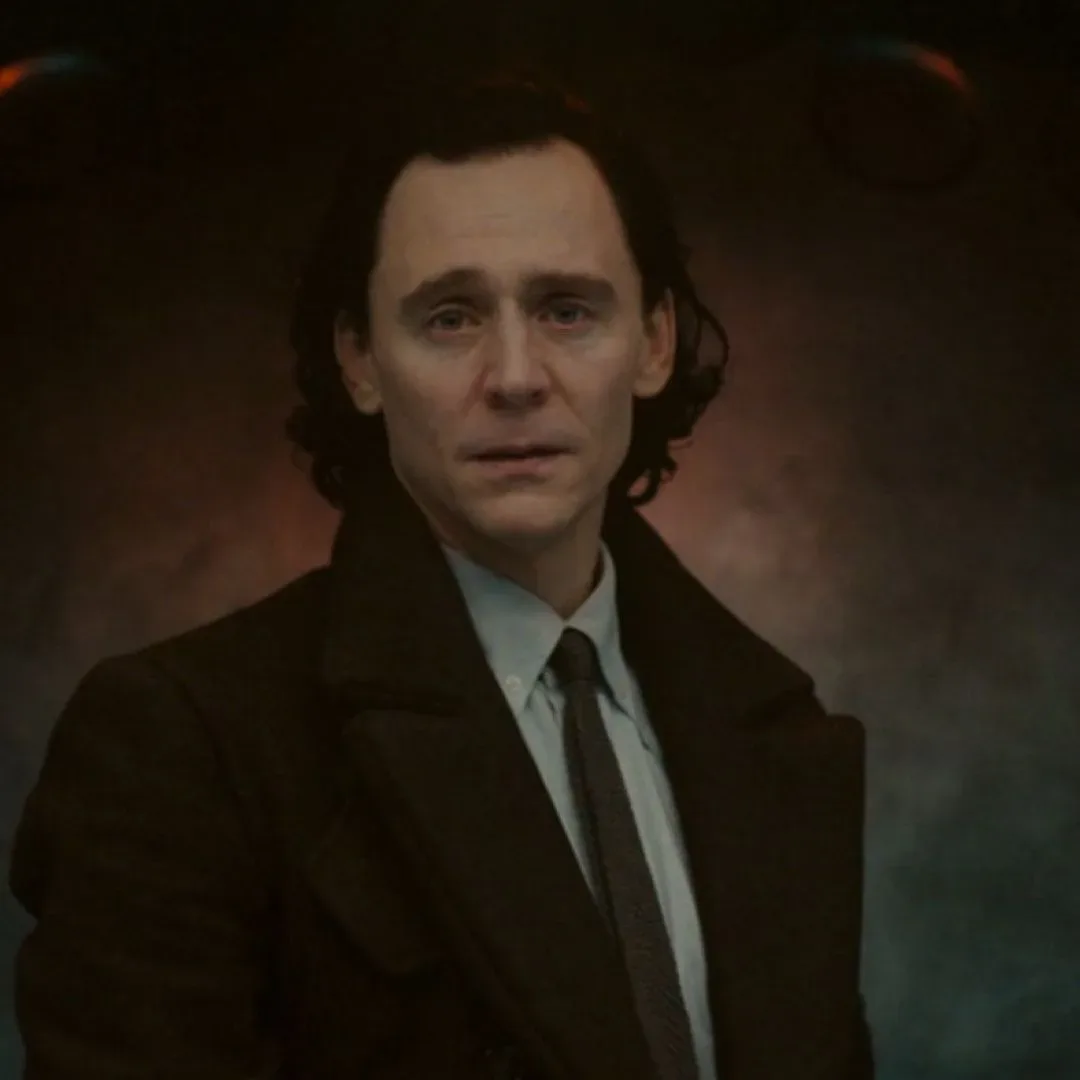
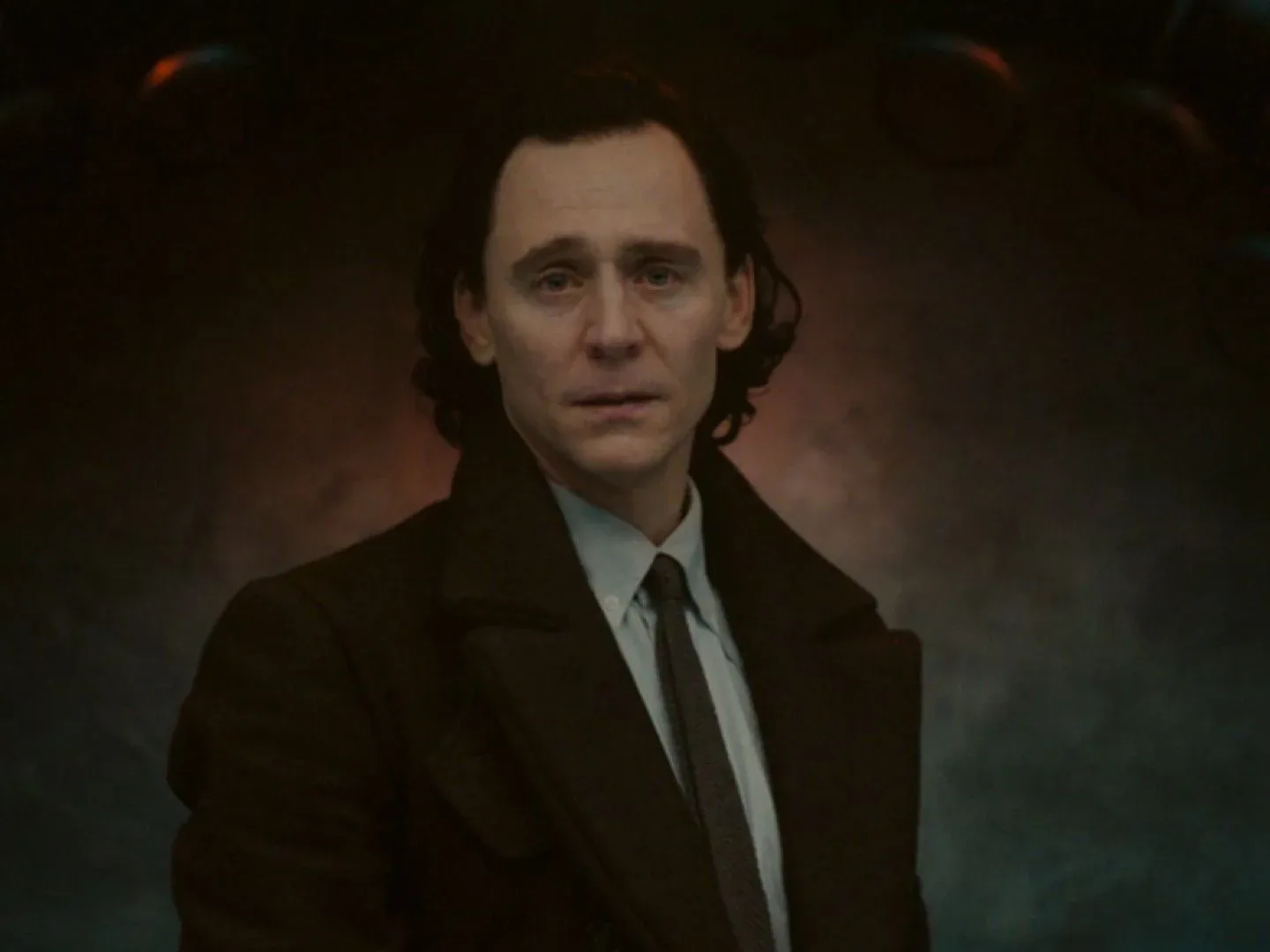
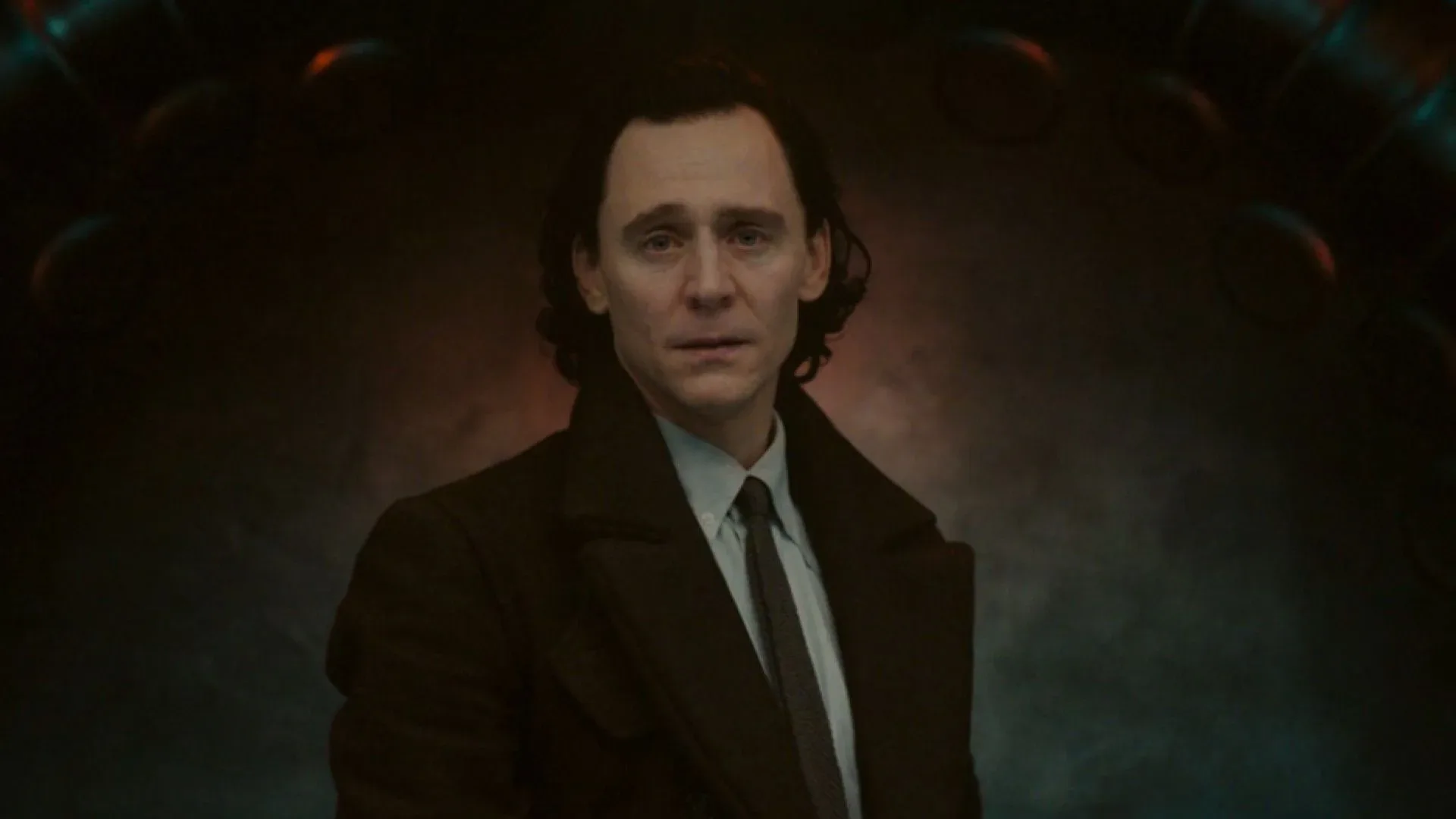
Footage connected to Avengers: Endgame Encore is circulating from the Korean release, and one brief scene appears designed to reopen a question that Loki season 2 seemed to settle. Loki is shown at the home occupied by Steve Rogers and Peggy Carter at the end of Avengers: Endgame. Peggy answers the door, asks, “Can I help you?” and Loki replies, “No, but I can help you, both of you.”
That is a compact exchange with extremely large multiversal baggage. By the end of Loki season 2, Loki had taken his place as guardian of the multiverse, positioned at the tree formed from its many timelines. The stated consequence was severe: Loki cannot leave that post without the multiverse dying. If the Encore sequence takes place after that finale, it seemingly presents a direct problem. How is Loki standing on Steve and Peggy’s doorstep at all?
There are answers available, but none are confirmed by the footage described so far. The most straightforward possibility is chronological: the encounter could occur before Loki assumes his final role in season 2. Yet its apparent placement alongside material setting up Avengers: Doomsday naturally invites viewers to suspect a later chapter. The scene’s very existence may be intended to make that uncertainty part of the hook.
The central issue: Loki was not simply sent somewhere else
It is useful to be precise about what makes this moment unusual. A character appearing in an unexpected place is normal superhero storytelling. Loki’s situation is different because the season 2 ending attached the health of the multiverse to his continuing presence at a specific duty. This is not merely a travel restriction or a promise not to intervene. The premise, as presented, is that leaving means the multiverse dies.
That distinction matters when considering the obvious fan explanations. A projection, duplicate, past version, variant, or scene set earlier in the chronology could potentially allow the footage to coexist with the finale. But the current footage does not establish any of those explanations. Nor does it say whether the visiting Loki is acting freely, whether he has been temporarily displaced, or whether the scene happens before he takes his place at the timeline tree.
In multiverse fiction, a variant generally means a version of a character from another branch or reality. That term can solve identity puzzles, but it would not automatically resolve the dramatic question here. If a different Loki visits Steve and Peggy, audiences would still need to know why that Loki is there and what the visit means for the wider crisis. If it is the same Loki from the television finale, the question becomes even more urgent.
The wording also suggests purpose rather than coincidence. Loki tells the couple he can help them both. Steve and Peggy’s quiet domestic ending has long carried emotional finality, so bringing Loki to their door risks altering the meaning of that resolution. The footage does not reveal what help he is offering, what threat they face, or whether they recognize the scale of the situation. It does, however, make their home into a potential junction point in a much larger story.
Incursions may be the clue, not yet the answer
Other Encore material reportedly shifts attention to the TVA and describes catastrophic incursions occurring throughout the multiverse. An incursion, in this context, is a collision or dangerous overlap involving realities. The important point is not simply that multiple timelines exist; it is that their contact has become destructive.
That raises a plausible, but still unverified, connection between Loki’s apparent absence and the incursion crisis. If Loki’s job is to safeguard the network of multiversal timelines, then a break in that arrangement could logically coincide with instability elsewhere. The footage may be asking audiences to wonder whether Loki has left his position, whether someone forced a separation, or whether the new crisis requires him to act beyond it.
That remains analysis, not a revealed plot point. The available description does not state that Loki causes the incursions, that Steve and Peggy are involved in them, or that the visit is responsible for any damage. The temptation to connect every multiverse scene is understandable, particularly when the TVA appears in the same batch of footage, but it is better to separate what is shown from what is inferred.
- Shown or described: Loki goes to Steve and Peggy’s home and offers help.
- Shown or described: the TVA material refers to catastrophic incursions across the multiverse.
- Established by Loki season 2: Loki’s continued place at the multiversal timeline tree is necessary to prevent the multiverse from dying.
- Not established yet: when the home scene occurs, how Loki reaches it, or whether it is directly tied to the incursions.
That division is especially important because timeline order and release order are not necessarily the same thing. A scene presented in promotional or bonus material can be a flashback, a flash-forward, an alternate branch, or a deliberately incomplete fragment. The theory that it takes place before the Loki finale is therefore viable. At the same time, Loki’s lack of discussion about Steve and Peggy during the Disney Plus series makes it difficult to place the event with confidence using dialogue alone.
Why Steve and Peggy are a meaningful choice
Choosing Steve Rogers and Peggy Carter rather than an arbitrary multiverse resident adds stakes even before the scene explains itself. Their home is associated with the final image of the original Endgame ending: a small, private life after a story defined by massive battles and cosmic loss. Loki at their door turns that peaceful setting into a potential mission briefing.
It also creates a character-level contrast. Loki’s season 2 resolution placed him in a lonely, ongoing responsibility for everyone else’s realities. Steve and Peggy’s ending represented a personal choice to step away and live a life together. The footage could be using that contrast to frame whatever help Loki needs from them—or whatever help he believes he can provide. What that help entails is not disclosed, so it would be premature to assume a return to active superhero roles, an altered ending, or a particular multiversal mission.
Still, the placement gives the conversation dramatic leverage. Steve and Peggy’s story has an established ending, while Loki’s has an apparent duty that prevents him from participating in ordinary life. Putting the two together makes the question less about whether the multiverse is complicated—these stories have already made that clear—and more about what kind of sacrifice can remain permanent when an incursion-level threat arrives.
Doom, Tony Stark and Bruce Banner widen the board
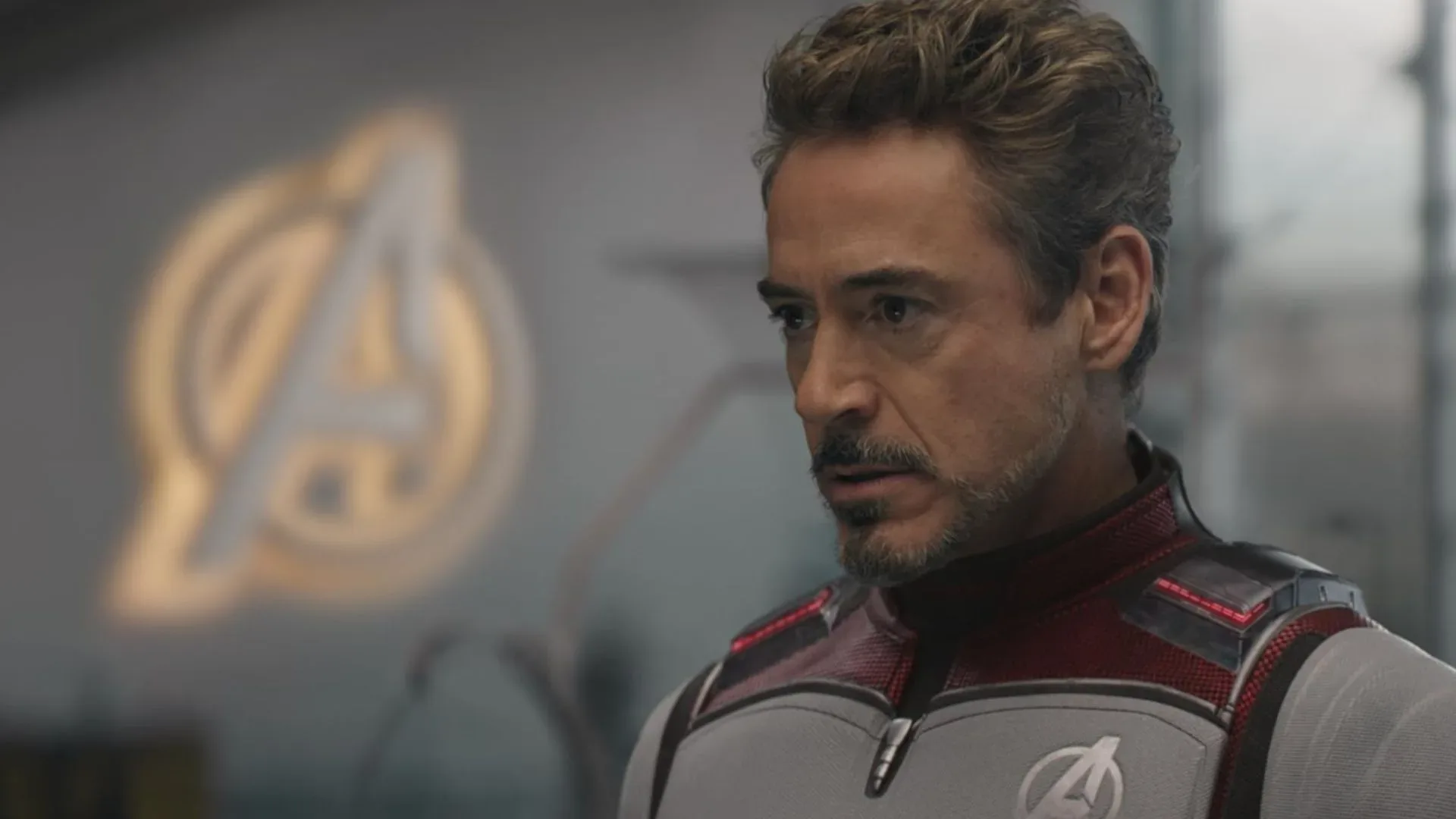
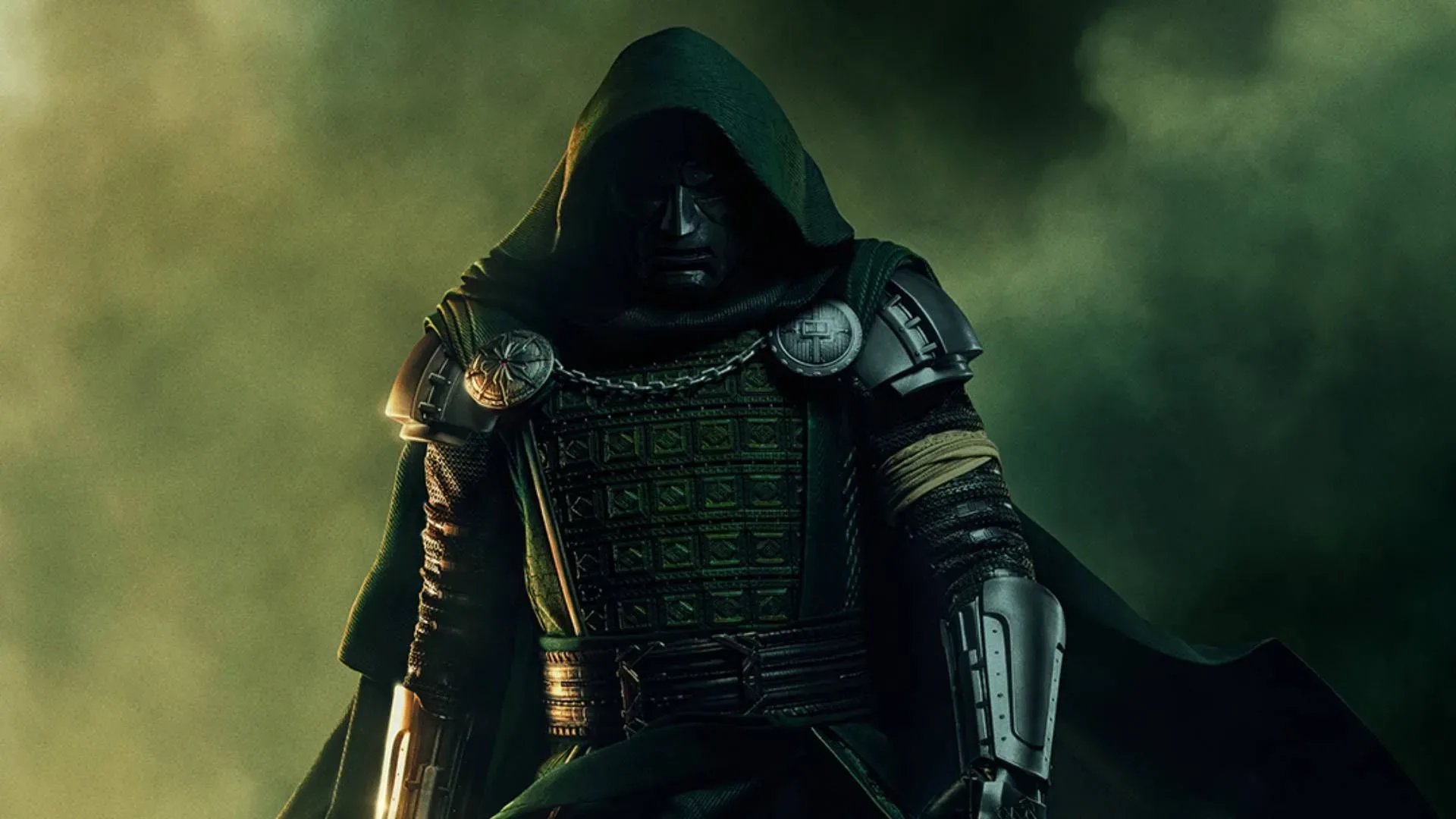
The Loki scene is only one component of the reported Encore material. Another sequence shows Tony Stark forging a Doom mask. That visual is being read as a possible suggestion that Doctor Doom could be an Iron Man variant. It is a provocative implication, but it should be treated as an implication rather than a confirmation. A character handling or making an object does not, on its own, establish identity, origin, or allegiance.
The detail nonetheless fits the footage’s broader interest in unstable identities and crossover consequences. If the multiverse is in crisis, familiar faces, familiar symbols, and familiar endings may no longer retain a single uncomplicated meaning. The Doom mask becomes a visual prompt: viewers are meant to ask whether the connection to Tony is literal, thematic, deceptive, or only a glimpse of a different timeline.
A further scene is said to occur after Spider-Man: Brand New Day and involves Hulk and Doom. Doom tells Bruce Banner that he is there to “collect” him. The line gives Doom an active goal involving Banner, though it does not explain what collection means, why Banner is targeted, or how this scene relates to the incursions and the TVA material.
As with Loki’s doorstep appearance, the useful response is not to declare a solution too soon. The footage identifies pressure points: Doom and a Stark-associated mask, Doom and Banner, catastrophic incursions, the TVA, and Loki at the home of Steve and Peggy. The connective tissue is deliberately incomplete. That uncertainty is now part of the lead-in to Avengers: Doomsday.
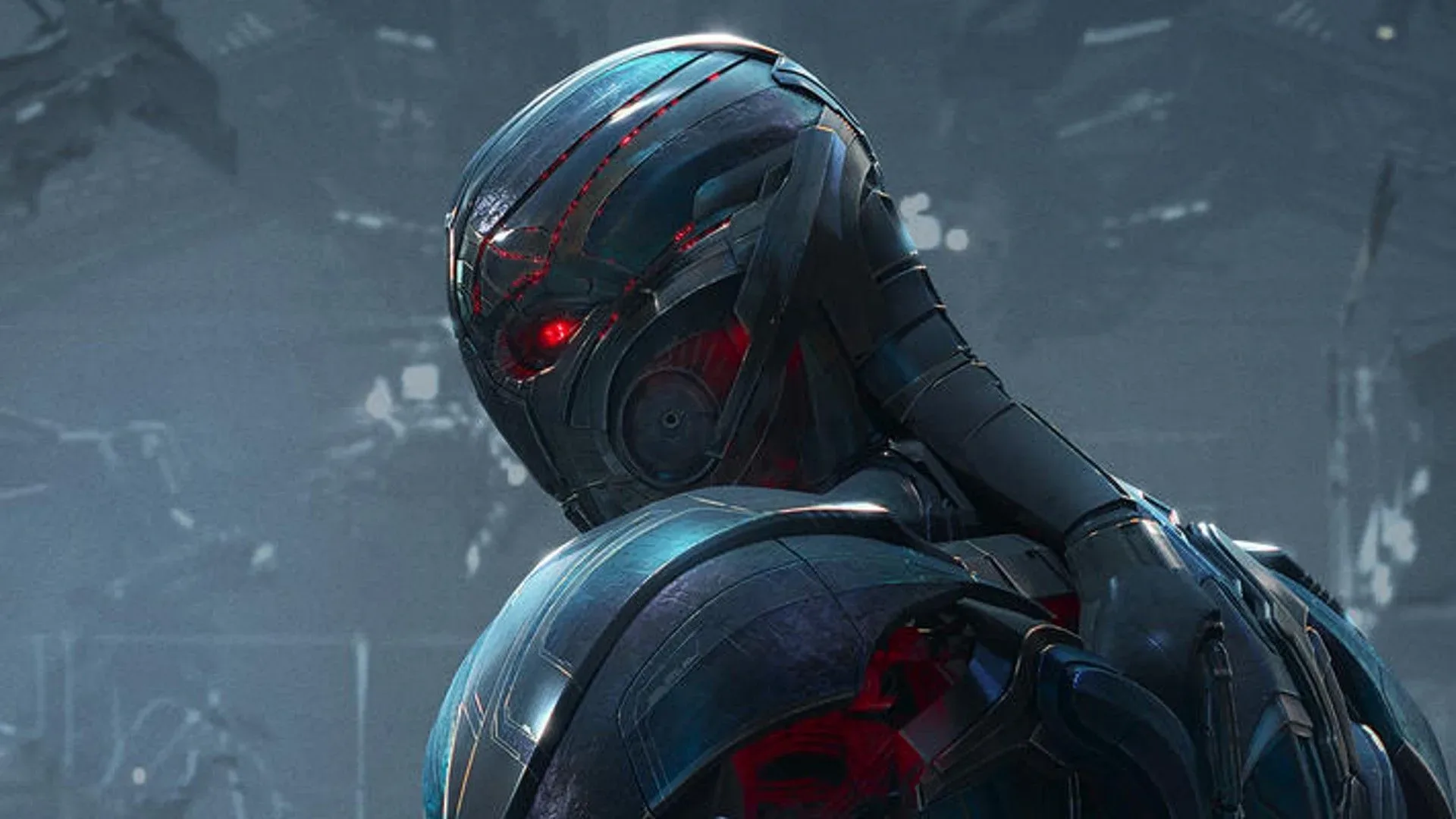
Marvel’s wider on-screen continuity is also continuing to build around major legacy characters and their technological echoes. The upcoming VisionQuest storyline involving an Ultron backup is another example of how past events can be revisited without their original consequences necessarily remaining sealed away. It does not explain the Encore footage, but it illustrates why a Doom-mask image and a Banner encounter will invite close scrutiny.
What viewers can responsibly take from the footage now
The practical takeaway is that the Loki material should be approached as a question mark, not a continuity error already proven. There are at least two broad readings supported by what is known: it happens before Loki’s multiversal sacrifice, or it happens afterward and signals an exception, disruption, or mystery that the story intends to explain. The footage itself has not selected between them.
That uncertainty also makes the scene more valuable than a simple cameo. If it were only about seeing Loki, Steve, and Peggy share a frame, there would be little need to foreground the rules set by the Loki finale. Instead, the apparent clash between those rules and Loki’s arrival becomes the narrative engine. The scene asks whether the guardian can act, whether the multiverse can survive that action, and why Steve and Peggy are implicated at this particular moment.
Avengers: Endgame Encore arrives September 25, while Avengers: Doomsday is scheduled for December 18. Until the full Encore material supplies more context, the strongest conclusion is also the narrowest one: Loki appears to be central to whatever is happening to the multiverse, but the mechanism, chronology, and cost of his intervention have not been revealed.