Warning: this article discusses a major spoiler for Avengers: Endgame Encore and potential story implications for Avengers: Doomsday.
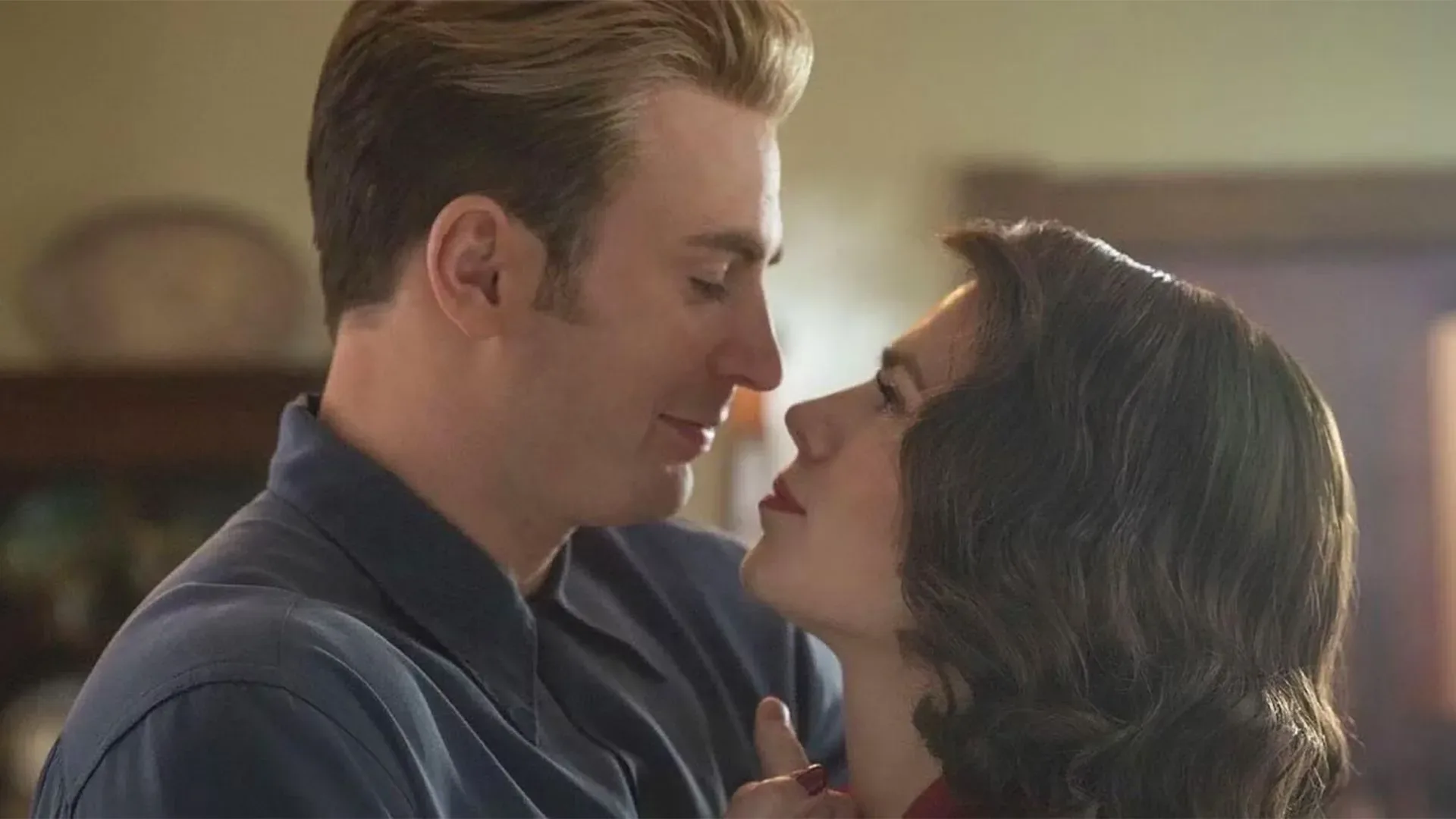
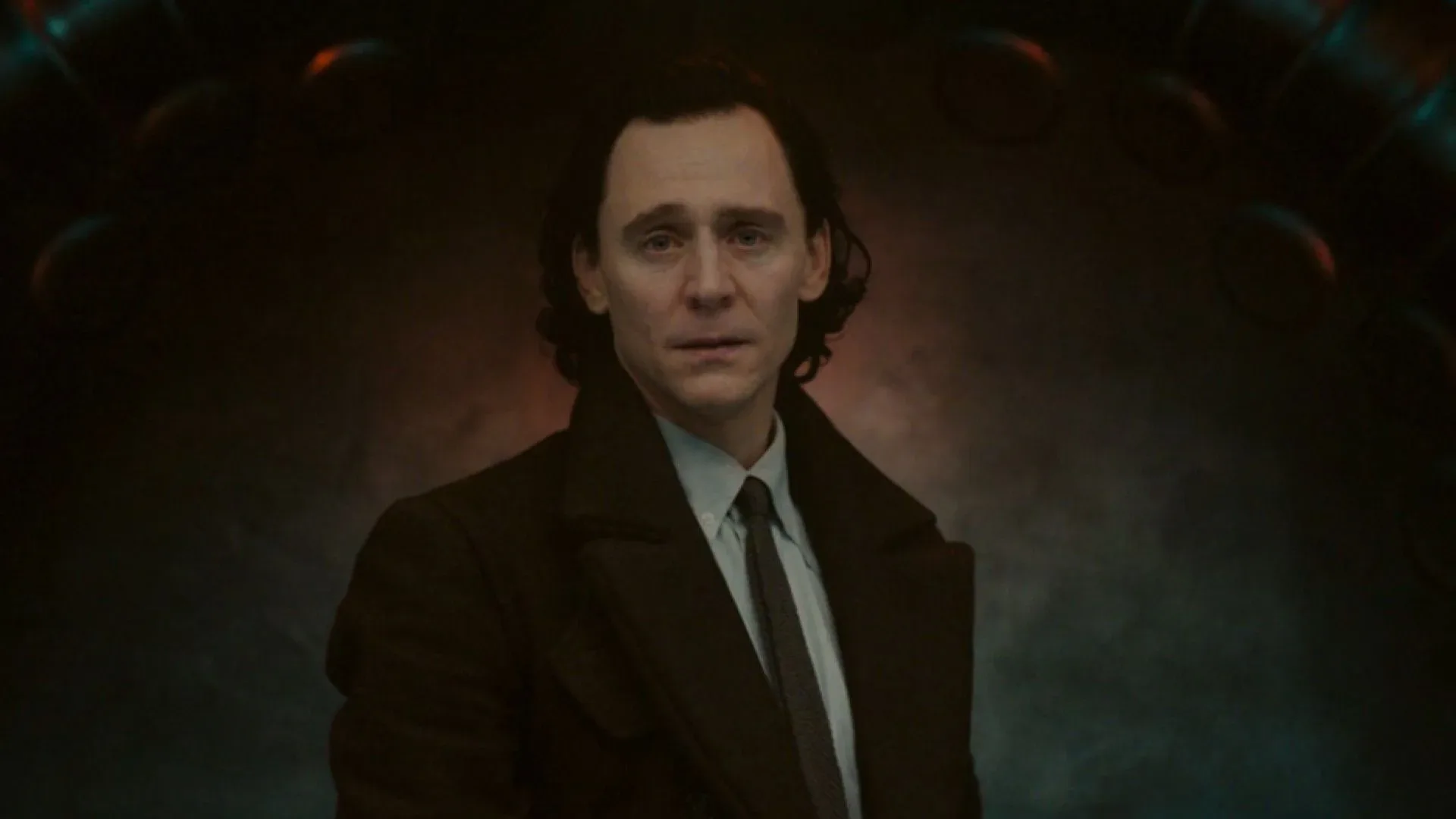
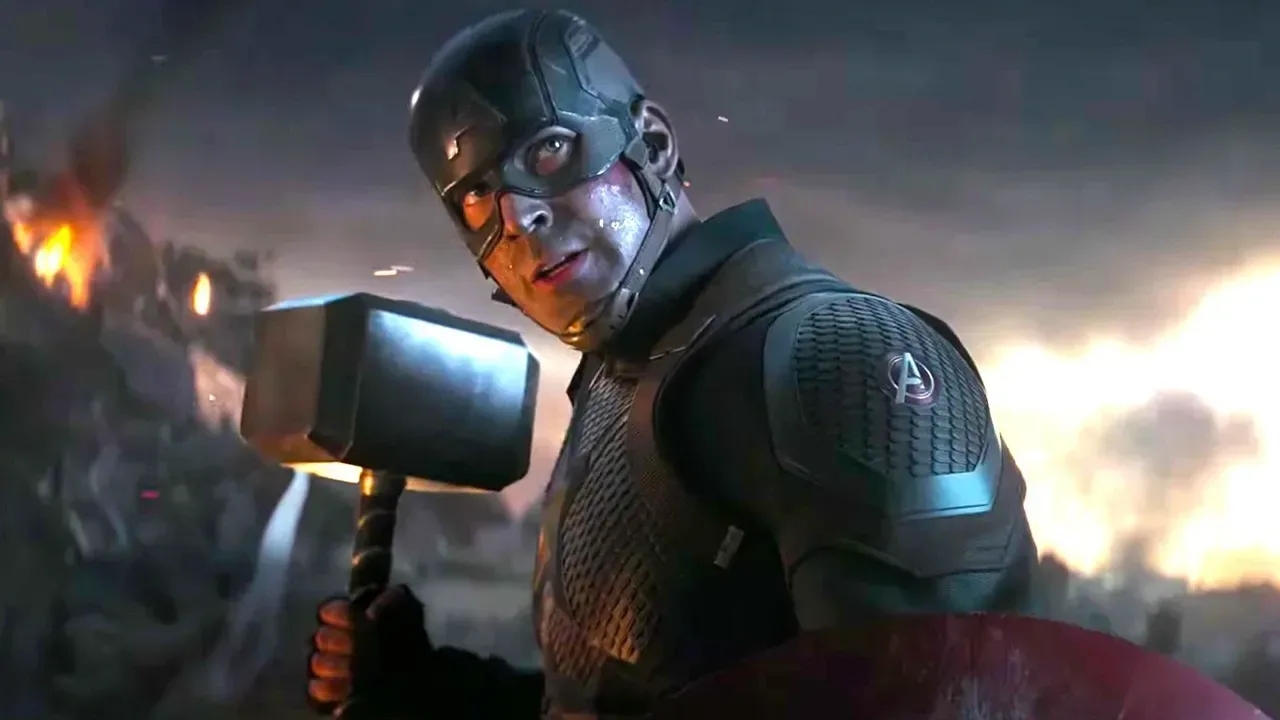
Steve Rogers finally got a quiet ending in Avengers: Endgame: a life with Peggy Carter, capped by a dance that deliberately felt separate from the noise, catastrophe and cosmic bookkeeping of the rest of the film. Avengers: Endgame Encore now changes the meaning of that final image. Its extended ending reportedly interrupts Steve and Peggy’s dance with the arrival of Loki, apparently during his time as an agent of the TVA.
Director Anthony Russo has directly connected that extra moment to the next Avengers movie. Speaking during a Q&A following a New York screening, Russo said the film goes “one beat past” the point where Steve’s story formerly ended, and that this is where Avengers: Doomsday is born.
“We play one beat past where Steve Rogers’ story ended with Peggy Carter, and in that moment, that’s where Doomsday is born.”
That is a remarkably large job for a single additional scene. It does not merely place a familiar character into a postscript for nostalgia’s sake; it reframes Steve’s retirement as a possible initiating event in a larger multiversal disaster. The precise chain of cause and effect remains unknown. Russo did not explain why Loki visits, what Loki wants from Steve and Peggy, where the trio might go, or how their decision reaches Doctor Doom. But the framing leaves little doubt that the revised ending is intended as story machinery, not a stray cameo.
A happy ending that may no longer be final
The original Steve-and-Peggy ending worked because it closed the door. Steve had returned the Infinity Stones, chosen not to come back in the usual way, and eventually appeared as an old man who had lived the life he had postponed. The final dance gave the character an unusually intimate exit after a story built around armies, time travel and universe-threatening stakes.
Adding Loki to that room transforms the scene’s function. Instead of being a full stop, it becomes a hinge. The emotional image remains Steve and Peggy dancing, but viewers now have to read it with an incoming disruption in mind. That does not inherently erase the happiness of the scene. It does, however, make that happiness contingent: something is about to ask Steve to re-enter a problem he thought he had left behind.
There is a useful distinction here between a retcon and an extension. A retcon, short for retroactive continuity, changes or replaces an established element of a story. An extension adds material after an existing event and supplies new context. Russo’s “one beat past” wording suggests an extension. The dance itself still happens; the new material follows it. Yet an extension can have retcon-sized consequences when it changes what comes next. If Steve and Peggy leave their settled life, or if their life becomes entangled in a different reality, the audience’s understanding of Steve’s ending necessarily shifts.
Related coverage includes Anthony Russo Says Endgame Encore's New Final Beat Is Where Avengers: Doomsday Begins.
Why Loki is the character who can make this happen
Loki’s apparent TVA connection is the crucial detail. The TVA, or Time Variance Authority, is associated with monitoring and intervening in branching timelines. In straightforward terms, it gives Loki a narrative reason to show up at a moment and location that should otherwise be unreachable. He does not need to stumble upon Steve by coincidence; he can arrive because a timeline has become dangerous, strategically important or both.
That framework also explains why the scene’s stakes may be bigger than a personal reunion. A TVA-linked Loki arriving at Steve and Peggy’s home implies that their quiet corner of history has drawn the attention of an organization concerned with realities rather than ordinary locations. The question is not simply whether Steve will help an old ally. It may be whether Steve and Peggy’s continued presence is itself relevant to the stability, survival or direction of a universe.
The phrase multiverse is often used broadly, but its practical story meaning here is relatively clear: multiple realities can exist with differing histories, and movement or interference between them can create consequences that one timeline alone would not produce. The source material does not establish the rules at work in Endgame Encore, so it would be premature to declare that Steve has broken a particular rule or caused a specified kind of paradox. What it does establish is that Loki’s visit and the new finale are being positioned as the start of the road to Doomsday.
Doctor Doom’s grief may be part of the equation
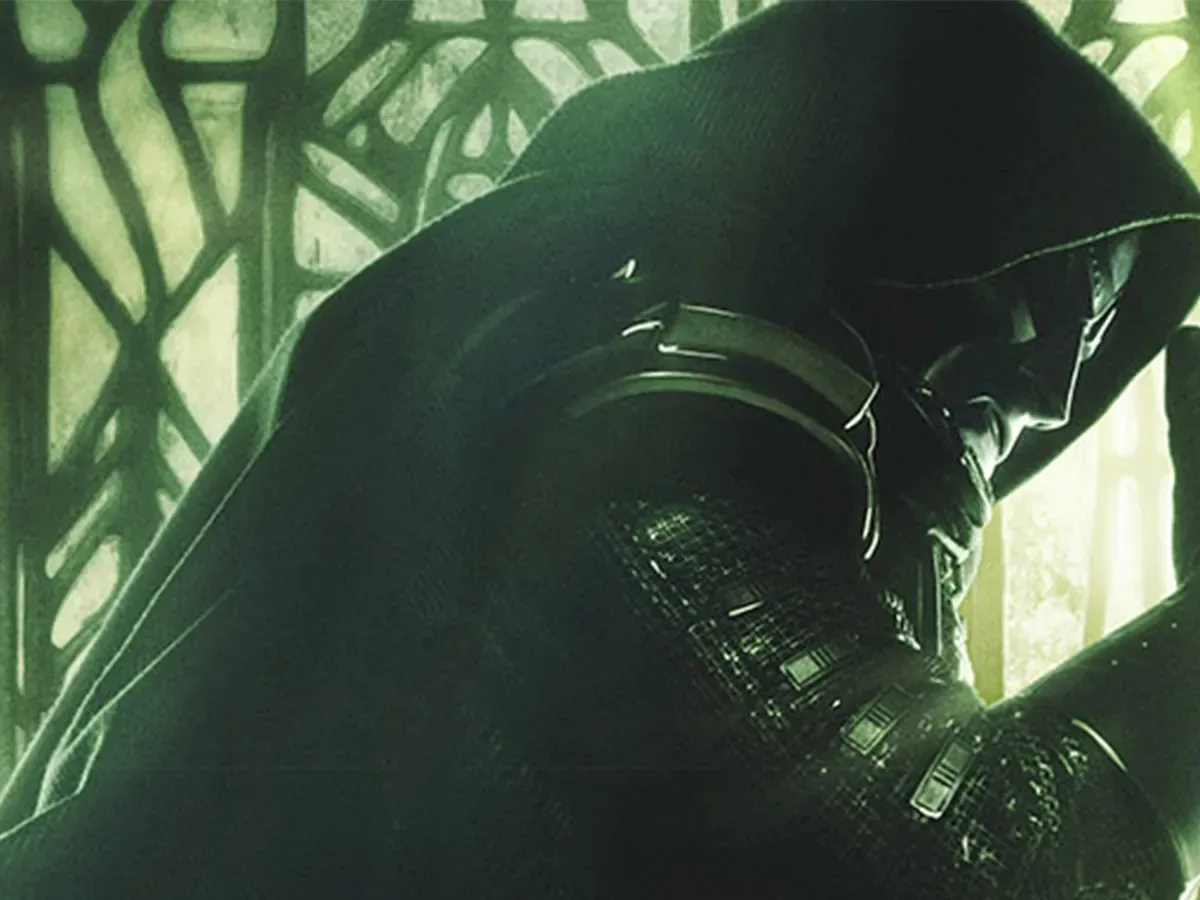
A recent teaser has shown Doctor Doom mourning his wife and child. That image has already encouraged speculation that the expanded Steve Rogers sequence feeds into Doom’s motivation. The theory is not confirmed, but it has a recognizable dramatic shape: an action by Steve, Peggy and Loki involving timelines or realities may inadvertently help set Doom on a path of revenge.
The word to emphasize is inadvertently. Nothing presently establishes that Steve intends to harm Doom, Doom’s family, or Doom’s reality. Russo has not described an act of betrayal, a rescue, a bargain or a sacrifice. The teased link is broader than that: the added scene is where the next film is “born.” In a multiverse story, the birth of a conflict can mean a choice that has unforeseen effects many steps later.
That possibility suits Steve Rogers particularly well. The character’s defining instinct is to act when someone needs help, even when the safer option would be to stay out of it. A Loki visit creates an immediate pressure point: if someone or something is in danger, Steve is unlikely to ignore it simply because he has earned retirement. The tragic potential is that doing the right thing with incomplete information can still cause damage elsewhere.
It also creates an emotional contrast with Doom’s teaser. Steve’s story has been associated with sacrifice in service of others. Doom, based on the available hint, may be driven by personal bereavement. If the films connect those threads, the conflict could rest less on a random collision of heroes and villain and more on competing responses to loss, responsibility and the cost of changing a world.
The leading theories, and what remains unsupported
Fans have proposed several possible explanations for Loki’s intervention. One is that Steve and Peggy need to be extracted from a universe that is going to be destroyed. Another is that they end up in Doom’s universe. A further theory imagines that Steve and Peggy having a child in a reality where they do not belong somehow displaces or removes another child in order to maintain a multiversal balance.
These ideas are useful as evidence of what the new scene invites viewers to consider, but they should not be treated as established plot details. The known facts are much narrower:
- Endgame Encore adds a moment after Steve and Peggy’s dance.
- Loki appears in that added moment and seems connected to his TVA role.
- Anthony Russo says the sequence is where Avengers: Doomsday begins.
- A teaser has depicted Doom mourning his wife and child.
- Avengers: Doomsday is set to continue Steve Rogers’ story.
There is no confirmed explanation yet for why Loki needs Steve, whether Peggy accompanies Steve beyond the scene, whether Doom’s grieving family is tied to Steve and Peggy, or whether a universe is actually destroyed. The difference matters. Multiverse storytelling can make a plausible fan theory feel almost like a synopsis because the premise permits so many routes between two images. Plausibility is not confirmation.
What the Encore scene changes for Steve Rogers
For viewers, the immediate practical implication is that Steve’s original ending can no longer be viewed only as an epilogue. It is now a point of entry for the next major Avengers story. Anyone revisiting Endgame may want to pay special attention to the logic and emotional weight of Steve choosing a life with Peggy, because the extended version gives that decision new narrative consequences.
There is also a potentially important distinction between Steve’s past and Steve’s future. The old-man Steve seen after the main events of Endgame offered a sense that his personal journey had reached a calm resolution. The Encore addition apparently asks whether that calm ever truly existed without complication. If Loki’s appearance occurs directly after the dance, then the newly visible story does not leave Steve’s future untouched for long.
That may be precisely why Russo’s wording focuses on the scene having “a different meaning.” The final dance still communicates love and relief. But it can now communicate fragility as well. An ending is only an ending until a time-traveling TVA agent walks in.
It also puts Peggy back in the center of a major continuity question. Steve’s choice was never solely about stepping away from heroism; it was about choosing a life with her. If Loki’s intervention forces a choice, Peggy is not merely part of Steve’s backstory or a sentimental symbol. She is present at the new point from which Doomsday emerges, and whatever happens next could concern their shared life rather than Steve’s alone.
What to watch for before December 18
Avengers: Doomsday arrives in theaters on December 18. Until then, the most meaningful pieces to watch are not elaborate predictions about every branch of the multiverse, but the elements the Encore ending has made explicitly important:
- Loki’s purpose: Is he delivering a warning, requesting aid, conducting an extraction, or responding to a timeline already in crisis?
- Steve and Peggy’s choice: The key action may be less about Loki’s arrival than how they answer it.
- The location of the next story: Whether Steve remains in his original setting or is moved into another reality would shape how directly Doom enters his life.
- Doom’s loss: The teaser establishes grief, but not its cause. Any official material that connects that grief to a disrupted reality would substantially strengthen the leading theories.
The new scene is a bold way to connect an emotional farewell to an incoming event movie: it makes a small, domestic moment carry the pressure of an entire franchise’s next crisis. It may also ensure that Steve Rogers’ well-earned dance is remembered not only as a goodbye, but as the second before the universe’s next very bad day begins.
For another recent Doomsday promotion, see our coverage of the cast’s theater phone-silencing ad.