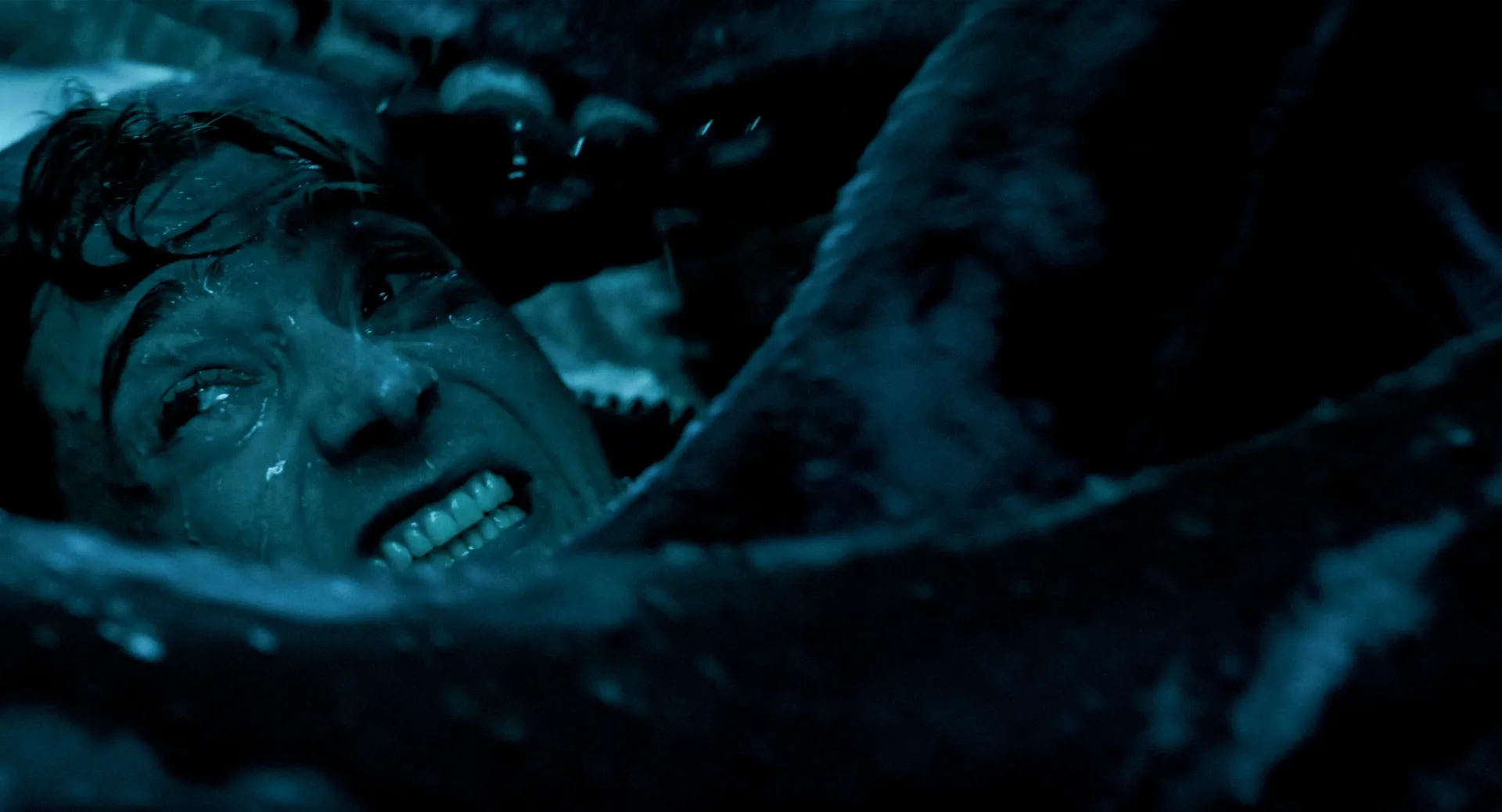
Whalefall has built an unusually intimate connection between its central creature and Josh Brolin’s character. Director Brian Duffield revealed that Brolin’s own heartbeat was recorded, then doubled, to provide the pulse of the sperm whale that traps Jay, played by Austin Abrams, for much of the film.
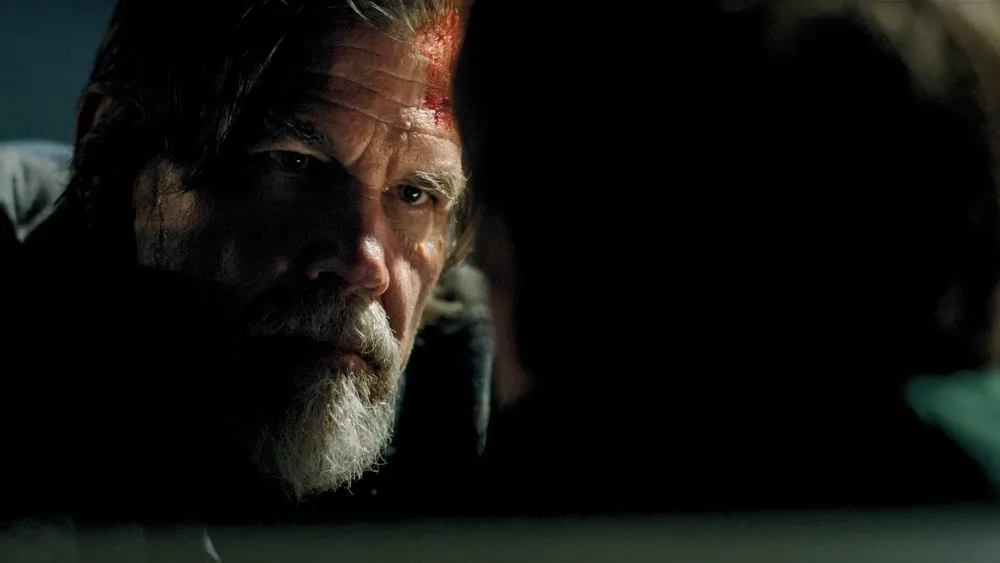
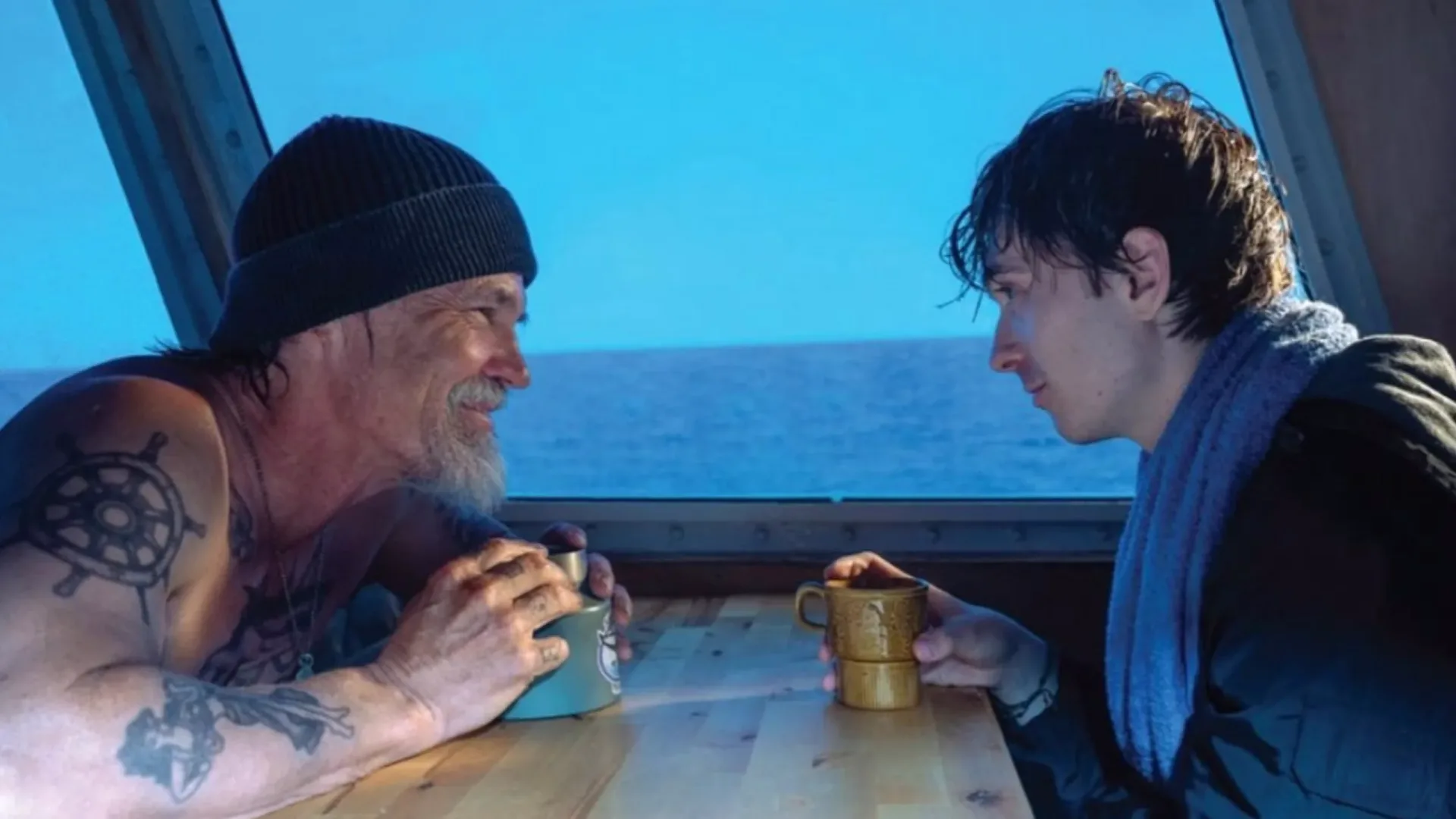
That audio decision is more than a production anecdote. In the film, Brolin plays Mitt Gardiner, Jay’s late father. As Jay struggles to survive inside the whale, he communicates with his father’s spirit through Brolin’s voice; that presence also overlaps with the spirit of the whale. Letting Brolin’s real heartbeat drive the animal’s on-screen pulse turns a thematic link between father and whale into a literal sensory one.
It is the kind of detail many viewers may never consciously identify, but it can still shape how a scene feels. Duffield described the decision as an effort to make the work personal even in ways the audience might not overtly notice. The whale also received facial scarring intended to resemble the scarring on Mitt, extending the connection from sound into the creature’s design.
A heartbeat becomes part of the storytelling
A heartbeat in film sound is rarely just background noise. It establishes rhythm, signals physical vulnerability and can direct attention before a character says a word. In Whalefall, it has an additional practical role: the heartbeat triggers a specific lighting effect. That means the pulse is not merely heard; it helps organize the film’s visual language, repeatedly tying the whale’s body to the movie’s light.
Using Brolin’s recorded heartbeat gave the filmmakers a readily available, human source for that rhythm. Duffield said the team did not have a native sperm whale heartbeat recording and landed on Brolin as the solution. The recording was doubled for the whale. “Doubled” here means the production used two layers or instances of that pulse, creating the heartbeat effect required for the film rather than presenting the recording as an unaltered biological document.
That distinction matters. The choice was not presented as a scientific recreation of how a sperm whale’s heart sounds. It was a dramatic construction: a piece of sound design designed to reinforce the story’s emotional architecture. Sound design encompasses the selection, recording, manipulation and placement of audio used to create a screen world. In this case, it joins voice, lighting and creature design in the same storytelling job.
The outcome is particularly fitting for a survival story centered on confinement inside an enormous animal. A pulse is an inescapable presence in such a setting. It can function as an environmental cue—evidence that Jay is inside a living body—while also becoming a reminder of Mitt. Since Brolin voices both the dead father’s presence and the whale-linked spirit, his heartbeat supplies another layer beneath that dual role.
Scars give the whale a quiet human echo
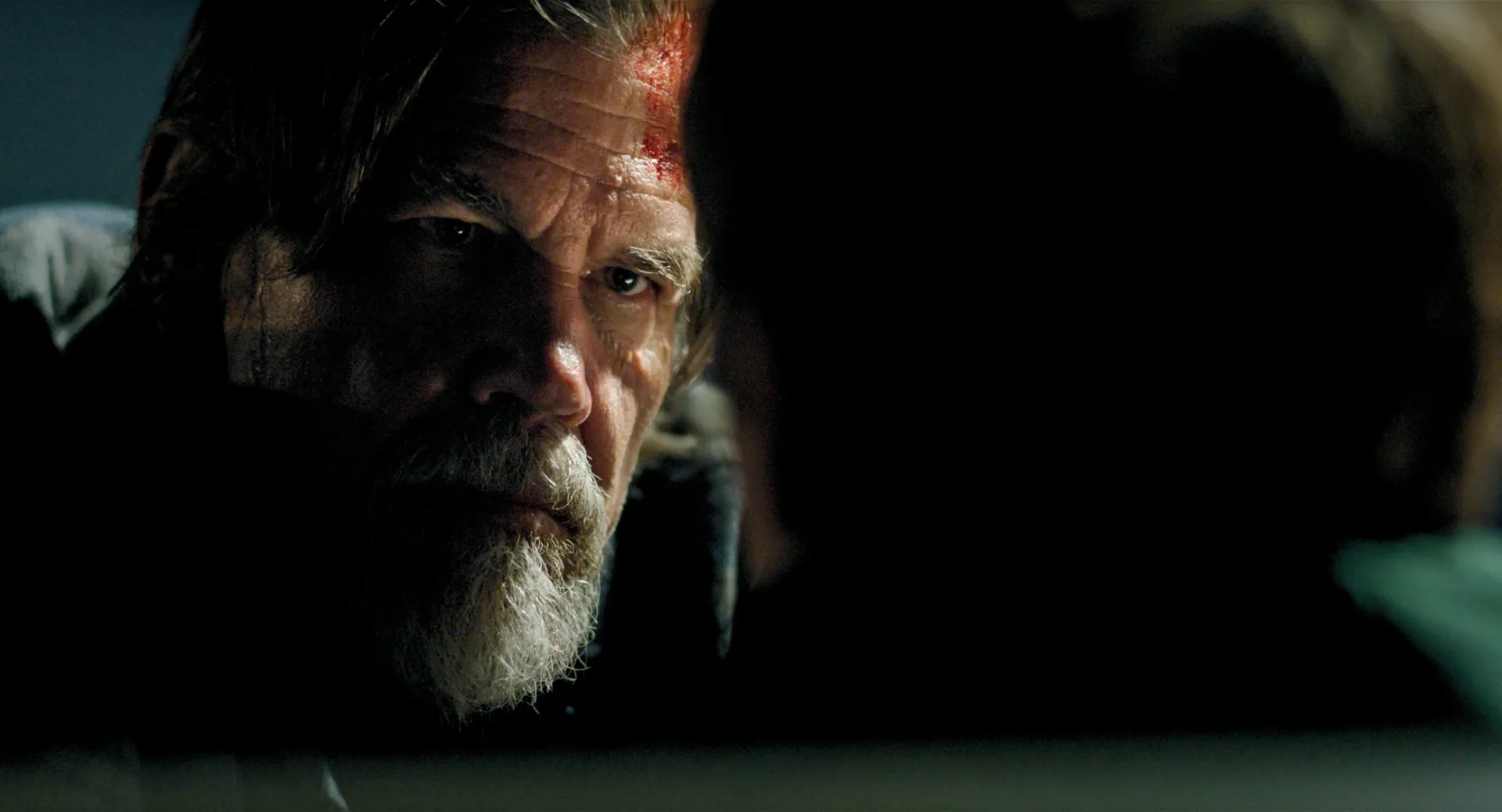
The filmmakers did not stop with audio. Duffield said Brolin also influenced the whale’s physical appearance, specifically through facial scarring comparable to that of Mitt. Rather than an overt revelation or a visual gag, the scars are intended as a subliminal connection.
Related coverage includes Josh Brolin’s Heartbeat Helped Shape the Whale in ‘Whalefall’.
“Subliminal” is useful shorthand here, though it does not require a hidden message or a puzzle for viewers to solve. It describes an element that can register below conscious attention: a resemblance that reinforces a feeling without demanding that the audience pause to name it. A viewer may simply experience the whale as more entwined with Mitt’s memory, whether or not they spot the matching scars.
For Abrams’ Jay, the overlap gives his ordeal a complicated emotional shape. The whale is the immediate danger keeping him trapped, while his father is a voice and spirit connected to the creature. The shared physical and sonic traits prevent those ideas from sitting in separate compartments. The threat, the grief and the source of possible guidance are deliberately intertwined.
It is also an example of creature work serving character rather than existing solely for spectacle. Large-scale animals in film can become technical showcases, but a design choice such as scar placement can instead make the creature part of a protagonist’s personal history. Nothing in the detail changes the basic peril Jay faces. What it changes is the emotional texture of that peril.
Why small production choices can carry large emotional weight
Movies routinely use repeated motifs—recurring sounds, images, colors or gestures—to build associations. Whalefall appears to use a coordinated set of motifs rather than relying on one obvious symbol. Brolin’s voice connects Mitt and the whale spiritually. His heartbeat connects them through rhythm and the lighting effect. The shared scars connect them visually.
Each individual component could be easy to miss. Together, they create consistency. The whale is not only a location or an obstacle; it is constructed to feel bound to Jay’s father on several levels. That approach gives the production a way to make an abstract spiritual connection tactile. The audience does not need explanatory dialogue every time the connection is relevant, because the film’s sound and image can carry it.
The technique also highlights a basic advantage of cinema: separate departments can push the same idea from different directions. An actor’s recorded pulse belongs to sound. Scarring belongs to visual and creature design. Lighting is its own visual system. Performance and voice work add another layer. When those departments are aligned, a film can communicate through accumulation rather than exposition.
That is not the same as saying every viewer will detect every ingredient. Duffield’s comments make clear that universal recognition was not the point. The personal specificity mattered to Abrams and to the filmmaking team, and the audience can still respond to the finished effect without knowing its behind-the-scenes origin.
Brolin’s year and the theatrical uncertainty around it
Whalefall is one of three films featuring Brolin this year, alongside the third installment in the Dune franchise, which is set for release on December 18. While discussing Whalefall, Brolin also spoke warmly about theatrical moviegoing, recalling the feeling of attending cinemas on Sundays in his teens and early twenties as the lights went down.
At the same time, he acknowledged the unpredictability of box-office outcomes. Ridley Scott’s The Dog Stars, another Brolin film, opened to $8 million domestically in August despite what he characterized as a strong marketing campaign. Brolin’s point was not that promotion guarantees an audience; it was that there is no reliable way to know in advance which titles will connect.
He pointed to his 2017 film Only the Brave as an example of a different trajectory. It struggled theatrically at first but later found a larger audience through streaming. The contrast is a useful reminder that a film’s opening-weekend total and its longer cultural life are not identical measures. Theatrical performance tracks ticket sales in a particular window and market; later streaming attention can reshape how widely a title is seen, though it does not retroactively change that initial box-office result.
For films built around idiosyncratic creative decisions, that longer life can matter. A detail such as Brolin’s heartbeat becoming the whale’s pulse may not be a marketing hook on its own, but it gives viewers something substantial to revisit and discuss once they encounter the film. It also demonstrates how an actor’s contribution can extend past a visible performance: here, Brolin’s voice, physical reference points and recorded heartbeat all became ingredients in the whale itself.
That kind of cross-disciplinary craft is also relevant to the broader challenge of translating big imaginative worlds to the screen. For another perspective on the complications of adaptation, see Mike Flanagan’s comments on the difficulty of adapting Warhammer 40,000. Whalefall is working on a more contained, character-focused scale in this specific detail, but the principle is similar: a screen world feels more cohesive when its technical choices reinforce the story instead of merely decorating it.
The whale is built as a character connection, not just a setting
The clearest takeaway from Duffield’s revelation is that Whalefall treats its sperm whale as an emotionally authored presence. Its pulse comes from Brolin. Its scars echo Brolin’s character. And its spiritual link to Jay is expressed through Brolin’s voice. Those choices do not remove the whale’s danger; they make that danger more personal.
For a story in which Jay is trapped inside the animal for most of the film, that personal quality is important. The setting cannot simply feel like an empty container for survival beats. By making the whale carry fragments associated with Mitt Gardiner, the filmmakers give the central environment a relationship to Jay’s loss. The resulting idea is simple but striking: the thing enclosing him is also shaped by the memory of the father he is trying to reach.