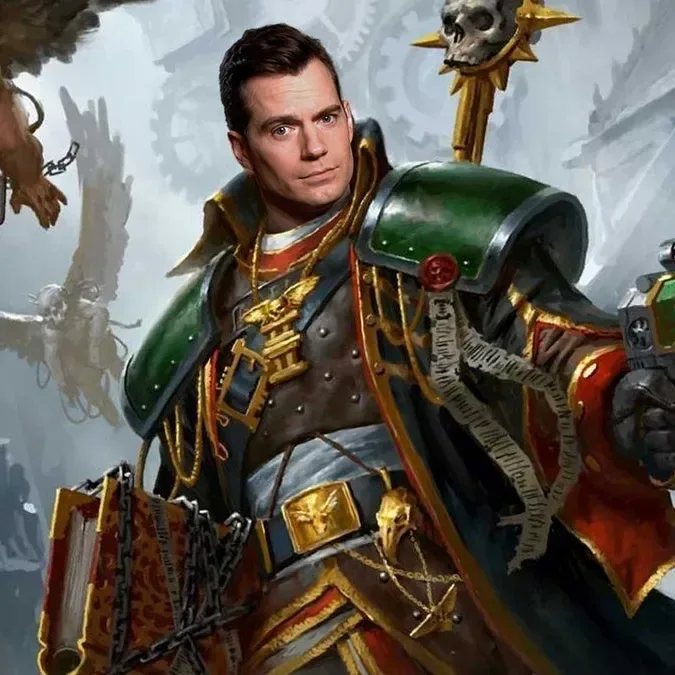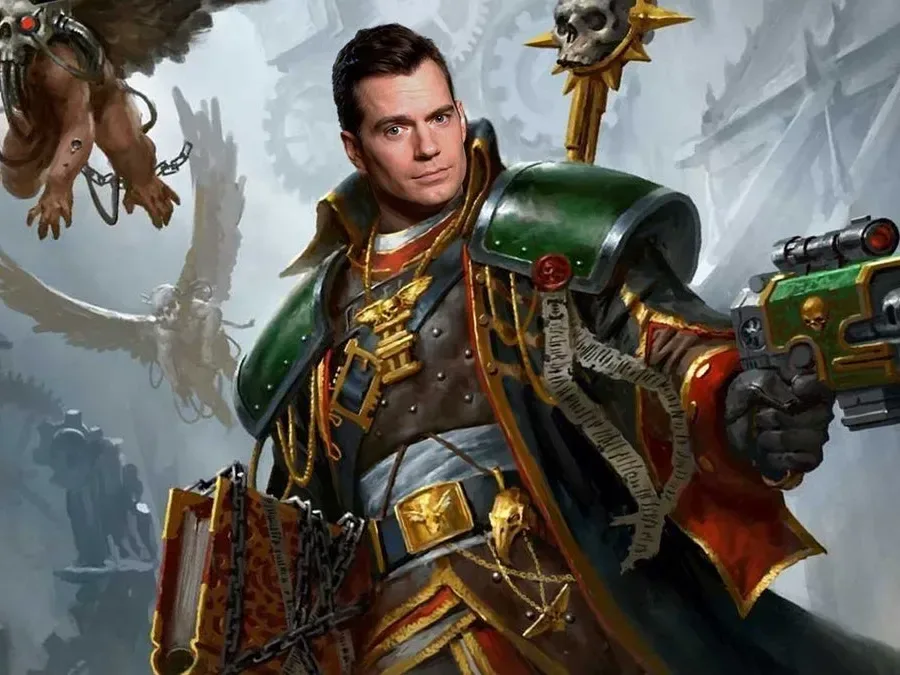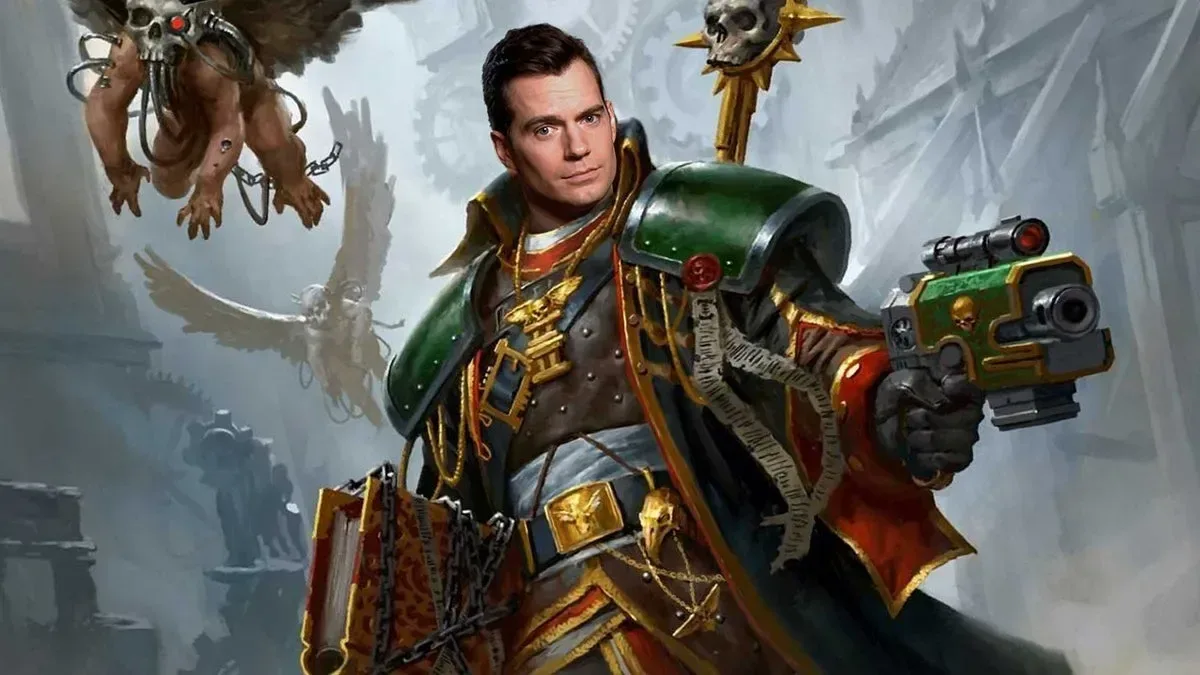
Mike Flanagan has described his work on a Warhammer 40,000 television series as a “brutally difficult adaptation,” identifying the central problem that has faced newcomers to the setting for years: where, exactly, do you begin?
Flanagan is developing the series for Amazon as part of Henry Cavill’s planned Warhammer 40,000 screen universe, with Cavill set to star. The director and showrunner’s comments do not reveal the show’s story, characters, release timing or format. They do, however, offer a useful glimpse at the creative hurdle in front of the project: Warhammer 40,000 is not one tidy narrative with an obvious first chapter.
It is a tabletop-game setting supported by a vast library of fiction, populated by enormous armies, political factions, cosmic entities and ordinary people trying to survive a hostile future. Its stories stretch across thousands of years and routinely approach events from conflicting perspectives. That richness is a major appeal for established fans. For a television adaptation, it also means the wrong opening could ask a new audience to learn an entire galaxy before it has had a reason to care about anyone in it.
The difference between adapting a story and adapting a setting
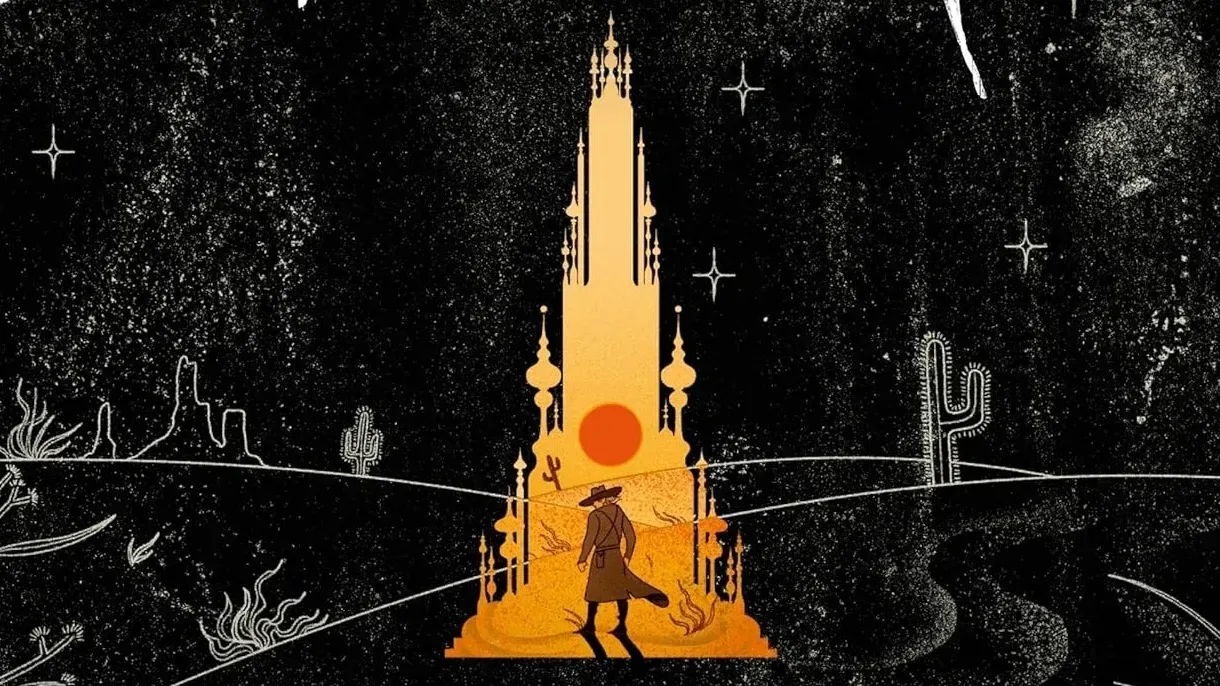
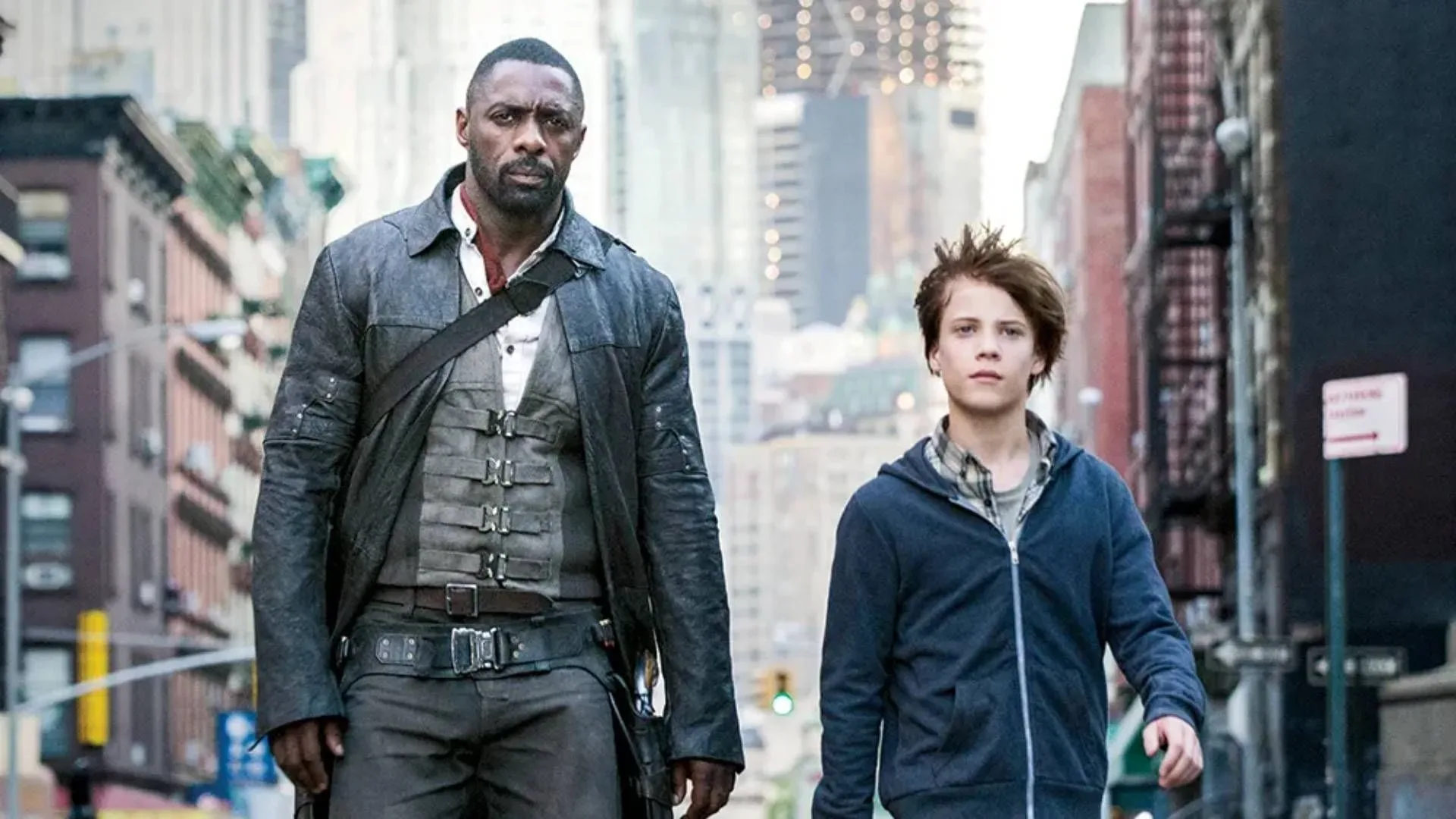
Flanagan contrasted Warhammer 40,000 with his proposed adaptation of Stephen King’s The Dark Tower. As covered in Flanagan’s earlier outline for The Dark Tower, his approach there is comparatively direct: follow the books in sequence.
He pointed to the disciplined opening of King’s saga, which starts with a clear pursuit involving two characters in an almost empty landscape, then steadily expands the world around them. That is a powerful adaptation model because viewers receive an immediate human-scale question—who is chasing whom, and why?—before the lore widens.
Warhammer 40,000 does not arrive with that same built-in route. Flanagan noted that the universe has roughly 700 novels, versus eight in The Dark Tower, and stressed that these are full-length books rather than small supplemental tales. The quantity alone is not necessarily the obstacle; a long franchise can be adapted without adapting every installment. The challenge is that the material offers many possible beginnings, each of which presents a very different version of the setting.
Why the lore is especially challenging for television
The phrase entry point matters here. In franchise storytelling, an entry point is the character, event or situation that lets a first-time viewer understand the stakes without a prerequisite reading list. It does not mean stripping away what makes the property distinctive. It means arranging the first information viewers receive so that curiosity arrives before confusion.
Warhammer 40,000 has plenty of instantly recognizable imagery: armored Space Marines, the imperium-spanning rule associated with the Emperor, Chaos forces and an oppressive far-future atmosphere. But striking imagery does not automatically explain a character’s mission, an institution’s power or a conflict’s personal cost. A show must decide which facts are essential to its opening story and which can wait.
Related coverage includes Mike Flanagan Calls Warhammer 40,000 TV Series a 'Brutally Difficult' Adaptation.
That is more complicated in a setting whose fiction moves between radically different scales. One tale can concern the designs of Chaos gods. Another can follow people with little power navigating hardship under an enormous authoritarian order. Still another can center on genetically enhanced warriors. These are connected by the same fictional universe, but they do not demand the same tone, cast size, visual emphasis or production approach.
There is a further storytelling issue: the canon is frequently conveyed through limited, uncertain or faction-bound viewpoints. In plain terms, characters may not possess an objective account of their world, and different accounts can clash. That can create excellent dramatic tension, but it complicates exposition. A television series will need to give newcomers enough footing to follow events while preserving the ambiguity that makes the setting feel ancient, sprawling and dangerous.
Scale is not automatically the answer
For a property nicknamed the “grim darkness of the far future,” the temptation may be to begin with the biggest possible spectacle. Yet Flanagan’s own explanation of The Dark Tower suggests the opposite lesson: start with a clear dramatic line, then construct the universe around it.
That does not mean Warhammer 40,000 needs to avoid spectacle. Its scale is part of its identity. It does mean that battles, institutions and historical references work best when attached to a person with a legible objective. A viewer can learn the meaning of a massive conflict gradually if the immediate question is simple: what does the protagonist want, what stands in the way, and what will failure cost?
Such an approach could help the adaptation serve both sides of its prospective audience. Established followers would still be able to recognize the larger world and appreciate carefully placed details. New viewers would not need to know the full history of every faction or era before the opening episode can function as a story.
Why Eisenhorn remains a plausible model—not a confirmation
One frequently suggested on-ramp is Dan Abnett’s Eisenhorn fiction. The stories follow inquisitors Gregor Eisenhorn and Gideon Ravenor through a relatively grounded detective-oriented framework. Within the immense scale of Warhammer 40,000, that is significant: investigation gives a narrative a natural engine. Someone has a problem to solve, clues reveal the world piece by piece, and each discovery can expand the stakes.
The material also focuses heavily on Eisenhorn and regular humans rather than making giant armored Space Marines the constant center of the story. Space Marines do appear, but only briefly and rarely. That structure could make their arrival feel consequential while allowing the audience to encounter the universe at a more recognizable human level.
It is important to separate that logic from confirmed production information. No official story choice was disclosed in Flanagan’s comments, and there is no confirmation that Cavill will play Eisenhorn. The notion remains fan speculation. Still, it illustrates the core adaptation decision Flanagan is describing: choosing a focused narrative lens instead of trying to introduce every pillar of the setting all at once.
What Flanagan’s comments actually tell fans
The most concrete takeaway is not a plot reveal. It is that the creative work is being framed as an adaptation problem rather than a simple exercise in transferring familiar iconography to television. Flanagan says the work has been fun, even as he calls it exceptionally difficult. That combination should be encouraging in a limited sense: the scale of the assignment is being acknowledged rather than treated as an excuse to flatten the setting into a list of recognizable names.
His comparison with The Dark Tower also points to a useful priority. Fidelity is not merely reproducing lore volume. For a universe as dense as Warhammer 40,000, fidelity may depend more on selecting a story that conveys its atmosphere, moral pressures and strange vastness without overwhelming an audience in the first hour.
There are still many unanswered questions, including the series’ exact premise and when it will reach viewers. For now, Flanagan’s “adaptation Everest” description captures why those answers matter so much. The first Warhammer 40,000 TV story does not need to explain everything. It needs to make viewers want to see what lies beyond its first door.