Mike Flanagan’s proposed television adaptation of Stephen King’s The Dark Tower has not disappeared into the desert. After nearly four years without public movement, Flanagan has said the project is still “very much on the table,” while making clear that bringing it to screen at the intended scale remains a formidable business and production challenge.
The key phrase is not “coming soon.” It is “on the table.” Flanagan’s comments confirm continued interest in the adaptation, but they do not amount to a formal series announcement, a greenlight, a platform confirmation, casting news, or a release window. For fans of King’s unusually expansive fantasy-horror saga, that distinction matters. A project can be creatively alive long before a studio makes the commitments needed to put cameras in motion.
A plan built for the long road
Flanagan previously described an ambitious structure for the adaptation: five television seasons followed by two standalone feature films. His stated approach was for each season to adapt a book in the series.
That is a strikingly large blueprint for any screen property. A season-based adaptation is a format in which a television season is designed around the story material of one source novel rather than simply selecting individual scenes or characters from across several books. It can give a sprawling narrative room to develop, but it also asks a studio to support a production across many years. The proposed films would add another layer of coordination, requiring the creative, financial and scheduling plans for television and theatrical-style features to fit together.
Flanagan acknowledged the central obstacle directly: doing the project as he wants would require an “enormous commitment from a studio.” That assessment is especially understandable given the planned five seasons and two films. A commitment of that kind is not merely permission to make a pilot or a single season. It means confidence in a lengthy creative path and the willingness to sustain it.
The filmmaker also said that his move to Prime Video did not make that task easier. That comment is useful precisely because it avoids implying that a new overall partnership automatically solves every rights, financing, development or production hurdle facing an individual project.
Why the status remains uncertain
Flanagan acquired rights to The Dark Tower while he was still under contract at Netflix, where he had been privately working through adaptation issues. However, the series was never formally announced. In practical terms, that means the public has not been given the usual markers of a project progressing to production: no announced cast, no stated start date, no confirmed distributor for this particular show, and no premiere date.
There is a difference between development and a greenlight. Development is the work of shaping a project—considering its format, adapting material, resolving creative problems and determining how it could be made. A greenlight is the decision to fund and produce it. Flanagan’s update places The Dark Tower in the former category based on the information available. Its continued existence is meaningful, but it should not be mistaken for confirmation that production is imminent.
That caution is warranted because Flanagan’s own language emphasizes the scale of the obstacle rather than suggesting it has been cleared. “Still very much on the table” signals that the project remains under consideration. It does not guarantee that the desired five-season, two-film plan will be approved exactly as envisioned—or at all.
From Netflix to Prime Video
In 2022, Flanagan ended his overall deal with Netflix after the cancellation of his Christopher Pike adaptation The Midnight Club and announced a new partnership with Prime Video. An overall deal is generally an arrangement that connects a creator with a studio or streamer for the development and production of projects. It does not necessarily mean every project the creator has been developing is automatically made, transferred, or placed on that service.
That context helps explain why Flanagan’s Prime Video relationship should not be treated as confirmation that The Dark Tower will air there. His comments instead underline that the series needs a studio commitment substantial enough to support its unusual size. Until a formal announcement names a home for the show, any claim of a confirmed platform would go beyond what has been said.
Flanagan’s current workload further keeps the timetable unclear. His version of The Exorcist is set to reach theaters in 2027. Meanwhile, his latest King adaptation, Carrie, arrives in full on Prime Video on October 9. Those projects demonstrate an active slate, but they do not establish when—or whether—the proposed The Dark Tower production will enter its next phase.
A difficult property to compress
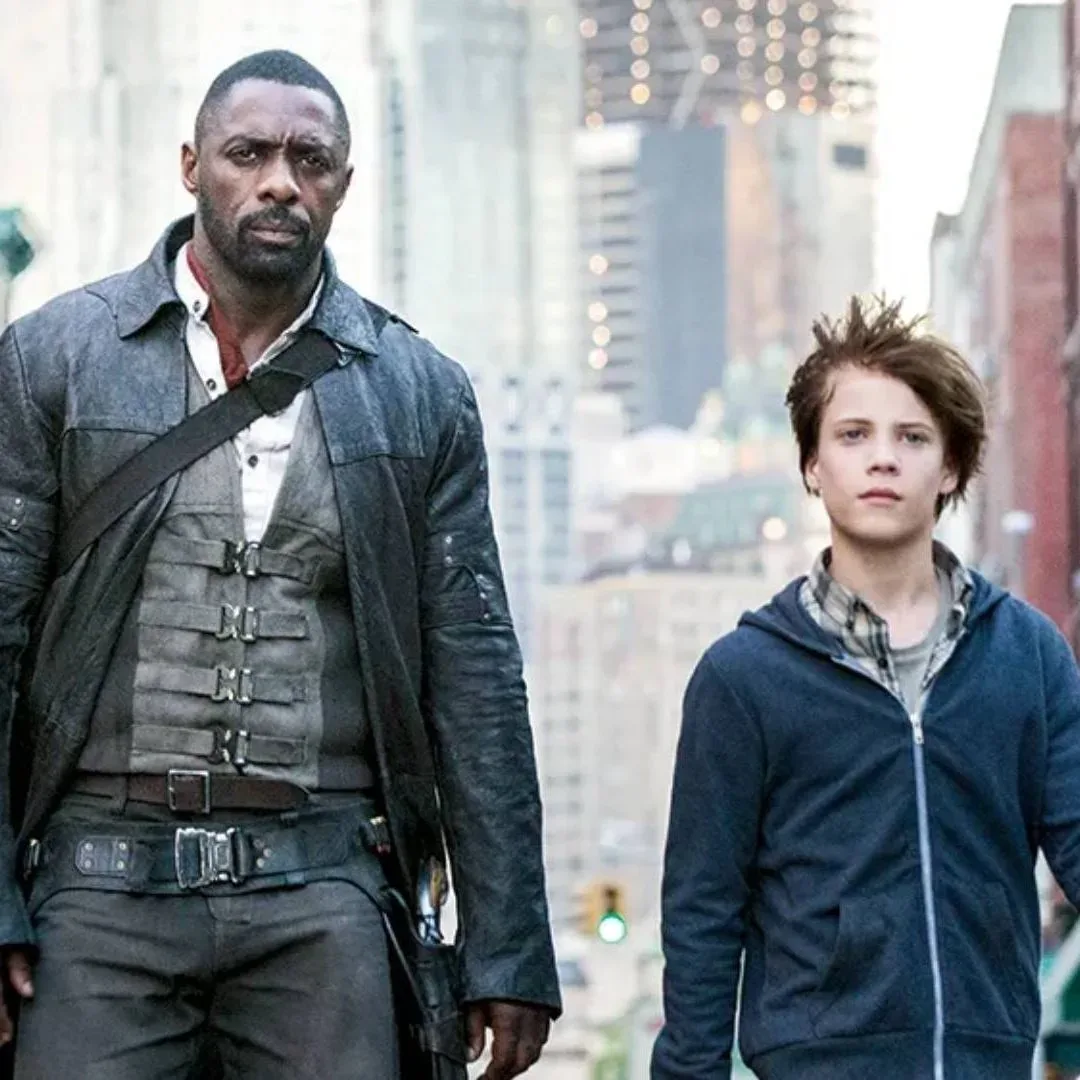
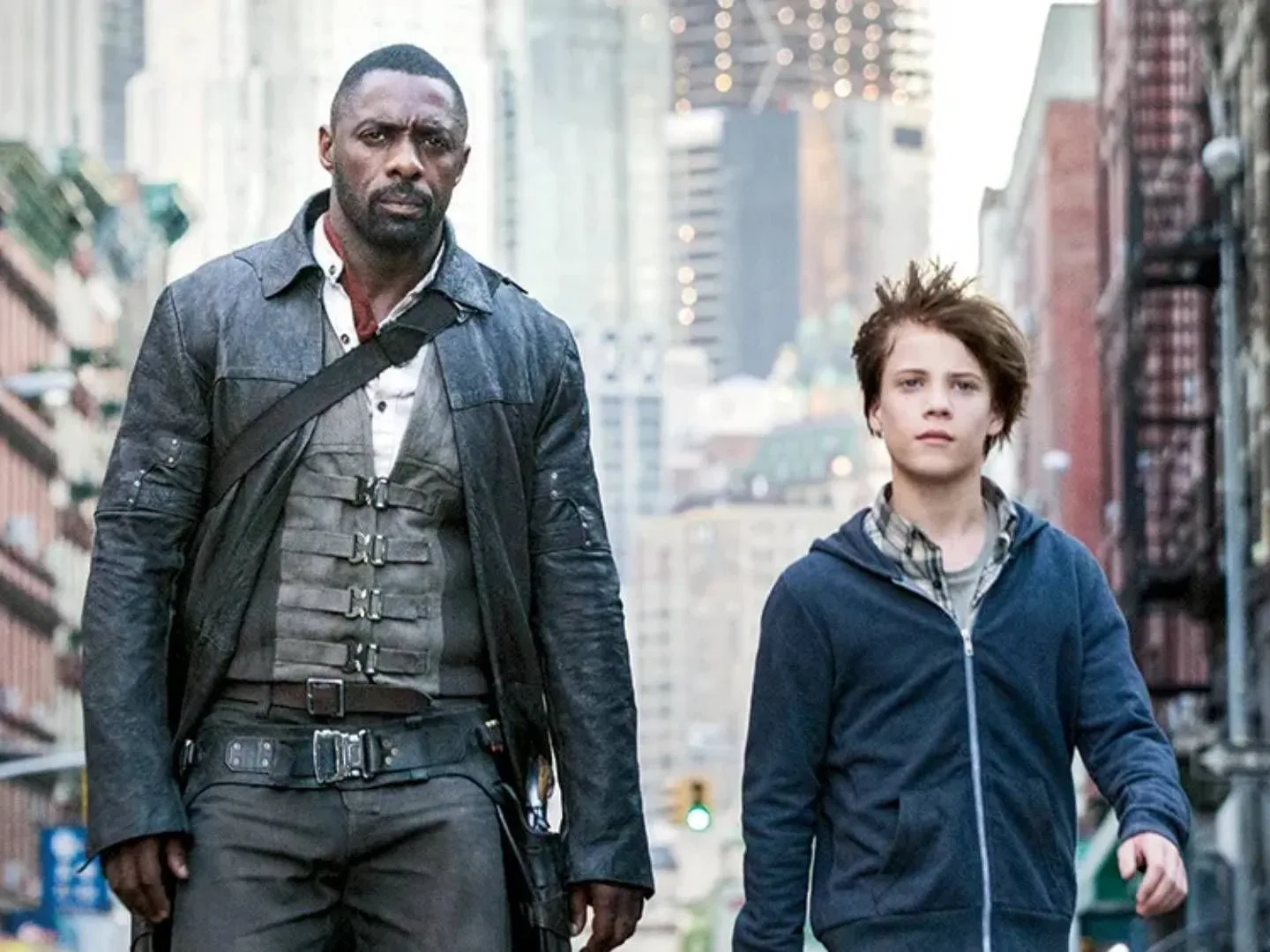
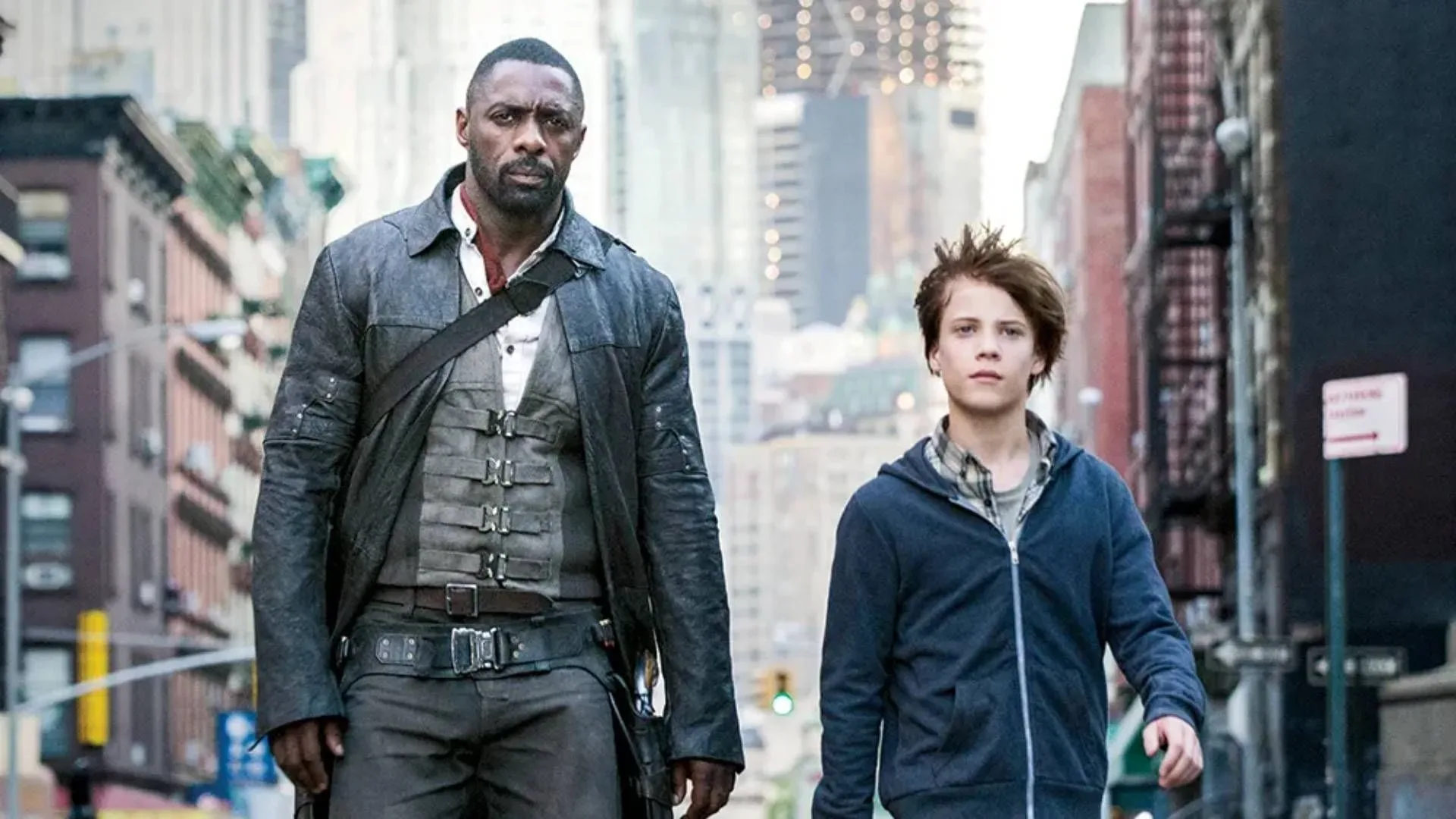
The Dark Tower has long carried a reputation as a difficult King work to adapt because of its density and complexity. The 2017 live-action Dark Tower movie is a reminder of the challenge. A feature-length approach has less room to carry a large, layered body of material than a multi-season plan, which is one reason Flanagan’s television-first proposal is notable.
Still, more runtime is not the same thing as an easy adaptation. A longer adaptation demands consistency: the early seasons need to work on their own while also supporting the story’s eventual destination. It also puts pressure on the studio to keep the entire endeavor moving over an extended period. Flanagan’s proposed films indicate he sees the story as requiring both serialized television and larger self-contained chapters, rather than a simple one-season treatment.
For audiences, the sensible takeaway is measured optimism. There is now a fresh confirmation that Flanagan has not abandoned the project. There is also an equally important confirmation that it remains difficult to mount. Until the show is formally announced, the most accurate description is a long-gestating adaptation still being pursued—not a confirmed upcoming series.
What fans can responsibly watch for
- A formal studio or platform announcement: This would clarify who is making and distributing the series.
- A production commitment: Confirmation of a greenlight would be a major step beyond the project being in development.
- Format details: The five-season-plus-two-films concept is Flanagan’s stated plan, but no final production order has been announced.
- Creative and cast information: None has been confirmed in the update, so speculation should not be treated as news.
- A schedule: No filming or release date has been provided.
For a different kind of suspense while waiting on the Tower’s next step, see The Transference’s first-person escape mystery.