
 Austin AbramsJay Gardiner
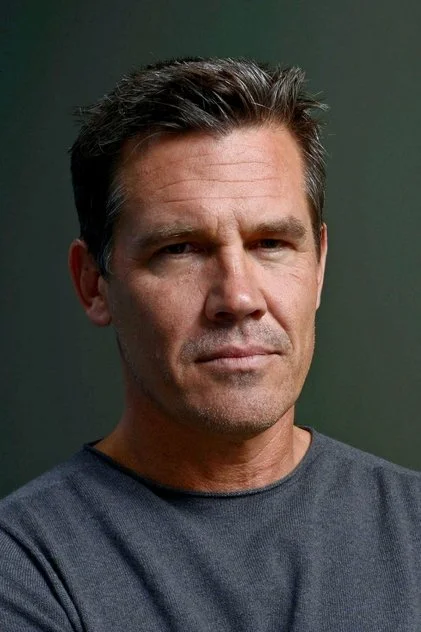 Josh BrolinMitt Gardiner
 Elisabeth ShueZara Gardiner
 John OrtizHewey
 Jane LevyEva Gardiner
 Emily RuddNan Gardiner
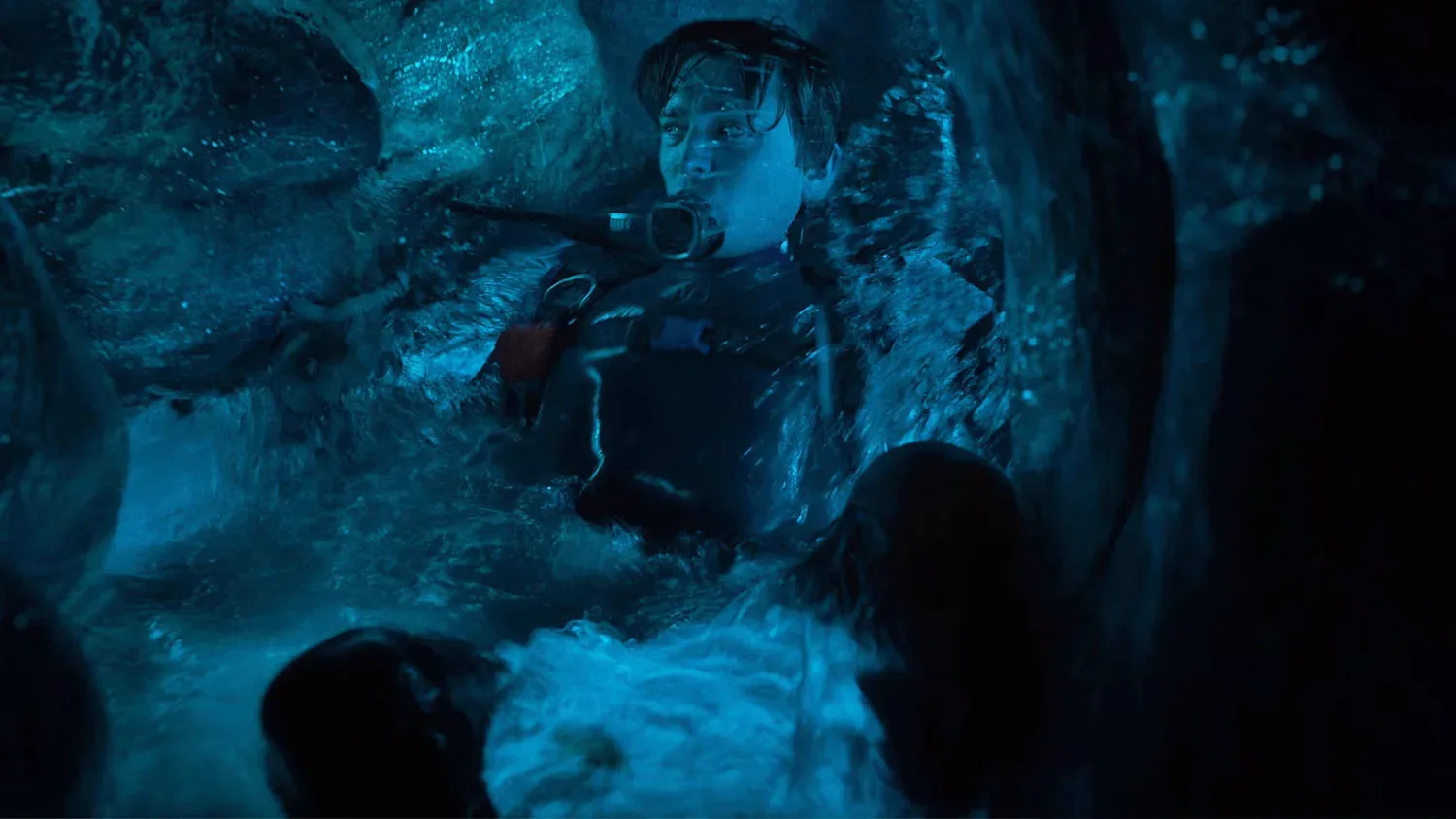
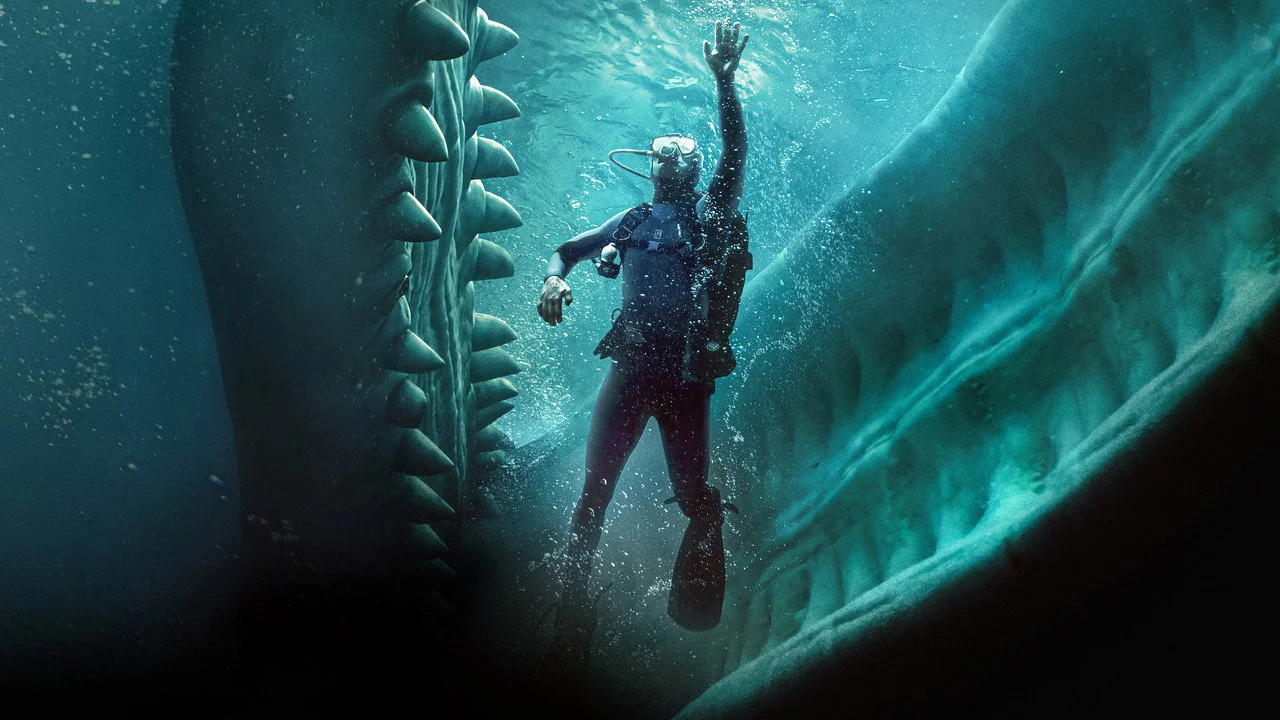
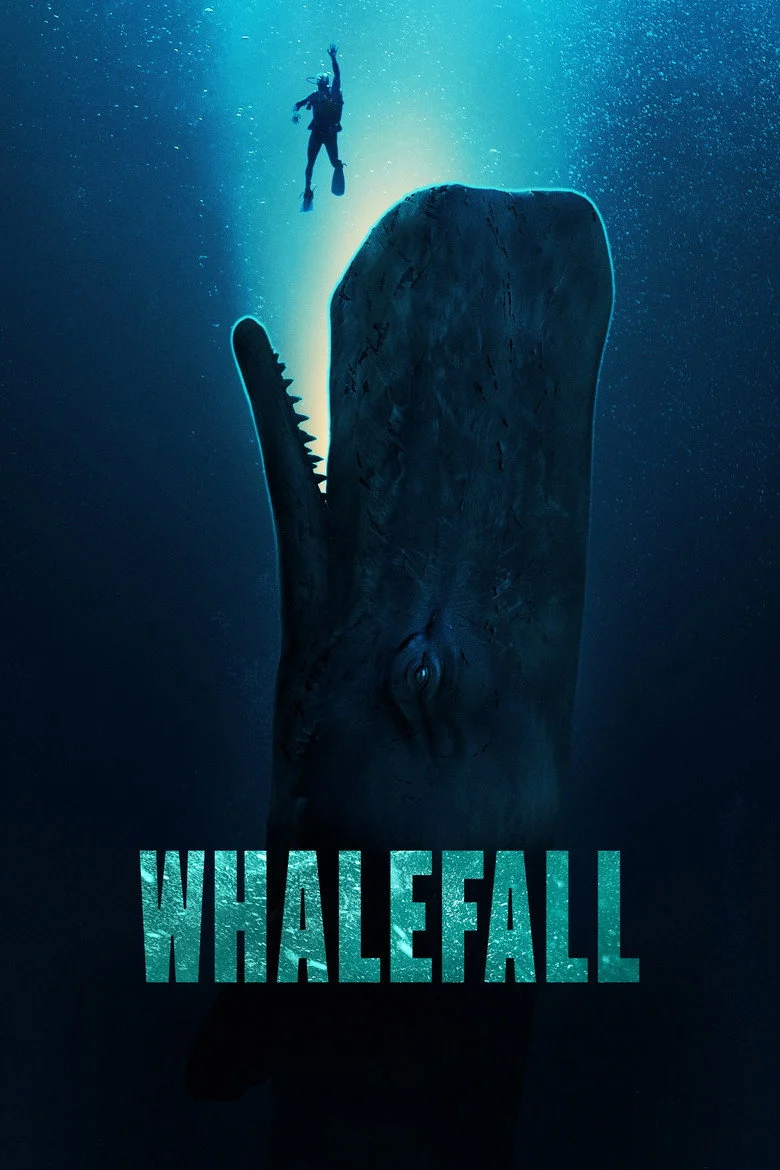
Whalefall begins with a creature-feature-sized premise and treats it with the intensity of a nightmare. Scuba diver Jay Gardiner, played by Austin Abrams, is pulled into the mouth of a sperm whale during a giant-squid hunt in Monterey Bay. The film’s central predicament is deliberately extreme, and even its biological plausibility is strained: the scenario asks viewers to accept an impossible-feeling route into the whale’s interior. But the movie’s strength is its refusal to behave as though that is a small detail. It makes the absurdity part of the event. Once Jay is trapped, the film commits to rendering the ordeal as a full-body sensory experience: wet, dark, loud, constricted and increasingly unreal.
The most immediate achievement is the scale and force of the opening attack. The encounter between sperm whale and giant squid is staged as an ominous natural spectacle before it turns catastrophically personal for Jay. That progression matters. The film does not merely use the ocean as a backdrop for a freak accident; it positions human vulnerability against a world of enormous creatures and indifferent pressures. Jay is not a conventional hero entering danger by choice. He is caught in a violent chain of events far beyond his control, making the shift from open-water awe to entrapment especially brutal.
The premise may invite a wink, yet the filmmaking reportedly answers it with conviction rather than camp. The whale’s interior becomes a hostile survival space, effectively a biological escape room whose walls, sounds and hazards are all alive. Jay must rely on his wits as he faces physical threats including squid bites, acid burns and damage to his ears. Those details establish a survival narrative built less around combat than endurance, improvisation and a steadily diminishing margin for error. The question is not simply whether he can find a way out; it is how long his body and mind can withstand a setting designed to overwhelm both.
A nightmare built from sound, colour and confinement
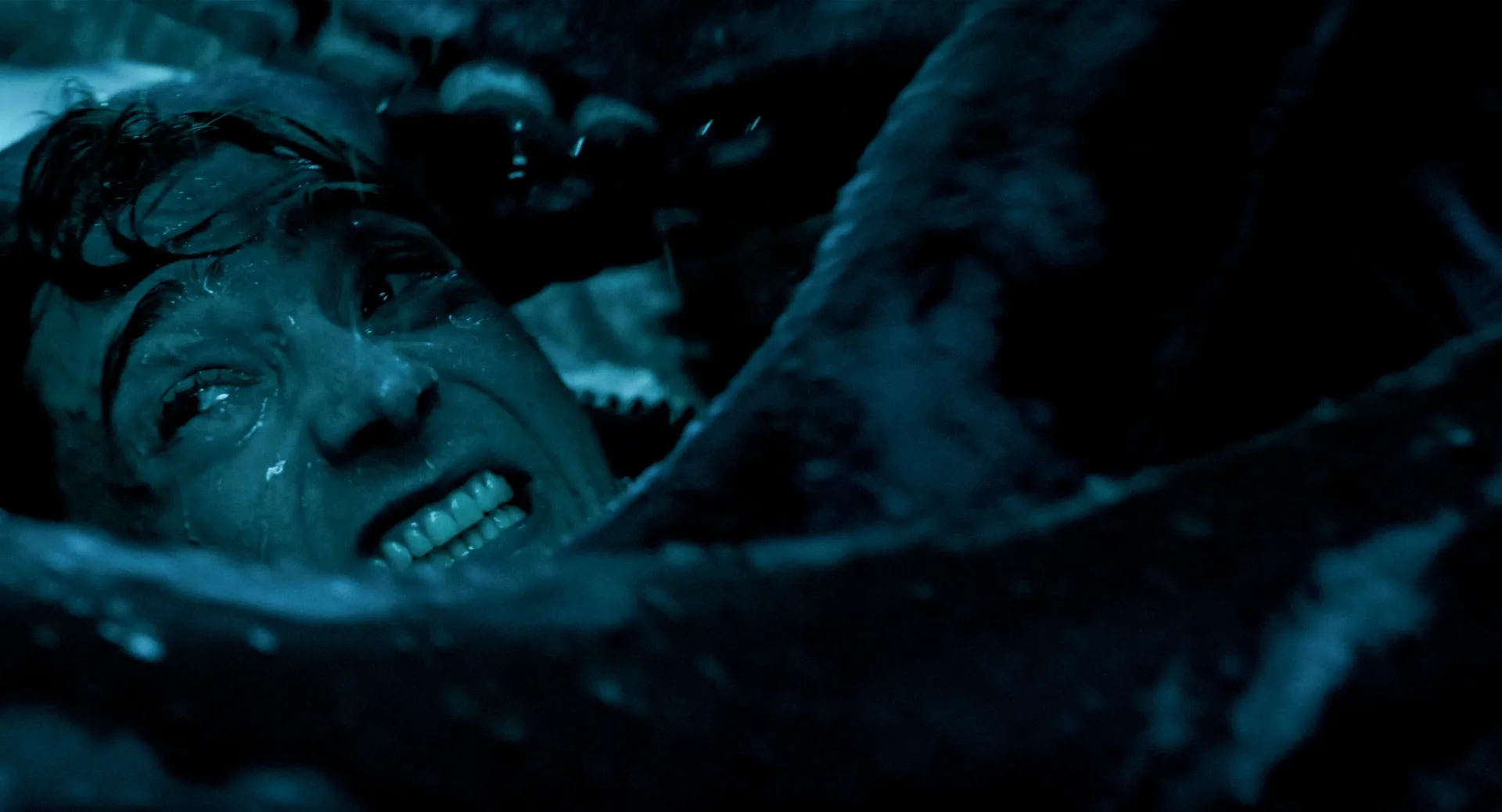
Whalefall’s strongest creative choice appears to be its devotion to atmosphere. The interior is defined by sickly phosphorescent green light, pulsating flesh, ooze and the rhythmic thunder of a huge heart. These are not decorative flourishes. They turn the whale into an environment with its own terrible tempo. A heart that functions like a countdown clock supplies an audible reminder that time is an antagonist as tangible as the enclosing anatomy. The result is body horror on a monumental scale: not just fear of bodily injury, but the terror of being reduced to a fragile body inside something unimaginably larger.
That approach gives the film a distinctive identity. Its horror is claustrophobic, but it is also aquatic and cosmic in feeling. Jay is caught in darkness that is at once biological and abyssal, trapped within an organism while surrounded by the unknowable ocean. The deliberate disorientation is therefore more than a technique for provoking discomfort. It reflects the character’s loss of every reliable frame of reference: direction, distance, daylight and a clear sense of what comes next. The movie seems interested in making viewers feel the destabilisation rather than merely observe it.
Such an aggressive sensory design could easily become exhausting without purpose. Here, it supports the story’s survival stakes and its psychological pressure. The green glow, the relentless organic noise and the enclosing textures all appear to push Jay toward panic while giving the audience little chance to settle. For viewers who want horror with a polished, cleanly explained logic, that may be a challenging proposition. For those receptive to physical, experiential genre filmmaking, it is the reason to seek the film out. Whalefall is not presented as a comfortable adventure through an unusual situation. It is designed as a plunge into a place no person should be.
Austin Abrams carries the film in silence
Much of that pressure lands on Abrams. Jay spends long stretches unable to speak, with a scuba regulator in his mouth, so the performance must communicate fear, calculation and desperation with limited dialogue. The emphasis falls on his eyes and on the small shifts in expression that register pain, shock or the flicker of a possible solution. It is a demanding form of screen acting because the film’s premise naturally pulls attention toward its set design and effects. Abrams has to make sure there is still a person at the center of all that spectacle.
By all indication, he does. The role asks him to move through escalating physical punishment while preserving the audience’s investment in Jay’s state of mind. A performance like this needs to convey more than suffering; it must show thought. The survival structure works only if each new hazard feels like an obstacle Jay is trying to understand, rather than another grisly image imposed on him. Abrams’ largely nonverbal work appears to provide that through-line, keeping the film grounded even as its situation becomes more surreal.
The story also gives Jay an emotional reason for being underwater in the first place. He has descended after the drowning death of his estranged father, seeking his remains as an act of closure. This turns the accident into something emotionally loaded from the outset. Jay is not simply escaping a whale; he is confronting grief, unfinished anger and the legacy of a relationship that had already left him feeling trapped. The literal danger is huge and strange, but the emotional stakes are intimate.
Grief inside the monster movie
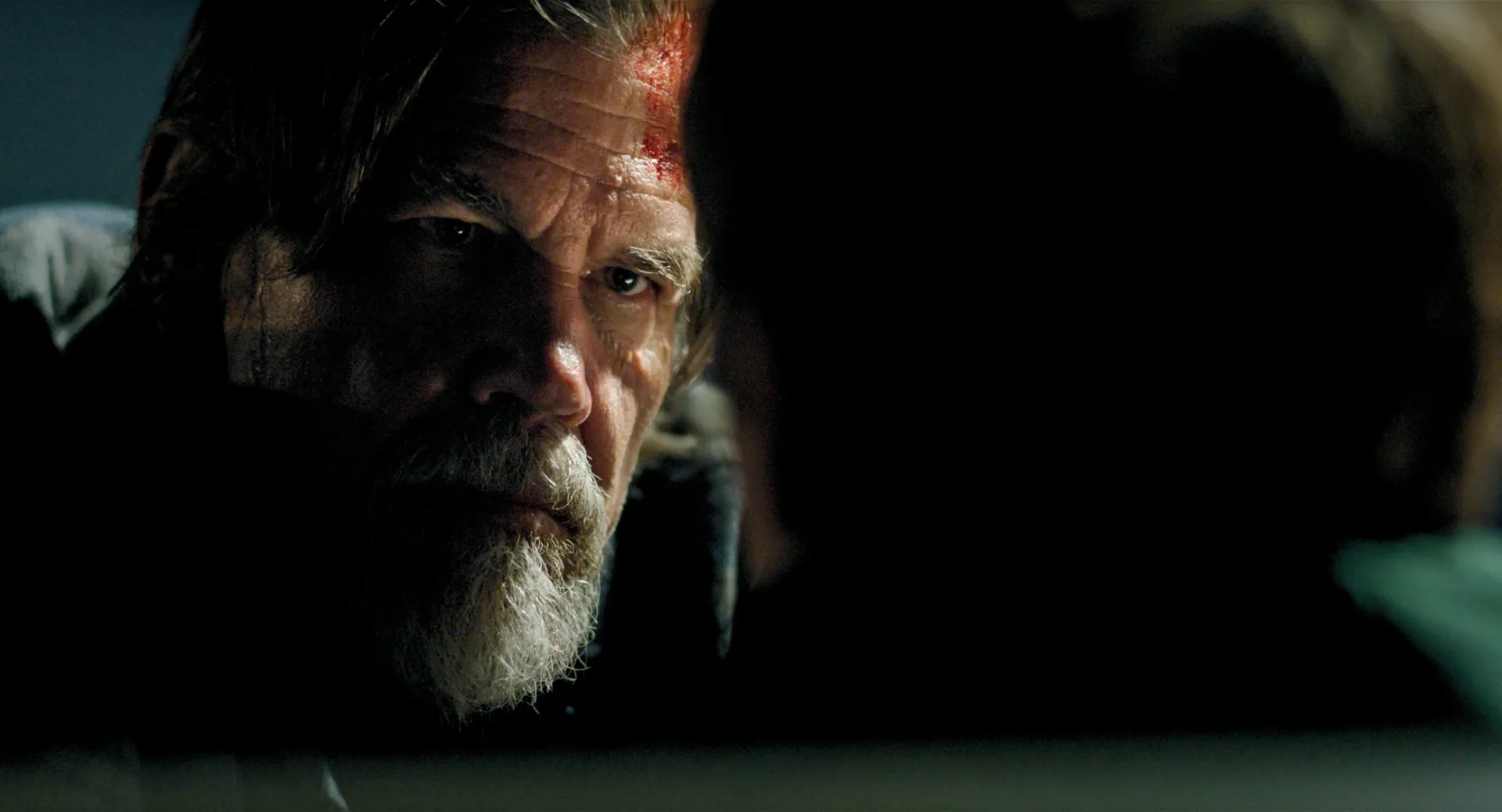
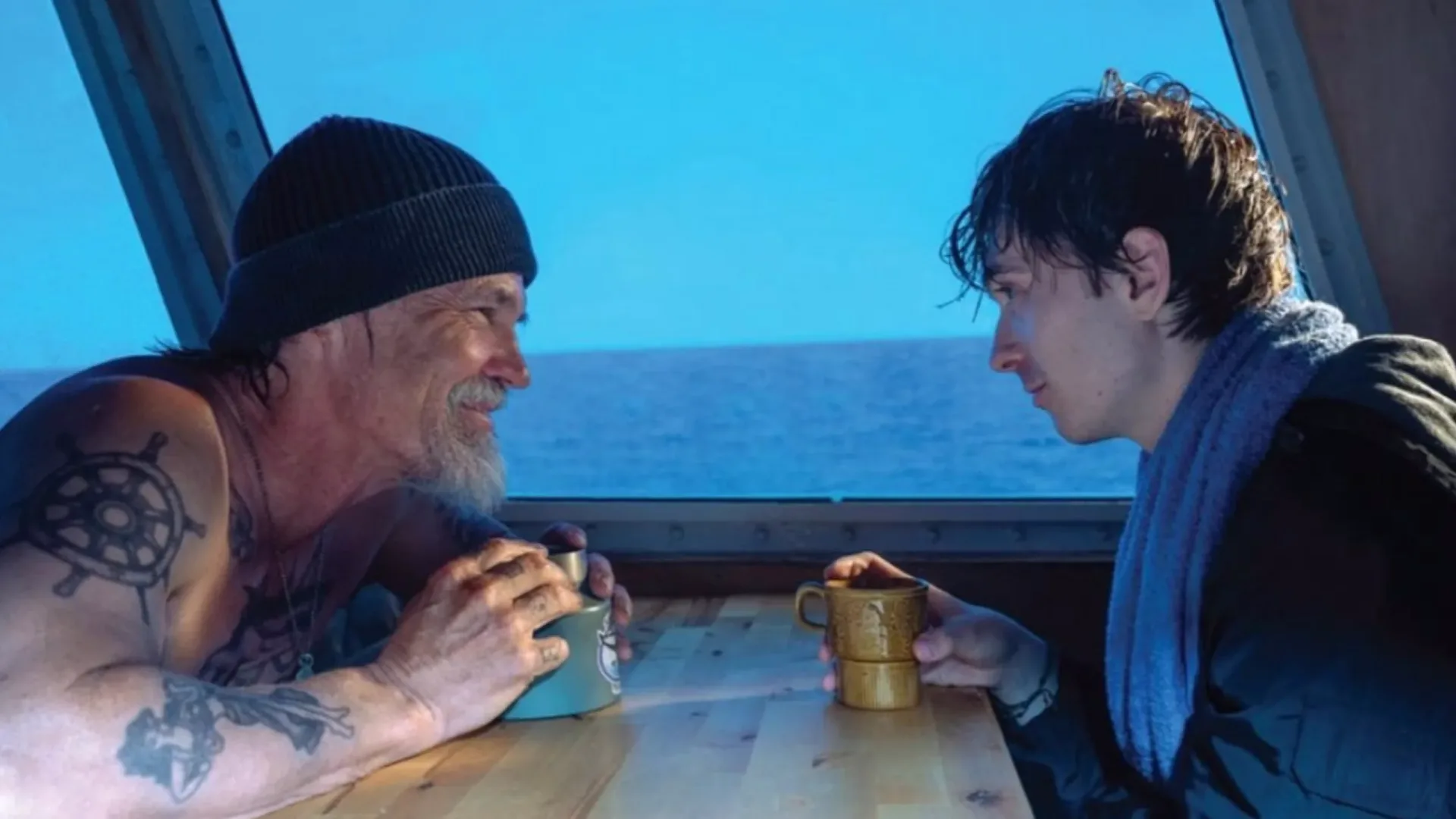
Josh Brolin plays Jay’s father in flashbacks, described as a hard-edged, domineering sailor with severe ideals. The father-son material gives the film its thematic shape: the whale comes to represent Jay’s suffocating relationship with this imposing man. It is a blunt metaphor, perhaps, but bluntness is not necessarily a flaw in a film operating at such a heightened register. Whalefall is already turning its protagonist’s inner life into a physical maze of flesh, pressure and darkness. The parental shadow emerging within that ordeal is consistent with the movie’s larger strategy of making emotional distress tangible.
Brolin’s casting also gives the flashbacks a useful weight. His father figure sounds formidable rather than sentimental, a presence whose influence is felt through Jay’s attempt to escape it. The film eventually pushes that idea into more overtly fantastical territory, with the father’s spirit offering guidance. That is one of Whalefall’s largest creative swings. It risks sounding hard to accept on paper, especially in a survival horror film that is already asking the audience to follow its unusual biological setup. Yet the turn apparently pays off by leading to a closing image with genuine poignancy.
This willingness to risk tonal awkwardness is central to the movie’s appeal. Whalefall does not appear interested in sanding down its stranger impulses to become a conventional thriller. It moves between visceral horror, grief drama, creature spectacle and a form of supernatural or psychological encounter. That mixture will not be equally persuasive to everyone. A viewer looking for an entirely grounded endurance story may find the later imaginative choices too broad. But the film’s boldness is also what distinguishes it. It is willing to let the absurd, grotesque and heartfelt coexist rather than choosing the safest version of its premise.
Momentum meets memory
The principal limitation lies in the film’s rhythm. The flashbacks deepen Jay’s relationship with his father and clarify why the whale functions as more than an elaborate trap. At the same time, the returns to the past can interrupt the urgency of the present-tense survival scenario. That is an understandable tension in a story that wants both propulsion and emotional excavation. Every pause away from the whale’s interior offers character context, but it also releases the pressure that the central set-up has worked so hard to build.
Whether those interruptions feel worthwhile will likely depend on what a viewer wants from Whalefall. The survival plot is strongest when it operates with immediate, physical clarity: Jay assesses a problem, suffers its consequences and has to find another way forward. The flashbacks broaden the film’s meaning, but they may feel like a brake for audiences fully locked into the escape narrative. The movie’s closing emotional effect suggests that the father material is not ornamental. Still, it is the area where the film’s competing ambitions most visibly rub against one another.
That friction is preferable to blandness. Whalefall’s premise, visual world and tonal risks all suggest a genre film actively trying to make an impression rather than settling for familiar beats. Its practical question is easy to grasp, but its presentation is anything but routine. The film turns a man-eaten-by-a-whale scenario into an expressionistic horror chamber, then connects that chamber to bereavement and parental suffocation. The resulting experience sounds punishing, strange and occasionally uneven, but never anonymous.
Verdict
Whalefall is best recommended to viewers willing to follow a survival thriller into unusually grotesque and emotionally heightened territory. Its core scenario requires a generous suspension of disbelief, and the flashback structure sometimes slows an otherwise relentless escape story. In return, it offers an intensely crafted nightmare: a huge-scale body-horror environment, a compellingly constrained lead performance from Abrams, and an unusually committed blend of spectacle, grief and surreal invention. It is a film whose biggest virtue is not that every choice is easy to swallow, but that it makes those choices with nerve.