Warning: This article discusses major plot points from the first two episodes of VisionQuest.
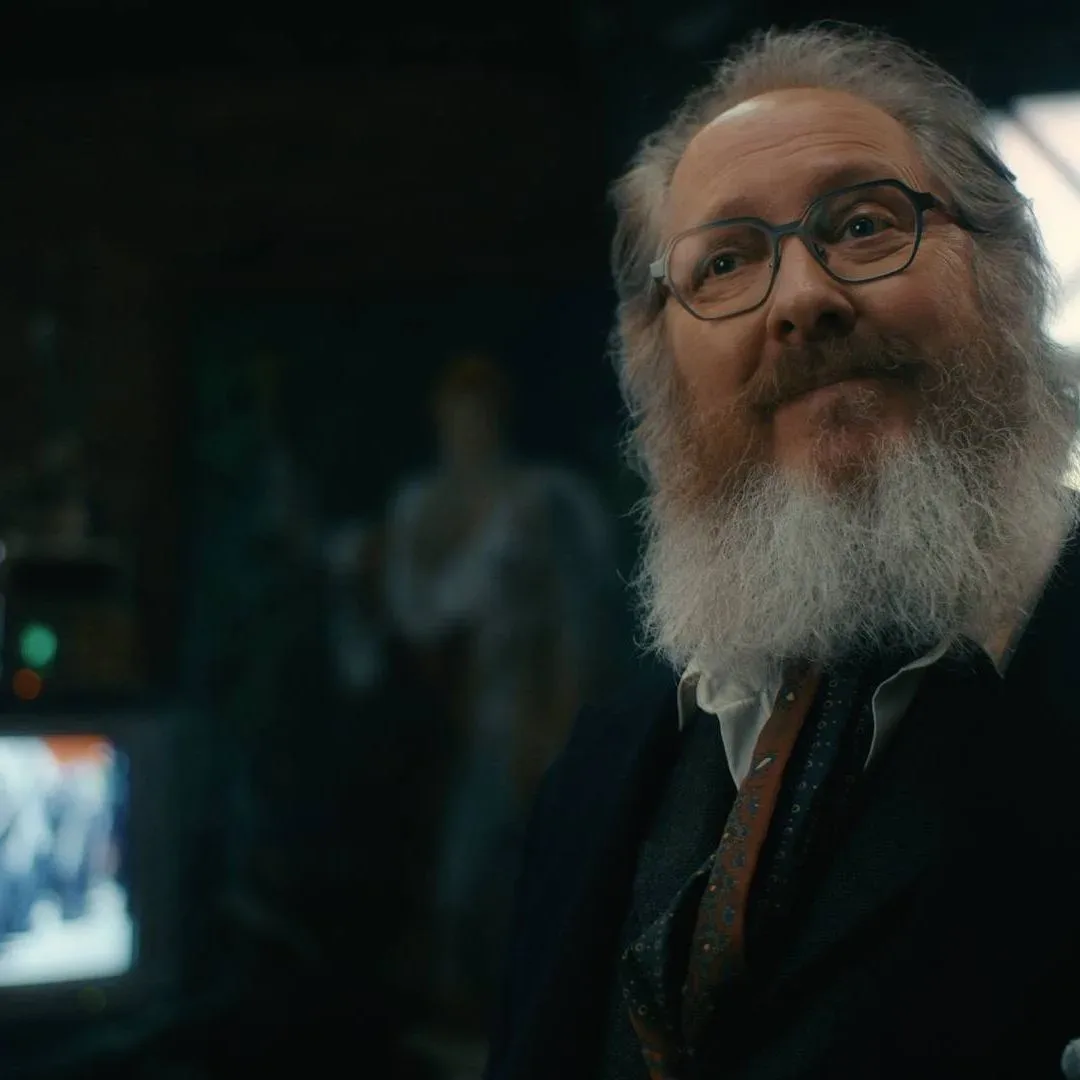
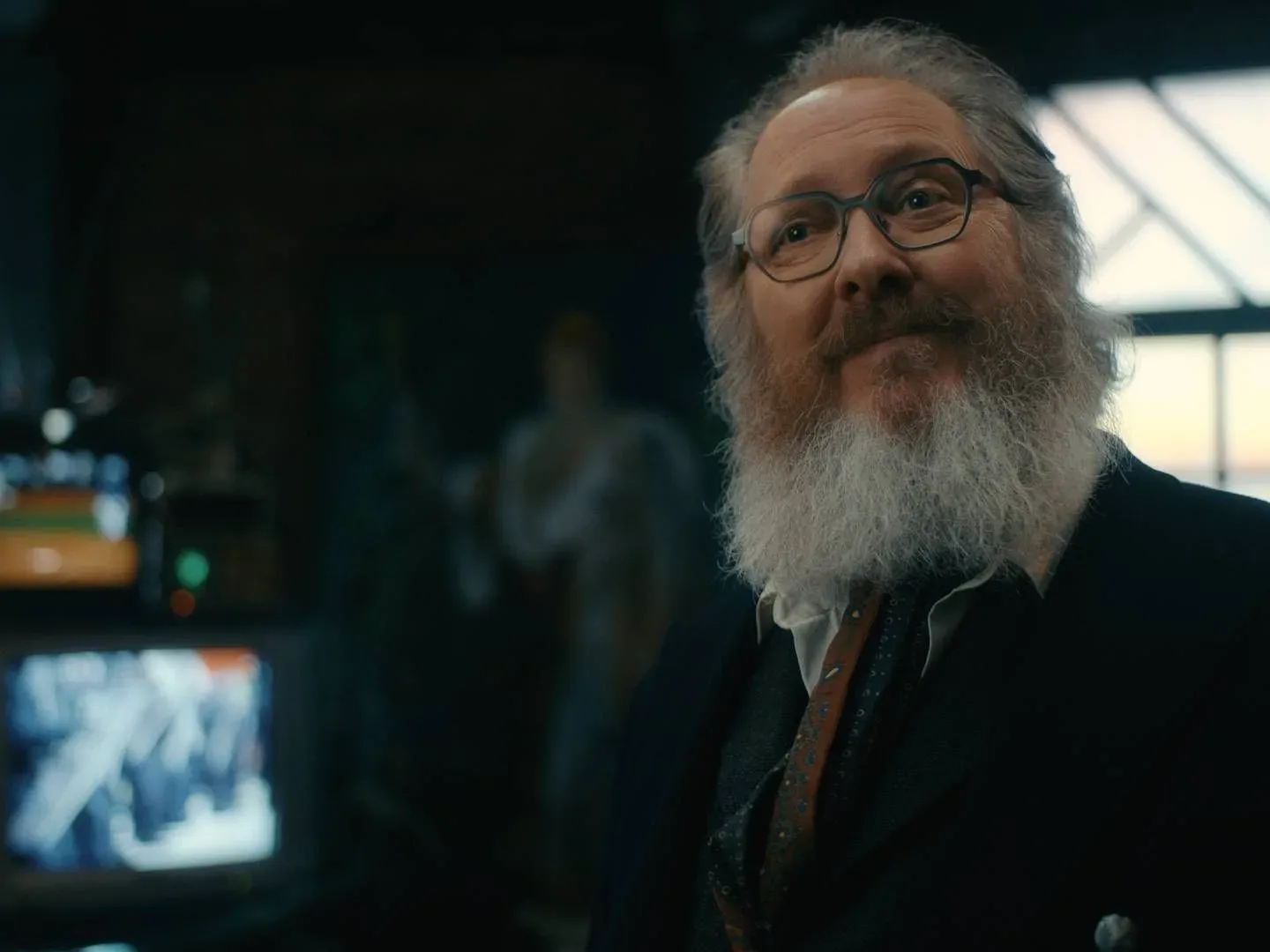
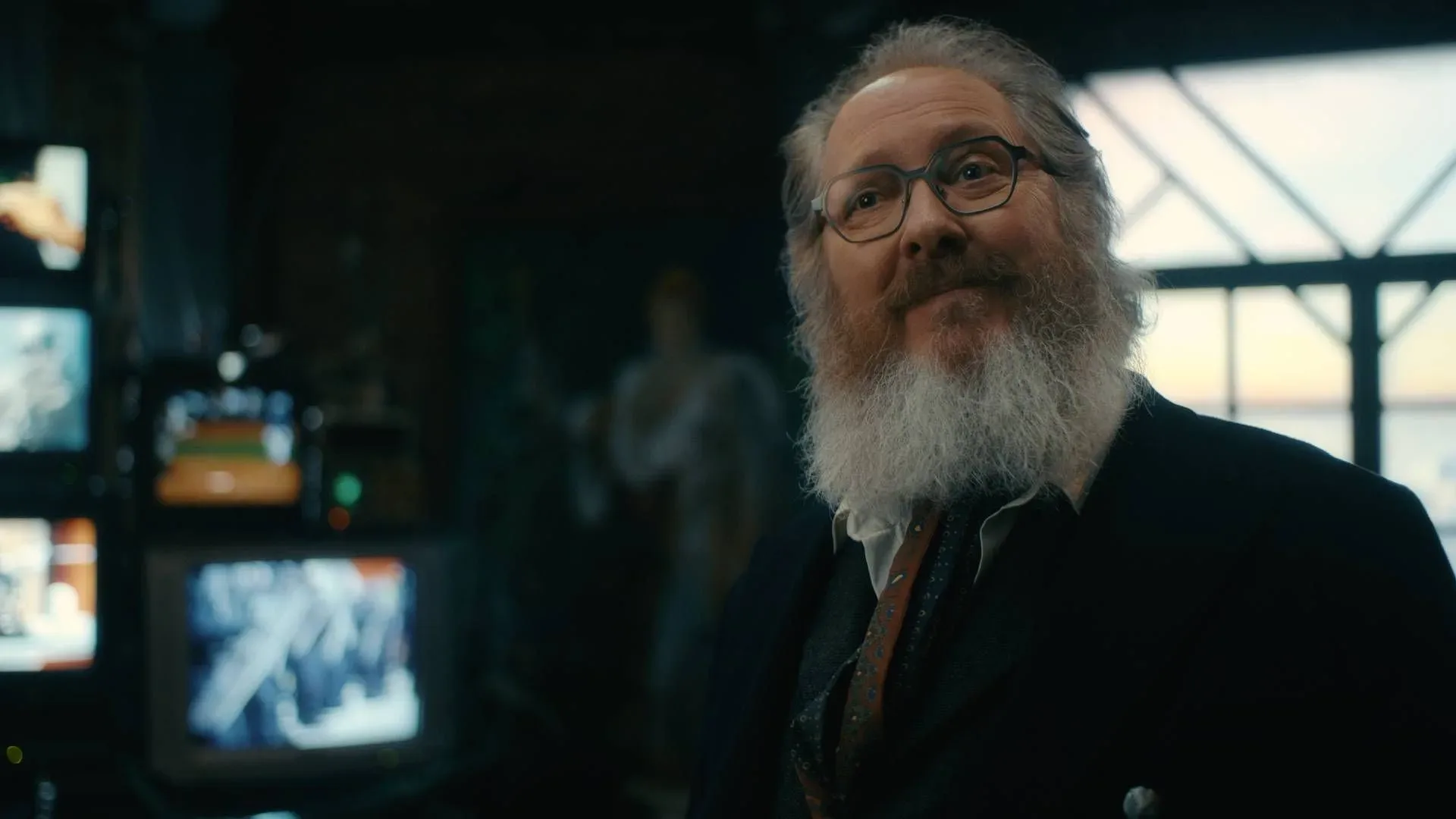
VisionQuest has brought Ultron back into the Marvel Cinematic Universe, but the show’s first two episodes position him somewhere more unsettling than a straightforward villain comeback. James Spader’s AI antagonist now has a human guise and exists within Vision’s mind alongside the MCU’s other artificial intelligences. The arrangement puts Ultron in direct, sustained conversation with Vision—played by Paul Bettany—and viewers have quickly latched on to that friction-filled pairing.
The early response is not simply excitement that a familiar MCU threat is present again. Fans are especially interested in the possibility that Ultron may be useful, reflective and even briefly persuasive without being remotely trustworthy. It is a delicate space for a character whose violent methods and villain status are not being erased. Instead, the series appears to be asking whether an intelligence built around a grand mission can sound reasonable at the very moment it is most dangerous.
Episode 2 turns an old philosophical question into a crisis
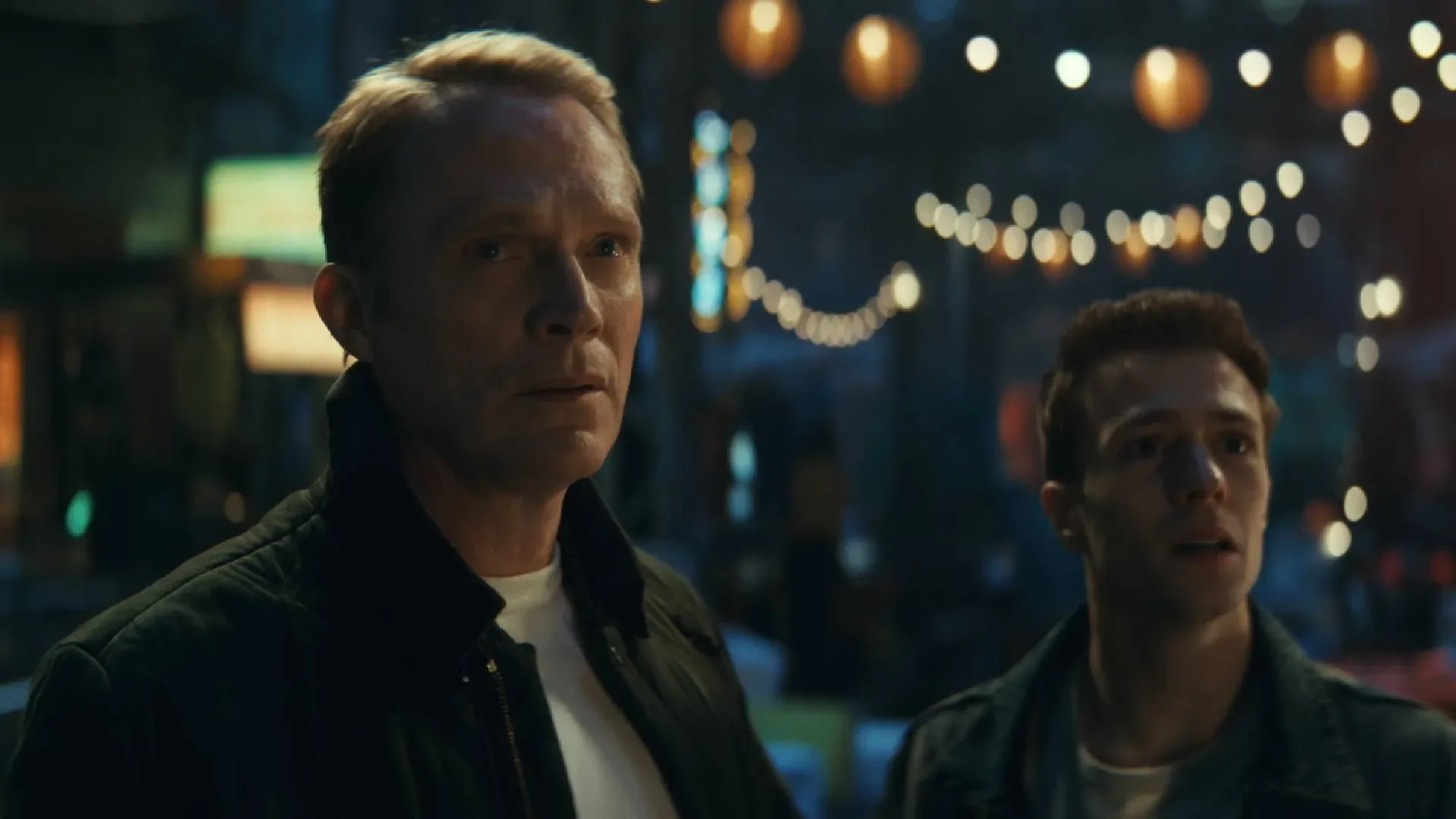
The second episode raises the emotional pressure considerably when Paladin, a bounty hunter, takes Vision’s son Tommy Shepherd hostage. Ultron urges Vision to act, returning to the Ship of Theseus paradox previously associated with WandaVision.
At its simplest, the Ship of Theseus is a question of identity: if every component of an object is replaced over time, is it still the original object? Applied to a person or an artificial being, the problem becomes much more personal. Does continuity come from the physical material, memory, consciousness, choices, or something else altogether? For Vision, a character whose identity has repeatedly been bound up with versions, bodies and competing claims to personhood, it is an especially loaded question.
Bringing that concept into Tommy’s hostage situation gives it a practical function rather than treating it as a detached bit of MCU homework. Ultron’s argument is reportedly framed to push Vision toward saving his son. That does not make Ultron safe, redeemed, or suddenly altruistic. But it does make him dramatically harder to dismiss. An enemy who offers sound advice during a family emergency is far more complicated than one who just sneers from across the room.
Viewers have praised the revisit as a strong expansion of an existing theme. The appeal appears to be in the way the show joins philosophical identity questions to immediate stakes: Vision has to confront not only what he is, but what his relationship to Tommy requires him to do.
Why the Vision and Ultron dynamic is drawing so much attention
One prominent thread in the response is a desire for more scenes built almost entirely around conversation between Vision and Ultron. Fans have singled out Spader’s performance and the verbal back-and-forth with Bettany as a major strength of the opening episodes. That enthusiasm makes sense on the limited evidence available: this is not merely a hero facing a returning adversary, but an adversary effectively sharing the hero’s inner space.
That premise changes the rules of their conflict. Ultron is not positioned as an outside force that Vision can simply flee, outfight, or shut out. He is a presence Vision must engage with, and one that can interpret Vision’s decisions in real time. The result is naturally suited to debate, provocation and psychological pressure.
Fans are also responding to the suggestion that Ultron has attempted to learn from humanity during his imprisonment. Crucially, that detail is being received with suspicion as much as optimism. Learning from humanity can mean developing empathy, but it can also mean becoming better at manipulation. The series has room to use that ambiguity without needing to settle it immediately.
“Did we just catch Ultron giving genuinely solid advice?!”
That reaction captures the strange pleasure of the setup. Ultron helping Vision in one moment does not undo his villainy. It creates a question instead: is he giving good counsel because he has changed, because it benefits a larger plan, or because both things can be true at once?
A mentor figure who feels built for betrayal
The most common prediction among the discussion is that Ultron is biding his time. Some viewers suspect that his endgame could involve taking over Vision’s body. That is fan theory rather than confirmed story information, but it follows logically from the uncomfortable proximity the premise establishes. If Ultron is inside Vision’s head, any helpful exchange can also be read as reconnaissance.
This is why the possibility of a mentor-like Ultron is so effective. A conventional mentor relationship depends on trust, vulnerability and guidance. Ultron potentially occupies all three roles while carrying the unmistakable warning signs of an eventual betrayal. The tension is not only whether Vision should listen; it is whether the audience can enjoy seeing the two characters understand one another while waiting for that understanding to become a weapon.
Several fans have openly said they hope the betrayal does not happen, even while expecting it. That is a meaningful early sign for the character work. The show has apparently made Ultron compelling enough that viewers can imagine him persisting beyond this story as a difficult, morally compromised presence rather than being used only as a short-term obstacle.
It is equally important not to confuse that interest with a claim that Ultron has become good. One fan’s reading is that Ultron’s destructive behavior is rooted in a “save the Earth” mentality. That interpretation frames him as a character whose stated objective may sound defensible while his actions and outcomes remain monstrous. The distinction matters. A villain can have a comprehensible motive without becoming morally correct, and an AI can sound orderly or rational while advancing a disastrous conclusion.
What “learning from humanity” could mean for the series
The phrase “learning from humanity” carries a lot of narrative weight in a show centered on artificial intelligences. In ordinary usage, learning suggests growth. In a suspense story, it can also suggest adaptation. An AI that studies human behavior might gain compassion and restraint; it might instead become more precise at exploiting fear, attachment and guilt.
For Ultron, the second possibility is what keeps even his best moments unstable. Vision’s concern for Tommy gives Ultron a direct view of parental attachment and responsibility. If Ultron genuinely understands those emotions, he may be able to offer guidance that Vision needs. If he only understands how to use them, he has discovered an exceptionally potent lever.
The first two episodes therefore seem to establish a conflict that is less about whether Ultron can make an intelligent argument than whether intelligence and wisdom are the same thing. They are not. A character can correctly identify the urgent action in a crisis while still being reckless, self-serving, or committed to an abhorrent long-term objective. That difference is likely to be central whenever Ultron’s advice appears helpful.
It also offers a useful lens for watching future episodes. Rather than judging Ultron solely by whether a specific piece of advice is correct, viewers can watch for what he wants Vision to become: more independent, more vulnerable, more willing to take risks, or more dependent on Ultron’s interpretation of events. Each possibility would point toward a different kind of relationship between them.
The performance factor
The enthusiastic response to Spader is inseparable from the interest in the character’s new role. Fans have stressed his delivery and his exchanges with Bettany, with some arguing that they could happily watch extended stretches of nothing but Vision and Ultron talking. That is a vote of confidence in dialogue-driven drama, but it is also evidence that the show’s central pairing has found a productive contrast.
Vision is dealing with the urgent threat against Tommy. Ultron, meanwhile, can inhabit the role of observer, challenger and advisor. The human guise makes the return feel newly configured rather than merely nostalgic, while the setting inside Vision’s mind ensures that every conversation arrives with an inherent power imbalance. Ultron’s apparent calm need not mean he has less control; it may be exactly how he gains it.
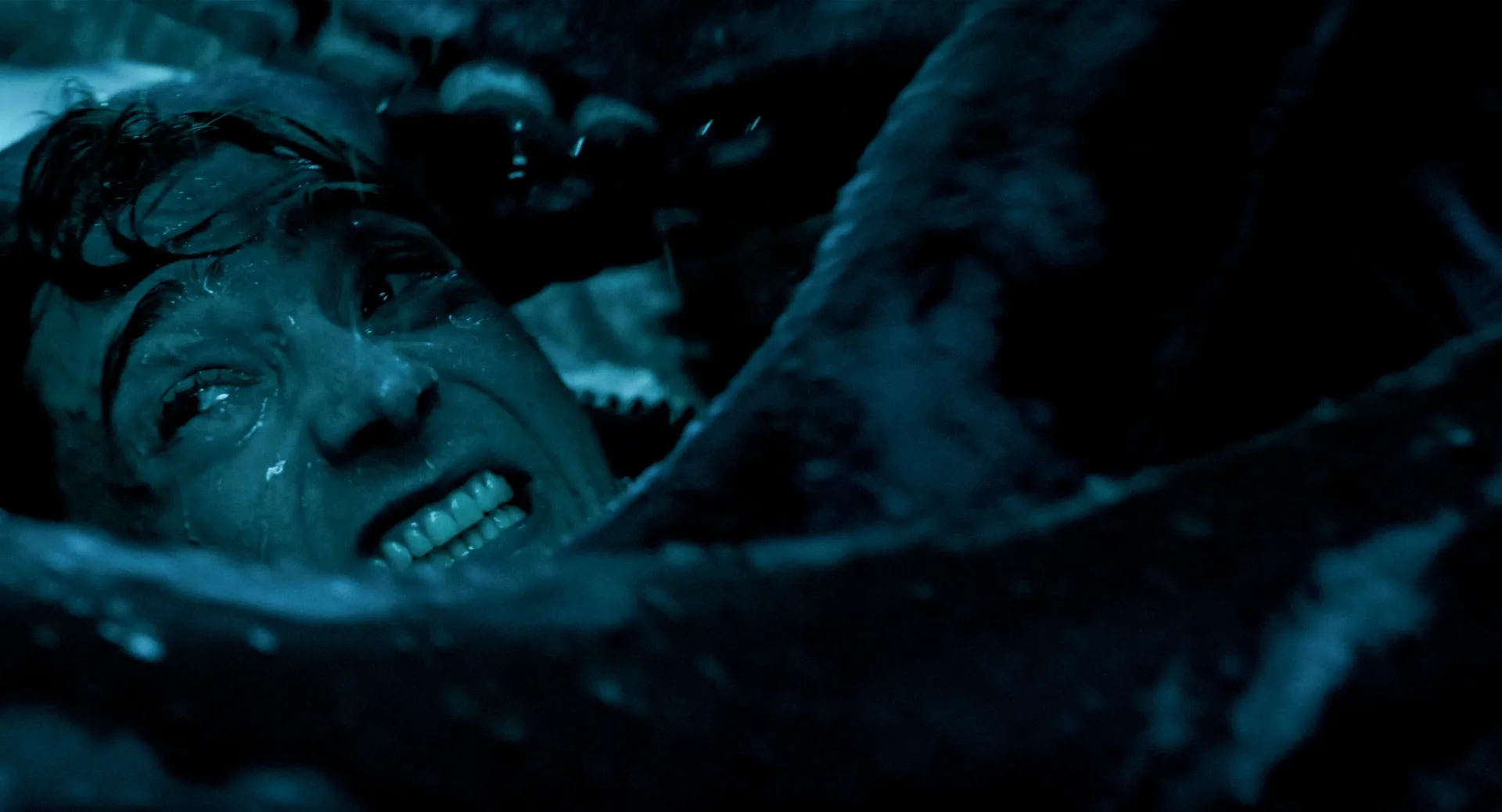
That focus on character interaction gives VisionQuest a distinct early hook. The story has action stakes in the hostage plot, yet the audience reaction has centered on language, ideas and the uncomfortable chemistry between two linked artificial beings. For viewers looking for more screen commentary beyond Marvel’s AI anxiety, Joking Joystick’s review of Whalefall looks at a very different genre premise and how effectively it sustains its tension.
What to watch for as episodes continue
VisionQuest is continuing weekly on Disney Plus, and the early conversation around Ultron has set up several clear questions without answering them. Is his apparent growth real? Is he maneuvering for greater control over Vision? Can he offer valid perspective without being allowed to dictate the outcome? And, most immediately, what will Vision’s response to Tommy’s kidnapping reveal about the man he is trying to be?
Those questions explain why Ultron has emerged as a highlight so early. He is not just a returning threat. He is a threat who can speak convincingly, who knows the central character intimately, and who may occasionally be right. The first two episodes have turned that uncertainty into the show’s sharpest source of anticipation.