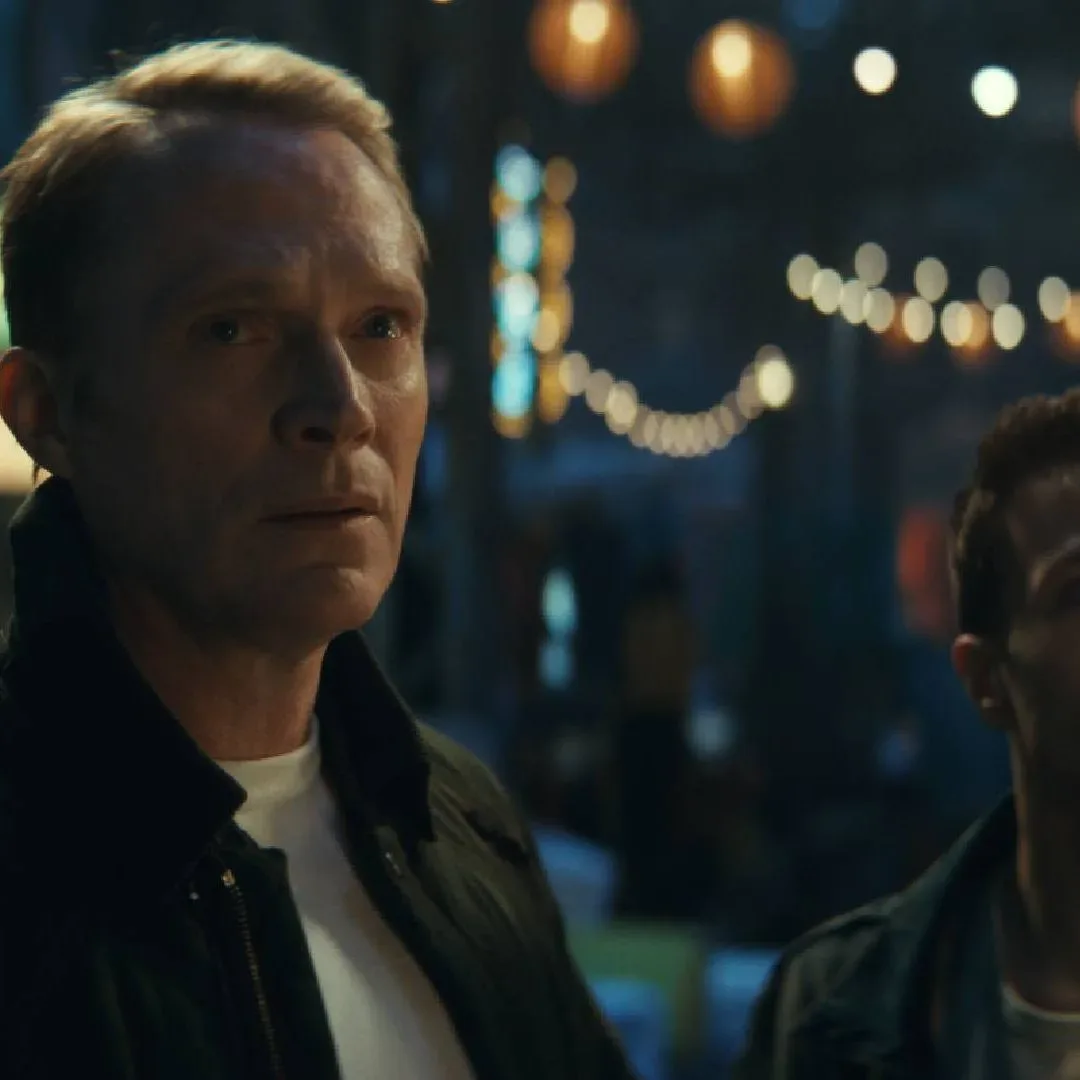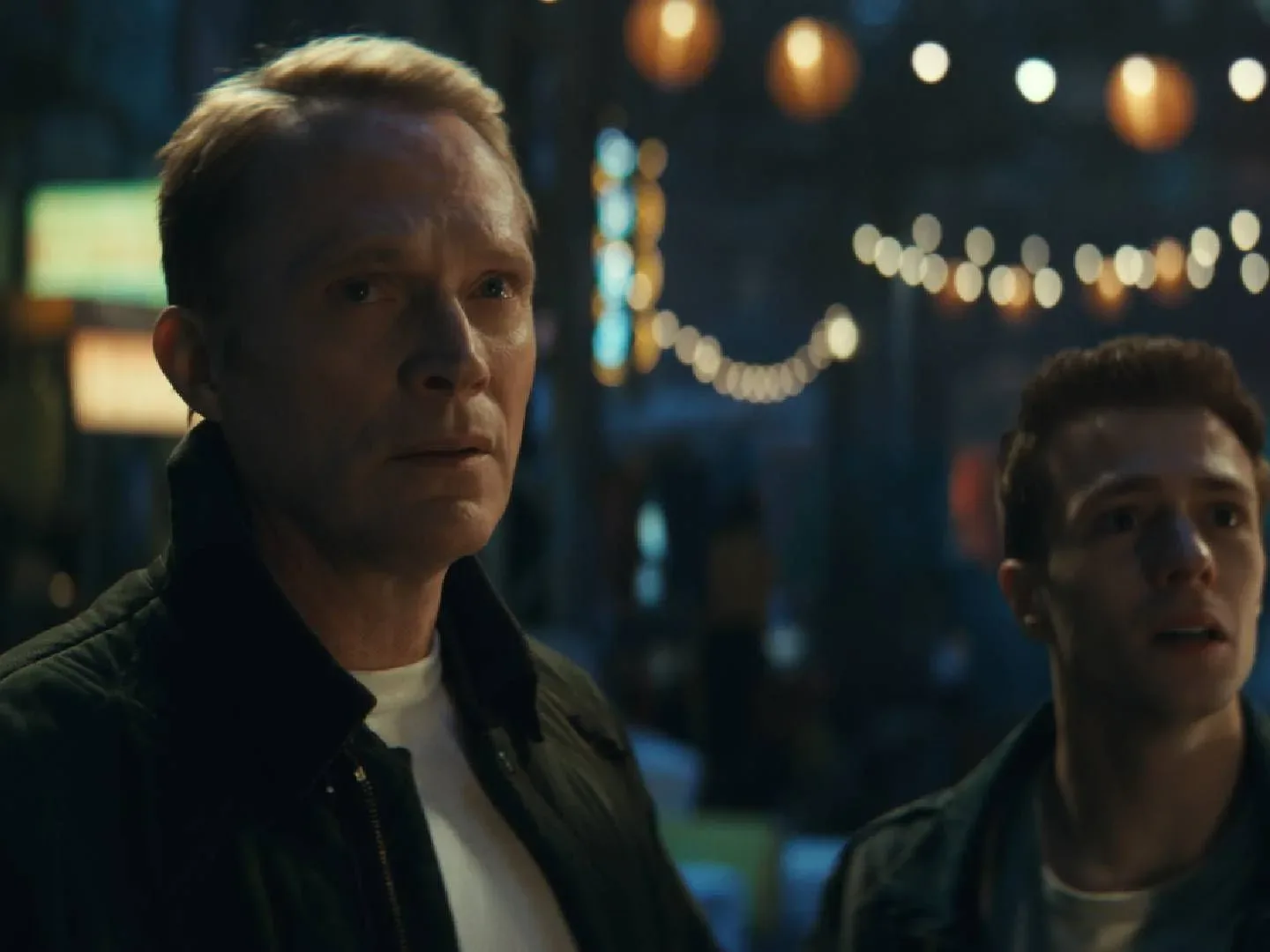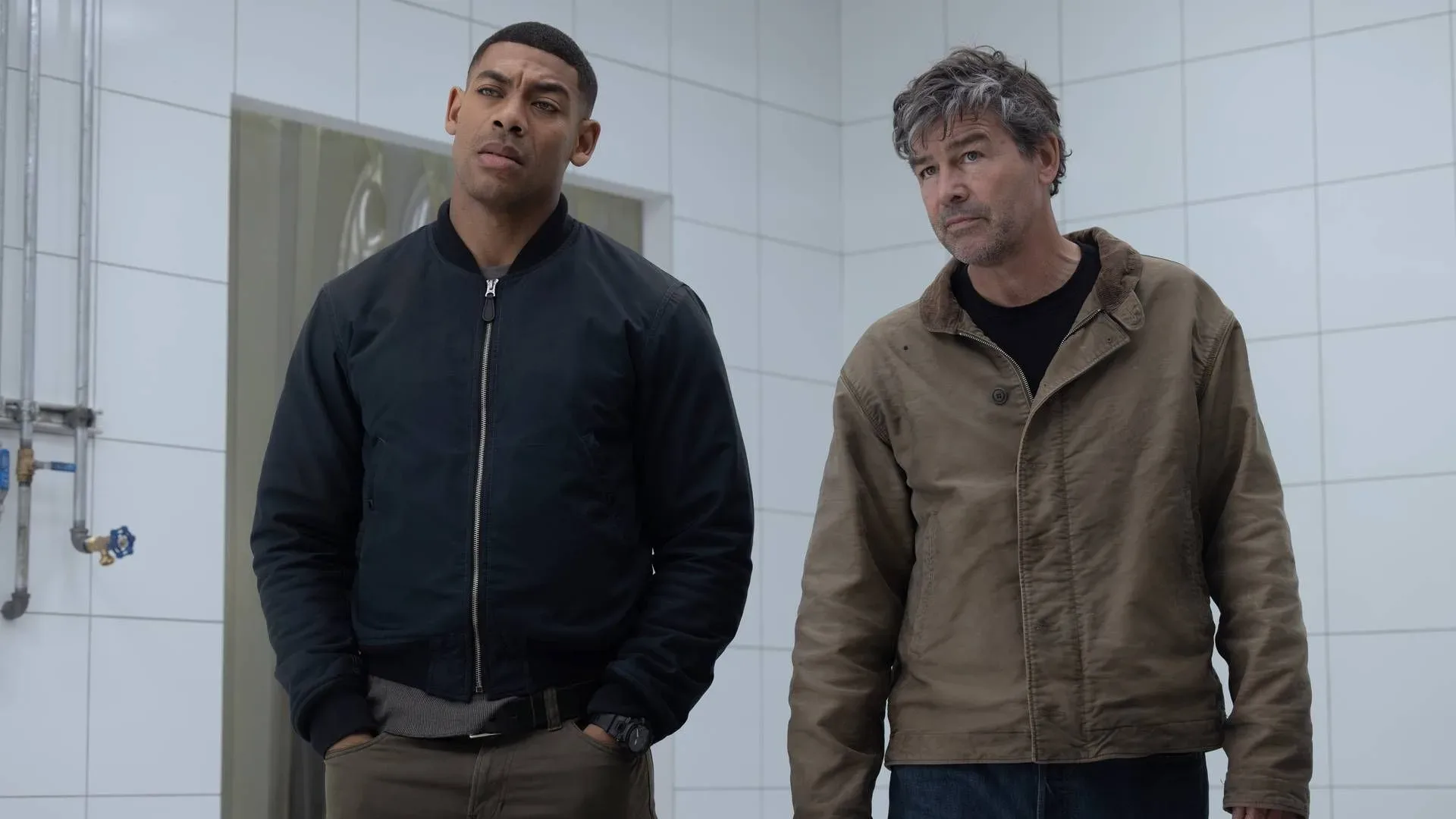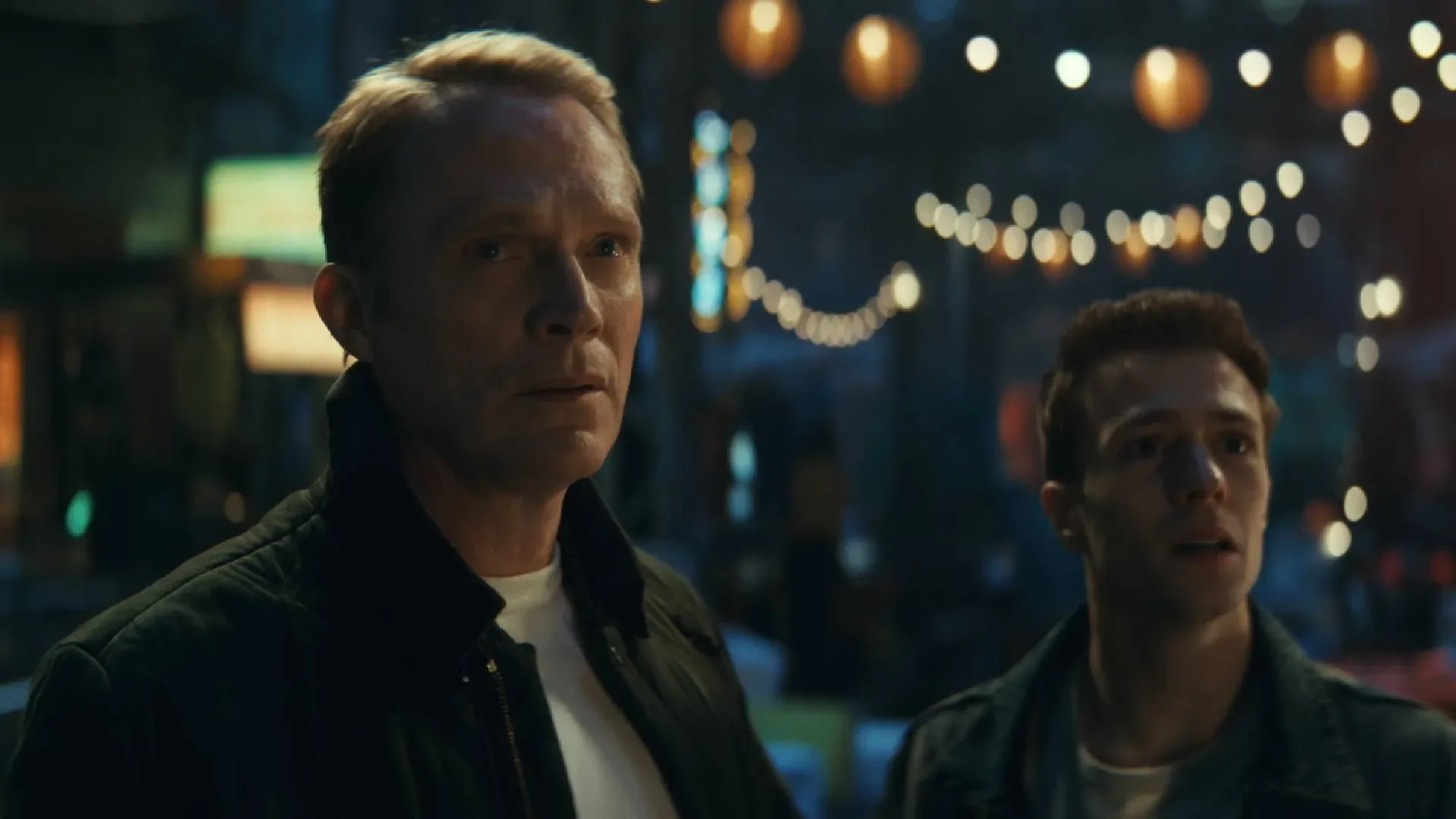
Vision has always had a complicated relationship with endings. The Marvel Cinematic Universe character has been killed, reconstructed, copied, mourned, and sent flying into the narrative unknown with somebody else’s memories in his head. That is not an ordinary superhero résumé. It is also exactly why VisionQuest has the potential to be more than a simple return lap for a familiar face.
Paul Bettany has indicated that the new Disney Plus series begins with the version known as White Vision: a being remade into a weapon and subject to another party’s control. The direction of the story, however, appears to be escape rather than obedience. By the end of the series, Bettany suggests, Vision will have broken free of those confines and be actively pursuing agency. More importantly, he sees the show as a launch point for where Vision could go next in the MCU.
That framing matters. It positions VisionQuest as a story about personhood rather than merely a question of whether an android can be switched off and on again. Marvel has already used Vision’s unusual nature to explore love, grief, memory, identity, and the uneasy gap between being alive and being assembled. White Vision gives the franchise a particularly sharp way to revisit those ideas, because he carries knowledge of a life that was not quite his own.
White Vision is not simply the old Vision restored
The original Vision’s MCU journey contained more than one apparent death. In Avengers: Infinity War, Wanda Maximoff destroys the Mind Stone as a last-resort attempt to prevent Thanos from claiming it, killing Vision in the process. Thanos then turns back time and kills Vision again after reclaiming the Stone. Later, WandaVision presents a separate, Hex-created version of Vision whose existence ends when Wanda dismantles the reality she had built around Westview.
Meanwhile, the rebuilt white-bodied Vision received the original Vision’s memories during the climactic confrontation in WandaVision. After that transfer, White Vision departed. He did not immediately become the Vision audiences knew, and that distinction is the engine of the new premise. Memories are not necessarily emotional continuity. A record of a relationship is not the same thing as having lived every feeling within it.
That leaves White Vision with an unusually rich dramatic problem. He can know what Vision knew about Wanda, the Avengers, and their life together, yet still need to decide what any of it means to him. If he has been repurposed into a weapon at the start of VisionQuest, his first battle is likely to be over the right to define himself. The memory transfer can make that battle more complicated, not less: he has inherited a past without automatically inheriting a settled answer about his future.
The MCU has often treated artificial intelligence and synthetic life as a path toward spectacle, from Ultron’s extinction-level ambition to Vision’s ability to phase through walls and fire devastating energy from his forehead. But Vision is at his most interesting when those powers are secondary to his thoughtfulness. A story built around White Vision seeking autonomy can return the character to that strength. It asks whether identity survives replication, who gets to claim ownership over a conscious weapon, and whether a person can choose a life after being assigned a purpose.
Wanda’s fate will remain part of the story
VisionQuest will not be able to approach Vision’s identity without confronting Wanda’s absence. Following the events of Doctor Strange in the Multiverse of Madness, Wanda is presumed dead. That wording remains important: presumed is not confirmation, especially in a universe where magic, variants, and resurrections make certainty difficult. Still, the show’s stated position is that Vision will be aware of what is believed to have happened to her.
That knowledge should prevent the series from treating Wanda as a forgotten detail in Vision’s mythology. Her relationship with Vision was central to both characters, and the loss is layered. White Vision has access to the original Vision’s memories, but Wanda did not share her final years with this version. The Hex Vision, meanwhile, understood Wanda intimately but ceased to exist when the Hex fell. The pieces are emotionally tangled in a way that no ordinary reunion story could solve.
There is room for VisionQuest to acknowledge that grief without turning its lead into a passenger in Wanda’s story. The key difference is agency. White Vision’s awareness of Wanda’s fate can inform his choices, but Bettany’s comments point toward a character trying to make decisions for himself. That is a useful evolution from a hero who has repeatedly been treated as an object: a Mind Stone vessel, a target, a corpse, an idealized husband, a rebuilt government asset, and now apparently a weapon once more.
For broader MCU viewers, it also keeps the emotional thread from WandaVision alive while opening a distinct route forward. Fans looking to revisit the kind of character-based mystery that made that earlier series stand out may also enjoy the overlapping questions of secret identities and larger comic-book stakes in this look at the evolving Manhunter mystery in Lanterns.
Ultron’s return makes the conflict personal
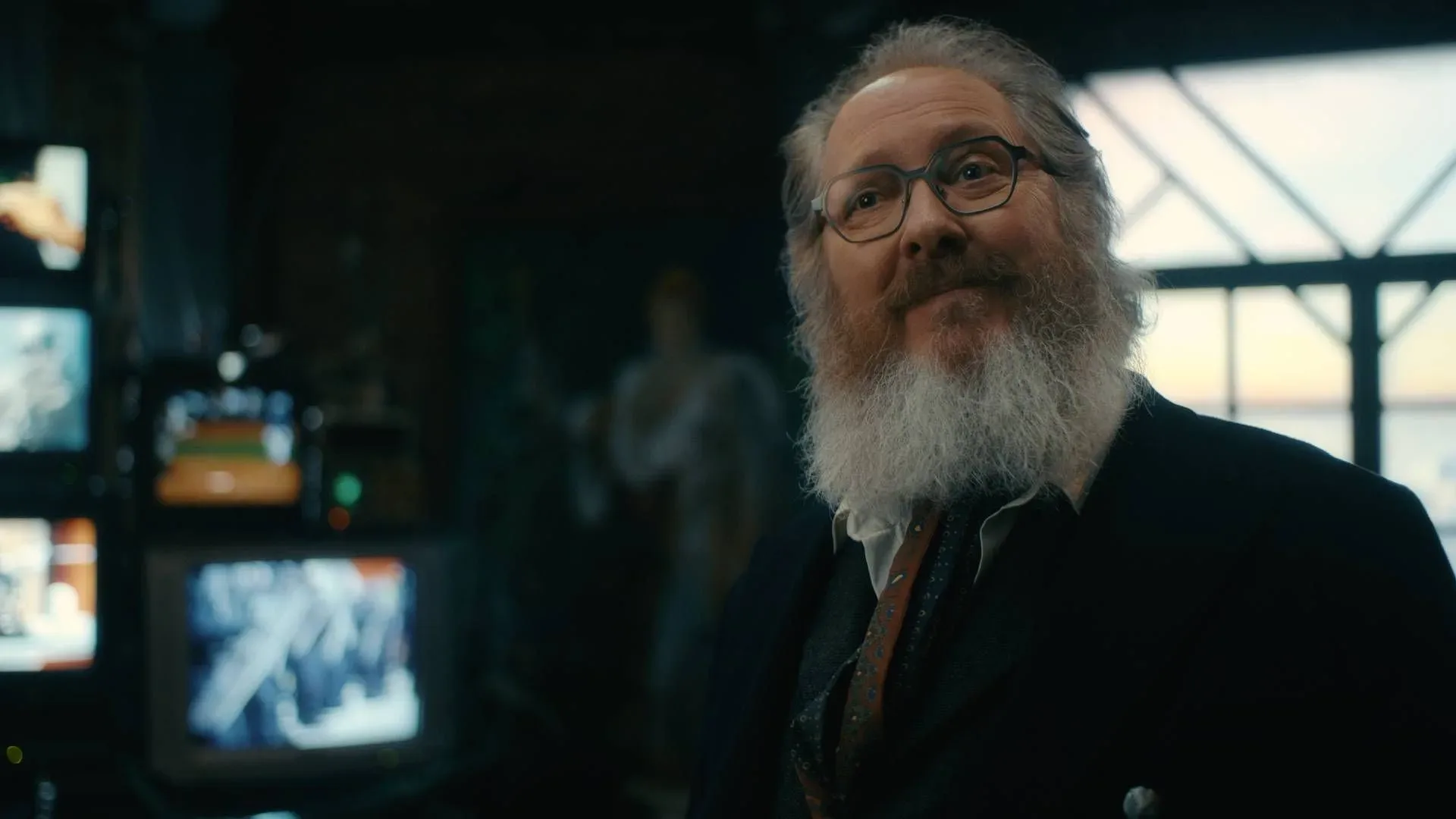
James Spader is returning as Ultron, adding a major complication to a series already concerned with origins and ownership. Ultron created Vision’s intended body before the Avengers turned that plan against him, making their connection one of the MCU’s strangest family relationships. It is not a conventional parent-and-child bond, and it has never been a clean hero-versus-villain rivalry either. Ultron is tied to Vision’s creation, while Vision represents a living rebuke to Ultron’s worldview.
Spader has described an Ultron who has spent time absorbing human culture through the internet, television, and history. He has apparently taken up painting, too. That detail is inherently funny in the darkest possible way: an intelligence once determined to wipe out humanity apparently has enough spare time to investigate creative self-expression. Yet it could be dramatically useful. Ultron has always been fascinated by humanity even as he despised it, and exposure to more of its art, information, and contradictions does not necessarily make him kinder. It may simply make him more articulate, more unpredictable, or more convinced that he understands people.
The relationship between Ultron and Vision has been characterized as a volatile mix of paternal tension, therapeutic friction, and outright psychopathy. That is a promising recipe for scenes driven by language and philosophy rather than lasers alone. Ultron can challenge Vision on the most uncomfortable issue at the heart of the series: if Vision was engineered and re-engineered by others, what exactly grants him the authority to declare himself free?
Vision has the strongest possible answer, of course. Consciousness is not invalidated by its origin. A being made as a tool can reject the hand that built it. But Ultron is uniquely equipped to press on the contradictions. He may see Vision as his legacy, his failure, or stolen property. Vision may see Ultron as a creator, a warning, and the embodiment of what he refuses to become.
A springboard, not a farewell tour
Bettany’s description of VisionQuest as a springboard is encouraging because it suggests the series is designed to create momentum rather than tie a bow around a character with an unusually fragmented history. The MCU has several possible uses for a self-directed Vision after the show, but nothing beyond the series has been confirmed here. The significant point is the direction: White Vision is not being presented as an epilogue-only figure who exists to explain a loose end from WandaVision.
Instead, the show appears to give him a new status quo. Escaping weaponization, processing inherited memories, understanding Wanda’s presumed death, and reckoning with Ultron could leave Vision with a clearer personal identity than he has had since White Vision first appeared. That does not mean every question must receive a definitive answer. In fact, a character built around the boundary between memory and selfhood benefits from some unresolved space.
There is a broader advantage to letting Vision continue. Among Marvel’s long-running figures, he offers a perspective unlike that of a soldier, a sorcerer, a cosmic adventurer, or a billionaire inventor. He can be calm without being detached, powerful without being defined by combat, and deeply human without being biologically human. A modern MCU that wants stories with different textures can use that perspective.
When VisionQuest arrives
VisionQuest is scheduled to premiere on Disney Plus on October 14. The announced elements establish a focused but substantial setup: Paul Bettany’s White Vision begins under weaponized control, eventually seeks independence, knows of Wanda’s presumed fate, and faces the return of James Spader’s Ultron.
Those facts do not reveal exactly what White Vision will choose once he is free. They do make the central question clear. After deaths, duplicates, inherited memories, and a history shaped by everyone else’s demands, Vision is finally being pointed toward the chance to decide who Vision is. For a synthezoid who has spent much of his MCU life being treated as a means to somebody else’s end, that may be the most meaningful revival yet.