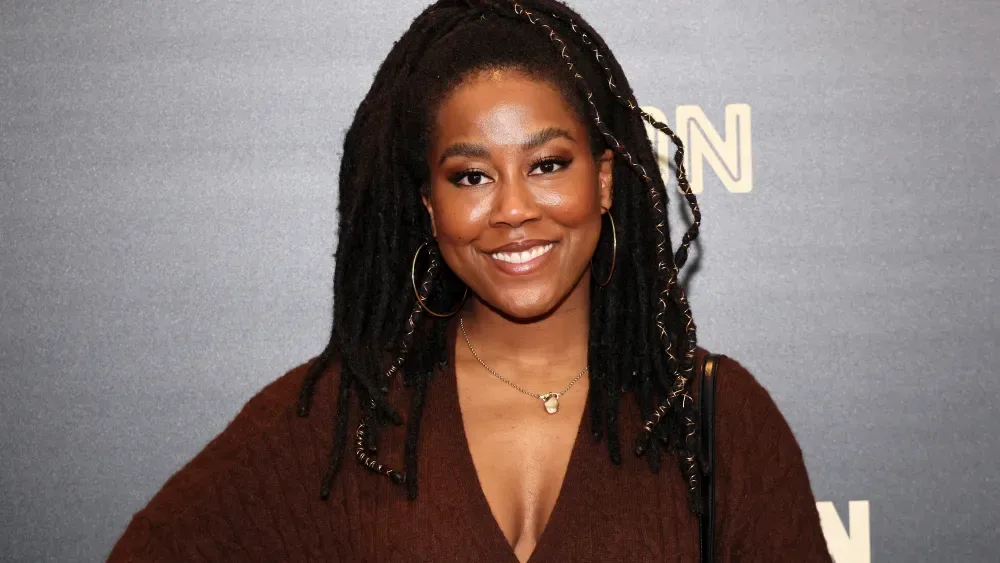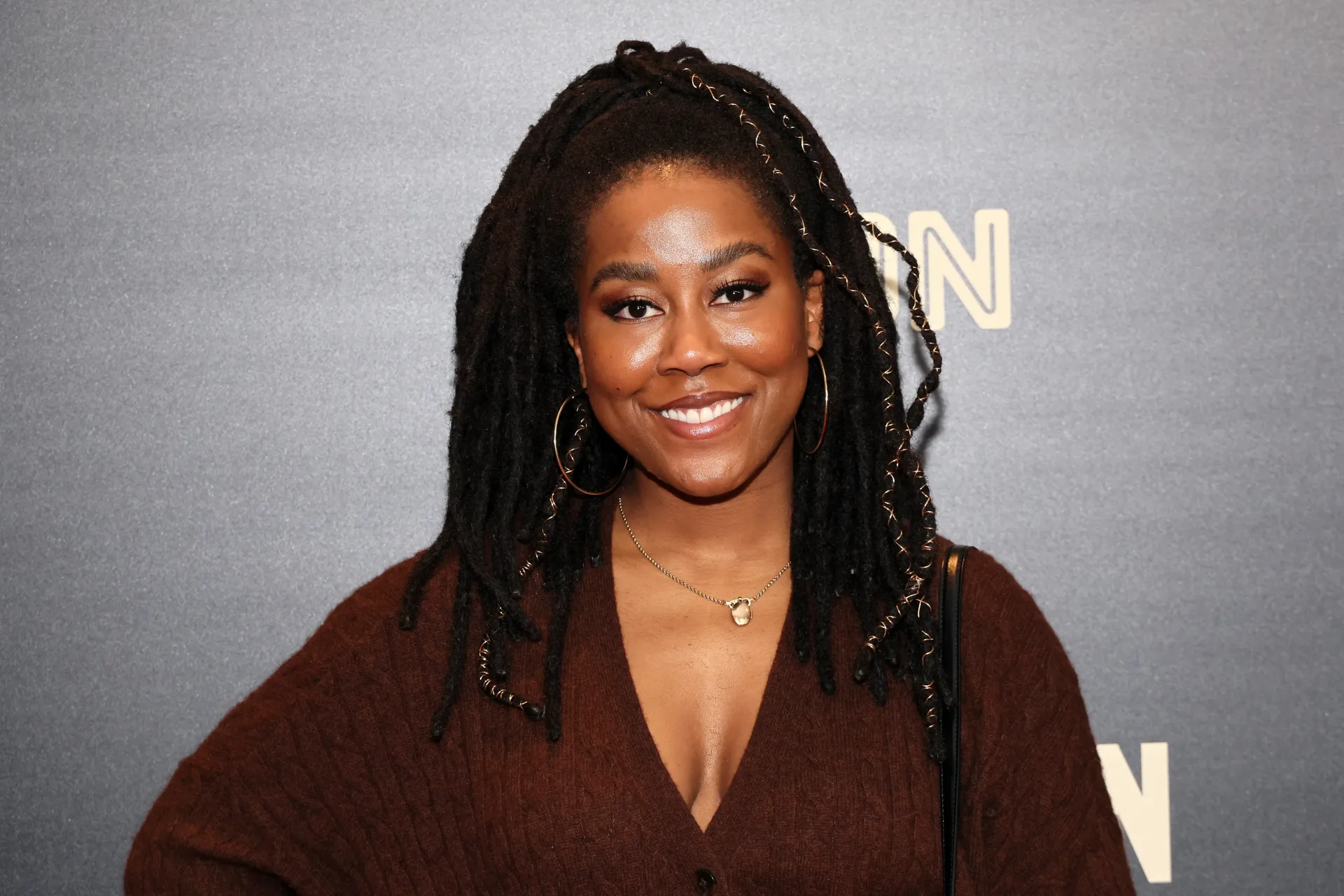
Tomi Adeyemi’s scheduled New York Comic Con appearance for The Siren did not take place on Saturday, Oct. 10. The author had been listed for a 1:30 p.m. ET panel at the Javits Center in New York, but the session was removed from the convention schedule after Adeyemi canceled it last month.
There was no advance public announcement explaining the change from Adeyemi or New York Comic Con organizer ReedPop. Representatives for Adeyemi, her agency CAA, and publisher Macmillan Children’s Publishing Group had not provided comment at the time of the report. That means the reason for the cancellation remains unconfirmed.
The lack of an explanation is the key detail here. A canceled convention panel can result from any number of practical or personal circumstances, but none has been publicly identified in this case. It would be inaccurate to connect the withdrawal to any separate dispute, production issue, or health matter without a statement from Adeyemi or the relevant parties.
What changed for attendees
The panel had been a promotional appearance for The Siren, Adeyemi’s new book. Once it was quietly taken down from the schedule, fans who had planned their Saturday around the event were left without a formal update about its status beforehand.
Convention programming is typically a moving target: rooms, guests, publishing schedules, travel plans, and media obligations can all affect a live event. But an ordinary programming adjustment and the reason behind it are different questions. The established facts are limited to the date and location of the planned panel, its removal from the schedule, and the report that Adeyemi canceled it the previous month.
For fans, the practical takeaway is straightforward: the Oct. 10 session is canceled, and there is no confirmed replacement panel, rescheduled appearance, or public explanation included in the available information.
The adaptation context—and what it does not establish
The cancellation arrives after Adeyemi publicly discussed a difficult experience connected to the screen adaptation of Children of Blood and Bone. Earlier this year, she said in a TikTok video and an interview that the process had left her unwilling to adapt another one of her novels for film. She described it as the worst experience she had lived through, and said it involved panic attacks, severe somatic pain, hyperventilating, and sobbing.
Somatic pain is pain or physical distress experienced in the body. In this context, Adeyemi used the term while describing the toll she said the production process had taken on her. Those remarks convey the seriousness of her own account, but they do not specify the underlying events or establish why the comic convention panel was canceled.
Related coverage includes Tomi Adeyemi Cancels New York Comic Con Panel for ‘The Siren’.
Adeyemi also said she was still being antagonized behind the scenes after filming had ended, without publicly detailing the conduct or circumstances she believed caused the conflict. As a result, there is an important boundary between reporting her statements about the adaptation and speculating about the absent convention appearance. No confirmed link between the two has been provided.
What is known about ‘Children of Blood and Bone’
Children of Blood and Bone is receiving a theatrical adaptation directed by Gina Prince-Bythewood. The ensemble includes Amandla Stenberg, Thuso Mbedu, Damson Idris, Cynthia Erivo, Lashana Lynch, Chiwetel Ejiofor, Regina King, Idris Elba, and Viola Davis. The film is set to reach theaters on Jan. 15.
Adaptation is the process of translating a work from one medium into another—in this instance, from a novel to a feature film. It can involve decisions about casting, screenplay changes, production design, marketing, and the division of creative authority among the author, studio, filmmakers, producers, and performers. Those decisions can become highly visible to readers when a beloved book moves into a major screen production.
One publicly discussed point of contention involved Stenberg’s casting. Adeyemi had described the relevant character in her books as having dark copper skin, and the casting of a mixed-race actor prompted controversy. A previously posted, later deleted TikTok reportedly showed what appeared to be a group chat involving Stenberg. In the apparent exchange, Adeyemi told Stenberg not to use her name in interviews or videos and not to contact her. The available information does not provide a full account of the exchange or the broader circumstances around it.
That distinction matters because fragments of private communication, especially material no longer publicly available, cannot on their own explain an entire production relationship. Adeyemi has plainly characterized her own experience in severe terms, while declining to give a complete public account of what made it so painful.
Why author appearances can matter at conventions
Book panels at large fan conventions are more than a simple reading or signing opportunity. They can introduce a new release to an audience that follows genre storytelling across novels, comics, film, television, and games. A publisher and author may use the format to discuss themes, answer audience questions, preview what is coming next, and build a direct connection with readers.
For an author whose work is also heading to theaters, that connection can be especially significant. Readers may arrive with questions about the books, the screen version, casting, and future projects. A panel devoted to The Siren could potentially have been a space for the new book to stand separately from the ongoing attention around Children of Blood and Bone. With the session canceled, there is no indication whether another event will serve that role.
The situation also illustrates the difference between a creator’s book work and its screen adaptation. An author can continue writing and promoting new material while holding deeply negative views about a particular adaptation experience. Conversely, a scheduled promotional event may be altered for reasons that have nothing to do with an adaptation. Treating either possibility as confirmed would go beyond the known facts.
What remains unanswered
- Why Adeyemi canceled the New York Comic Con panel.
- Whether the panel will be rescheduled or replaced by another appearance.
- Whether Adeyemi plans any further public promotion for The Siren.
- Whether she or the convention will issue a statement about the removal.
- What specific events informed her criticism of the Children of Blood and Bone film process.
Until those questions are addressed by Adeyemi, her representatives, the publisher, or the convention, the cancellation should be understood as an unexplained schedule change rather than evidence for a broader claim. The substantive confirmed development for attendees is simply that the planned Saturday panel was removed before it happened.
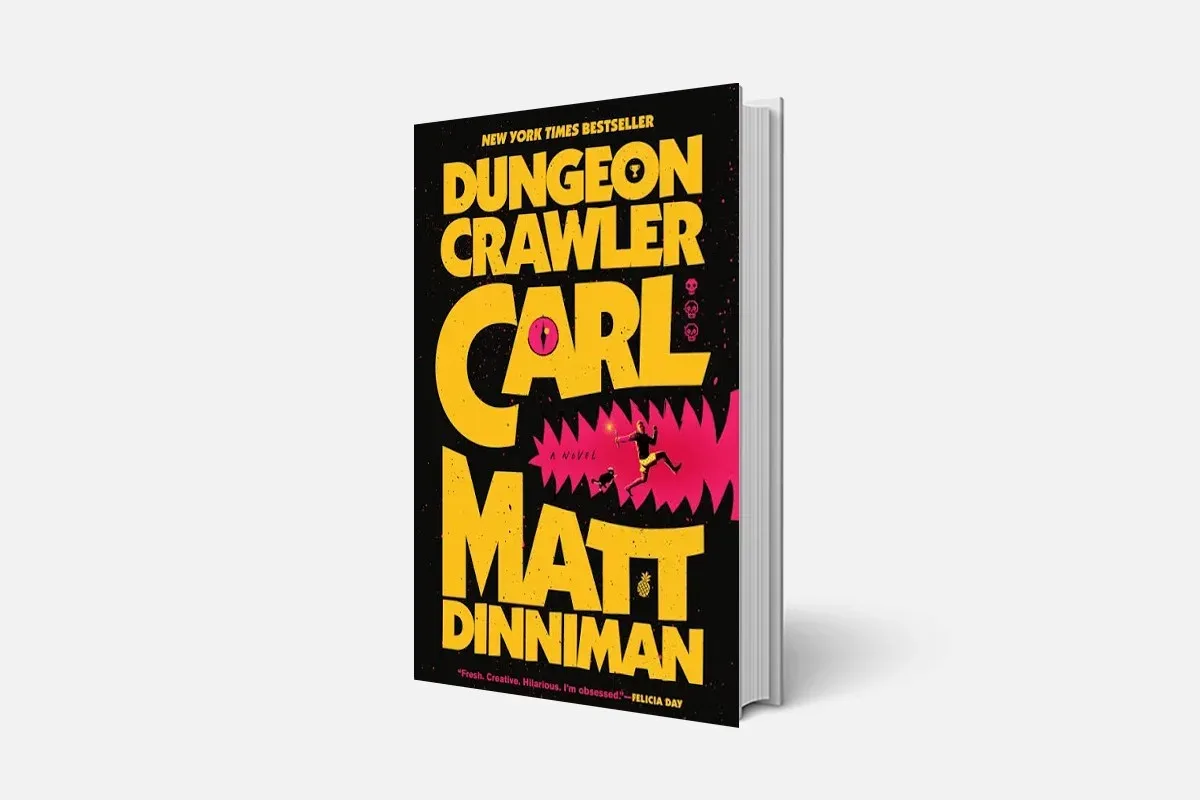
The wider conversation around book-to-screen projects is likely to continue as Children of Blood and Bone approaches its Jan. 15 theatrical date. Readers interested in the larger path from a fan-favorite novel to television can also follow the planned Dungeon Crawler Carl TV adaptation, another example of how early adaptation news can raise major questions long before audiences see the finished production.