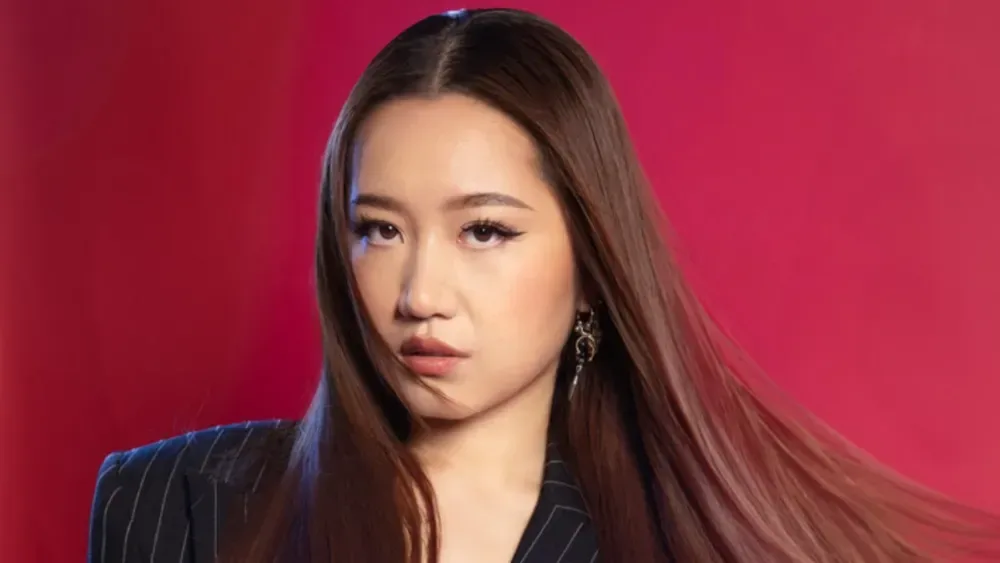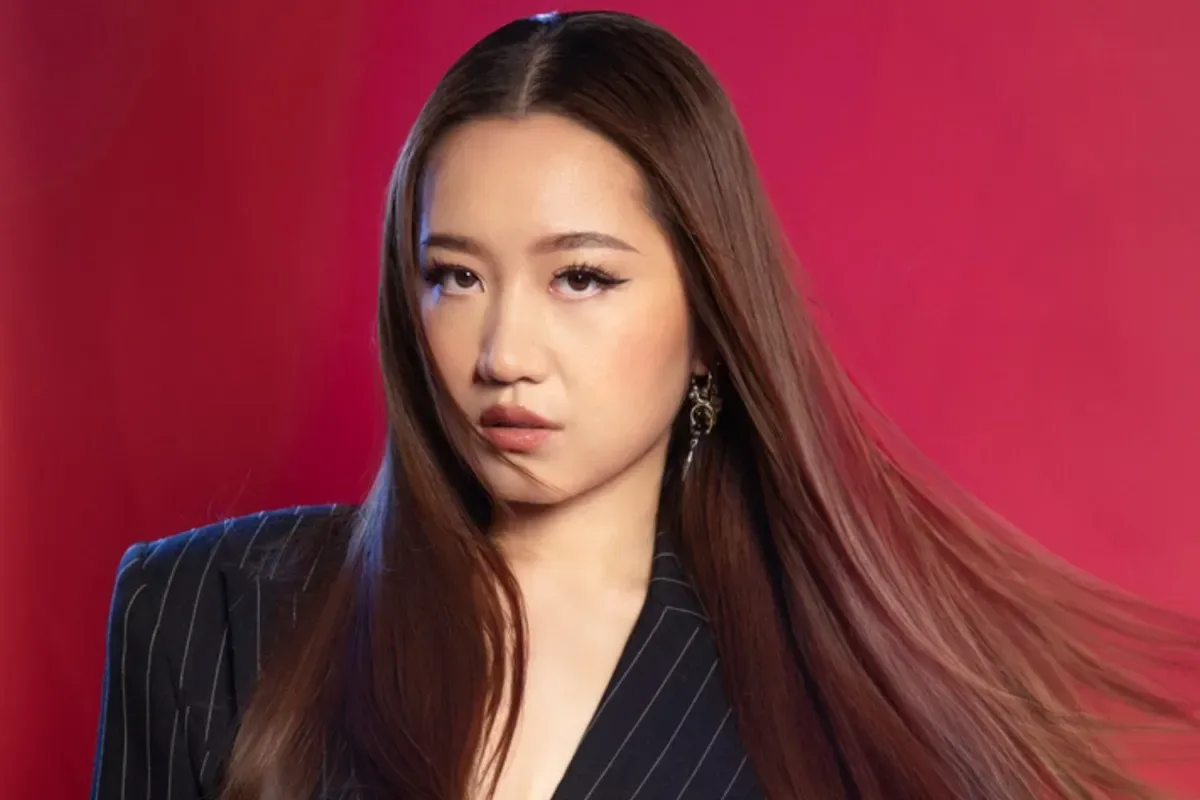
Horror creator Heidi Wong is moving from social-media storytelling into original short filmmaking through a new arrangement with Blumhouse Atomic Monster. The project was introduced during the Blumfest panel at New York Comic Con, where Wong appeared alongside Jason Blum.
Wong did not disclose story specifics, but she identified Eastern mythology and folklore as the creative foundation for the shorts. Having grown up in Asia, she described that material as especially close to her. That is the central detail to hold onto for now: this is an original horror-shorts project, not an announced adaptation, remake, release date or platform rollout.
For an audience accustomed to horror news arriving with a trailer, a cast list and an ominous release window, the restrained announcement leaves considerable room for questions. None of those particulars have been supplied. What is established is that Wong will create the shorts with backing from a studio operation that remains deeply active in the genre.
A creator whose work already lives in horror storytelling
Wong is known to her audience as “The Horror Queen” and has built a global following of more than 8 million. Her social content includes recounting and reenacting horror-film stories, along with genre recommendations and ratings. Before posting her first storytelling video on TikTok in 2020, she had already earned six consecutive national art competition wins.
Her background also reaches beyond short-form video. Wong’s poetry collection, Turning to Wallpaper, received nominations for the Pushcart Prize and Dylan Thomas Prize, and she recently completed an MFA in Poetry at New York University. She has said her interest in scary storytelling began in childhood, when reading frightening stories helped her teach herself English.
Those details do not reveal what the films will look like, but they help explain why a short-film format is a meaningful next step rather than a random genre affiliation. Horror shorts need economy: an idea, image, situation or emotional turn has to land without the runway of a feature. Wong has worked in formats built around concise narration and audience attention, while her writing background points to an interest in language and story construction. Whether those strengths translate directly to the finished films is still unknown, but the transition has a clear creative logic.
What “original horror shorts” does—and does not—tell us
A horror short is simply a brief film made to produce a complete dramatic or atmospheric effect in a compressed running time. The description does not automatically establish a specific length, release strategy, rating, cast, production schedule or connection to an existing franchise. None of those details were provided here.
“Original” is equally important. It signals that the announced work is not being presented as a continuation of one of the studio’s named properties. The stated inspiration in Eastern mythology and folklore also should not be mistaken for a confirmation of any particular legend, country, creature or narrative tradition. Folklore is a broad term for stories, beliefs and cultural traditions passed through communities and generations; the announcement deliberately remains at that broad level.
Related coverage includes Heidi Wong Sets Original Horror Shorts Deal With Blumhouse Atomic Monster.
That distinction matters in horror, where a project’s premise can quickly become oversimplified into a single monster label or a familiar franchise comparison. At this stage, Wong has shared a personal source of inspiration, not a plot synopsis. The more responsible expectation is for an original set of shorts shaped by that influence, with the exact interpretation yet to be revealed.
Why the personal framing matters
Wong’s comments place her own experience at the center of the project’s creative starting point. She connected the mythology-and-folklore inspiration to growing up in Asia and emphasized what the studio’s support means to her. That makes this more than a generic creator partnership: the announced subject matter is tied to material she has described as personally meaningful.
There is a practical implication, too. Horror frequently travels through memorable archetypes and simple elevator pitches, but culturally rooted stories can carry layers of family, place, taboo, ritual and memory. The announcement does not tell us which of those layers, if any, will define Wong’s films. Still, it establishes that the work is being approached from a perspective more specific than a broad promise of scares.
It is also worth separating inspiration from representation. Drawing from folklore does not by itself tell audiences how traditions will be depicted, which collaborators will participate, or what degree of detail the films will explore. Those are questions for future production information and the shorts themselves—not facts that can be filled in now by assumption.
Blumhouse Atomic Monster’s busy horror slate
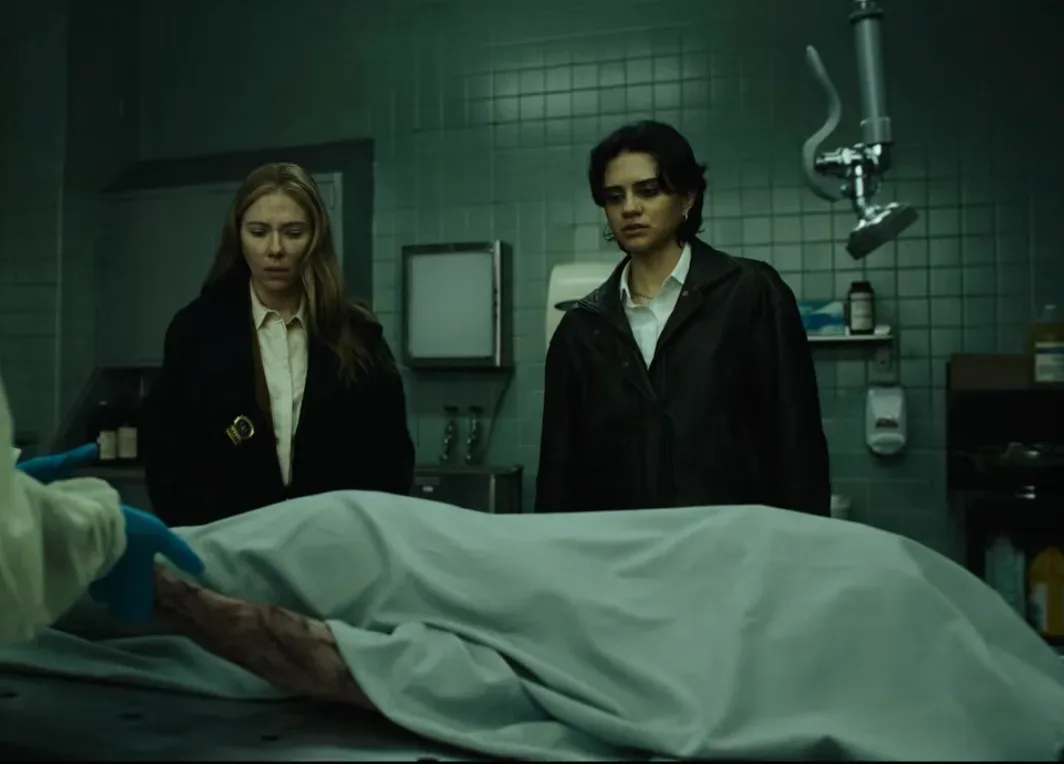
The project comes as Blumhouse Atomic Monster continues to operate across a large volume of horror releases. In 2026, its releases have included SoulM8ate, The Uprising, Five Nights at Freddy’s 2, Lee Cronin’s The Mummy, Insidious: Out of the Further and, most recently, Other Mommy. The studio was also behind two major genre hits that year, Obsession and The Backrooms.
Its forthcoming slate includes Play House, Curry Barker’s Anything But Ghosts, The Exorcist: Martyrs, a new Paranormal Activity sequel and a Blair Witch Project reboot. For more on one of those upcoming titles, see our coverage of the trailer for The Exorcist: Martyrs.
That output provides useful context for Wong’s deal without turning it into a promise that her shorts will resemble any named release. A studio can support very different kinds of horror at once: franchise continuations, reworkings of established material and new creator-led work. Wong’s project belongs to the last category based on the information available.
From audience-building to authorship
Wong has previously created content for Netflix, Sony, 20th Century Studios, Paramount Pictures, Universal and AMC. This new undertaking stands apart in a crucial way: it centers on original shorts she will create, rather than simply content connected to an outside film or brand.
That difference is easy to blur in the modern horror ecosystem. Recommendation videos, reenactments, marketing collaborations and criticism all contribute to genre conversation, but they are not the same as originating a film project. The announced shorts place Wong in a more direct creative role, with a major horror studio providing support.
It is a development that also reflects how genre audiences now find horror through more than feature films and television series. Social platforms can make a creator’s taste, delivery and narrative instincts immediately visible to millions. A short-film project offers a route to turn that audience-facing voice into a self-contained screen work. The outcome should be judged when the films arrive, but the shift itself is notable.
What has yet to be announced
Fans looking for a premiere date, individual titles, cast members, directors, distribution plans or a count of how many shorts Wong will make will need to wait. No such information has been disclosed. There is also no announced footage or detailed premise beyond Wong’s stated inspiration.
For now, the clearest picture is straightforward: Heidi Wong is preparing original horror shorts for Blumhouse Atomic Monster, and Eastern mythology and folklore will inform the work. Her established horror audience, longtime relationship with scary stories and writing background give the project a distinctly creator-led starting point. The next meaningful update will be the one that turns that promise into a more concrete view of the films themselves.