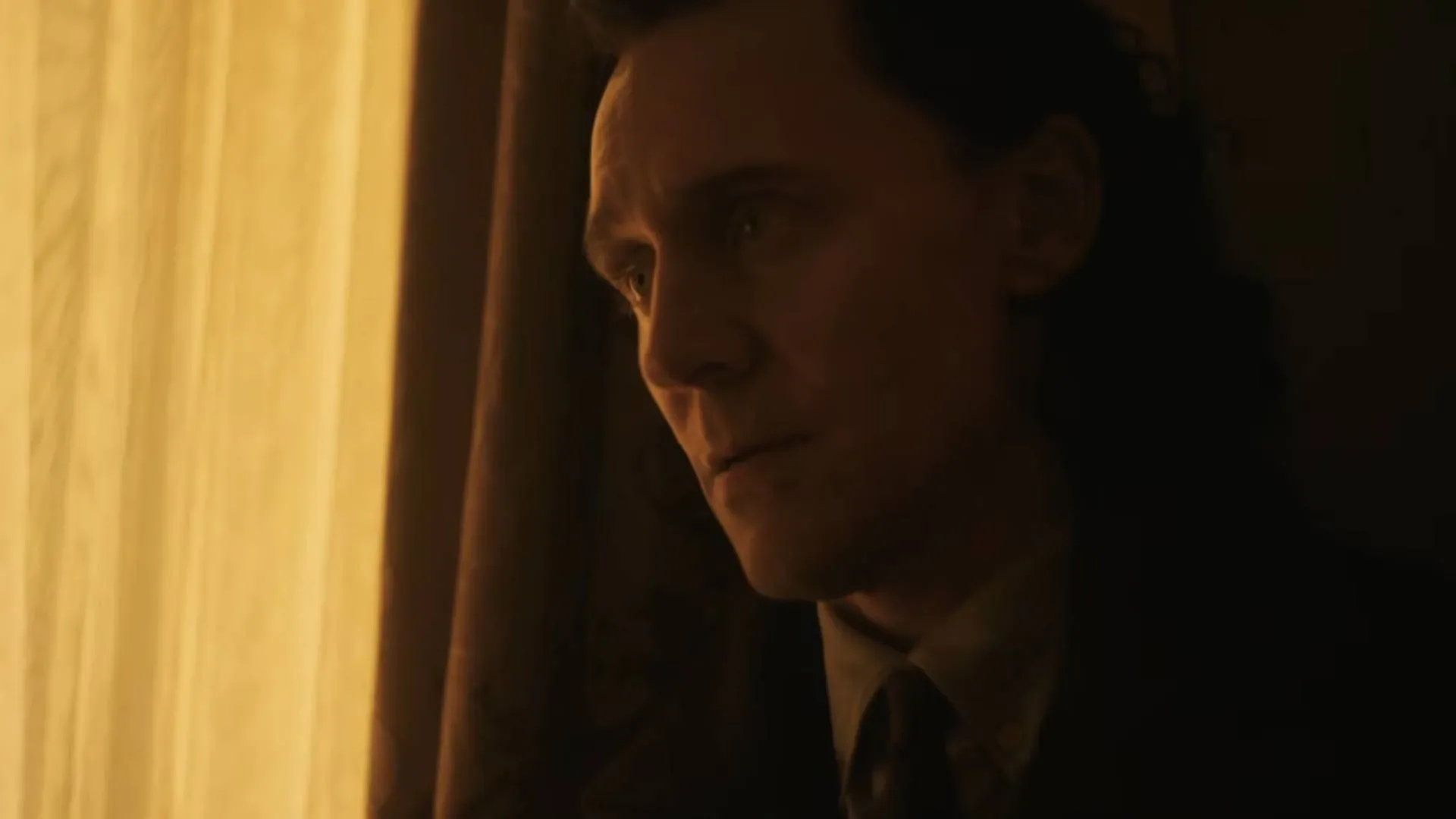
Tom Hiddleston has explained why Loki will return for Avengers: Doomsday: Marvel’s leadership apparently regarded the character as too central to the current multiverse storyline to leave him out.
Hiddleston said Kevin Feige and Louis D’Esposito contacted him with an unambiguous case for Loki’s involvement. In his telling, the message was that the multiverse story could not continue without the character. It is a notably direct statement of narrative intent for a franchise that has built its recent films and series around diverging realities, alternate versions of familiar heroes, and the consequences of timelines coming apart.
“It was very clear there was no way of continuing a story about the multiverse without Loki,” Hiddleston said.
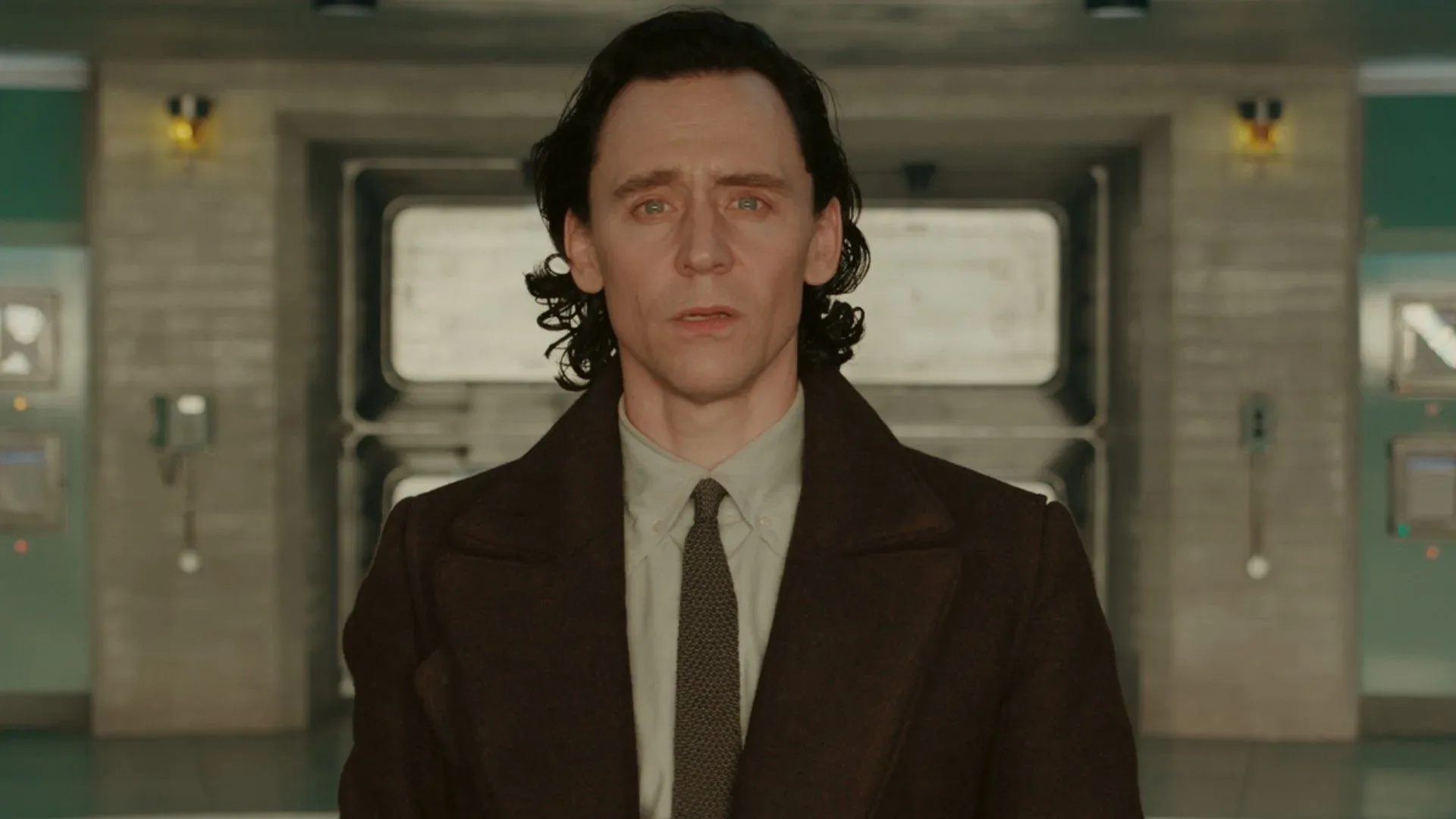
That reasoning follows the endpoint of Loki season 2, where Loki takes on the mantle of the God of Stories. Rather than merely meddling with timelines—as the character has often done—he occupies a position at the End of Time and holds the branches of multiple timelines together. In practical story terms, that places him at the heart of the MCU’s biggest ongoing structural problem: how the multiverse remains standing at all.
Why Loki’s role matters to the multiverse
The multiverse is the idea that more than one reality exists at once. In the MCU, that premise allows characters, worlds, and outcomes to differ between timelines. It is not simply a backdrop for a one-off adventure anymore; it has become a major framework connecting stories across films and television.
Loki’s arc tracks that expansion particularly closely. The first season of Loki positioned him amid a crisis involving the management and splintering of timelines. The second moved him from being an agent of chaos to someone making an enormous sacrifice to preserve those timelines. Hiddleston’s description of the character’s new role makes the connection explicit: Loki is no longer adjacent to the multiverse; he is depicted as its caretaker.
That shift also gives Avengers: Doomsday a clear reason to use this version of Loki. His inclusion need not only function as a return for a long-running fan-favorite character. Based on Hiddleston’s remarks, Loki is a logical bridge between the television series’ cosmic-scale ending and an Avengers film dealing with a multiverse-wide conflict.
It is worth separating what has been stated from what remains unknown. Hiddleston has confirmed that Marvel wanted Loki in the film and has explained the broad multiverse rationale. He has not disclosed Loki’s specific mission, the size of his role, who reaches him, or how his position at the End of Time changes once the events of Doomsday begin. The film’s plot mechanics remain under wraps.
From trickster to God of Stories
“God of Stories” is an especially useful label for understanding the version of Loki now in play. Earlier MCU appearances defined him most strongly through rivalry, ambition, deception, shifting loyalties, and an often volatile relationship with Thor and the Avengers. His recent journey turns that familiar instability into something more consequential. The character who once helped cause disorder is now associated with sustaining the timelines themselves.
Hiddleston framed Loki’s position in visual, cosmic terms: seated at the End of Time while holding the branches of many timelines together. Whether audiences first encountered that image in the series or only know Loki from the films, the basic implication is accessible. If the multiverse is the MCU’s network of realities, Loki has become one of the figures responsible for preventing that network from collapsing.
That creates a different kind of stakes for his return. Loki does not necessarily need to be in the middle of every physical confrontation to matter. A character whose status is bound to the stability of reality can be crucial because of what he knows, what he protects, or what happens if his efforts fail. Those are possibilities suggested by his established position, not confirmed details of the film.
A crowded Avengers event, with multiverse logic at its center
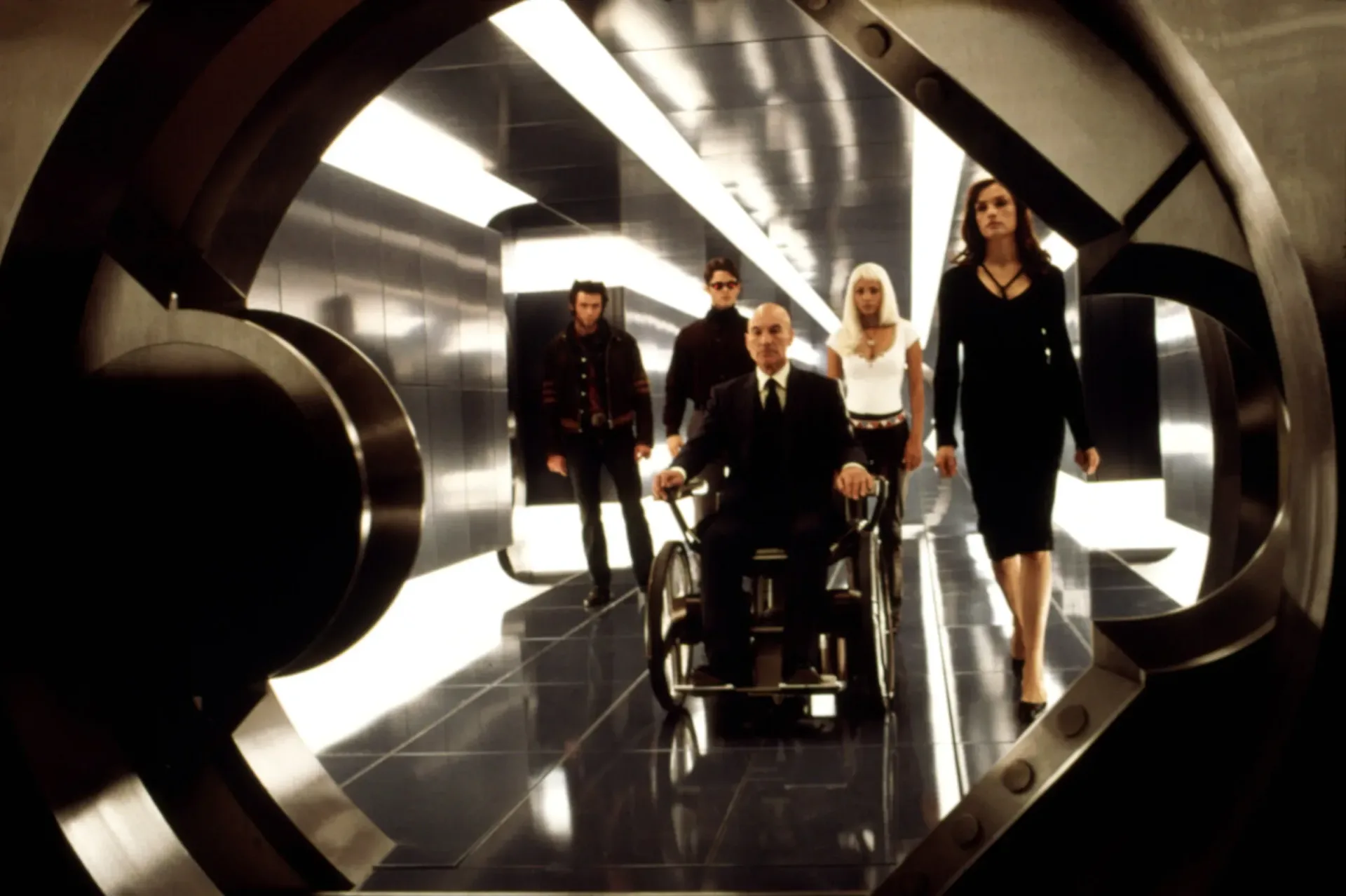
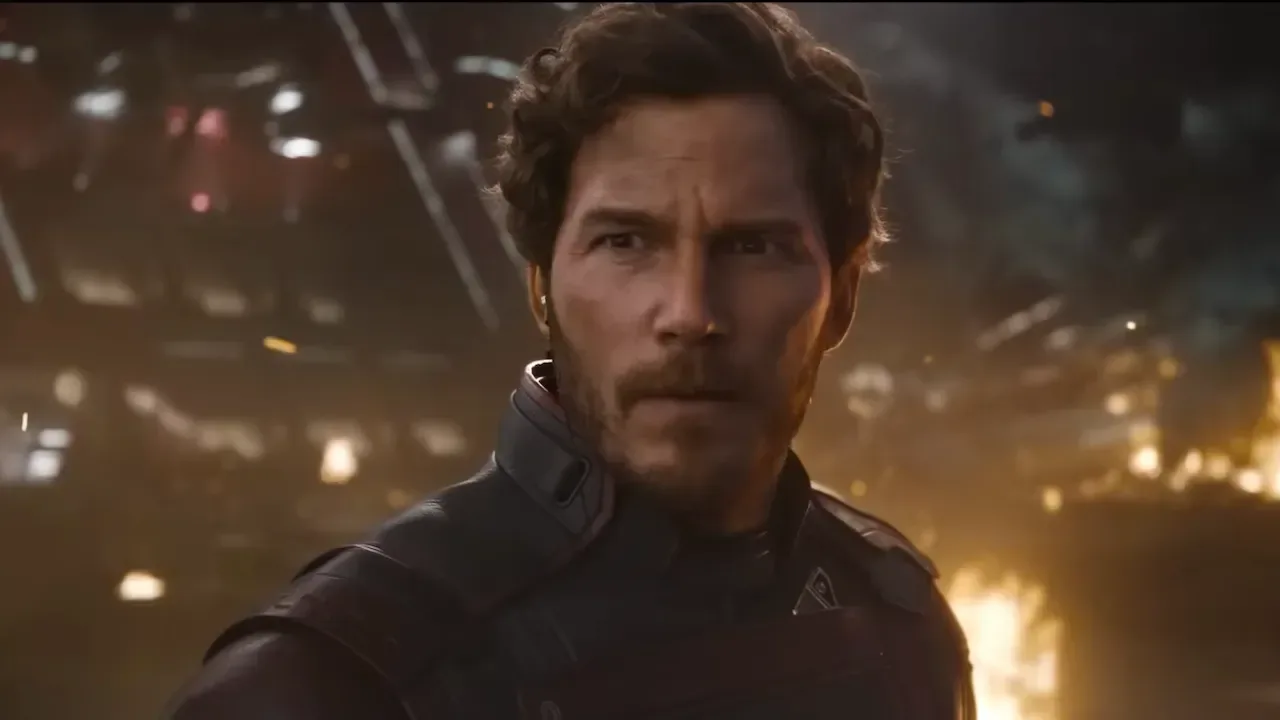
Avengers: Doomsday is set to bring together a broad collection of Marvel characters and teams. The named lineup includes Robert Downey Jr.’s Doctor Doom, Steve Rogers, the casts of Fantastic Four and Thunderbolts, several original Avengers, and members of Fox’s X-Men group including Professor X, Magneto, and Cyclops.
That scale makes Loki’s presence more than a simple continuation of his own series. The roster itself points toward a film built around connections across separate corners of Marvel’s screen history. Loki’s timeline-focused story gives the movie an established character through whom the multiverse can be addressed directly.
Marvel has also placed Loki in a new scene attached to the Encore re-release of Avengers: Endgame. In that ending, he arrives just after Peggy Carter and Steve Rogers’ iconic dance. The moment further connects Loki to the Avengers’ past while his current status ties him to the franchise’s potential future—a useful combination for a film expected to unite characters from distinct eras and continuities.
For readers tracking the growing pre-release picture, the film’s connected poster rollout is another indication of how many elements are being positioned around the event. Promotional material cannot reveal the eventual plot, but it underscores the ensemble nature of the project.
Where Doomsday sits in the MCU’s current chapter
The MCU’s Multiverse Saga began in 2021 with WandaVision, Falcon and The Winter Soldier, and Loki. Across that broader chapter, not every story has engaged with alternate timelines to the same degree. Loki, however, has remained one of the clearest and most sustained explorations of the concept.
That is why Hiddleston’s comments carry weight beyond one casting confirmation. They suggest Marvel sees Loki not as a detached streaming side story, but as foundational setup for the Avengers films now approaching. The character’s trajectory—from inadvertently helping splinter the multiverse in season 1 to helping hold it together in season 2—forms a concise dramatic explanation for why he would become indispensable when the multiverse is again under threat.
Of course, “essential” does not automatically answer the questions fans are likely to have. It does not tell viewers whether Loki will reunite with particular characters, whether he can leave the End of Time freely, or whether the film will revisit the consequences of the choices that made him the God of Stories. Those details are still unknown. What Hiddleston has provided is the central principle: the movie’s multiverse story and Loki’s present role are being treated as inseparable.
Release dates
Avengers: Doomsday is scheduled for release in UK cinemas on December 16 and in US cinemas on December 18. It will be followed by Avengers: Secret Wars in 2027, the stated culmination of the Multiverse Saga.
Until more story details emerge, Loki’s return is best understood as a signal of the film’s intended focus. Marvel is assembling heroes and figures from across its screen universe, but Hiddleston’s comments point to the multiverse—not merely the size of the cast—as the connective tissue. And at this stage of the MCU, Loki is sitting squarely in the middle of it.