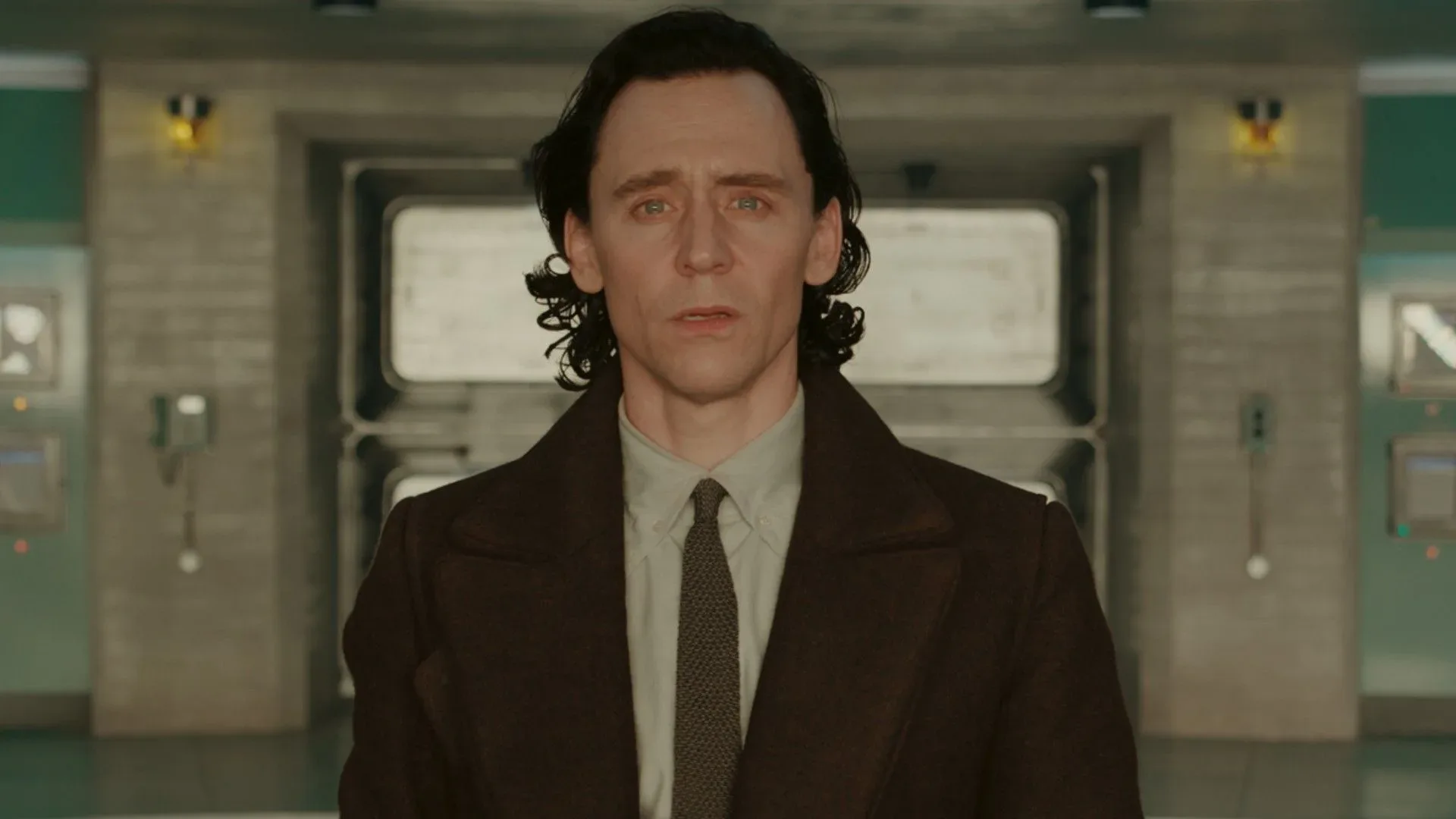
The Marvel Cinematic Universe has spent years treating the multiverse as both a promise and a problem. It promises that any hero, any villain, and any version of a familiar story might be waiting behind the next portal. It also creates an obvious risk: if every outcome can be replaced by a parallel one, why should any individual outcome feel permanent?
Loki found an unusually effective answer. Across two seasons, it made the multiverse less about collecting recognisable faces from other realities and more about forcing its title character to confront who he has been, who he could become, and what he is willing to lose for other people. Its timelines are not merely pathways to surprise appearances. They are the machinery of Loki’s redemption.
That distinction is why the series remains such an important piece of Marvel’s larger story as Avengers: Doomsday approaches. The MCU has used alternate realities in very different ways: as fan-service fuel in Spider-Man: No Way Home and Deadpool & Wolverine, as the premise for a reality-hopping sequel in Doctor Strange in the Multiverse of Madness, and as a source of unresolved stingers in The Marvels. Loki, however, gives the concept an emotional centre and a vocabulary audiences can actually follow.
The TVA gives an abstract idea rules and consequences
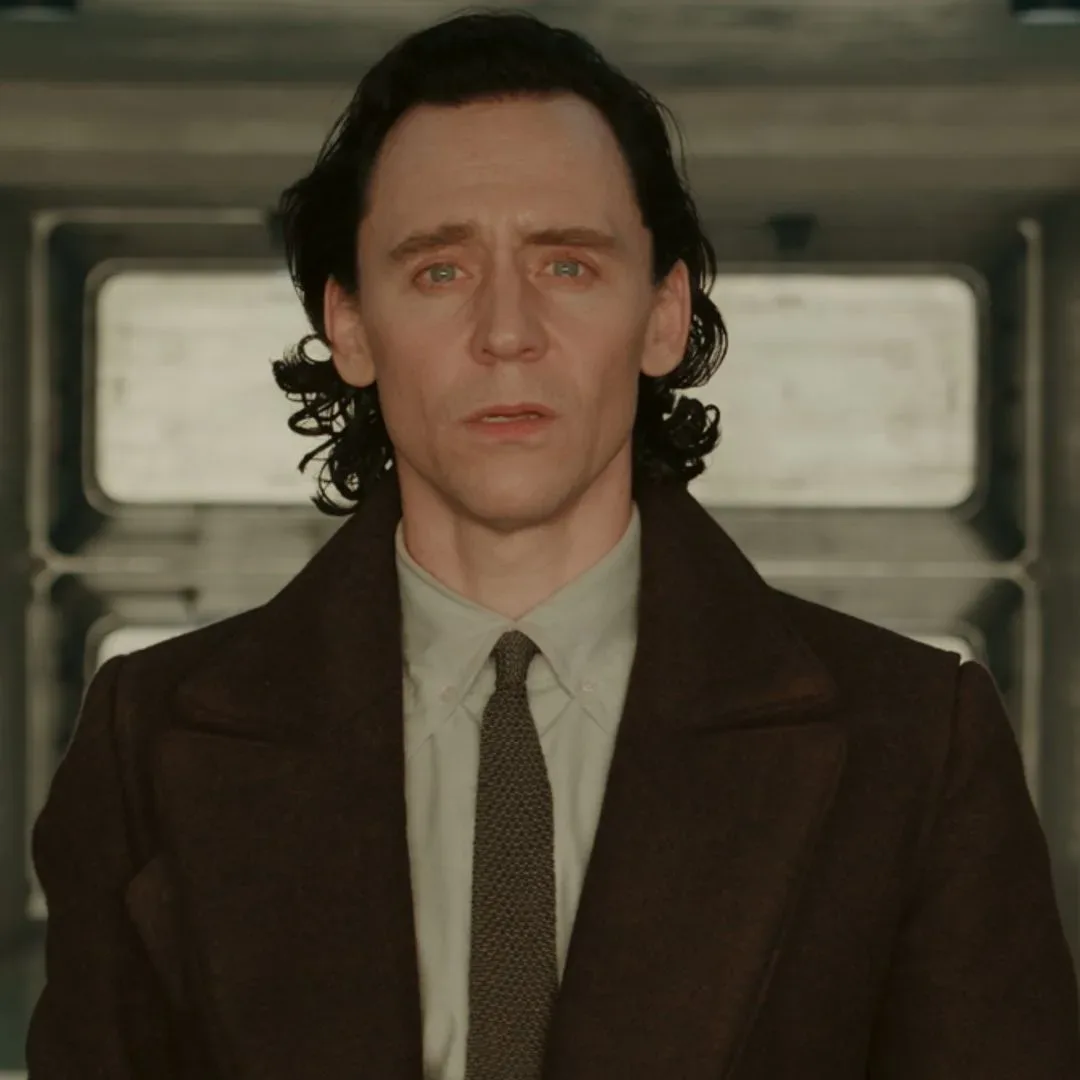
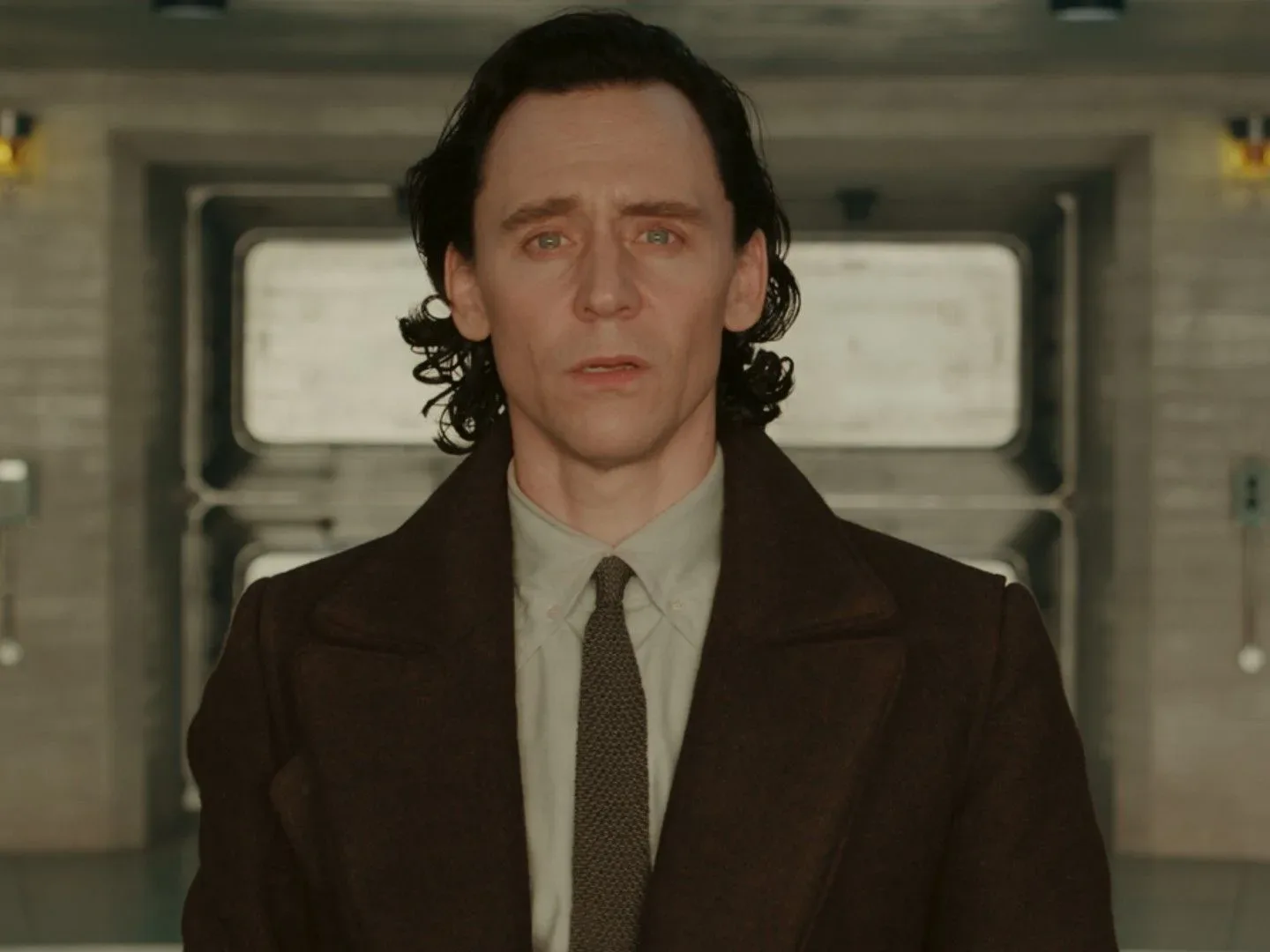
The show begins with a Loki pulled from the branch created by his escape during Avengers: Endgame. This is crucial. He is not simply the Loki who experienced every later event in the original MCU timeline. He is a version abruptly taken out of the 2012 period, still operating with the arrogance, insecurity, and hunger for control that defined him at that point.
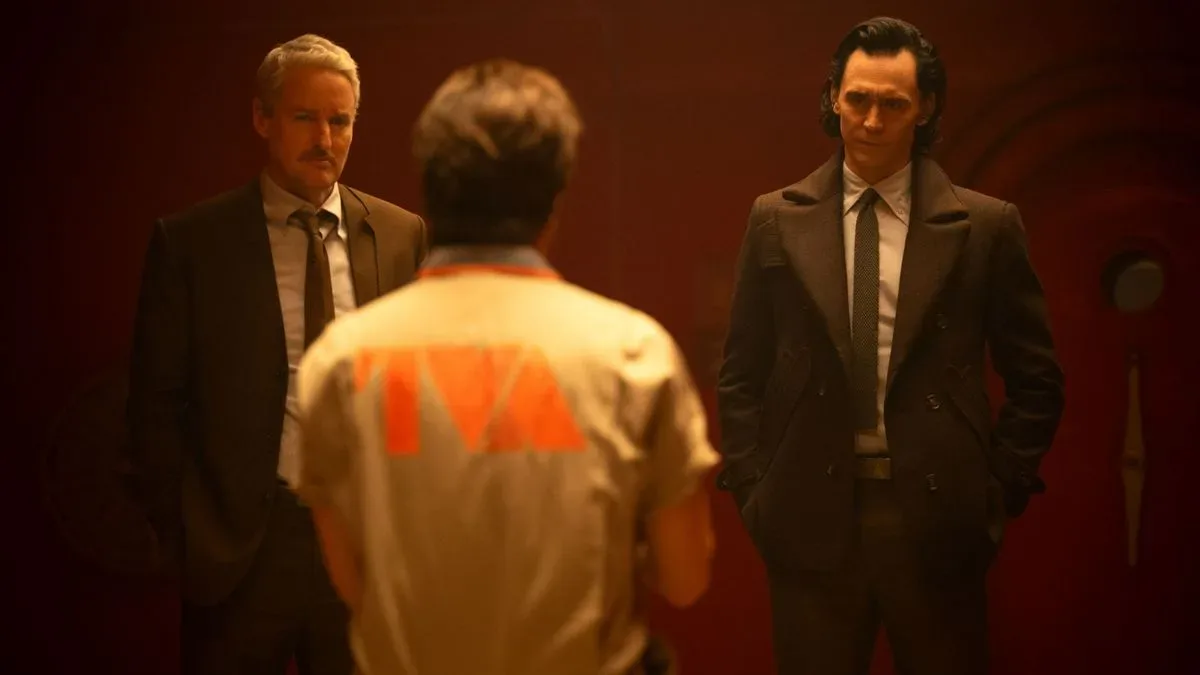
He is delivered into the Time Variance Authority, or TVA: an organisation of bureaucrats and soldiers tasked with monitoring branching timelines. In plain terms, a branching timeline is a reality that splits away from an established sequence of events when something diverges. The TVA initially handles these branches through pruning, meaning it removes them rather than allowing them to continue.
That grim institutional setup does more than provide retro office décor, strange technology, and time-travel action. It makes the multiverse legible. A branch is not just an Easter egg-shaped door to a different franchise corner; it is a living chain of possible lives subject to a system that claims the authority to erase it. The TVA turns an enormous cosmological premise into a moral question.
It also strips Loki of his usual advantages. His royal identity, charisma, and threats do not automatically work inside an institution that has seen endless variants and regards timelines as paperwork. For a character who has repeatedly sought power as proof of worth, that humiliation is narratively productive. Loki must look at himself without the usual armour of status.
A redemption arc built on seeing the life he did not live
The series’ smartest device is not a portal or a time machine. It is the early use of Loki’s own future. He is shown key events that the version of him from the main MCU timeline went on to experience. That means this younger, less mature Loki has to witness consequences that he has not personally endured: losses, failures, and a future in which his relationship to Thor and the Avengers changes.
There is a technical storytelling advantage here. Rather than pretending the character’s earlier cruelty never happened, the show puts it in front of him. The future montage functions as an accelerated confrontation with accountability. He cannot dismiss pain as somebody else’s problem when he is forced to watch where his choices lead.
More importantly, the device does not make his growth feel like a switch has been flipped. The multiverse premise lets the series ask a more interesting question: if a person is shown the worst and best versions of their possible future, do they have the capacity to choose differently? Loki’s answer gradually shifts from self-preservation toward responsibility.
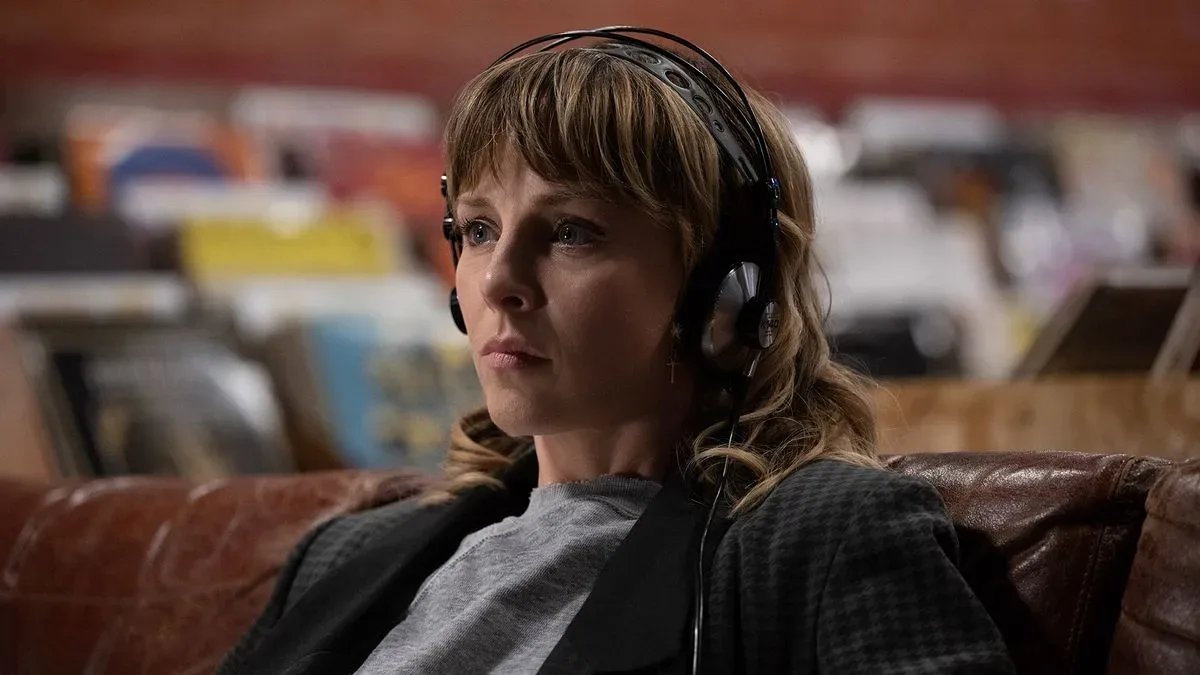
That is what gives the show’s use of alternate versions real purpose. A variant, in the language of the series, is a different version of an individual connected to a divergent timeline. Sylvie, played by Sophia Di Martino, is one such Loki variant. Her presence is not a novelty built around the fact that another Loki exists. She challenges the title character’s assumptions about freedom, trust, and the systems that have controlled both of them.
The result is an arc that earns its scale. The fate of timelines matters because the audience has watched Loki become capable of caring about something beyond his own survival and glory.
He Who Remains makes the first season’s finale intimate
The first season brings Loki and Sylvie to He Who Remains, a Kang variant positioned at the end of time. The setting could have prompted a conventional final battle built around escalating visual effects. Instead, the dramatic weight rests on a conversation and a choice.
He Who Remains has maintained control over the timeline structure. When Sylvie kills him, that control ends and the multiverse breaks into countless branches. The event is undeniably huge, but the scene’s impact comes from its personal stakes: Sylvie’s fury at a system that denied her autonomy, Loki’s fear of what follows, and the uncertainty of whether anyone should possess this much authority over every possible life.
That is a useful model for blockbuster storytelling. Spectacle has more force when it is the consequence of a decision audiences understand, not a replacement for one. The finale is grand because it is intimate first.
Subsequent real-world changes complicated the importance of the Kang material. Jonathan Majors was arrested and later removed from the franchise, while the planned The Kang Dynasty direction did not continue as envisioned. Those circumstances lessen the likelihood that the character’s original larger-franchise role will play out in the same way. They do not erase what Loki accomplished on its own terms, particularly because the series’ central conflict was never only about setting up a future antagonist. It was about power, choice, and Loki’s developing willingness to bear a cost.
Season two turns cosmic crisis into a test of responsibility
Season two spends much of its time dealing with the instability unleashed by the first season. Victor Timely, another Kang variant, becomes part of that effort. The plot is dense by design: timelines are failing, the TVA’s old purpose is under challenge, and the characters have to decide whether stability can exist without repeating authoritarian control.
For viewers, the practical takeaway is that the show’s time-travel terminology is less important than its ethical framework. The question is not merely, “Can the timeline be repaired?” It is, “Who gets to decide what a repaired timeline looks like, and what does that decision cost?”
That framework is what makes Loki’s endpoint feel consequential. His journey starts with a man who wants a throne and ends with a character drawn toward a far more selfless purpose: holding together a dangerous reality not because it flatters him, but because others need it to survive. It is a striking inversion of the old “glorious purpose” language associated with him. Purpose stops meaning conquest and begins meaning service.
Marvel has often leaned on multiverse stories to widen its board. Loki does something harder: it uses that widening to narrow in on one character’s inner life. Infinite possibility becomes the pressure that reveals a particular person’s capacity to change.
Why it matters on the road to Doomsday
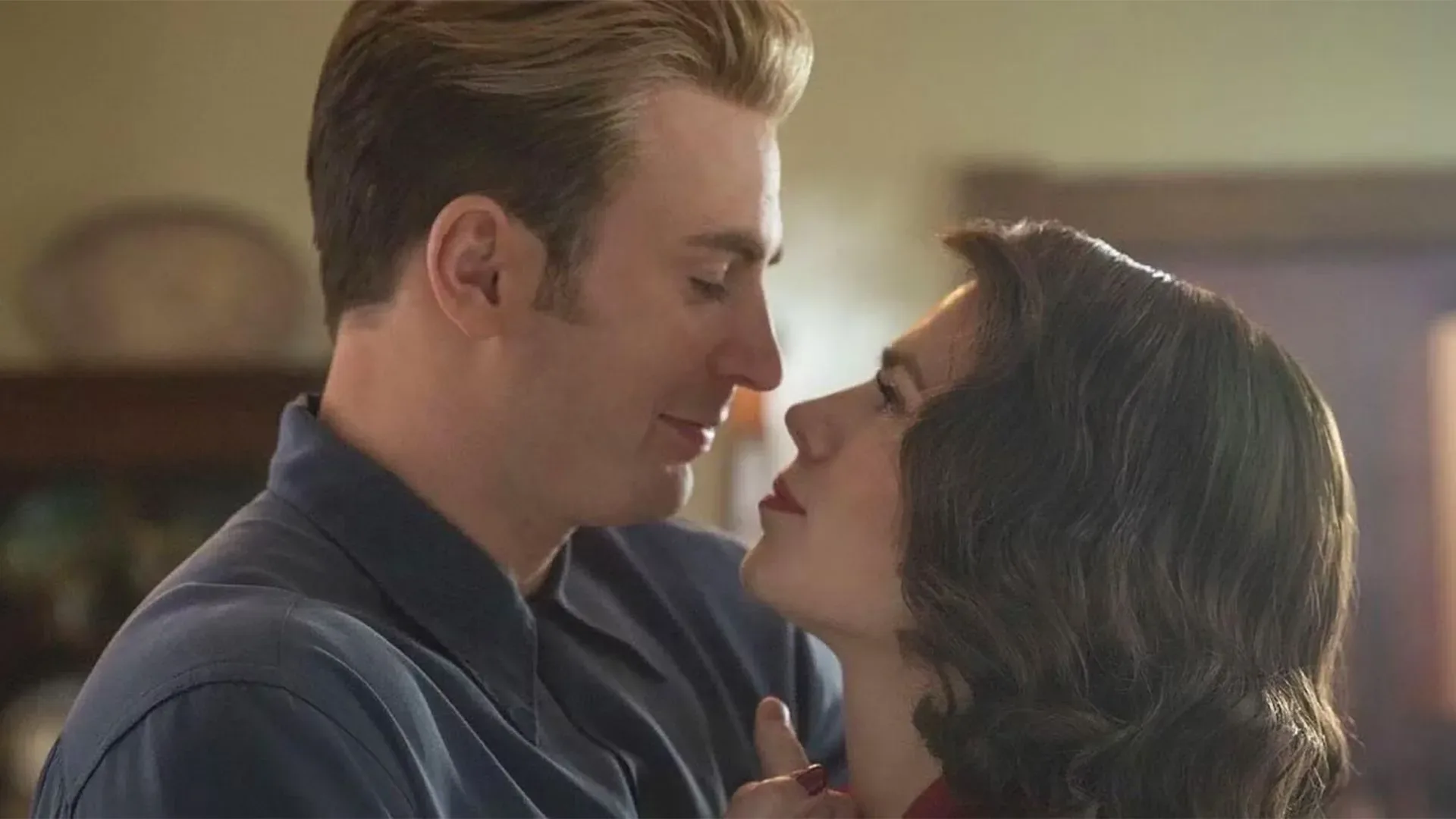
The extended material attached to the Avengers: Endgame Encore re-release places Loki and the TVA more directly in the lead-up to Avengers: Doomsday. In that added ending, Loki interrupts Steve Rogers and Peggy Carter’s dance to warn of an approaching threat. The TVA also witnesses more than 3,000 timelines being destroyed almost instantly.
Those details reframe the next Avengers event as something broader than a straightforward showdown between Doctor Doom and Earth’s heroes. If timelines themselves are dying, the threat is existential in the literal multiversal sense. And because Loki spent two seasons establishing what timelines are, why branches matter, and who is watching them, the scale has a better chance of registering as more than a number on a screen.
There is an emotional possibility as well. The Loki at the centre of this story has been reshaped by knowledge of Thor’s future and his own potential. Thor, meanwhile, has endured immense losses and continued on as a hero, now with a child to protect. A reunion between the brothers is not confirmed, but it would carry far more weight than a routine crossover if it happens. The audience would be meeting two people altered by separate burdens, rather than simply receiving a familiar pairing again.
This is the standard the wider MCU should take from Loki: continuity should deepen character, not merely reward homework. A reference works best when it clarifies what someone has lost, learned, or chosen.
The value of a focused Marvel television story
The wider Marvel television slate appears to be contracting, with Wonder Man and Daredevil: Born Again among projects reported as cancelled in recent weeks. Whatever shape future releases take, Loki offers a clear reminder of why a connected series can be valuable. It was not essential merely because it contained lore. It became essential because it paired that lore with sustained character work.
Its episodes had room to let ideas breathe: the TVA’s oppressive logic, Sylvie’s anger, the ambiguity of free will, and Loki’s slow movement away from selfishness. Cameos and strange concepts could enrich that foundation, but they were not asked to do all the work.
For a useful comparison in how television criticism can separate premise from execution, see our review of Tip Toe. In a franchise as continuity-heavy as Marvel’s, that distinction is especially valuable: a big idea is only as compelling as the people it changes.
Avengers: Endgame provided the accidental doorway through which this Loki escaped. Loki then made that apparent detour matter. Five years on, it remains Marvel’s strongest multiverse story not because it offers the most possibilities, but because it understands that possibility has meaning only when someone has to make a choice.