Major spoilers for the bonus material in Avengers: Endgame Encore follow.
Moviegoers heading into a standard screening of Avengers: Endgame Encore expecting every newly added Avengers: Doomsday clue may want to check their auditorium format before buying a ticket. The re-release includes four new bonus sequences totaling roughly four minutes, but the most substantial of those additions—the one set at the Time Variance Authority—is reportedly limited to IMAX and Infinity Vision presentations.
That distinction has caught some viewers off guard. Fans attending regular 2D showings have reported seeing three new scenes, then learning afterward that premium-format attendees received a fourth: an extended TVA preview with returning Loki characters and apparent multiverse trouble. For an event re-release whose fresh footage is a central draw, the difference between “new scenes” and “all new scenes” is not a minor bit of fine print.
The practical message is simple: viewers who want the complete set of new Doomsday material should seek an IMAX or Infinity Vision listing, where available. A standard presentation still offers the original film and several additions, but it apparently is not the full Encore package.
What is different in Endgame Encore?
Avengers: Endgame Encore brings Marvel’s Infinity Saga finale back to theaters with a handful of scenes designed to point forward to Avengers: Doomsday. The reported additions are not a radically re-edited version of the film. Instead, they are a compact collection of four epilogue-style pieces, together running around four minutes.
Those scenes are said to include:
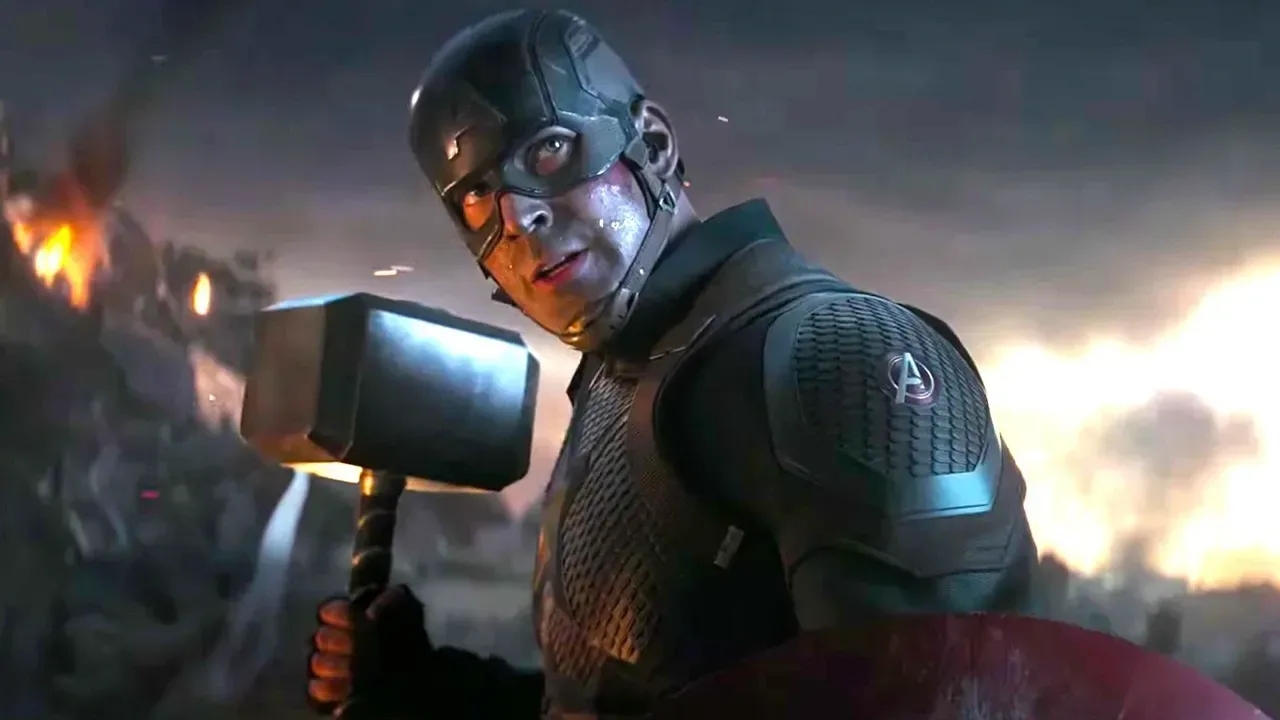
- An expanded ending featuring Steve Rogers and Peggy Carter.
- A meeting between Bruce Banner and Doctor Doom.
- Brief imagery that appears to show Victor von Doom’s mask being forged.
- A scene at the Time Variance Authority, or TVA, as the multiverse begins to collapse in on itself.
It is the TVA material that standard screenings reportedly omit. That matters because it is described as perhaps the longest of the four sequences and because it contains familiar faces from Loki, including Mobius, played by Owen Wilson, and O.B., played by Ke Huy Quan. It also appears to carry the most direct story-setting function: the TVA is in distress while the multiverse destabilizes.
For audiences trying to remain spoiler-free before seeing a Marvel movie, this arrangement creates an awkward consumer choice. Avoiding online discussion helps preserve surprises, but it can also mean missing a format-specific caveat that is important to the actual content of the screening. Several fans have said they did not realize a regular ticket meant a shorter selection of bonus scenes until after they had already attended.
Related coverage includes Endgame Encore’s Full Doomsday Preview Is Limited to IMAX and Infinity Vision.
Why the TVA footage carries more weight than a typical extra scene
The TVA is the Time Variance Authority, the bureaucratic organization central to Loki that deals with timelines and the wider multiverse. With that definition in mind, the reported Encore preview has an immediately clear function even without knowing every narrative detail: it connects the coming film to the state of the multiverse itself.
That makes the format split more consequential than holding back a cosmetic stinger or an alternate joke. The Steve-and-Peggy extension, Banner’s encounter with Doctor Doom, and the mask imagery each have obvious character or atmosphere value. The TVA sequence, however, seemingly combines a major setting, returning television characters, surprise cameos, and an active crisis. It is the most overtly connective piece of the new footage.
There is still reason to preserve some caution around interpretation. A preview can suggest a storyline without explaining it, and footage tied to a future film should not be treated as a complete map of that movie. The known details support a narrower conclusion: the TVA is not well, the multiverse is under pressure, and Marvel is using that image to frame the stakes around Avengers: Doomsday.
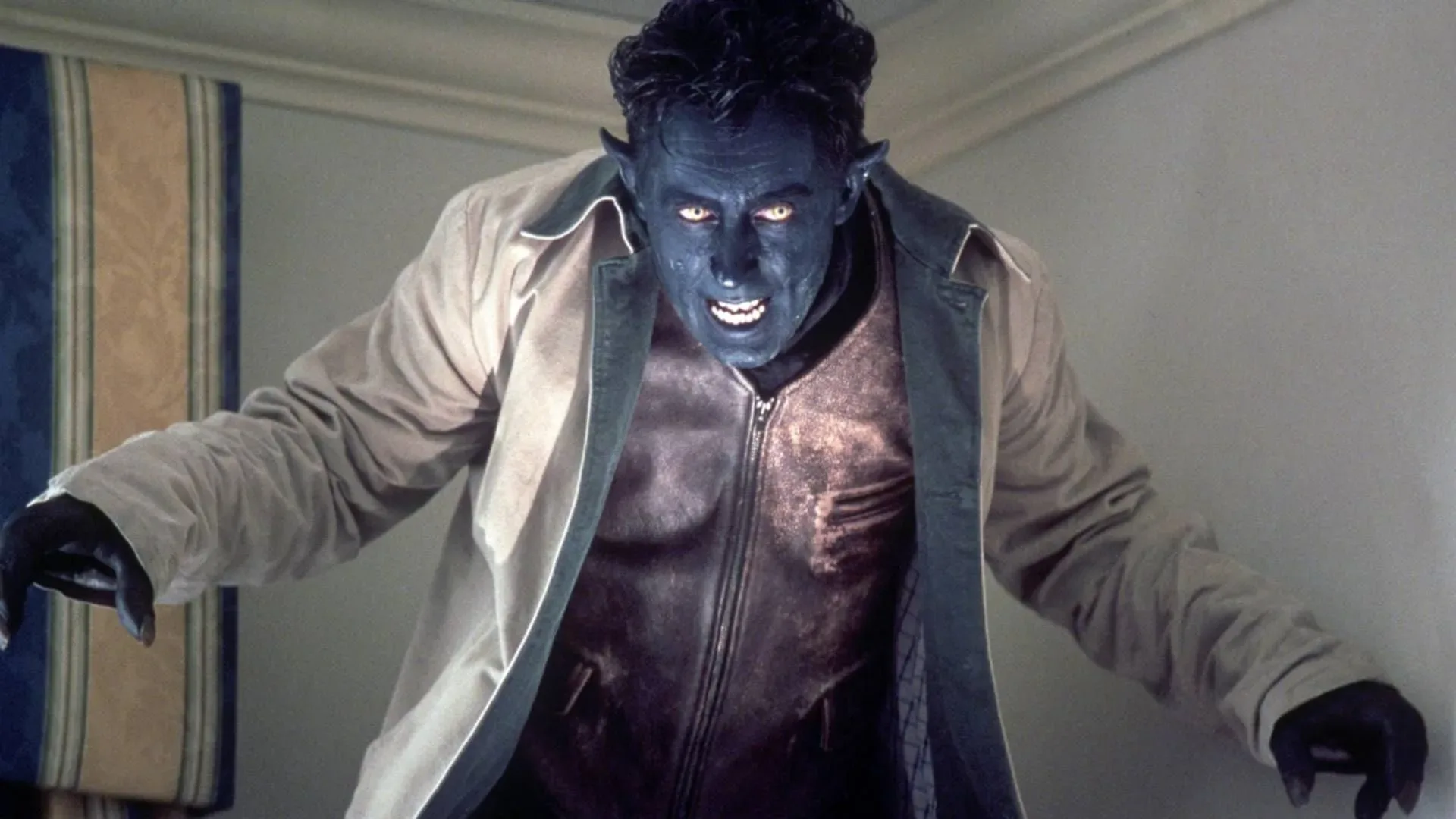
That context may also be useful for readers following other early signals around the film. Alan Cumming has said he does not fully understand the larger story, while confirming that Nightcrawler is involved; his comments on Nightcrawler’s return underline how many distinct characters and story threads appear to be converging.
The issue is disclosure, not the existence of premium formats
IMAX and other premium presentations commonly cost more than standard tickets, and they frequently offer technical or experiential differences. In this case, though, the disputed difference is not merely screen size, sound, or projection. It is narrative material.
That is why some fans have characterized the approach as a cash grab while others have focused on the lack of clarity around the rollout. The concern is not simply that the premium option exists. It is that a viewer could reasonably hear that an Encore re-release contains new footage, purchase the broadly available standard showing, and leave without one of the advertised-style attractions of the re-release.
The premium-footage plan was revealed in late August, but the language around it referred to an “additional sneak peek.” That wording establishes that something extra existed, yet does not on its own spell out the practical divide a ticket buyer needs to understand: standard audiences receive three bonus sequences, while IMAX and Infinity Vision audiences receive four.
That distinction becomes especially important in markets where an eligible theater is not nearby. Some people may have access only to regular auditoriums. Others may be able to reach an IMAX or Infinity Vision screen but decide that the additional travel and higher-priced ticket are not worth roughly four minutes of total material. Those are entirely reasonable decisions—but they are decisions audiences can make properly only when they know what their chosen format includes.
What to verify before booking
Anyone considering the re-release can avoid the surprise by treating the ticket format as part of the content listing rather than just a presentation preference:
- Look at the theater’s auditorium label, not only the film title and showtime.
- If seeing every bonus sequence is important, choose a listing explicitly marked IMAX or Infinity Vision.
- Do not assume that a regular 2D, digital, or other non-premium listing carries the TVA scene.
- If the listing is unclear, ask the theater whether the showing includes the complete Encore bonus package before purchasing.
- If avoiding spoilers is a priority, make that check before searching social media for scene descriptions.
None of these steps guarantee that every theater listing will be perfectly descriptive, but they reduce the chance of learning about the missing scene after the credits have rolled.
A strong opening does not erase the audience mismatch
The re-release made a substantial opening-weekend impact, taking in $86 million. That figure suggests there remains a sizable audience eager to revisit Endgame theatrically, relive its biggest crowd-pleasing moments, and search for signs of where the Marvel Cinematic Universe goes next.
It also explains the incentive to differentiate formats. A premium-screen exclusive can drive attention toward particular venues and offer fans another reason to choose a pricier ticket. From a commercial perspective, it is easy to see the appeal of connecting a legacy blockbuster to the next major Avengers event.
But commercially understandable is not automatically audience-friendly. The backlash illustrates a basic expectation created by the word “Encore”: viewers assume the re-release’s additions are part of the release itself. When the bonus content is fragmented, people who selected the standard option can reasonably feel they attended an incomplete version of the event—even if the original feature remains intact.
There is also a difference between a conventional post-credits surprise and a format-limited bridge to a forthcoming movie. A surprise works because everybody in the relevant screening shares it. An exclusive preview functions differently: it turns the format choice into a gatekeeper for story context. The result is a split conversation, where audiences compare notes only to discover they did not watch the same package.
What it means for Doomsday
Avengers: Doomsday is scheduled for December 18, 2026, and is positioned as the beginning of the end for the Multiverse Saga. The Encore material points toward that future through Doctor Doom, Victor von Doom’s mask, Bruce Banner, Steve Rogers, Peggy Carter, and—most significantly—the TVA’s apparent inability to keep the multiverse stable.
Those elements make the re-release feel less like a nostalgia-only theatrical run and more like a promotional bridge. For Marvel viewers, that can be a compelling reason to revisit Endgame. Yet it also raises the stakes of transparent messaging. The most invested audience is exactly the audience likely to care whether it saw every hint.
For now, the useful rule is straightforward: regular showings appear to include three of the four new Encore scenes, while IMAX and Infinity Vision showings are the route to the TVA preview and the full batch of new material. Anyone satisfied with revisiting Endgame and catching some additional footage can still choose a standard ticket. Anyone determined not to miss a single Doomsday tease should confirm access to the eligible premium formats first.