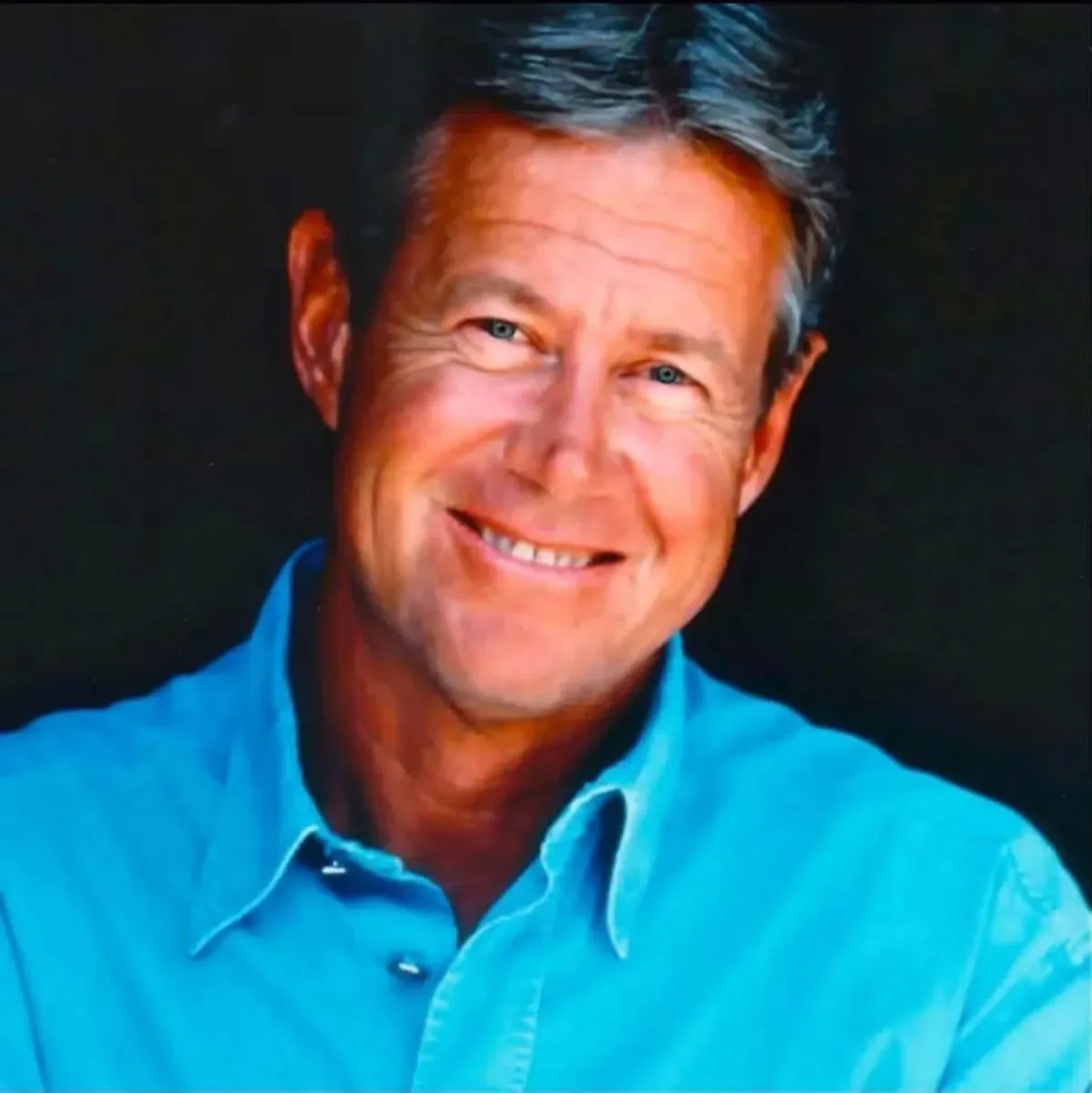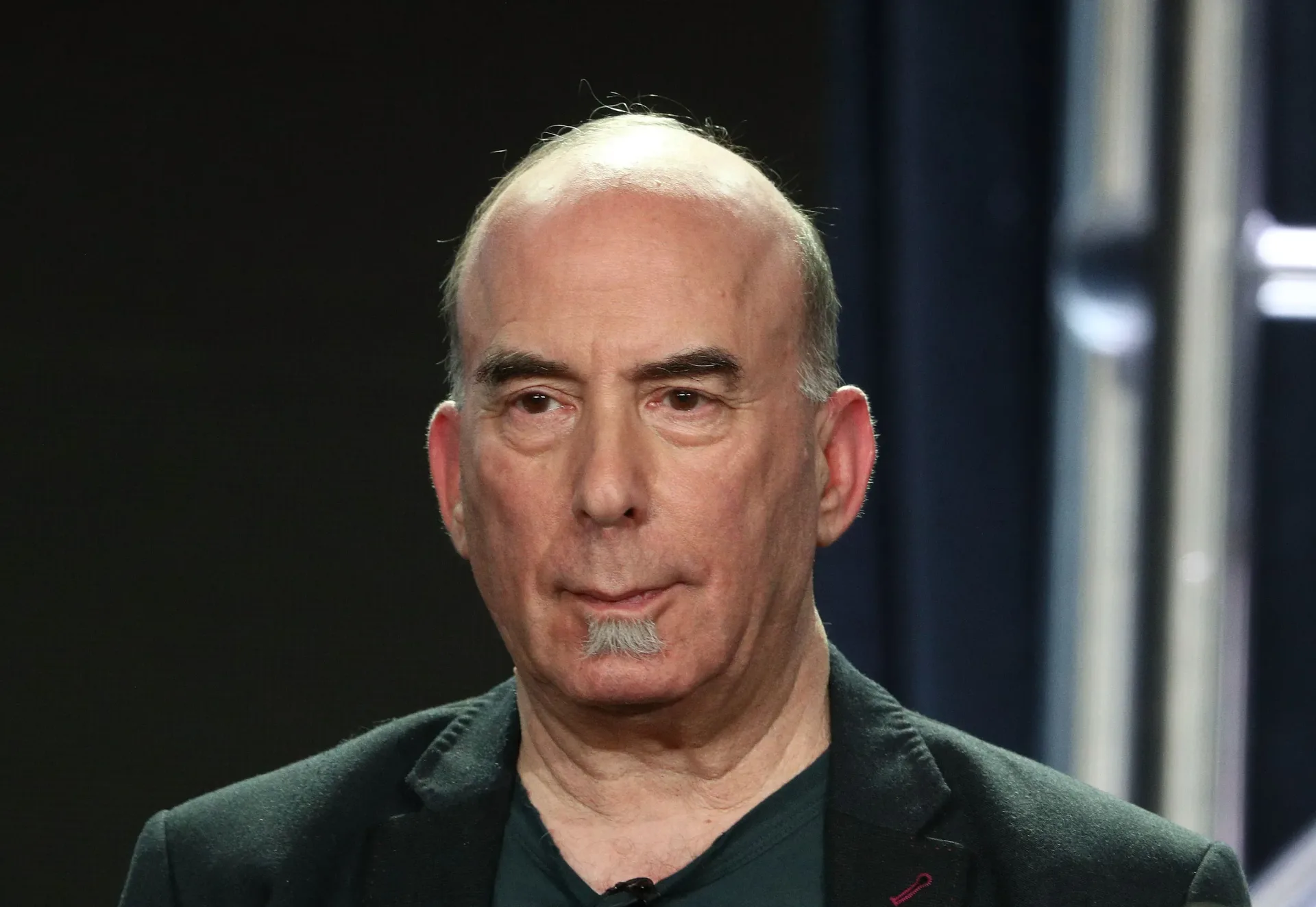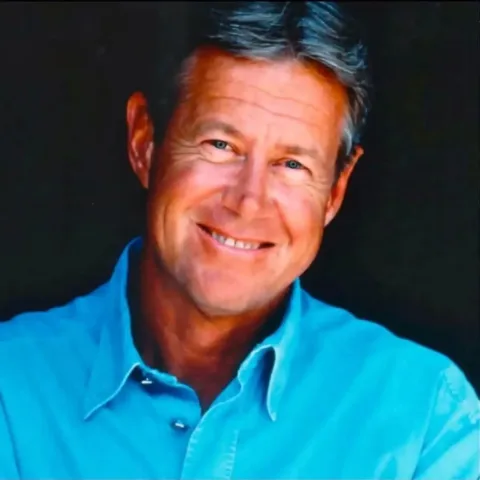
Tim O’Donnell, the television comedy writer, producer and director whose work included Growing Pains, Dave’s World and Disney Channel’s Phil of the Future, has died at 77.
O’Donnell died at his Glendale, California, home on July 27 after a three-year struggle with bladder cancer. A memorial service is planned for 2 p.m. on Oct. 25 at the Writers Guild Theater in Beverly Hills, with a livestream also expected to be available.
His career moved through two distinct but connected disciplines: local television journalism and scripted comedy. That path helps explain the breadth of the credits associated with him. Before writing narrative television, O’Donnell worked in Chicago for CBS-owned radio and TV stations, earning local Emmy Awards for news writing and on-air editorials. After returning to the West Coast, he wrote for reporter Bill Stout at KCBS-TV in Los Angeles.
The shift from news to sitcoms is notable because both forms demand economy. News writing requires a clear idea delivered quickly; multi-camera-style network comedy, even when not defined solely by that production format, depends on scenes that establish character, conflict and punch lines without wasting time. O’Donnell built a career in the writers’ rooms and production ranks where those skills are constantly tested.
For more context, explore Soulja Boy Points to French Cost-of-Living Protests as a Warning for Leaders.
A career across broadcast and family comedy
O’Donnell served as a writer, producer and director on a run of series spanning different audiences and network homes. His credits included ABC’s Growing Pains and Clueless, CBS’s Dave’s World, and CBS’s short-lived television adaptation of the John Candy film Uncle Buck. He also worked on ABC’s Home Free, which featured an early role for Matthew Perry, as well as Phil of the Future.
Those titles point to a professional life that was not limited to one show or one comic premise. Growing Pains placed humor inside a family setting; Dave’s World was built around a columnist and family life; Clueless translated a film premise into television; and Phil of the Future brought a time-displaced family concept to younger viewers. The common thread is not a single genre gimmick but the practical craft of television comedy: keeping characters legible, situations playable and episodes moving.
What a writer-director does in sitcom television: the job description can cover more than drafting dialogue. A writer helps determine story structure, character motivation and the rhythm of jokes from one scene to the next. A producer can take on responsibility for the creative and logistical process around episodes. A director turns a completed script into performances and scenes, working to make pacing, staging and comic timing land on screen. O’Donnell’s credits across those roles reflect the range of responsibilities that experienced television creators often take on over a long career.
That ability to move among writing, producing and directing matters especially in an episodic medium. Television comedy is collaborative by design: stories must work within recurring sets, established character relationships, production schedules and the needs of a continuing series. The writer-director’s value is often felt in consistency rather than authorship that calls attention to itself. It is the work of making an episode feel like it belongs to the show while still giving it a complete comic engine of its own.
Work beyond American network series
O’Donnell’s later work also extended to Sony Pictures’ efforts to develop local-language sitcom adaptations. During the 2000s, he traveled to Russia and China to help local producers work with American-style sitcom construction.
“Local-language adaptation” does not simply mean translating a script word for word. Comedy depends on context: family roles, social expectations, speech patterns and references can all affect whether a joke plays. The reported work suggests a focus on the underlying mechanics of the form—how scenes are shaped, how characters generate recurring conflict and how an episode’s comic momentum is built—rather than treating sitcom production as a package that can be copied unchanged across cultures.
That role also speaks to O’Donnell’s reputation as a practitioner who understood both the creative and business sides of television. Brian Lowry described him as an astute observer of the business who could recognize its absurdities and turn them into humor. Another account of O’Donnell’s career similarly highlights the lasting association between his name and sitcom work across generations of television viewers.
Guild service and an industry-facing role
Alongside his screen work, O’Donnell was active with the Writers Guild of America West. He served twice on contract negotiating committees and was a board member.
That service is an important part of a television writer’s professional ecosystem. Contract negotiations address the working terms that shape how writers are compensated and represented. Committee and board work is different from writing an episode, but it affects the structures around the work: the conditions under which writers build careers, participate in production and retain a collective voice in a business where creative labor is often dispersed across many shows and employers.
For viewers, that side of the profession can be largely invisible. Credits identify a writer, director or producer, but they do not normally show the industry service that supports colleagues outside the frame of a program. O’Donnell’s involvement in guild governance adds a second dimension to a career already defined by collaboration: he contributed not only to individual comedies but also to the professional organization representing writers.
Remembering a versatile TV craftsman
O’Donnell grew up in the South Bay area of Los Angeles County and attended Loyola University. Across journalism, broadcast comedy and international adaptation work, his career followed television through several types of creative labor. The transition from local-news writing to scripted entertainment was substantial, yet both fields placed a premium on observation and concise communication.
He is survived by his wife, Cara O’Donnell, to whom he was married for nearly 39 years; his four children, Kit Michelle O’Donnell Sparke, Shannon O’Donnell Provatas, Carrie O’Donnell VanAckeren and Bridget Morpurgo; and four grandchildren.
For audiences, individual episode credits can fade behind the familiarity of a show’s title and characters. O’Donnell’s body of work is a reminder that the durability of television comedy rests on experienced writers, producers and directors who keep stories and performances functioning week after week. His credits link major network sitcoms, a family-oriented Disney Channel series and work helping producers apply sitcom craft in different local contexts—a substantial record of behind-the-scenes contribution to the form.