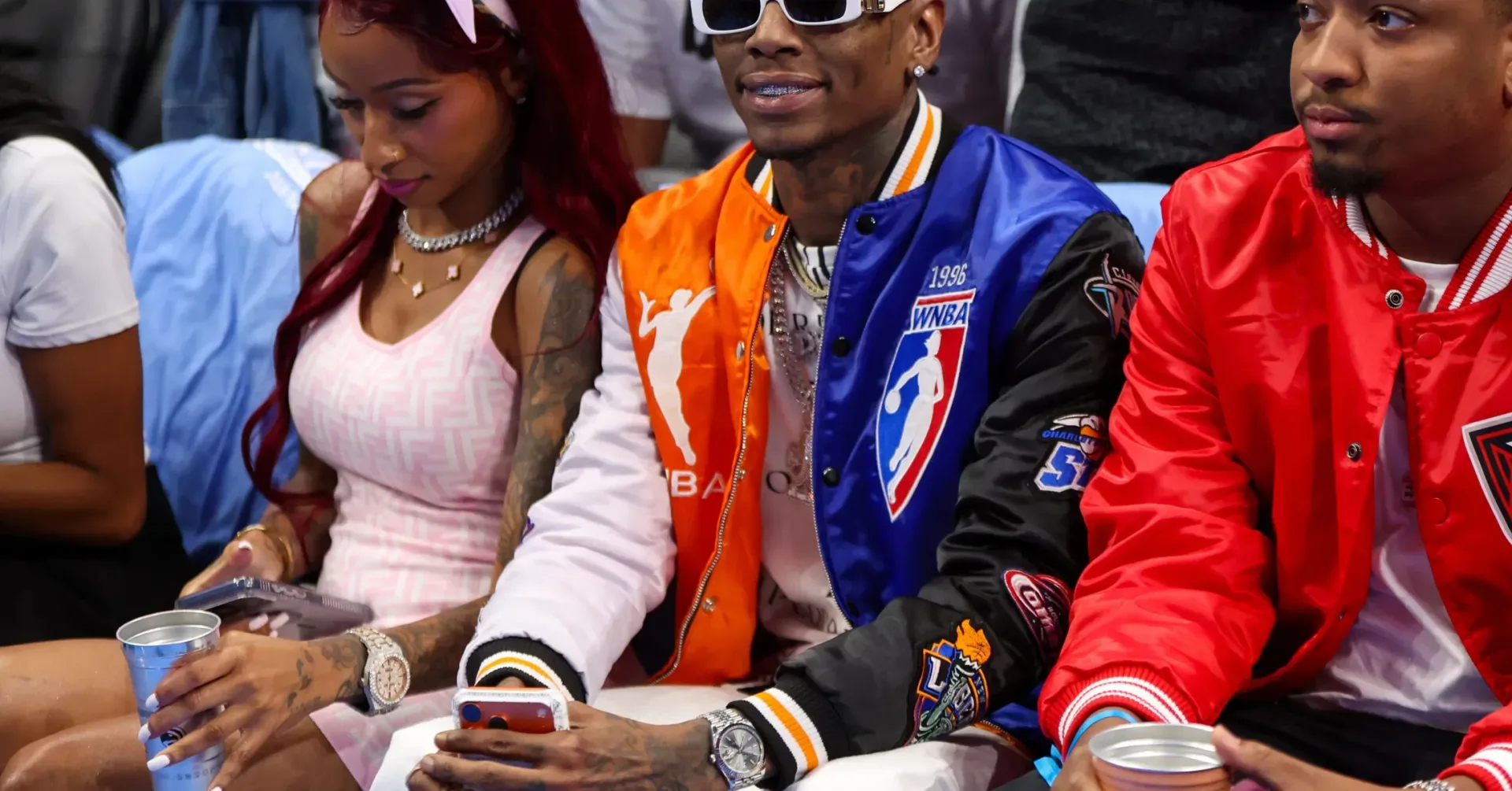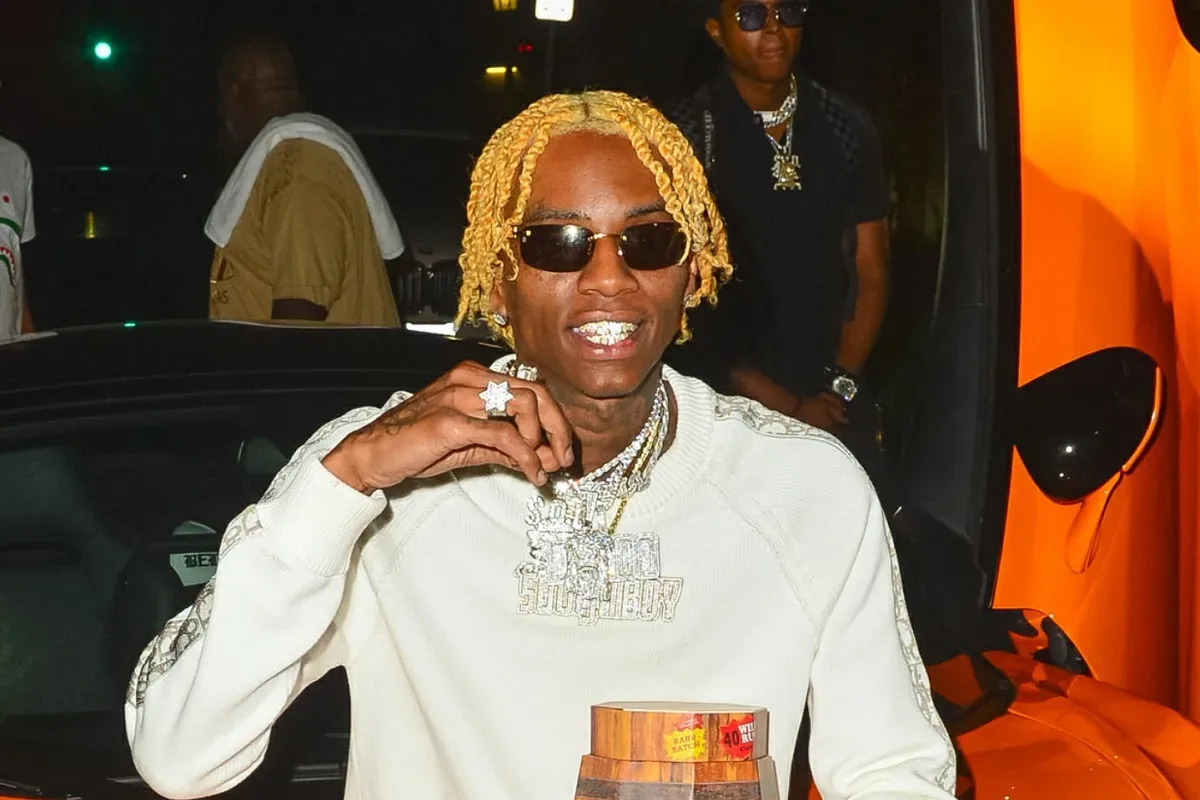
Soulja Boy has weighed in on demonstrations in France with a message aimed well beyond the country’s borders: governments should take economic frustration seriously before it escalates.
In a Sunday post on X, the rapper pointed to the squeeze created by rising prices and the experience of people working hard while struggling to make ends meet. He described events in France as a warning to the wider world, then closed with a direct appeal for governments to listen to the public before frustration becomes chaos.
It is a notable use of a celebrity platform because the post is not framed as a new song, product launch or personal feud. Instead, it centers the cost of living: the everyday relationship between what people earn and what they must spend on essentials and services. That broad concern is also at the heart of the demands outlined by the CGT union around the French mobilization.
What the demonstrations were demanding
Before Saturday’s action, the CGT backed calls for higher wages and pensions, lower prices, and public services capable of meeting people’s needs. The union said students, workers and retirees would participate where circumstances allowed, and it characterized access to health care as an essential right.
Those points matter because they show that the demonstrations were not presented as one narrow dispute. The demands connect several parts of household security:
- Wages: pay from work, and whether it keeps pace with the cost of daily life.
- Pensions: income for retirees and others reliant on pension payments.
- Prices: the expense of goods and services, particularly when increases outstrip people’s resources.
- Public services: services provided for the public, including the health-care access singled out by the union.
- Minimum social benefits: baseline support for people who need it, which the CGT included in its later demands.
In a follow-up statement on Saturday, the CGT urged the government to negotiate with student and worker unions and to address the issues through parliamentary debate. It also called for peaceful demonstrations to continue. The union’s position therefore combined pressure in public spaces with a request for formal negotiation and legislative discussion.
The CGT estimated that nearly 800,000 young people, workers, unemployed people and retirees took part in gatherings throughout France that day. That is the union’s estimate, rather than an independently established total. The organization described the activity as part of a movement that had been developing over several weeks.
Soulja Boy’s point: economic pressure has a breaking point
Soulja Boy’s post turns that set of events into a broader political observation. His argument is essentially that leaders should not treat hardship as background noise simply because it is dispersed across households. Costs, pay, pensions and services can feel like separate policy areas from inside a government. For someone balancing bills and work, however, they can arrive as one cumulative pressure.
That distinction helps explain why his comments resonated with some users. One reply recast the title of his breakout hit as “Crank that class consciousness,” a playful line that linked his musical identity to a discussion of workers and economic inequality.
Class consciousness is a political term commonly used to describe awareness of shared economic interests among people in similar social or working conditions. In the context of this exchange, the joke was not evidence of a detailed policy program from the artist. It was a response to his emphasis on people who work but are still having difficulty getting by.
The practical implication of Soulja Boy’s message is simpler than the rhetoric around it: policymakers are being urged to pay attention before dissatisfaction becomes more severe. His wording does not lay out a prescription for solving France’s disputes, and it should not be read as one. The specific remedies in the available information came from the CGT: wage and pension increases, lower prices, better public services, health-care access and stronger minimum benefits, pursued alongside negotiations and parliamentary debate.
A public-service tease adds a political frame
The post also arrives shortly after Soulja Boy floated the possibility of entering public service in 2028. He said he was exploring how his experience in music, business and technology might translate to that role.
He has identified economic opportunity, criminal justice reform, education, and technology—including artificial intelligence—as subjects of interest. Still, there is a large difference between speaking about priorities and operating a campaign. No formal campaign had been announced, no political party had been named, and no detailed platform had been released.
That uncertainty is important. Celebrity political commentary often gets treated as a launch document the moment it intersects with a potential future run. The information available here supports a narrower reading: Soulja Boy has expressed interest in public service and highlighted issue areas, while continuing to use social media to comment on events such as the French demonstrations. It does not establish a candidacy or a fully developed agenda.
His choice to foreground economic pressure nevertheless gives additional context to the themes he has mentioned. “Economic opportunity” can cover many approaches, but his France post specifically focuses on the experience of workers confronting rising prices. The CGT’s demands supply a concrete example of the sorts of distributional questions that phrase can contain: who benefits from economic growth, whether pay and pensions are sufficient, and what role public services play when costs rise.
Why the distinction between protest and policy matters
There is an easy temptation to compress a story like this into a vague narrative about unrest. That misses the stated goals of the people and groups involved. The available details point toward organized demands and a call for peaceful action, bargaining with unions, and parliamentary debate.
That does not guarantee an outcome, and the information provided does not say whether the government will accept, reject or negotiate any particular demand. But it does establish that the mobilization had an articulated economic and social agenda. It is more precise to discuss those goals than to treat the crowds only as a symbol of disorder.
Soulja Boy’s warning similarly deserves that precision. He did not announce a French policy plan. He used France as an example in a wider call for governments to hear people facing financial strain. The force of that message comes from its plain language: elected officials and institutions ignore hardship at their own risk.
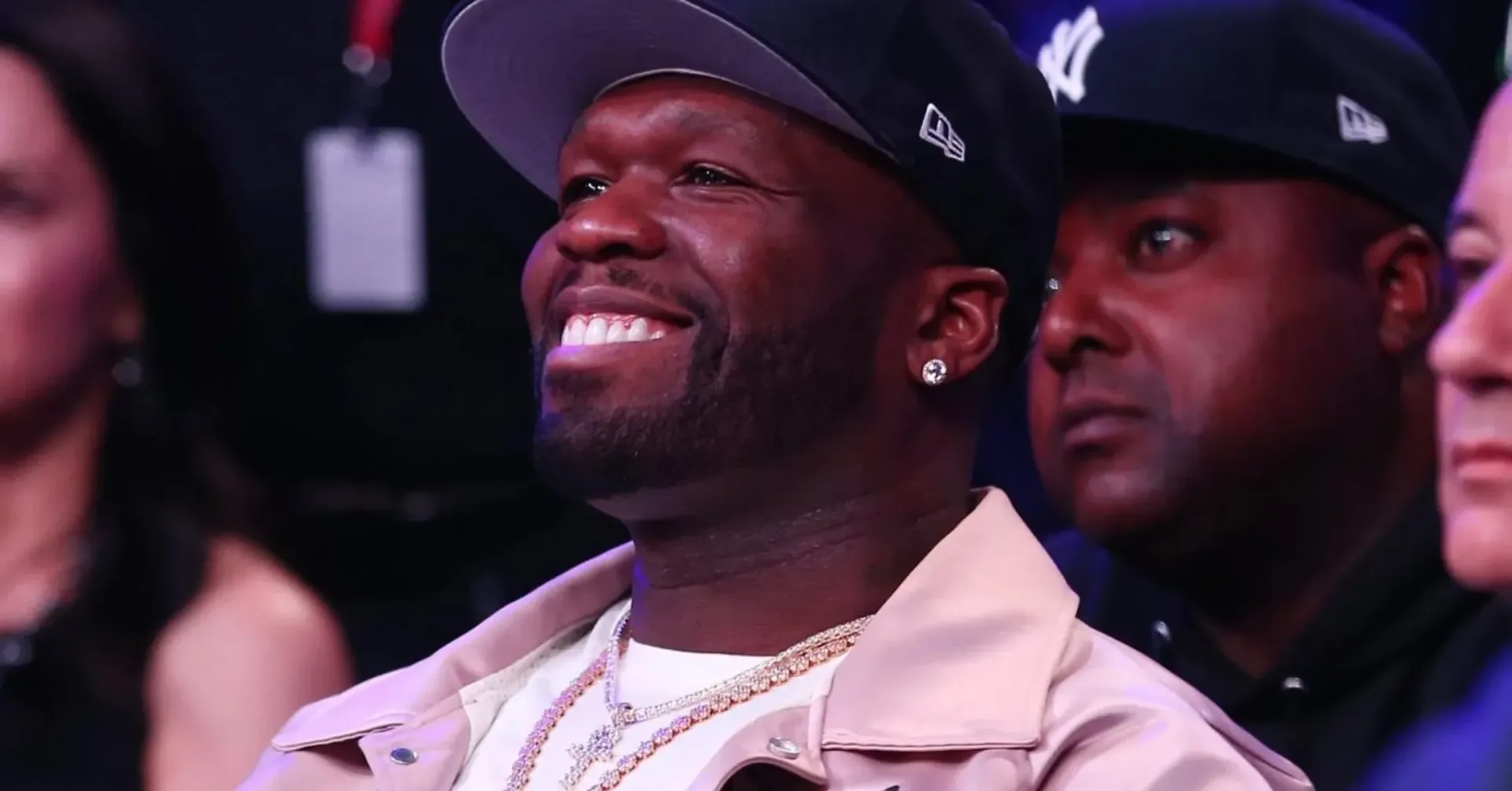
It is also another example of hip-hop figures engaging publicly with issues outside recording and performance. Soulja Boy’s comments sit in the same wider pop-culture space where artists’ biographies, business interests and social observations can all shape how audiences interpret a public statement. For another recent example of a musician reflecting on personal experience and lyrical meaning, see 50 Cent’s discussion of a defining verse and connection with Jay-Z.
What is known—and what remains open
Several elements are clear from the available reporting: Soulja Boy publicly called France a wake-up call; the CGT urged higher wages, pensions and minimum benefits, lower prices and stronger public services; and the union estimated nearly 800,000 participants in the Saturday gatherings. It is also clear that the CGT asked for peaceful protests and negotiations through parliamentary channels.
Other matters remain unresolved in the material at hand. There is no detailed account of government response, no independent participation figure, and no indication that Soulja Boy has advanced from exploring public service to an official campaign. His post is best understood as a broad warning about the human consequences of prolonged economic pressure—not proof of a finalized political program.
For now, the through line is direct. A performer known for a breakout hit turned an international demonstration into a plea for leaders to take ordinary people’s costs and concerns seriously. Whether that message becomes part of a more substantive political effort from Soulja Boy is still an open question.