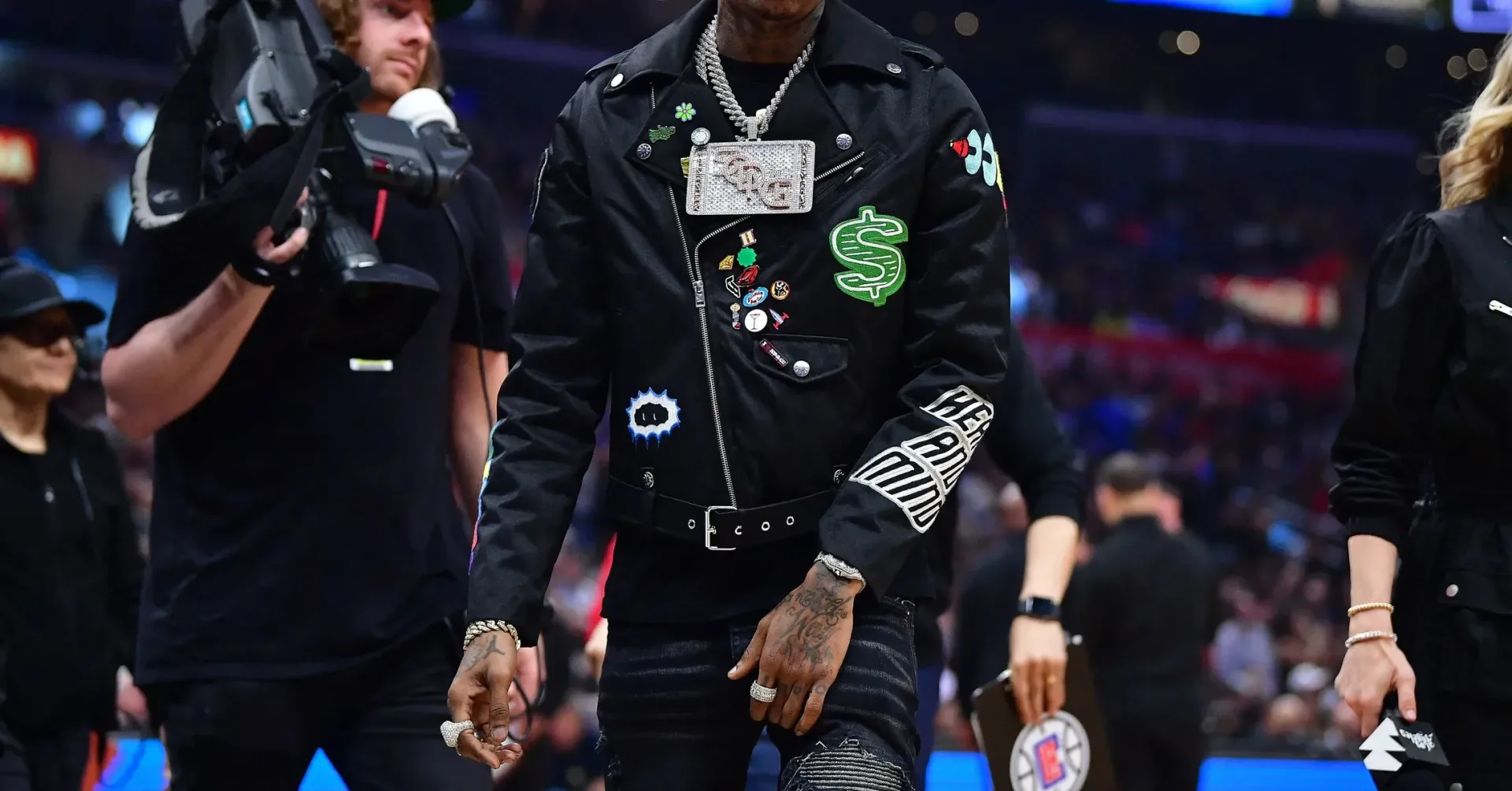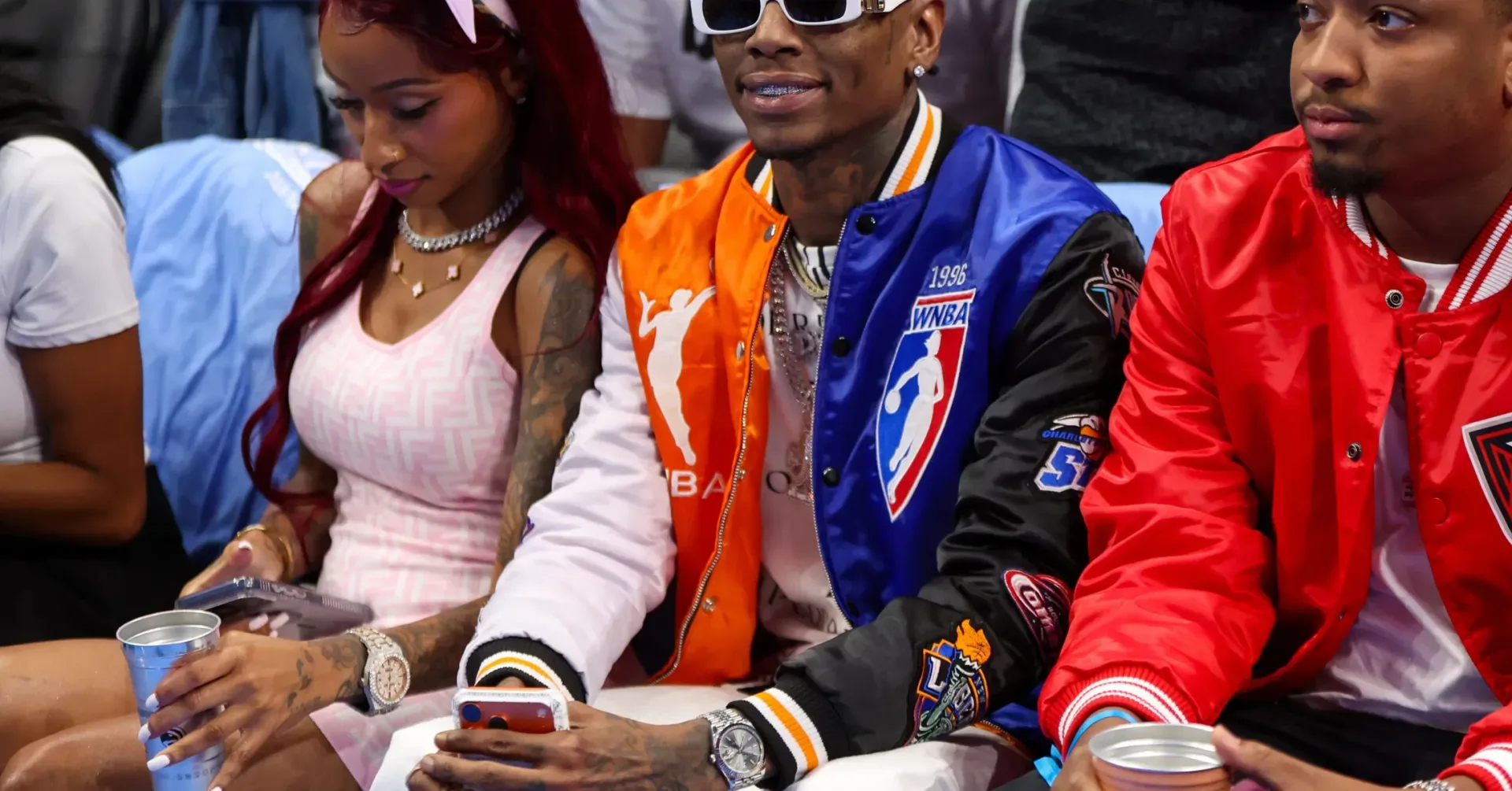
Soulja Boy has weighed in on reports of demonstrations in France tied to frustration over the cost of living, arguing that governments should take public anger seriously before it escalates. The rapper characterized the events as a broader warning, centered on the strain felt by people who work yet still struggle to meet everyday expenses.
“What’s happening in France is a wake-up call to the entire world. The cost of living keeps rising while everyday people struggle to survive. People are tired of working hard just to barely get by. Governments need to start listening to the people before frustration turns into chaos.”
The comments are notable less because they lay out a policy program than because Soulja Boy has also said he wants to run for president of the United States in 2028. That stated ambition makes his remarks on living costs part of a wider political posture, even if there is no indicated campaign platform or specific proposal attached to them.
What Soulja Boy is saying
The core of Soulja Boy’s statement is a simple argument: when costs rise faster than ordinary people’s ability to keep up, frustration does not stay abstract. A “cost-of-living crisis” is a broad term for precisely that pressure. It refers to the difficulty of paying for essential daily needs when prices climb, incomes fail to stretch as far as they once did, or both conditions occur at the same time.
His wording focuses on people “working hard” and “barely get[ting] by.” That distinction matters. The concern is not only unemployment or a lack of work; it is the feeling that employment itself may not provide sufficient financial security. In political terms, that kind of message can travel easily because it is rooted in a basic question many voters ask: whether their earnings can support a stable life.
Soulja Boy’s response came amid reports that large demonstrations had broken out in France, with young residents described as particularly angered by living costs. The available account also describes destruction involving businesses, cars and streets. It does not establish a single cause, a complete timeline, a verified count of participants, or the full range of motivations behind the protests. Those distinctions are important: a celebrity’s reaction can identify a widely felt theme without serving as a complete explanation of a complex public event.
Protest, pressure and the limits of a broad message
Soulja Boy’s message does not endorse property destruction. Instead, it presents frustration as the condition that can precede “chaos” when people believe leaders are not listening. That is a political warning rather than a detailed diagnosis.
There is a meaningful difference between recognizing economic distress and explaining how to address it. The first can be expressed in a few sentences: costs are high, people are struggling, and officials should listen. The second requires choices about which costs matter most, who is affected, what trade-offs are acceptable, and what powers a government actually has to act.
None of those details are provided in Soulja Boy’s comments. There is no stated plan for housing, wages, food prices, taxes, energy, public transportation, consumer protections, or any other component that might be associated with the cost of living. There is also no outlined response to public disorder. As a result, the statement is best understood as an expression of solidarity with people under financial strain and a call for governments to pay attention—not as a developed policy agenda.
Why the phrase “cost of living” carries political weight
“Cost of living” is often used as a catch-all phrase, but it concerns the recurring expenses that shape daily life. It can include the basics needed to live, though the specific pressures can differ from person to person. Someone may feel squeezed by housing; another may be focused on transport, groceries or energy. The phrase is politically powerful because it turns economic conditions into immediate personal experience.
For public figures entering political conversations, it also presents a challenge. A general statement about hardship is easy to understand, but it does not answer how competing needs should be prioritized. A proposal intended to ease one expense can have effects elsewhere. That is why public concern and public policy should not be treated as interchangeable. Soulja Boy has clearly voiced the former; the latter remains unclear.
A rapper’s political signal, not a campaign blueprint
Soulja Boy’s public persona has long been associated with boldly staking claims about being first. His comments on France extend that familiar instinct into a more serious arena. He has stated that he wants to seek the U.S. presidency in 2028, a path previously pursued by Kanye West in 2020 without success.
Wanting to run and operating a viable campaign are different things, and the available information does not indicate any campaign organization, ballot effort, platform document, or formal policy team. It would therefore be premature to read one statement about France as evidence of an established presidential platform.
Still, the remarks show an effort to connect a recognizable celebrity voice to a subject with everyday stakes. That is not unique to one entertainer. Public figures frequently use their audiences to spotlight social concerns, while audiences in turn judge whether the intervention is meaningful, sufficiently informed, or merely reactive. The useful measure is not whether a celebrity is allowed to comment. It is whether their words clarify the issue, point toward constructive action, or meaningfully develop over time.
At this stage, Soulja Boy’s contribution is an appeal for leaders to listen before pressure becomes more volatile. It is emotionally direct and politically legible, but deliberately broad. Readers looking for concrete answers will not find them in the statement itself.
The international context should be handled carefully
The reaction also touches on a recurring temptation in public debate: to reduce rising costs to one event or one overseas conflict. The account surrounding Soulja Boy’s remarks raises the possibility that the Iran war and the Russia-Ukraine conflict could affect oil costs. However, it provides no evidence establishing a direct causal chain between those conflicts and the particular demonstrations in France, nor does it show that Soulja Boy made that argument himself.
That gap matters. Energy prices can be politically sensitive, and conflicts can be discussed in connection with economic uncertainty, but a credible explanation of living-cost pressures requires evidence specific to the place and period under discussion. It should not be assumed from a brief celebrity comment or from a speculative suggestion about what a future candidate might do.
Keeping those claims separate also makes the story clearer. The confirmed element is Soulja Boy’s own position: he sees the unrest described in France as an alarm for governments facing public anxiety over rising costs. The unresolved elements include the precise drivers of the protests, the solutions he would support, and how—or whether—his stated 2028 ambitions become an organized political effort.
What comes next
For now, the comments function as a political signal rather than a plan. They place Soulja Boy on the side of people who feel the economic system is asking more of them while giving less back, and they urge governments to respond before anger hardens into disorder.
Whether that position becomes more than a moment of commentary depends on what follows. If he continues discussing a 2028 run, the central questions will be practical: Which costs does he believe government should tackle? What measures would he support? How would he address the limits and trade-offs involved? Until those answers emerge, his remarks on France remain a concise intervention on an international news event, delivered by an artist increasingly willing to speak in political terms.
For another look at how rap-world conversations can move between personal identity, public audiences and broader social questions, see this discussion of Big30, Pooh Shiesty and Gucci Mane’s 1017.