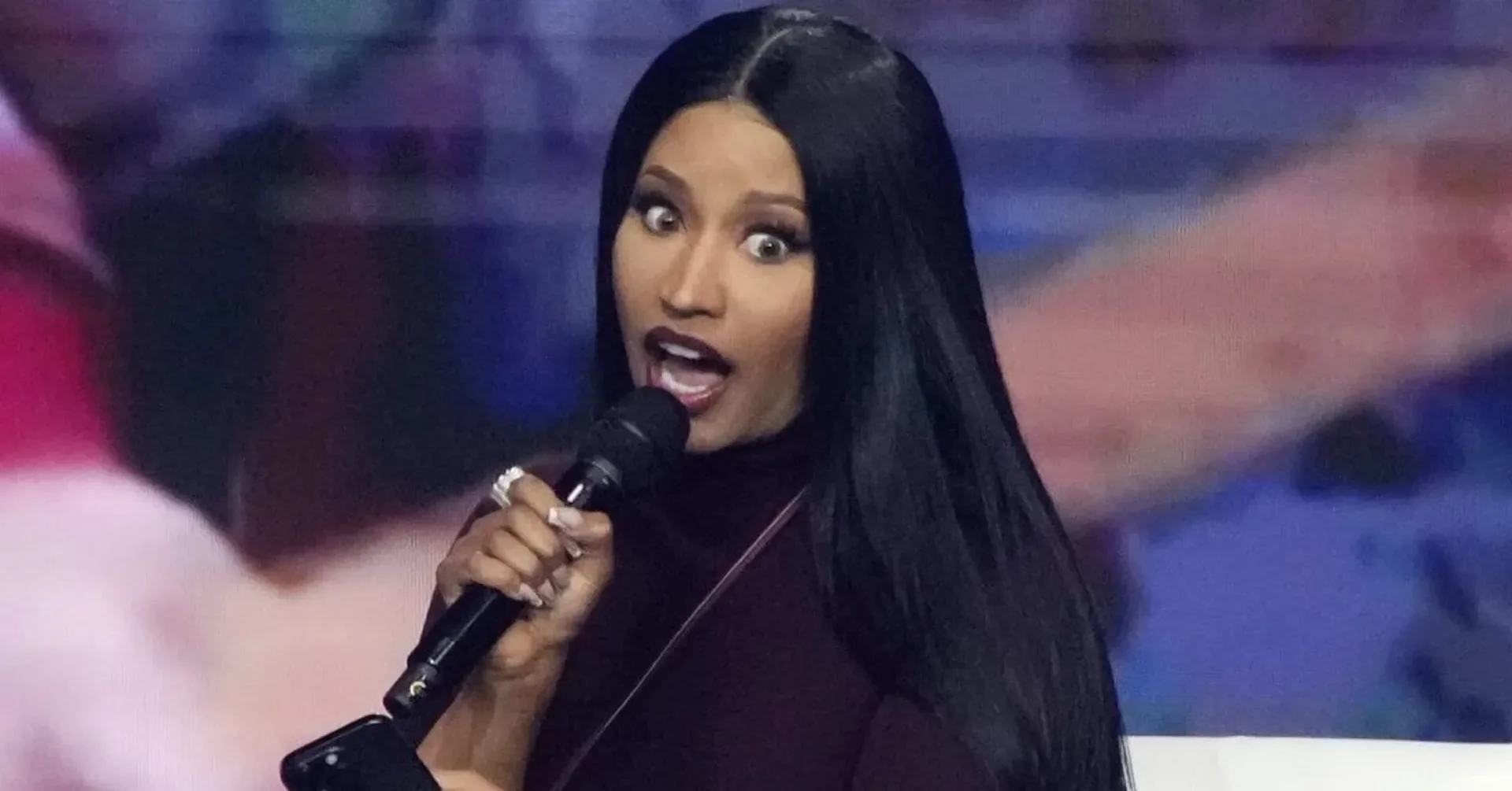
Nicki Minaj has again made her support for President Donald Trump unmistakable, using an interview with Lara Trump to explain why she finds his public persona compelling and why she believes media coverage has distorted how many people see him.
The musician’s argument was not built around a specific policy debate. Instead, she focused on the qualities she associates with Trump’s public image: consistency, candor and a larger-than-life presence that, in her view, predated the internet’s modern idea of going viral.
Minaj described Trump as someone who has remained recognizably himself in public. She argued that people who now voice objections to him may not be expressing their real feelings, saying that political and cultural pressure can influence what people are willing to say openly.
That is a broad claim about public opinion, and it is important to distinguish it from evidence about individual voters, entertainers or audiences. In the interview, Minaj was explaining her own perspective rather than presenting polling or a policy case. Her central point was that authenticity matters to her more than the expectations of an entertainment industry that she portrayed as broadly hostile to Trump.
Authenticity is the center of Minaj’s case
Minaj said she sees Trump as unusually direct for a president, characterizing his approach as candid and unedited. For her, that quality answers a larger question about public trust: whether people feel they know who political leaders actually are.
“Authenticity” can be a slippery political term. It does not necessarily mean a speaker is correct, transparent about every issue or free of strategic messaging. More often, it describes the audience’s sense that a public figure is speaking in a distinctive, familiar voice rather than reciting a carefully managed script. Minaj’s remarks fit that latter meaning. She is responding to a style of communication and to the feeling that Trump’s personality is visible in a way she considers refreshing.
Her comments also show how celebrity political endorsements can operate differently from endorsements rooted in legislation or party platforms. A celebrity may be drawn to a candidate’s perceived personality, a particular personal encounter, ideology, cultural affinity or all of those factors at once. Here, Minaj emphasized character and media representation.
That distinction matters because audiences may agree with a celebrity’s assessment of a public figure’s demeanor without sharing the same political conclusion. Conversely, critics may reject Minaj’s characterization while still recognizing that a celebrity with a large and committed audience can make a political intervention feel more consequential than an ordinary social-media post.
Related coverage includes Nicki Minaj Explains Her Trump Support in Lara Trump Interview.
Her criticism of the media centers on repetition
The sharpest part of Minaj’s argument concerned the press. She said repeated falsehoods can become accepted as truth, particularly for people she described as young or uninformed. She compared the situation to seeing inaccurate statements about oneself every day without having a practical way to answer each one.
In communication terms, Minaj is describing the power of repetition: the idea that a message can feel familiar through frequent exposure, even when a person has not independently verified it. That is a concern that extends well beyond any one politician or news organization. It is also a reason readers and viewers should separate a claim from the evidence offered for it, seek the original interview or underlying document where possible, and compare competing accounts rather than relying on a single clip or headline.
But criticism of “the media” is itself extremely broad. News organizations, broadcasters, commentators, social-media accounts and individual reporters do not operate as one unified voice, and a dispute over coverage should be examined case by case. Minaj’s comments convey frustration with what she sees as a sustained political narrative; they do not, on their own, establish that every critical report about Trump is inaccurate.
The interview also referenced conflict over White House press access involving CNN, MS Now and Politico. The supplied account says a federal judge ruled that blocking those outlets was unconstitutional. That episode underscores why debates about coverage are not only about tone or trust. Press access concerns the ability of journalists to ask questions, observe officials and inform the public, while political figures and their supporters may dispute how that reporting is framed or received.
A public stance that Minaj says she will not soften
Minaj’s appearance makes clear that this was not a reluctant or vague expression of support. She spoke directly about Trump, pushed back against his critics and suggested that opposition has strengthened rather than weakened her resolve.
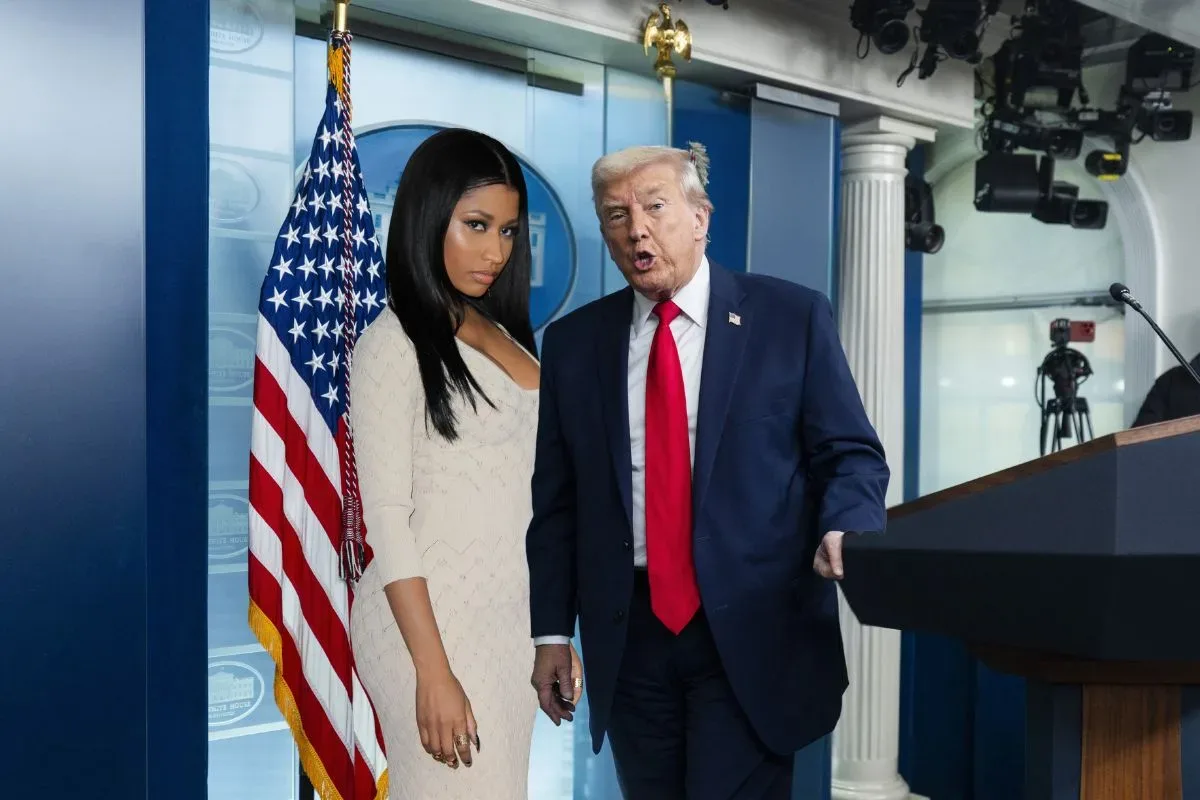
The supplied material also says Minaj has appeared at White House events and has been selected to judge a Trump small-business competition. Those activities place her support beyond commentary alone, linking it to visible participation in events connected to the administration.
For fans, the practical takeaway is straightforward: Minaj is presenting her political views in her own voice and does not appear interested in diluting them to avoid backlash. That can create friction in any fan community, especially when an artist’s music and public persona have long invited a wide range of interpretations. It can also prompt worthwhile scrutiny of where an entertainer’s personal politics end and formal involvement with political projects begins.
Celebrity political expression has become a recurring pop-culture story precisely because the audience relationship is unusually direct. Musicians do not need a campaign ad or a traditional press conference to reach millions; an interview, performance appearance or post can move instantly through fan spaces and political feeds alike. The result is often a debate that is partly about the elected official and partly about whether fans expect artists to reflect their own values.
Minaj’s comments arrive within that larger dynamic. She is not simply saying that she supports Trump. She is explaining that she believes critics misunderstand his appeal, and that she sees media repetition as a major reason for that misunderstanding. Readers assessing those claims should keep the categories clear: personal impressions of authenticity, arguments about media practice and verifiable factual assertions are not interchangeable.
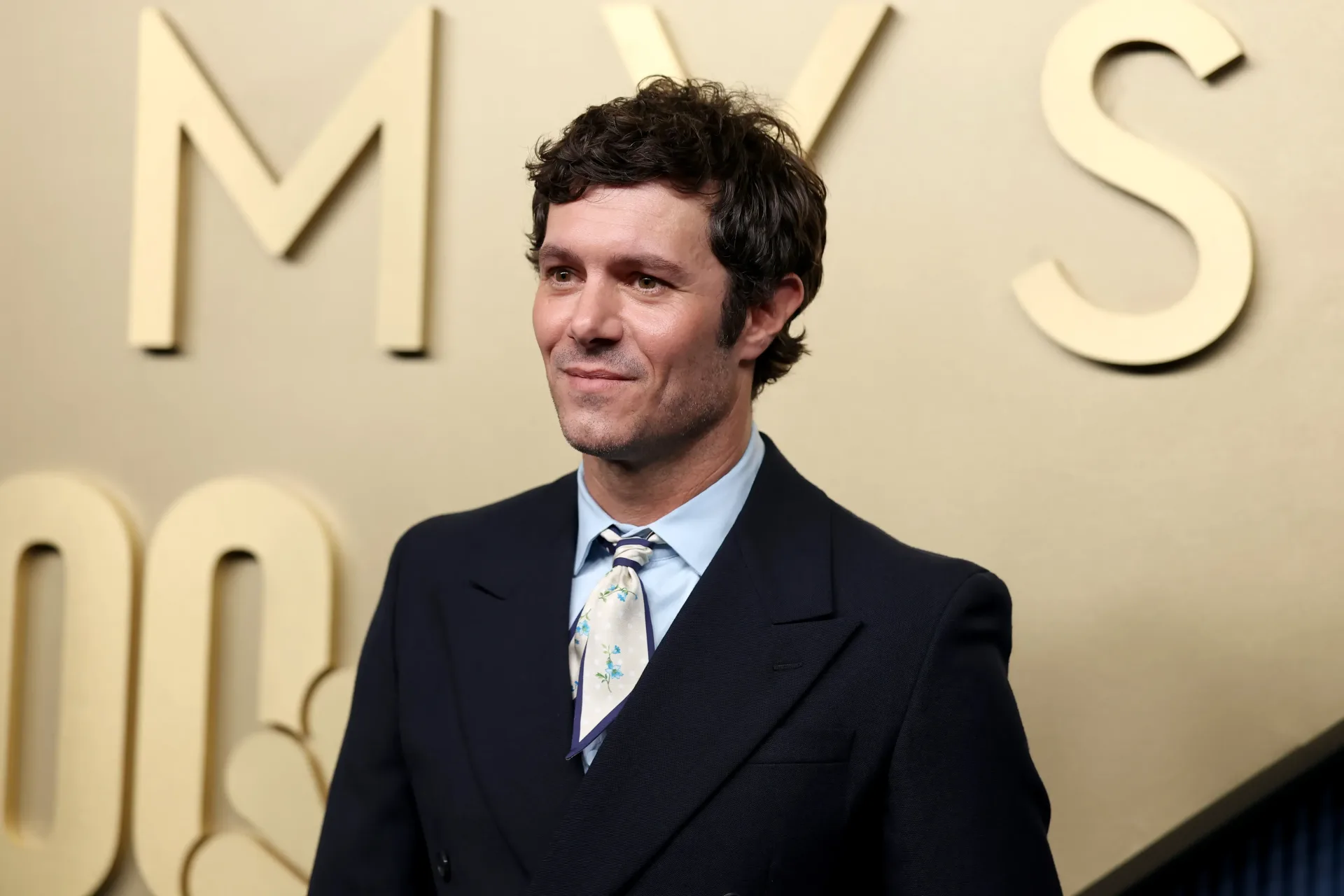
Political conversations involving entertainers can become intensely personal, but they are still best approached with the same standards people should apply to any public claim: check what was actually said, identify what is opinion, and look for evidence before treating a repeated narrative as settled fact. For another example of how performers navigate political discussion in public appearances, see our coverage of Adam Brody’s comments on politics in press appearances.