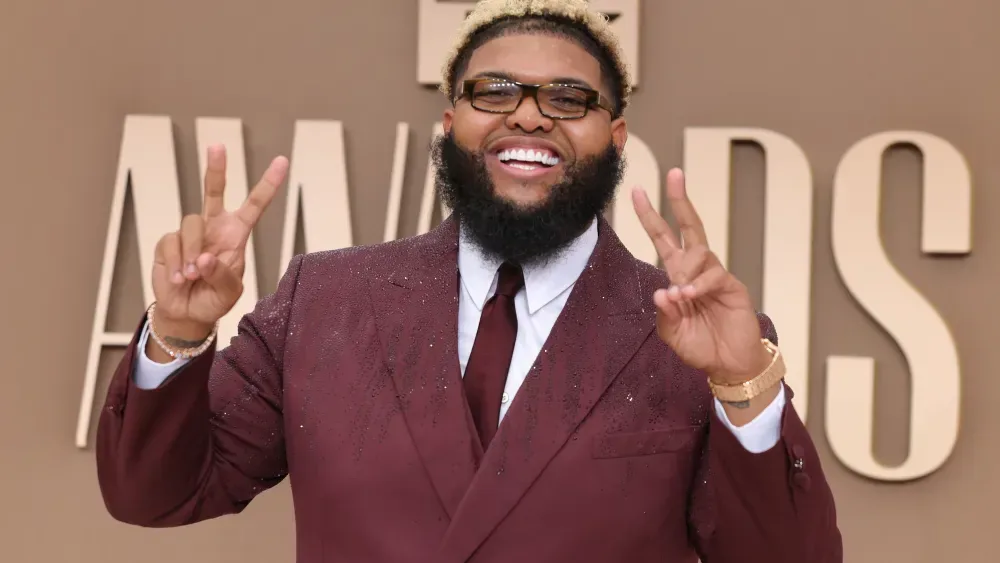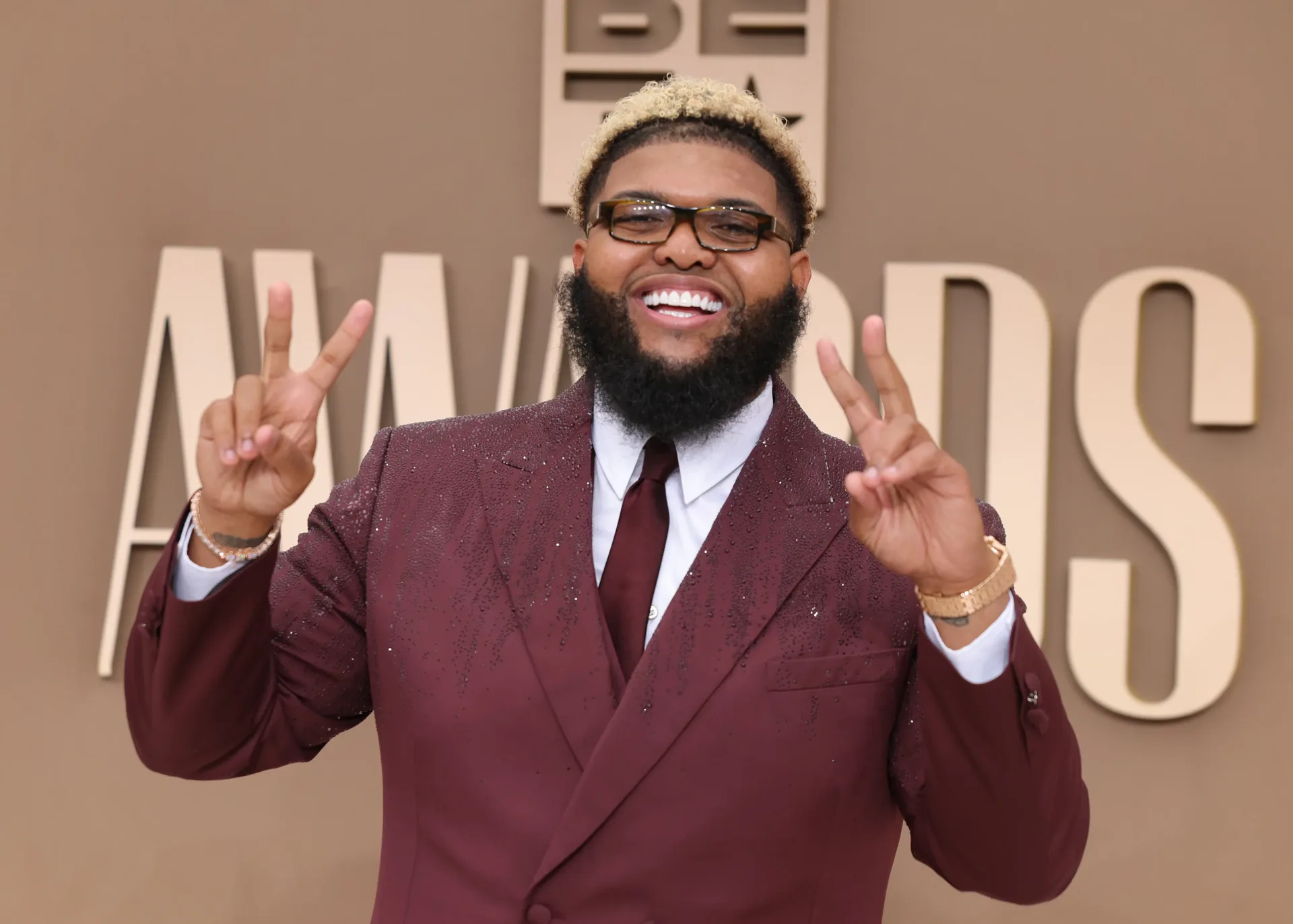
Comedian and internet personality Druski, whose real name is Drew Desbordes, is set to host Saturday Night Live on Nov. 7. The booking is a notable first for the program: Druski will be the first creator identified primarily with online comedy to host the live sketch show.
That distinction matters because hosting SNL is a very particular kind of comedy assignment. It is not simply a stand-up set, a filmed sitcom appearance, or a social-media sketch released after editing. The host must move through a live broadcast, deliver an opening monologue, learn and perform in several short sketches, work within a permanent ensemble, and handle the unpredictable rhythm of a show that can change close to airtime. Druski’s Nov. 7 episode will put an internet-built comedy persona into one of television’s most demanding traditional formats.
What the milestone says about comedy’s changing pipeline
An online creator is an entertainer whose audience has been built substantially through internet platforms and digital-first work, rather than chiefly through the established routes of television, film, touring stand-up, or recorded music. That label does not suggest one style of comedy. Online comedians can make character pieces, observational videos, improvised bits, interviews, scripted sketches, or short-form recurring series. What links them is a direct relationship with an audience developed in digital spaces.
Druski’s selection places that kind of career path squarely in the host role on a broadcast institution built around weekly, live sketch comedy. It is a useful reminder that the lines between “internet comedian” and “television comedian” are increasingly porous. The performance languages are not identical, though. Online material can be tightly controlled and repeatedly refined before it reaches viewers. A live sketch show, by contrast, makes timing, missed cues, audience response and the occasional on-air surprise part of the experience.
For viewers, the episode should be less about treating Druski as an outsider entering TV than seeing how a creator with a digital-native following fits the show’s machinery. The key question is practical: which qualities that work in his usual comedy translate most naturally to an ensemble production with live staging, costume changes and a fixed broadcast window?
A Season 52 booking with several kinds of star power
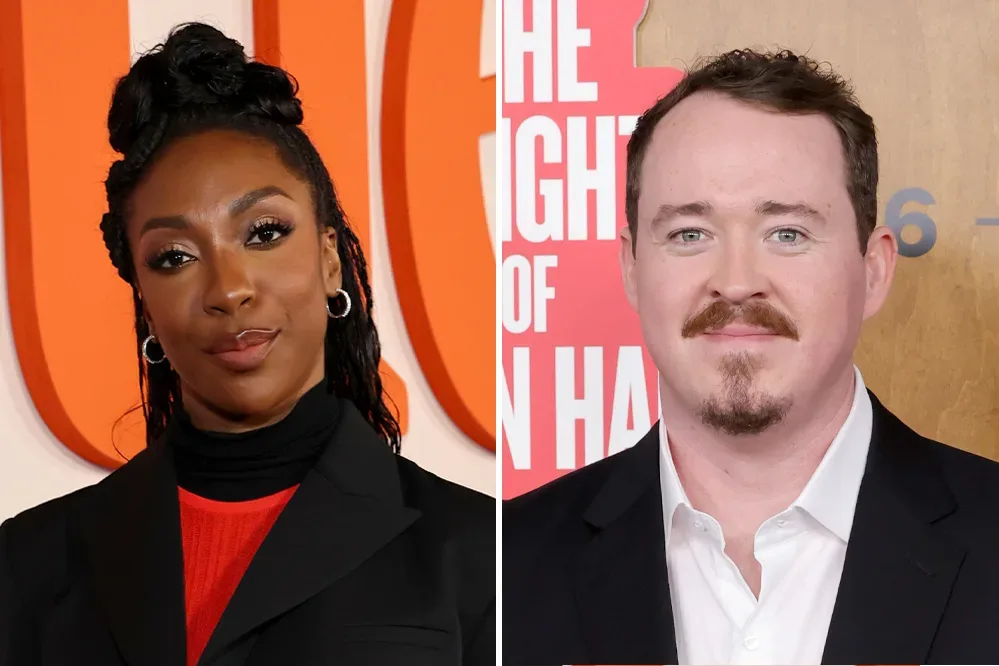
Druski joins a Season 52 host lineup that has already included basketball player Jalen Brunson, actor Dakota Johnson and comedian Shane Gillis. The range is part of the familiar appeal of a host-driven sketch show. Each episode arrives with a different public persona, career background and audience expectation, giving the cast new material to play against.
The season’s premiere aired Sept. 26. Its host roster also includes Indie Navarette, known for Obsession, who is set to host the Halloween episode alongside musical guest Gracie Abrams. Earlier musical guests have included Katseye, Turnstile and Rosalía.
Musical guests have not been identified for Druski’s Nov. 7 episode in the information currently available. That is worth keeping clear: the host booking is the confirmed detail here, while the rest of an SNL episode’s on-air shape—its sketches, characters, cameo possibilities and musical slot—cannot be assumed in advance.
Related coverage includes Druski Will Host ‘Saturday Night Live’ on Nov. 7.
Why live sketch comedy is its own test
It is easy to reduce an SNL appearance to a celebrity hosting gig, but the job is closer to an intensive collaboration. The host becomes a recurring performer for one night, joining cast members across premises that may demand broad physical comedy, straight-man reactions, impressions, commercial parodies or deliberately heightened characters. Whether the episode is remembered for a single viral moment or several quietly effective sketches often depends on how comfortably the host can make the cast’s work feel shared.
That does not mean a host needs a conventional acting résumé to succeed. The useful skills are more specific: adaptability, rhythm, willingness to be the butt of a joke, an ability to establish a character quickly, and enough calm to recover when live television behaves like live television. An online comedian may arrive with experience in short-form pacing and immediate audience recognition. The different challenge is making that timing work in sketches whose tone, length and partner dynamics can change from scene to scene.
There is also a distinction between viral and live comedy. A viral moment is a clip, line or surprise that travels widely after broadcast. Live comedy is the full act of building a scene for the audience watching at that moment, including pauses, reactions and the possibility of error. The two can overlap, but one should not be mistaken for the other. Druski’s episode will be evaluated first as a complete broadcast, even if individual clips later take on a life of their own.
Season 52 has already generated conversation
Season 52 has not lacked moments that spread beyond the program itself. During Gillis’ episode, an accidental profanity occurred in a Dr. Seuss sketch. His opening monologue also prompted criticism over misogynistic remarks. Actor Dan Levy later posted on Instagram that he was speechless that material like it could appear on live national television.
Elsewhere, the Oct. 3 episode included a surprise appearance by Taylor Swift, who interrupted Johnson’s monologue to play her breakup therapist. Such unannounced guest appearances are part of the show’s long-running ability to turn a weekly episode into an event, but they remain surprises precisely because they are not routine promises to the audience.
The contrast among these moments illustrates the unusually broad public conversation that can surround a single comedy series. The same season can produce a cameo that energizes fans, a sketch mistake that becomes a clip, and a monologue that triggers criticism. Druski is entering that environment at a moment when the show remains capable of becoming a major talking point far beyond its regular audience.
The cast context behind the host booking
Season 52 also introduced two new cast members: Grace Reiter and Saidah Belo-Osagie. Reiter is a stand-up comedian and actor who built a sizable following on TikTok and YouTube before appearing in Tim Robinson’s HBO comedy series The Chair Company. Belo-Osagie is a Brooklyn-based Nigerian American filmmaker and comedian, as well as the creator of the event series Afrobeats Futura and the solo show Saidah Gets Closure.
The additions are relevant to Druski’s hosting news because they underline a wider mix of creative backgrounds within the season itself. Reiter’s digital audience-building experience is not the same as Druski’s host role, but it adds another connection between online-era comedy and a legacy sketch format. Belo-Osagie brings filmmaking, live-event and solo-performance experience into the ensemble. A show built from different comic disciplines can give a guest host more possible routes into an episode.
With the exceptions of Chloe Fineman, Bowen Yang and Martin Herlihy, the Season 51 cast returned for Season 52. That degree of continuity means Druski will be working with an ensemble that largely carried over from the prior season, while new performers add fresh voices to the mix.
What not to read into the announcement
The Nov. 7 date confirms a hosting assignment, not a preview of specific sketches or a declaration that all future hosts will come from the same career lane. It does, however, establish a visible precedent: an entertainer whose identity is rooted in internet creation can lead the show for a full night.
It would also be premature to frame the booking as a verdict on whether online creators perform better or worse than hosts from film, sports, music or stand-up. The format changes with the individual. A host’s strongest contribution might be an opening monologue, a recurring character, a single sharply cast sketch, or simply the ability to make an ensemble scene feel more energetic. Those results can only be judged after the broadcast.
For now, the clearest takeaway is that Druski’s appearance expands the list of paths that can lead to the SNL stage. In a season already combining athletes, actors, stand-ups, pop-culture surprises and newly added performers, the Nov. 7 episode adds an online-comedy milestone to the schedule.
For more on the expanding overlap between platform-built talent and established entertainment formats, see our coverage of HBO’s two-season order for Merrick & Treves.