Warning: This article discusses plot details from The Rings of Power season 3 through episode 6.
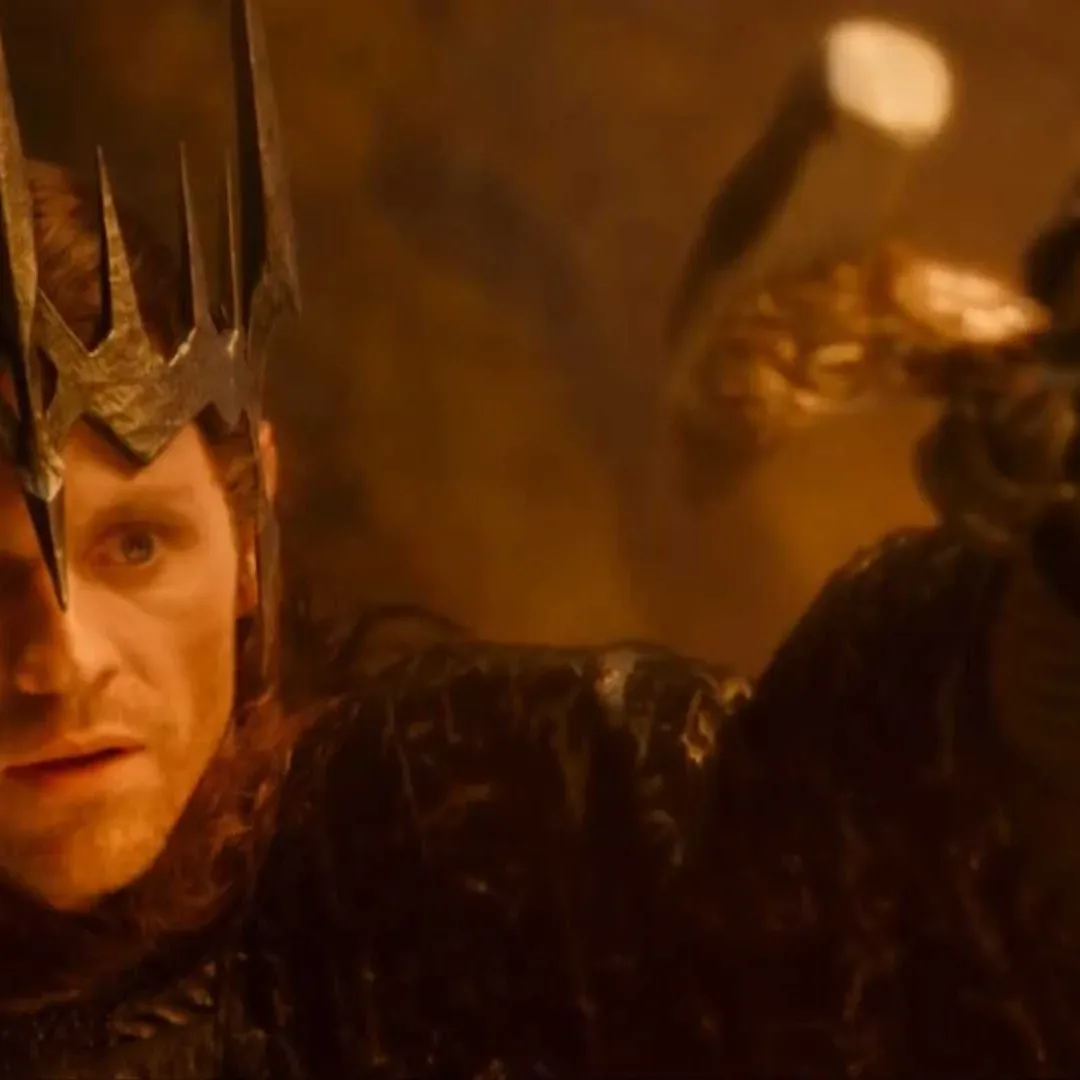
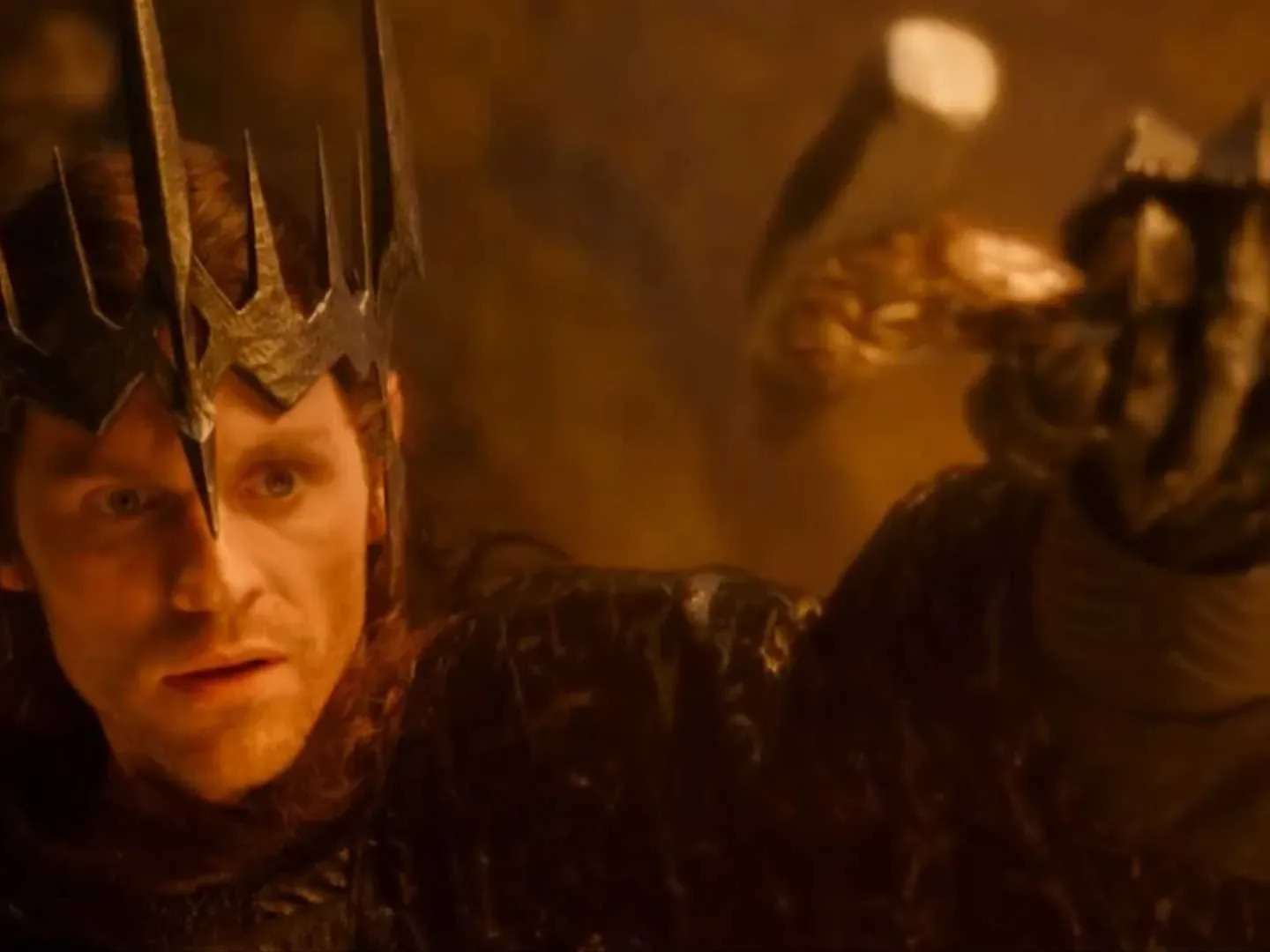
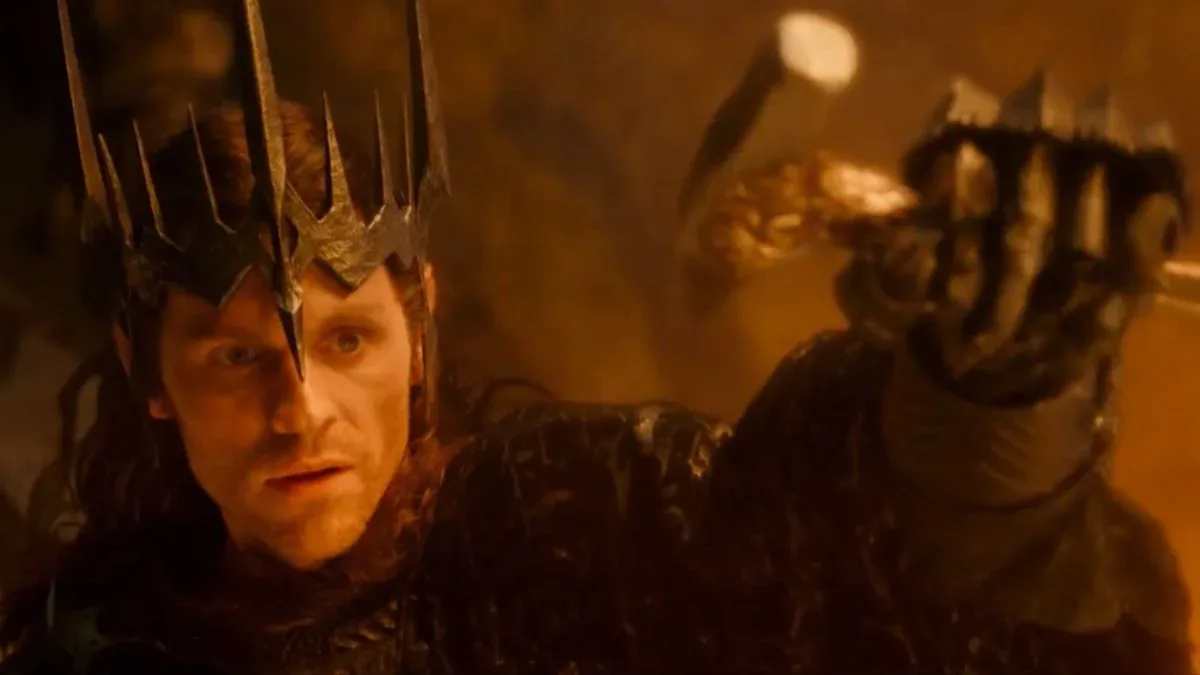
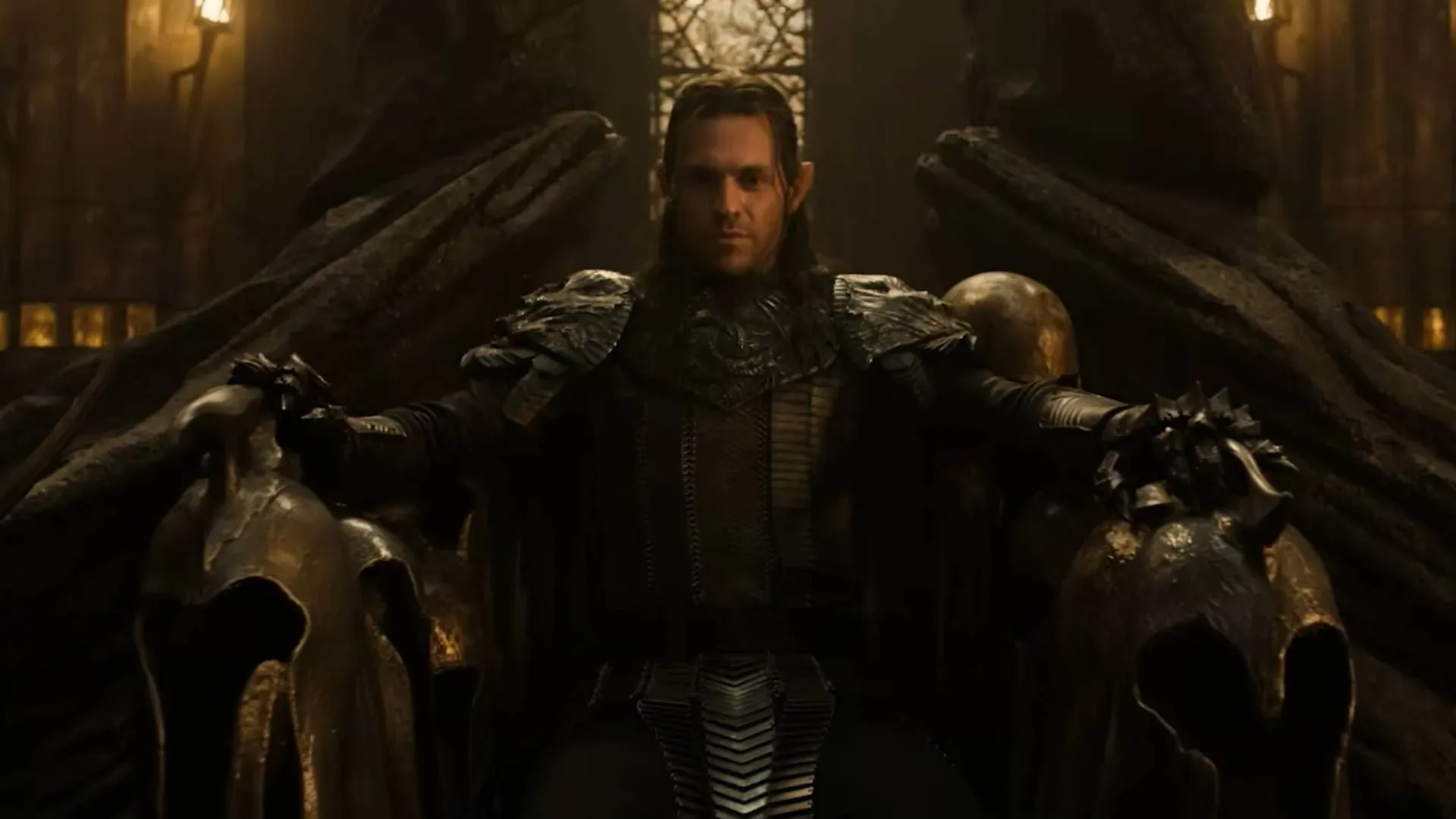
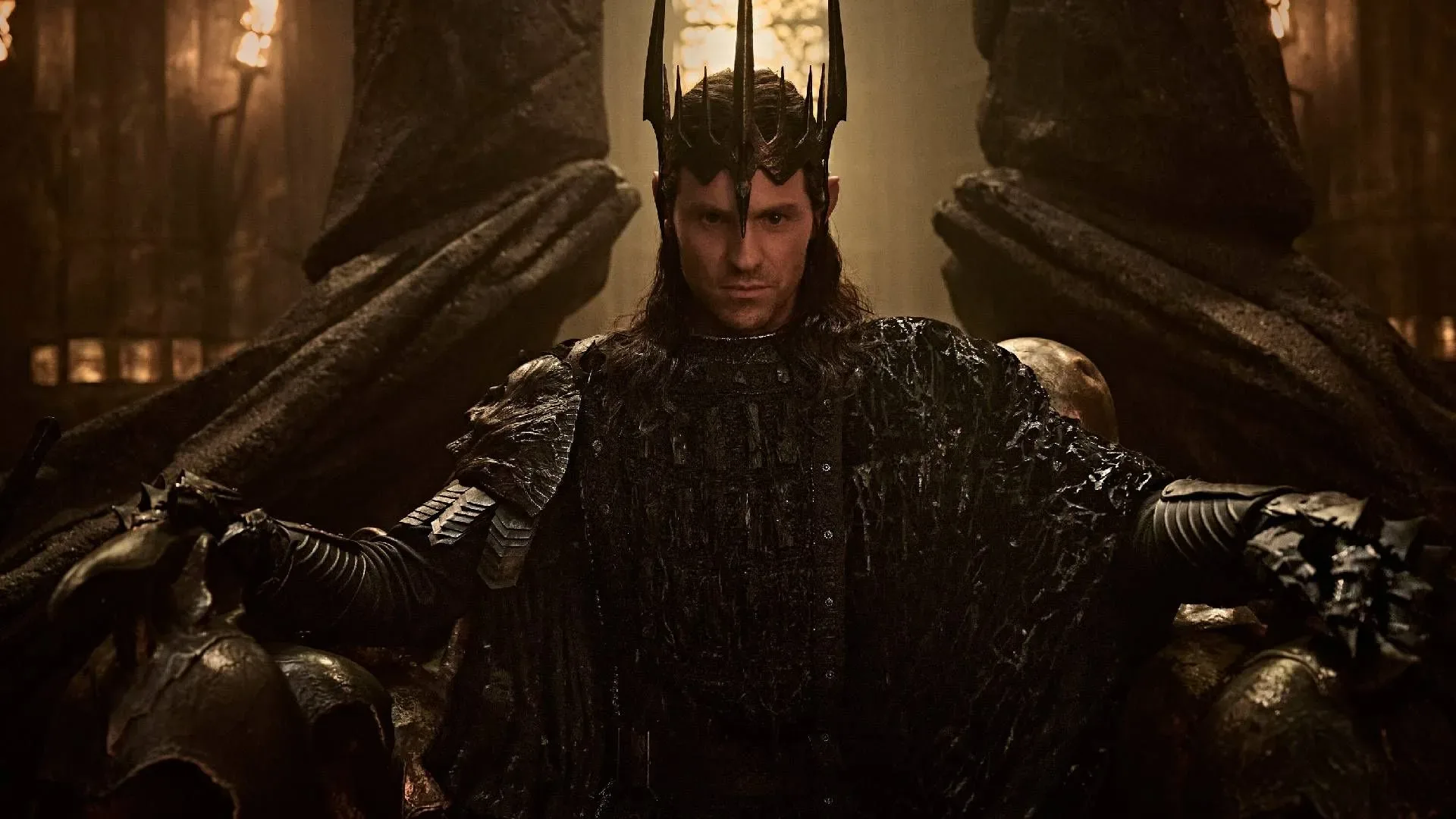
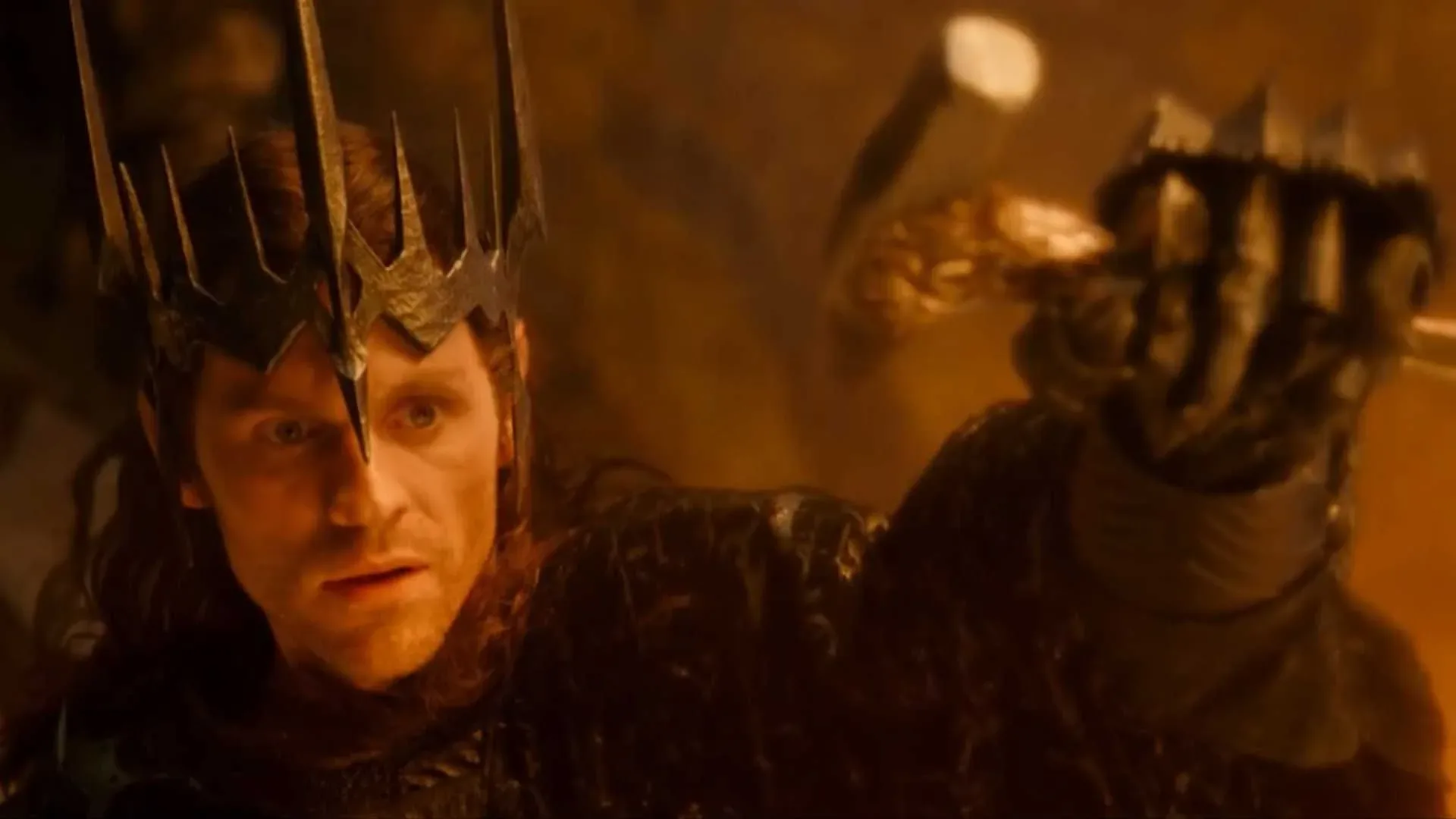
The One Ring is finally close to entering The Rings of Power. Season 3’s seventh episode is set to depict Sauron forging it, but the series is framing that moment as more than the next step in a campaign for Middle-earth. Its co-showrunner, J.D. Payne, has described the act as a strategic necessity with a personal target: Galadriel.
That distinction matters. Sauron has already expanded his power substantially in the five-year jump following season 2, and his armies have conquered much of Middle-earth. Yet the two Elven realms remain outside his reach because they are protected by the Three Elven rings. From Sauron’s perspective, the One Ring is the tool meant to overcome that barrier and assert command over the rings already in circulation.
But the show’s reading of his objective goes beyond an abstract wish to accumulate territory. Galadriel’s refusal to yield has become bound up in his conception of victory. He does not simply want the Three neutralized; he wants the power to master the figure who continues to stand beyond his control.
A weapon of domination, not merely conquest
Season 3 has positioned the Ring project within a clear hierarchy of power. The Three rings belong to the Elves, while the Seven are associated with Dwarves and the Nine with Men. Sauron took part in the making of the Seven and the Nine, but not the Three. That missing knowledge is the crucial limitation highlighted in the season premiere, “Marnûkh.”
After another unsuccessful attempt to forge the ring, Sauron is visited in a vision by Celebrimbor. The dead smith’s taunt is pointed: participation in the Seven and Nine does not give Sauron the secrets of the Three. Without those secrets, Celebrimbor argues, Sauron cannot make a ring able to master them—or Galadriel.
In practical dramatic terms, “mastering” is not being presented as a vague synonym for winning a war. It means exercising power over other rings and, through that power, over the people and realms protected by them. The One Ring is therefore designed as an instrument of control. Its importance comes not just from what it may let Sauron destroy, but from what it may let him compel.
That gives the impending forge a different emotional temperature. A conventional conquest story can treat a superweapon as a piece on a military board: build it, deploy it, seize the objective. Here, the desired weapon has been sharpened by humiliation, frustration and an inability to force the outcome Sauron wants. The object may be a ring, but the conflict being emphasized is a relationship defined by manipulation and resistance.
Why Galadriel is central to the plan
Payne’s explanation ties the season’s geopolitical stakes directly to the connection the series has spent two seasons building between Sauron and Galadriel. The character has always pursued dominion in the broadest sense, including rule over the Elven, Dwarven and human rings. Season 3’s added focus is on what that ambition feels like from inside the character.
Galadriel is not merely another opponent in that calculation. Her continued independence exposes the limits of Sauron’s present power. Charlie Vickers, who plays Sauron, has similarly characterized him as frustrated that she remains beyond his reach.
That is an important phrase because it preserves the difference between proximity and possession. Sauron can influence events, command armies and pursue the technical knowledge needed to make a ruling ring. None of that has made Galadriel submissive to him. The show is using that gap to give the forge an emotional motive: creating a means to erase the defiance he cannot otherwise overcome.
Celebrimbor’s vision makes the point even more cruelly. It does not only tell Sauron that the Three remain resistant; it frames that resistance as permanent, unless he can solve the problem of their creation. For a character whose aims are defined by conquest, being reminded that his desired victories could remain forever outside his grasp is precisely the provocation needed to turn ambition into obsession.
The five-year jump changes the pressure around the One Ring
The season’s five-year time jump means viewers are meeting Sauron at a later stage in his campaign than they did at the end of season 2. He is no longer approaching the One Ring as someone with no victories to his name. He has armies and conquered ground. The remaining obstacle is more specific, which makes it more consequential.
The Elven realms have held because of the Three. As a result, the One Ring is not being positioned as a random escalation or an optional addition to an already-successful war machine. It is the key Sauron believes he needs to breach a defense that has stopped the advance of his existing power.
This also explains why the distinction between the Three and the other rings is so significant in the current story. His participation in the Seven and Nine may establish his connection to those rings, but it does not automatically translate into authority over the Three. The drama around the forge comes from that missing link. He must create something capable of closing the gap.
There is an irony in the setup. Sauron seeks a ring that will let him dominate others, while the immediate obstacle is that he lacks the knowledge possessed by the Elves and embodied in the rings he did not help make. His pursuit of total mastery begins from a position of incompleteness. Celebrimbor’s vision turns that technical limitation into a psychological wound.
What episode 7 needs to deliver
With only two episodes remaining in the season, episode 7 carries a major narrative burden. The One Ring’s forging must function as an event in the wider war, but the material already on screen suggests it will also need to reveal what Sauron believes he is solving on a personal level.
The key question is not simply whether he makes the ring. That outcome has been telegraphed. The more revealing issue is how the sequence connects the act of creation to his need to command the Three and his fixation on Galadriel’s resistance.
That framing could make the forge more unsettling than a straightforward display of dark power. The One Ring is being approached as the culmination of calculation, but also as an answer to a challenge Sauron cannot tolerate. His military position has improved across the five-year gap; his frustration has not. In that sense, the forge is presented as a response to both a tactical impasse and an emotional one.
It is a useful reminder that fictional villains can pursue world-scale goals for deeply individual reasons. “Conquest” can sound impersonal until the story identifies the person a conqueror cannot bend. For Sauron, season 3 is locating that person in Galadriel.
That concentration on character stakes is especially notable as television fantasy builds toward a major piece of its mythology. Another recent genre-TV discussion centered on a carefully planted costume detail ahead of a post-credits reveal, as explored in this look at VisionQuest’s Scarlet Witch clue. In this case, though, the crucial setup is not a hidden visual reference. It is the repeated emphasis that Sauron’s desired power is inseparable from the person he has failed to control.
Episode 7 should therefore clarify the full shape of the threat. The One Ring represents a bid to dominate the rings that protect the Elves, a route toward conquering the realms still resisting Sauron, and an attempt to overcome Galadriel’s independence. Those aims overlap, but they are not identical—and the show’s most revealing choice is to make the last one central to the moment.