Spoilers for the VisionQuest finale follow.
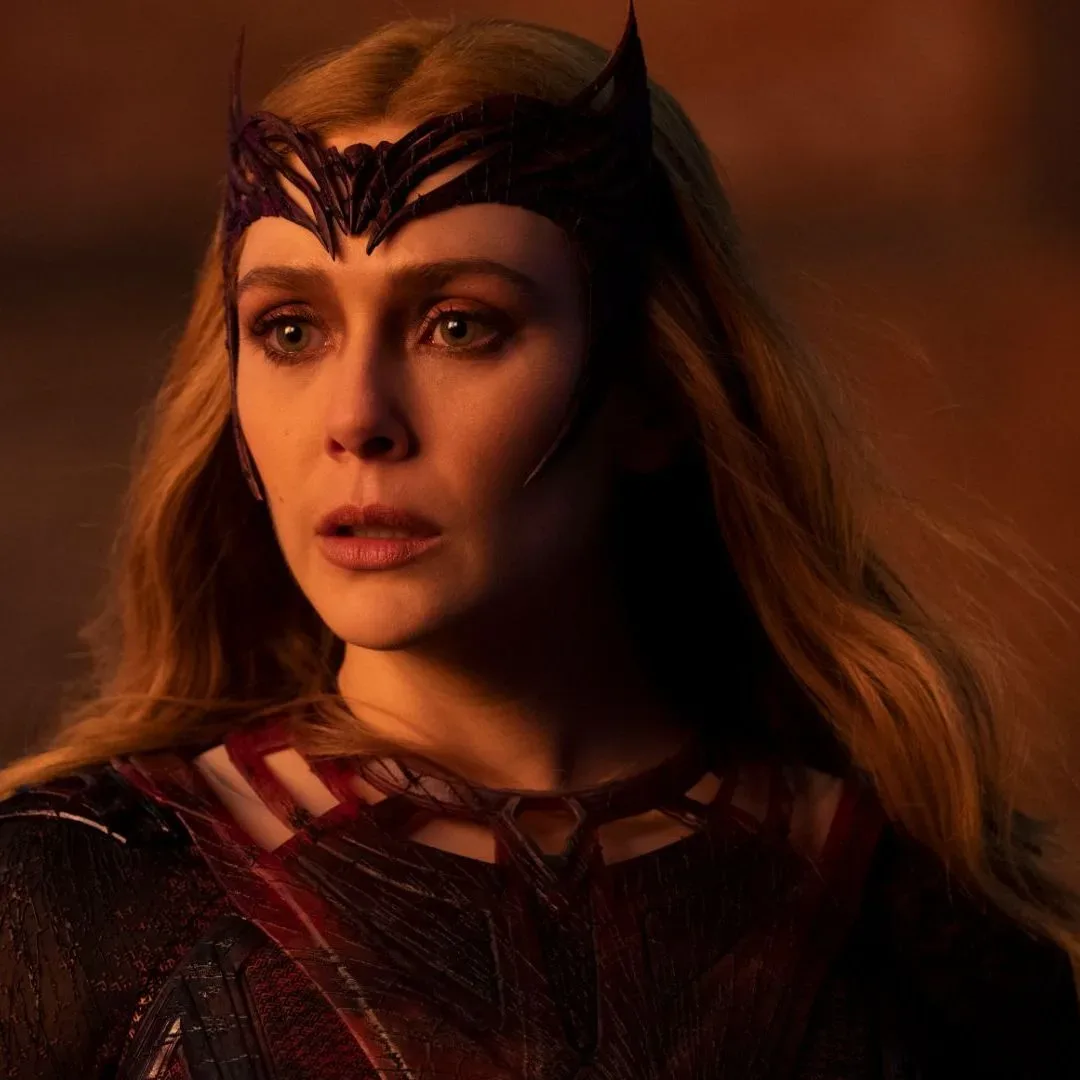
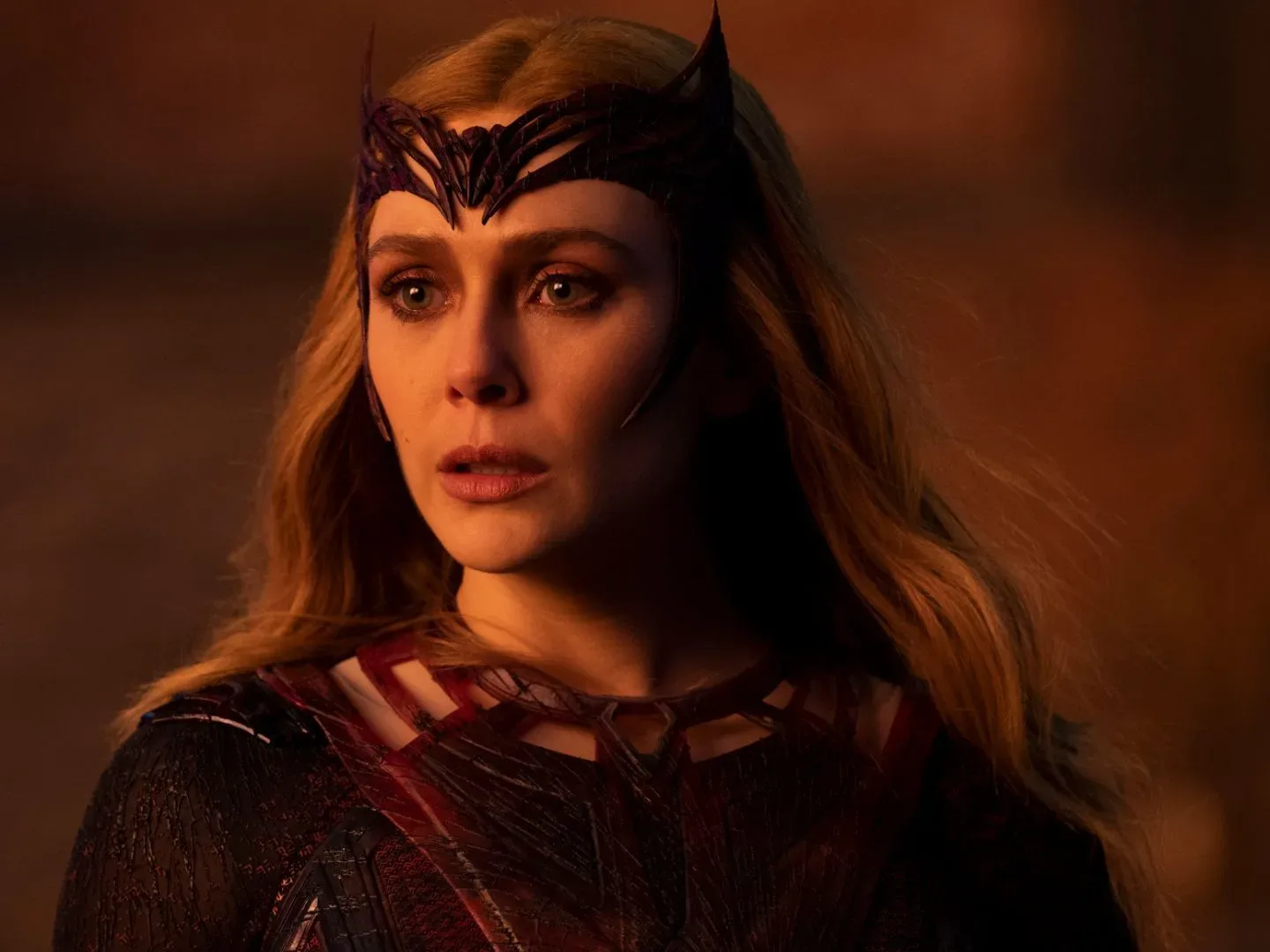
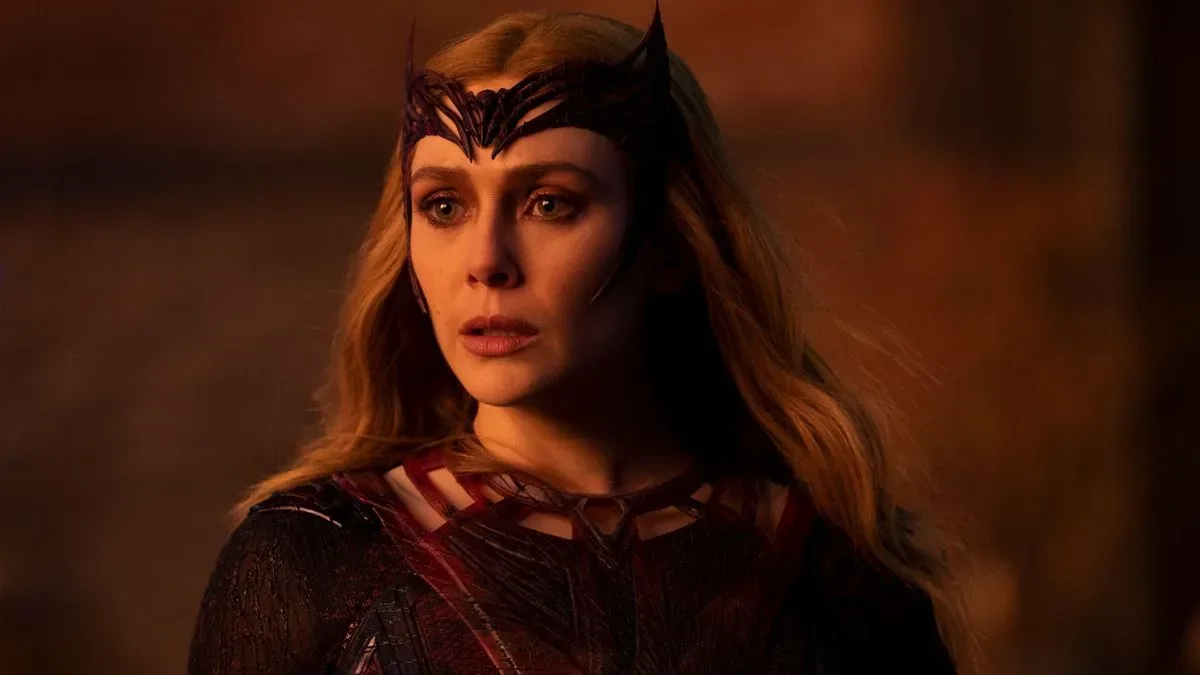
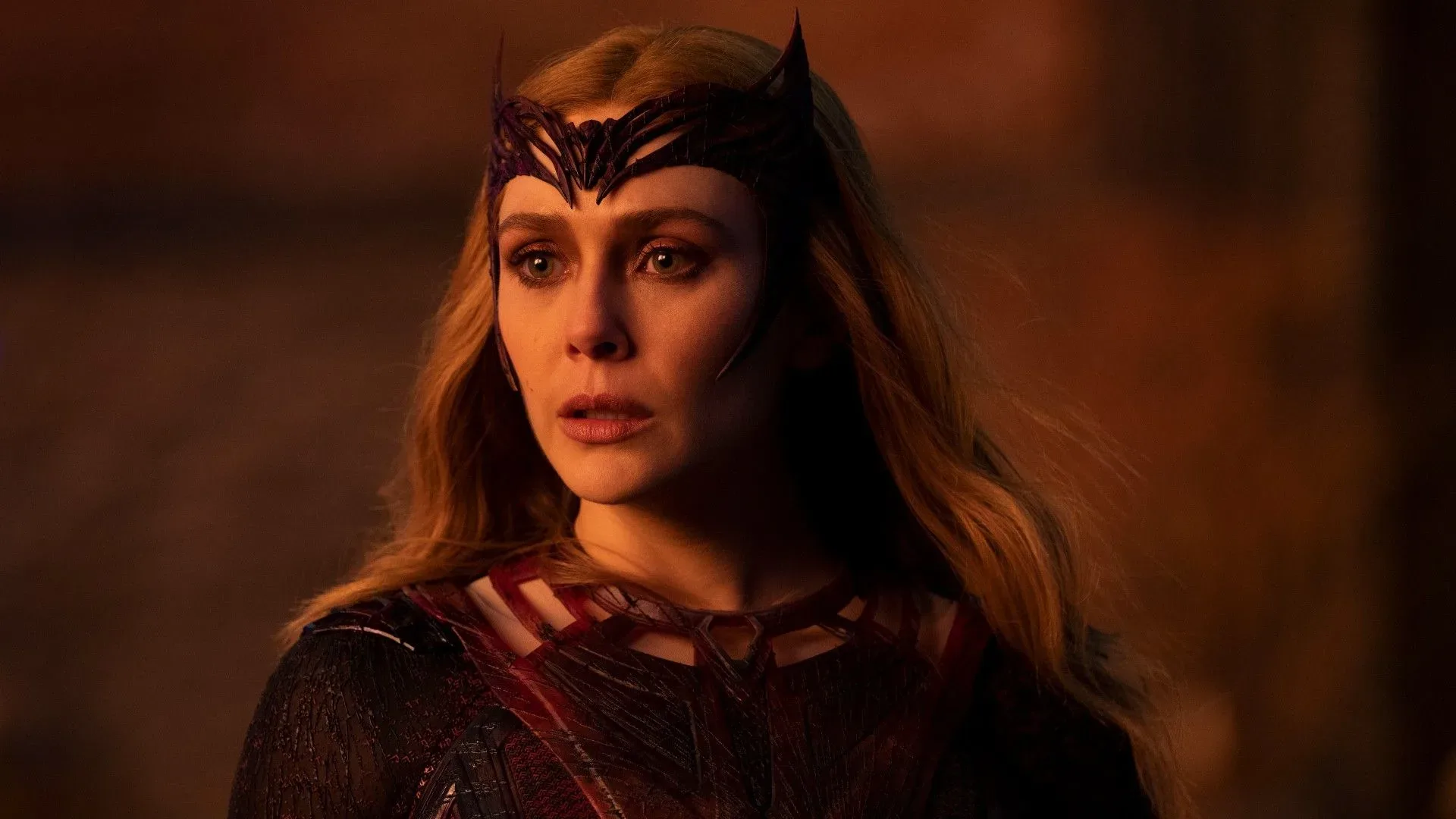
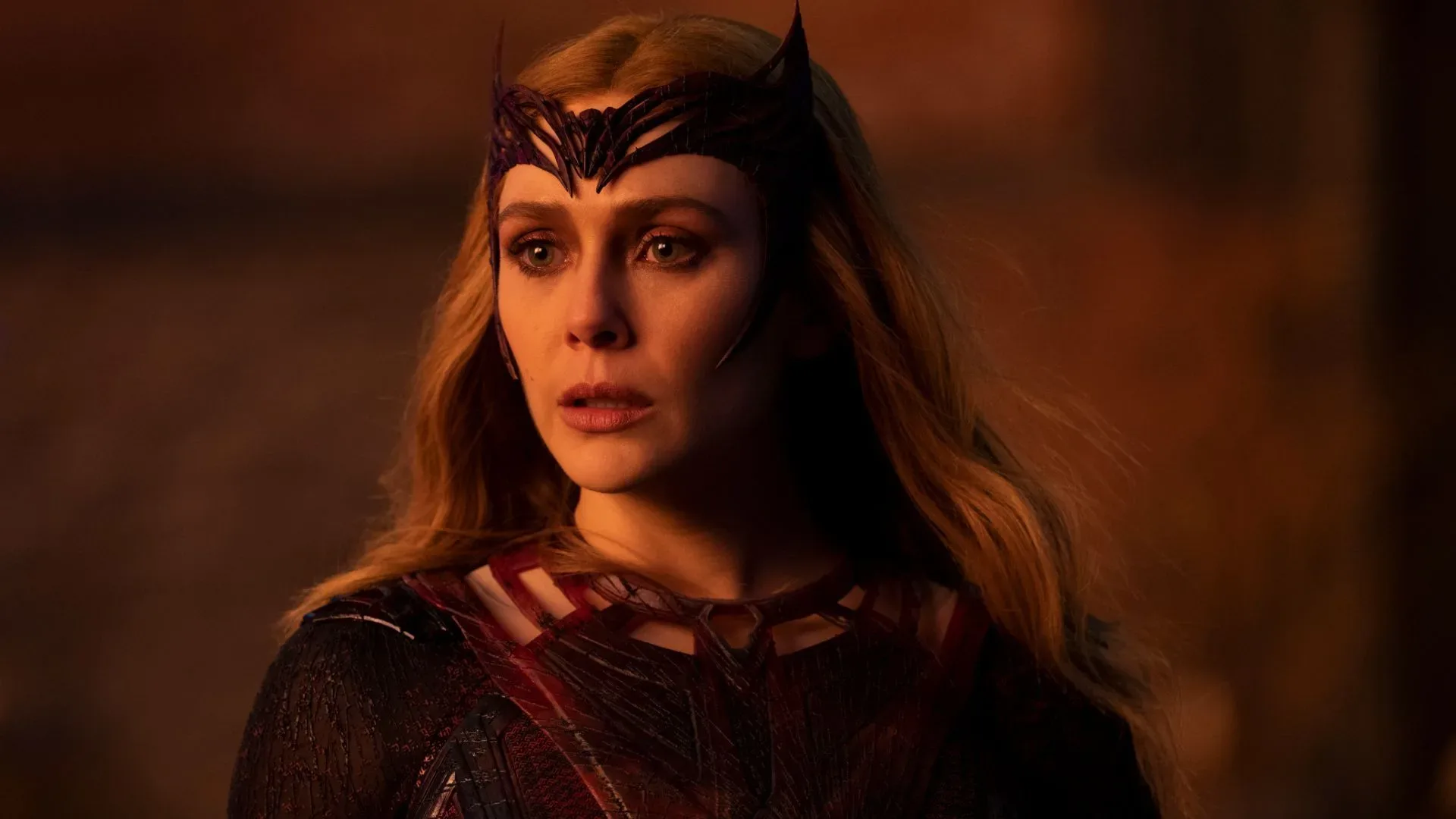
VisionQuest put one of its most consequential clues in an appropriately easy-to-miss place: Billy Maximoff’s denim jacket. Costume designer Sarah Young shared a look at the garment, which includes a drawing of Scarlet Witch’s distinctive crown. It is a small visual reference to Wanda Maximoff, but its placement gives it considerably more weight after the finale’s post-credits scene.
That scene reveals that Doctor Doom has resurrected Wanda and intends to use her abilities. Until then, the reunited family—Vision, Billy, and Tommy Shepherd—believes Wanda is dead. The crown sketch therefore works as more than a decorative Marvel nod. It keeps Wanda present in the frame even while the characters closest to her are living with her absence.
A costume Easter egg with a narrative job
An Easter egg is generally a deliberately placed detail that rewards attentive viewers without being necessary to follow the immediate plot. They can be references to prior stories, characters, source material, or future developments. The Scarlet Witch crown on Billy’s jacket meets that definition, but it also does something more specific: it visually connects Billy to his mother at a point when the story’s central family unit has not yet been fully restored.
The detail matters because it was not merely inferred from a paused frame by fans. Young, the show’s costume designer, shared the jacket reference herself. That gives the crown drawing a clear creative connection to the show’s wardrobe design rather than leaving it as an uncertain shape or accidental background element.
Costume design can communicate character history without pausing the story for exposition. A jacket patch, drawing, color choice, or accessory may carry emotional information for viewers who notice it, while still functioning naturally as clothing on screen. Here, Billy wearing a symbol associated with Scarlet Witch makes the family connection visible before the post-credits reveal changes what the audience knows about Wanda’s status.
It is also a notably restrained clue. The crown is not a spoken prophecy, a major plot device, or an overt declaration that Wanda will return. It is a small illustration on denim. That modest scale suits the reveal’s emotional setup: Wanda is absent from the reunion, yet not forgotten.
Why the finale reframes the image
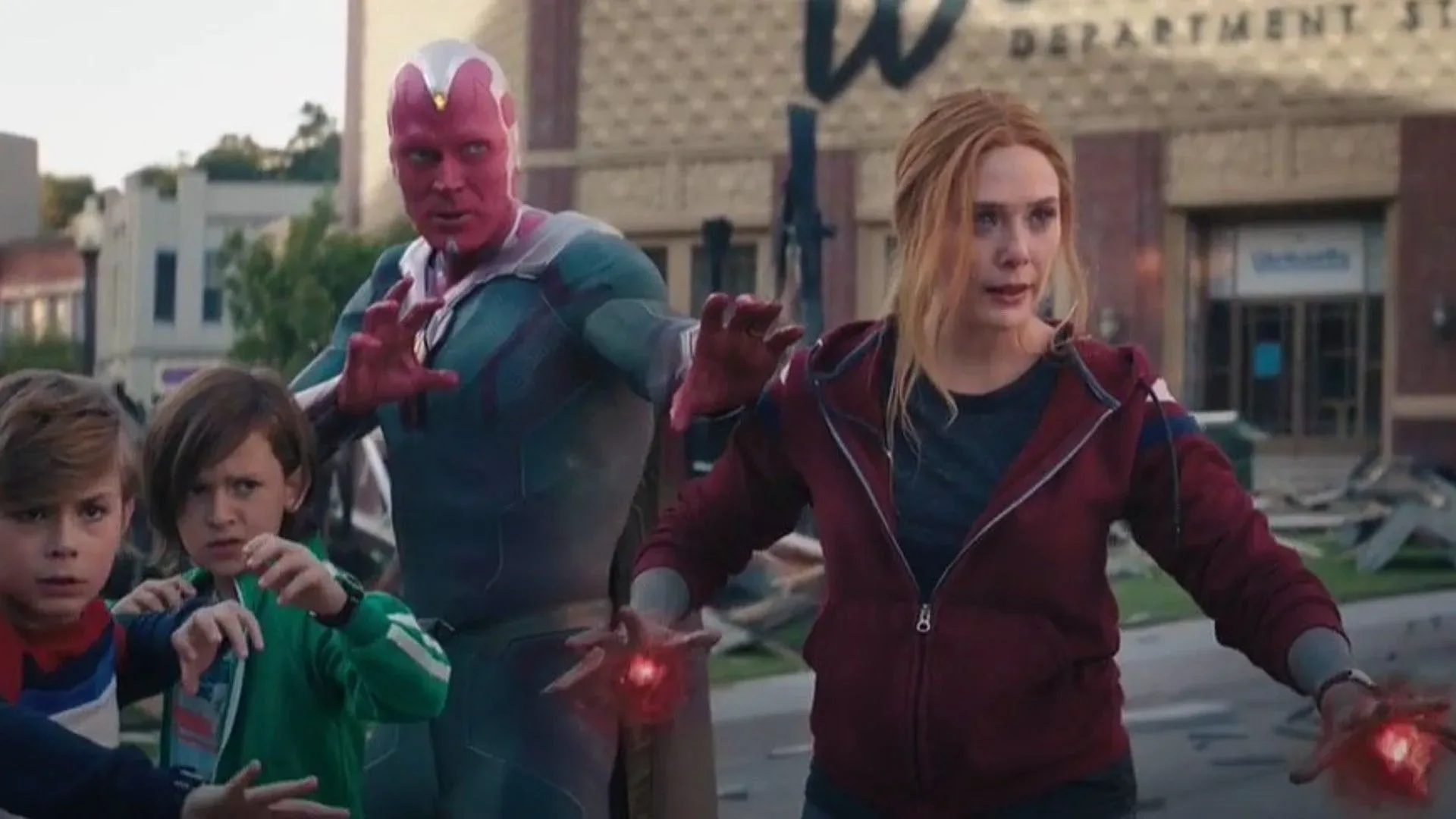
VisionQuest brings Vision, Billy, and Tommy together, but their reunion remains incomplete from their perspective because they believe Wanda is gone. The post-credits tag supplies information they do not have: Doctor Doom has brought her back and plans to put her powers to use.
That distinction is crucial. The family reunion is not immediately a happy confirmation that everyone is safe and together. Instead, the finale positions Wanda’s return as a new source of uncertainty. Resurrection resolves one question—whether she remains dead—but opens a more urgent one: what does Doctor Doom intend to do with her?
The jacket image becomes bittersweet in that context. It signals Billy’s connection to Wanda, but it cannot tell him where she is or what has happened to her. For viewers, the crown becomes a quiet prelude to the post-credits scene; for Billy within the story, it remains a personal reminder of someone he still thinks is missing.
Doctor Doom’s voice and the boundary of what is confirmed
VisionQuest showrunner Terry Matalas confirmed that the voice heard in the post-credits moment is Robert Downey Jr.’s. Matalas also said that the line was created specifically for that scene, while declining to explain further how the moment was assembled. That confirmation directly ties Doom to Wanda’s resurrection and reinforces that the tag is meant to establish a significant future thread rather than serve as an isolated surprise.
There is still a great deal the scene does not establish. The available information does not explain the method of Wanda’s resurrection, the terms of her relationship with Doom, whether she is acting freely, or the precise nature of Doom’s plan for her powers. Those are all open story questions, not details that can be responsibly filled in from the crown design or the post-credits reveal alone.
The measured reading, then, is simple: Wanda is alive, Doctor Doom is involved, and his stated purpose is connected to her powers. Anything beyond that remains speculation.
What it may set up for Avengers: Doomsday
Avengers: Doomsday is scheduled to arrive on December 18 and has an unusually large announced ensemble. The listed cast includes Anthony Mackie’s Captain America, the Fantastic Four, the Thunderbolts, Letitia Wright’s Shuri, Chris Hemsworth’s Thor, the Fox-era X-Men, Chris Evans’s Steve Rogers, and Robert Downey Jr.’s Doctor Doom.
Given the post-credits reveal, Wanda is now an obvious character to watch as the story moves toward that film. But “obvious to watch” is not the same as confirmation of a specific role. VisionQuest establishes the connection between Doom and Wanda; it does not disclose where she fits among the film’s many heroes, teams, and returning characters.
For now, the strongest implication is thematic rather than logistical. VisionQuest has made a family reunion central to its finale, then complicated that reunion by placing Wanda beyond the family’s knowledge and within Doom’s orbit. That leaves a personal stake inside a much larger Marvel event story: Vision, Billy, and Tommy may have found one another, but Wanda’s return makes the family’s status unresolved again.
The value of the smaller clue
Big post-credits scenes tend to dominate conversation because they alter the immediate direction of a shared universe. The Scarlet Witch crown, by contrast, is the kind of production detail that reveals care in the route to that larger moment. It does not replace the finale’s major reveal, nor does it decode Doom’s plans. Its importance is emotional and visual.
In practical viewing terms, it is also a reminder that wardrobe can carry continuity and character meaning in superhero television. Not every reference needs to be a line of dialogue or a dramatic entrance. Sometimes it is a drawing on a jacket, noticed after the fact, that makes the absence at the center of a scene feel more deliberate.
The crown does exactly that. Before VisionQuest told viewers that Wanda had been resurrected, it gave Billy a quiet symbol of her presence. After the reveal, that same symbol reads less like a general tribute and more like a carefully positioned hint that the Maximoff family story was not finished.
Marvel’s wider screen story is also intersecting with its physical-collecting culture, as seen in the Infinity Gauntlet auction news. Billy’s jacket is not a collectible announcement, but it illustrates why costume-level details can attract close attention: small symbols often carry outsized meaning for viewers following a franchise’s characters across projects.