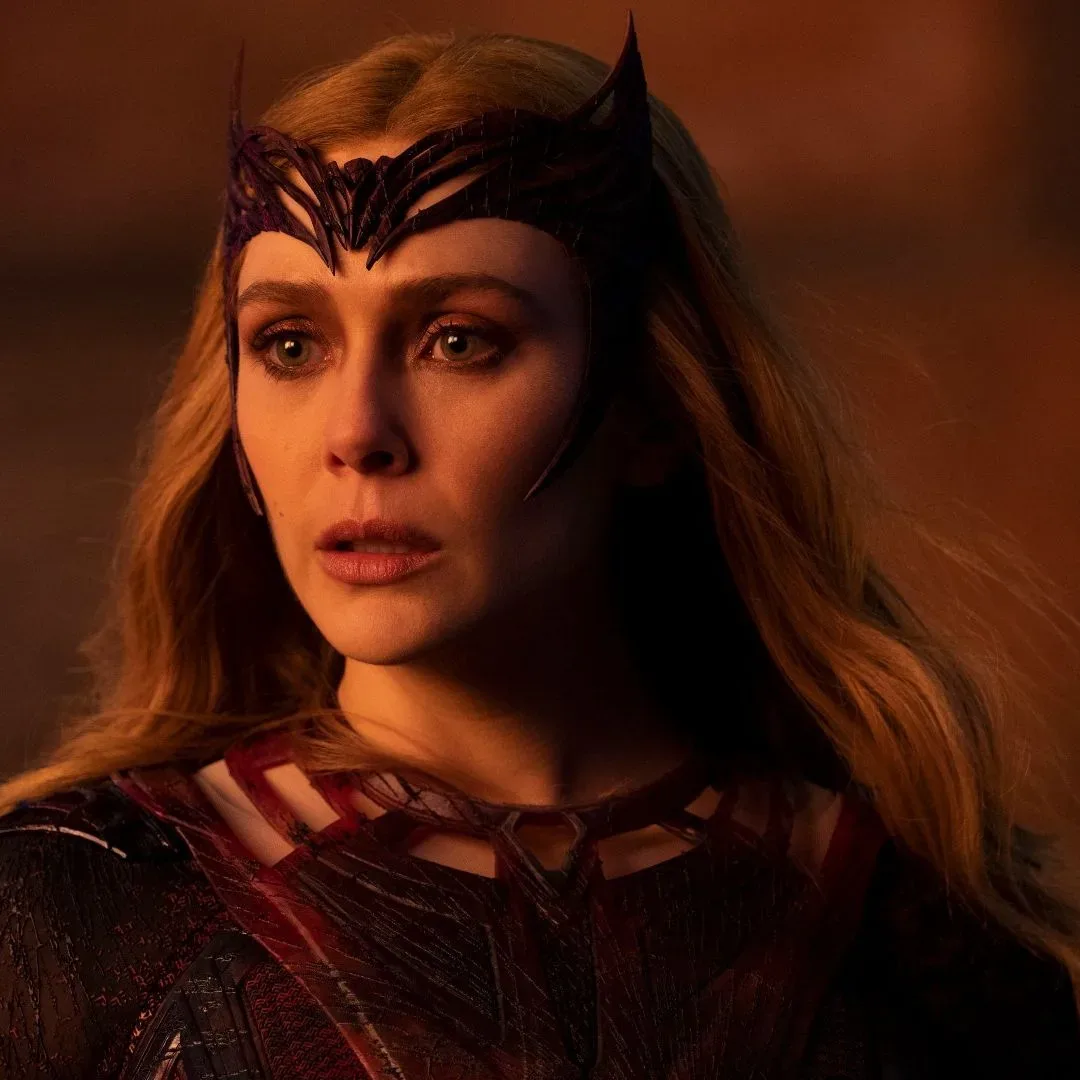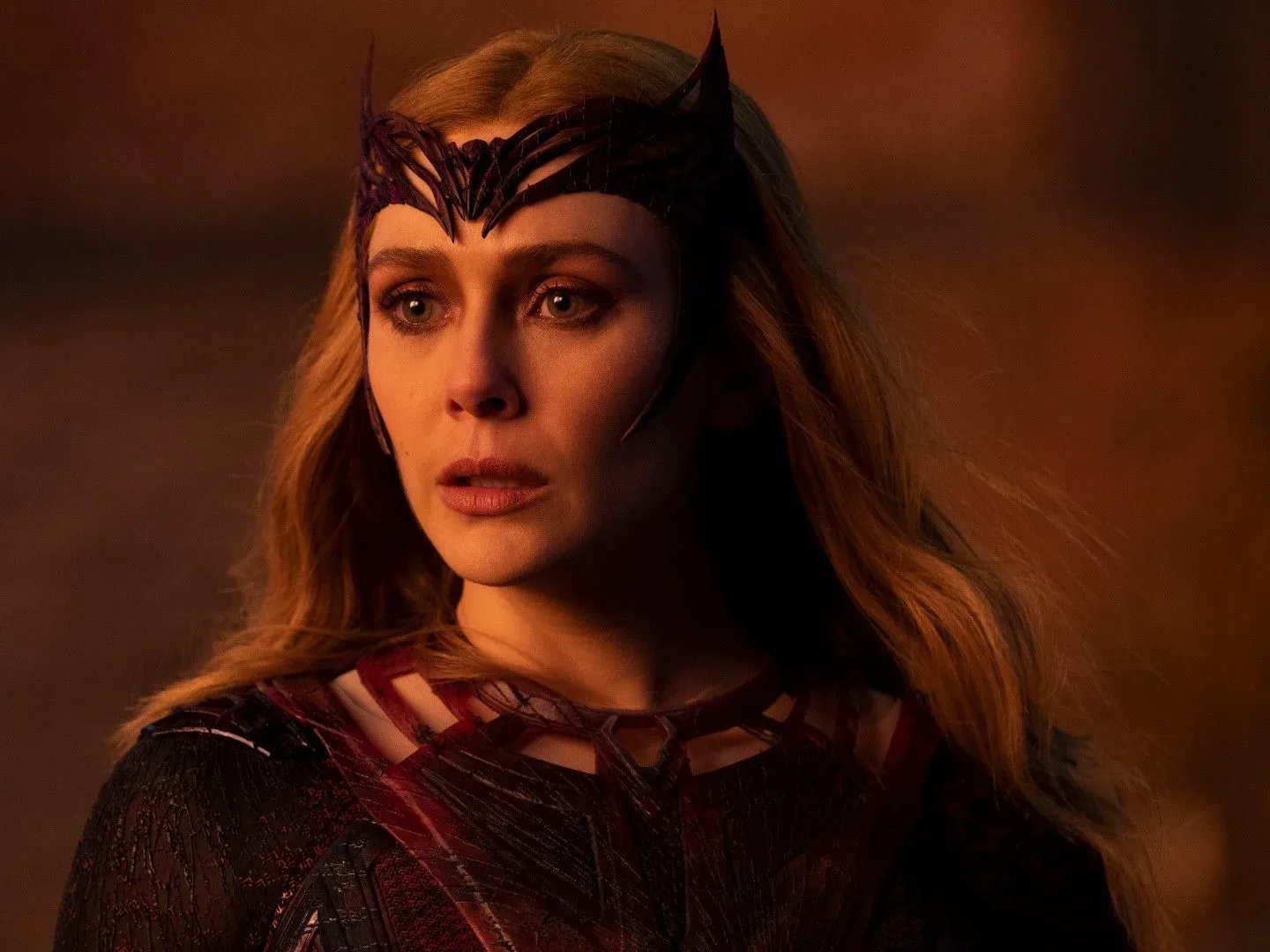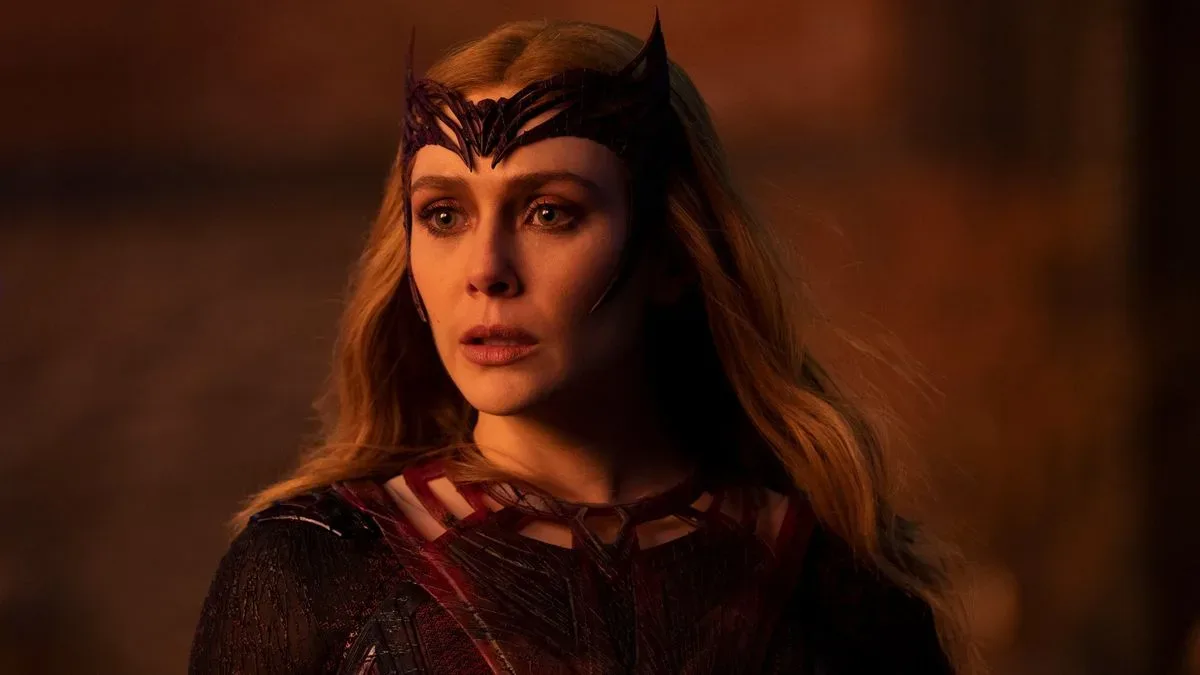
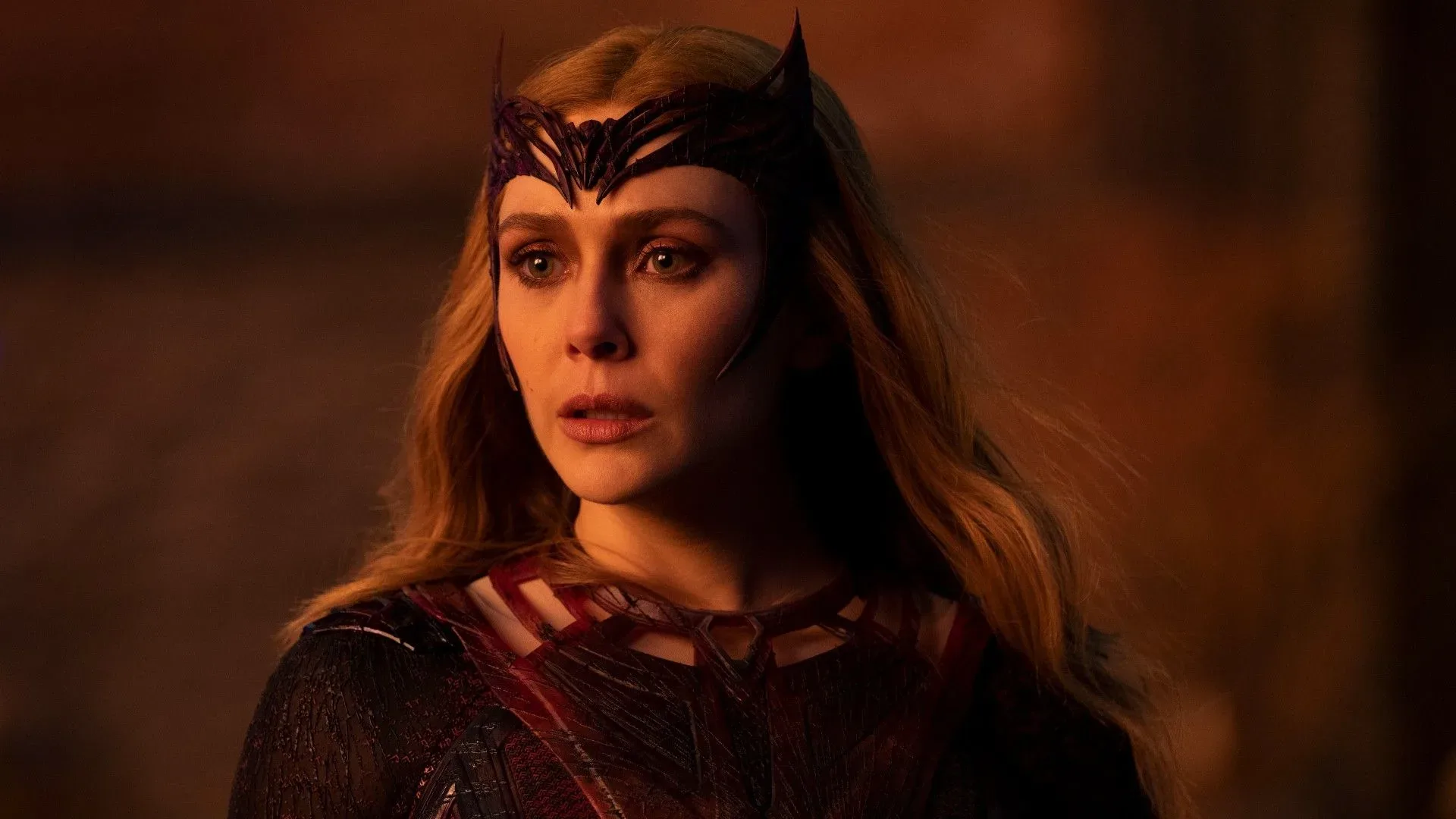
Wanda Maximoff has returned to the MCU conversation in a manner that is both extremely brief and impossible to ignore. The post-credits scene in the VisionQuest finale, in which Doctor Doom reawakens Wanda and recruits her for his fight against the Avengers, does more than establish a major piece of Avengers: Doomsday. It restores one of Marvel’s most emotionally complicated characters after four years away from the screen.
The reaction also makes a clear creative argument. A character who can command this level of attention through a final-scene appearance should not simply be treated as a powerful asset in someone else’s crossover. Wanda deserves a feature built around her point of view.
That is not a report that a Scarlet Witch movie has been announced. None is confirmed here. It is, however, a persuasive possibility given the character’s history, Elizabeth Olsen’s previously stated openness to returning, and the apparent audience interest following VisionQuest. Disney said the finale drew 3.7 million viewers on Disney+—a series high and a 44% rise from the prior episode—and helped spur ticket sales for Avengers: Doomsday. The timing of Wanda’s appearance naturally makes it difficult to separate that response from her return.
Marvel’s biggest event films can make nearly every character feel like a guest star in their own saga. A Scarlet Witch film would have the chance to do the opposite: slow down, make Wanda’s choices the engine of the story, and ask what comes after survival, grief, harm and redemption.
A cameo that changed the conversation
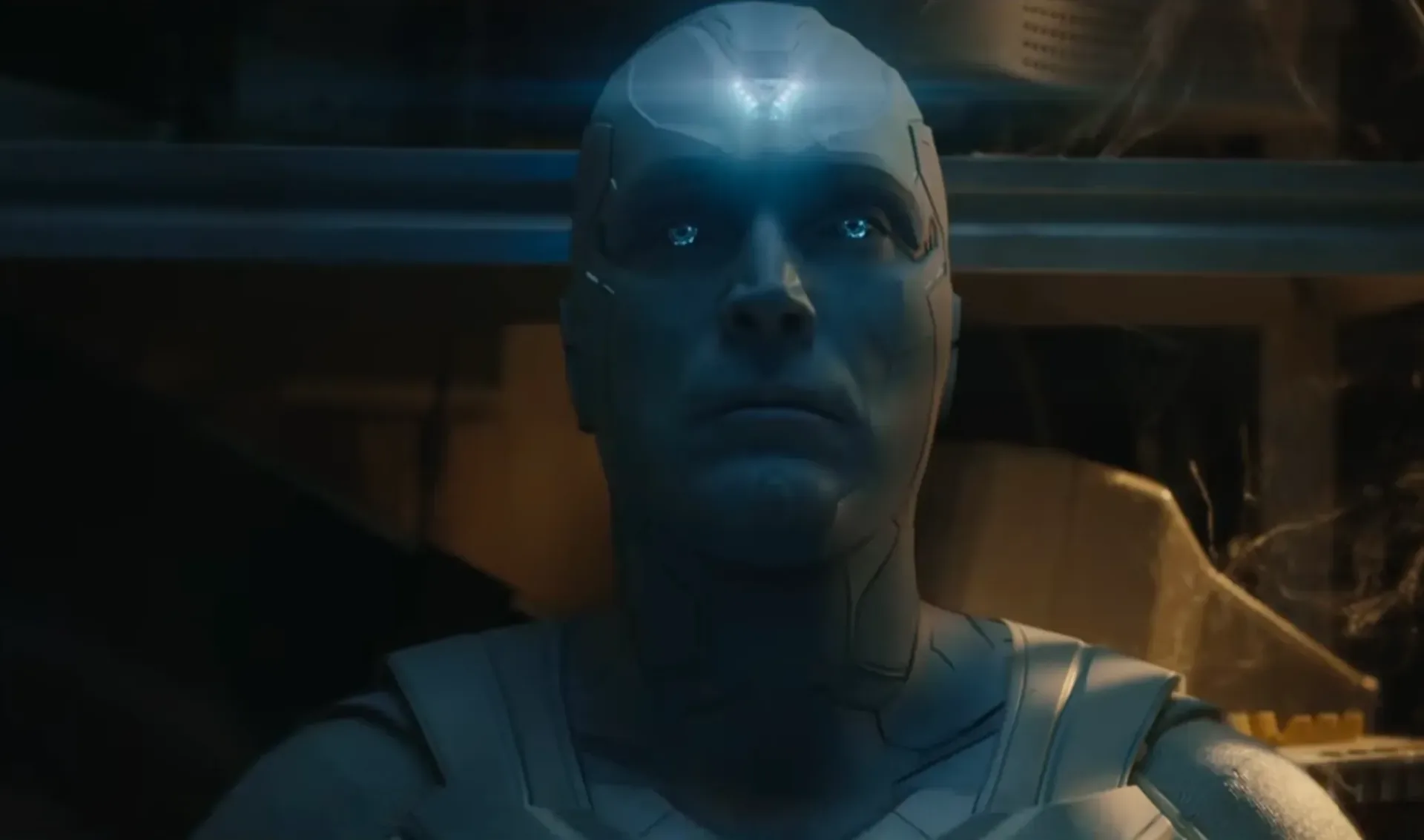
VisionQuest was designed to continue Vision’s story. Keeping Wanda out of the main narrative was a sensible decision. Paul Bettany has explained that Marvel Studios president Kevin Feige warned that bringing her in earlier would cause the show to become about WandaVision again. The finale’s response illustrates the wisdom of that restraint. Wanda’s presence is so large in MCU culture that even a brief appearance can redirect attention.
That does not diminish Vision. It identifies the particular challenge of using Wanda well. Her story is intrinsically connected to Vision, but it cannot be reduced to him. Likewise, her connection to Billy and Tommy should not exist only as an extension of her loss. The most promising solo-film premise would allow the Maximoff family relationships to matter while still making Wanda a fully active protagonist rather than a mother, lover, weapon or magical problem for other heroes to solve.
The character’s return also alters the stakes around Avengers: Doomsday. Doctor Doom has apparently recruited her against the Avengers, a setup that immediately raises questions about coercion, trust and Wanda’s own intentions. “Reawakened” does not necessarily mean powerless, willing or beyond redemption. Those unknowns create useful dramatic tension, but they also underline why the eventual aftermath needs room to breathe. A giant Avengers film may resolve the immediate conflict; it is less suited to unpacking what Wanda wants her life to be afterward.
Why Wanda needs a story about agency
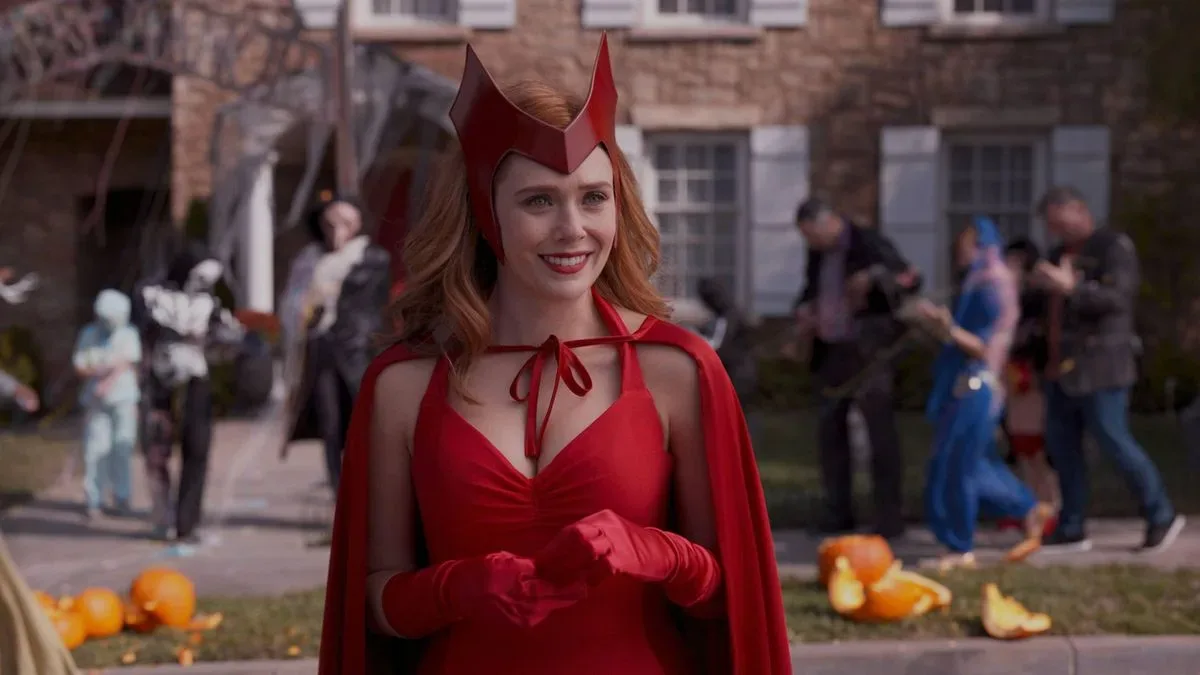
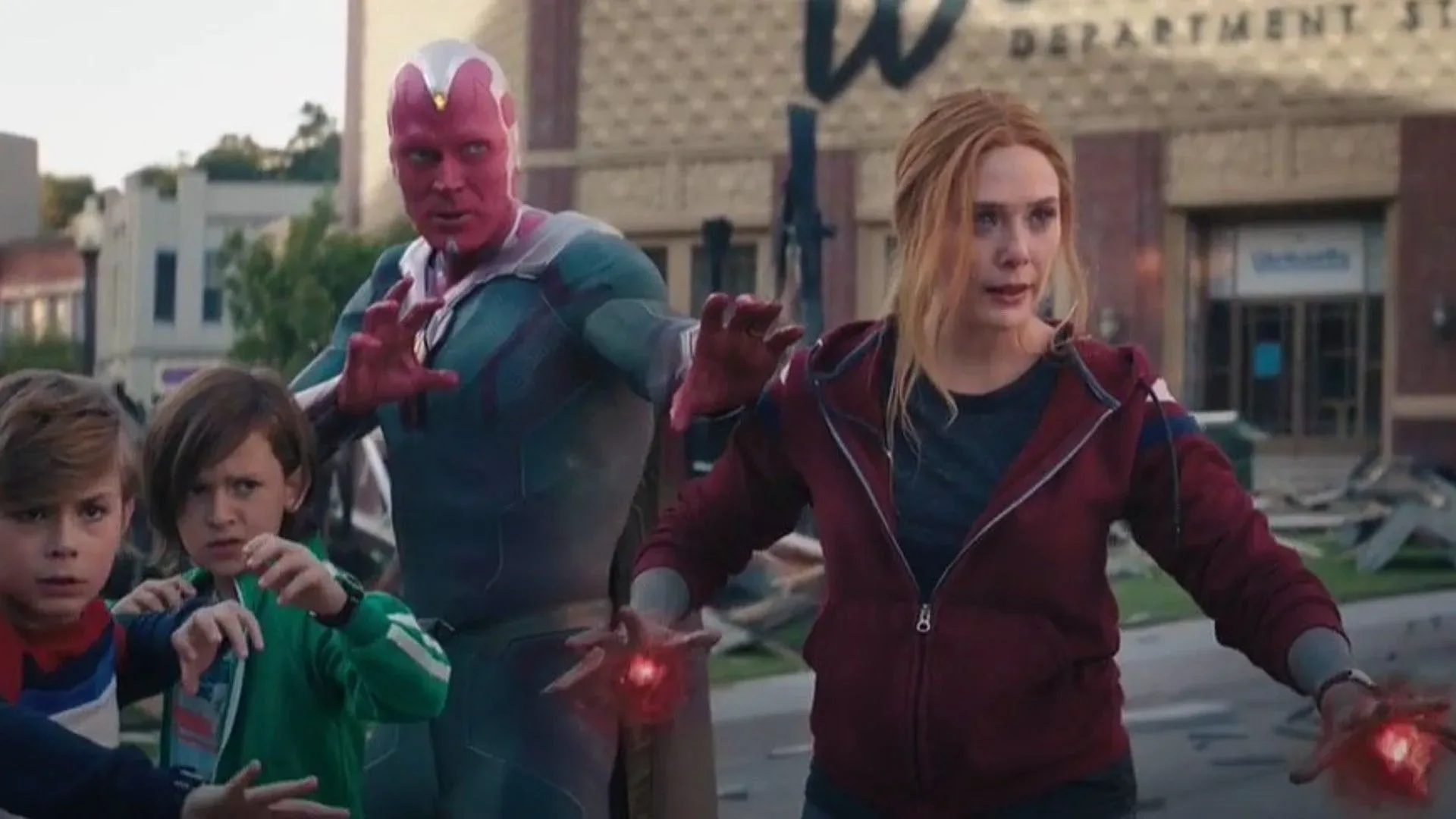
Wanda’s MCU trajectory has repeatedly placed her in extreme emotional circumstances. Since her first full appearance in Avengers: Age of Ultron, she has lost members of both her biological and chosen families. WandaVision turned that pain into an unusually intimate superhero story, using a television-world fantasy to examine denial, mourning and the terrible consequences of refusing to let go.
That series succeeded because it did not pretend Wanda was uncomplicated or blameless. It let her be sympathetic and frightening, loving and destructive. It made room for the fact that grief can explain an action without excusing it. That is a richer foundation than the familiar superhero shorthand in which a woman with immense power becomes “unstable,” dangerous and destined to be restrained or defeated.
Doctor Strange in the Multiverse of Madness then positioned Wanda as a villain overwhelmed by pain and power. Its ending left her apparent death under the ruins of Mount Wundagore as the final image of her journey for several years. The VisionQuest stinger confirms that apparent ending was not permanent, but returning is only the first step. The more consequential question is what Marvel permits Wanda to become once she is back.
A solo project should resist treating renewed suffering as the default answer. It would be easy to build another Scarlet Witch story around fresh catastrophe, corruption or an ominous magical object. Those ingredients can have a place in a comic-book fantasy, but they should not replace character progression. Wanda needs room to make decisions that are not dictated by manipulation, bereavement or a narrative need to turn her into a threat.
In practical terms, that means a film should give her objectives other than retrieving what she has lost. It should let her form boundaries, repair relationships where repair is possible, and accept that accountability is more substantial than a sacrificial gesture. Redemption is not merely a clean slate handed over after a climactic battle. It is an ongoing choice to do better when power makes doing otherwise easier.
The family story is already taking shape
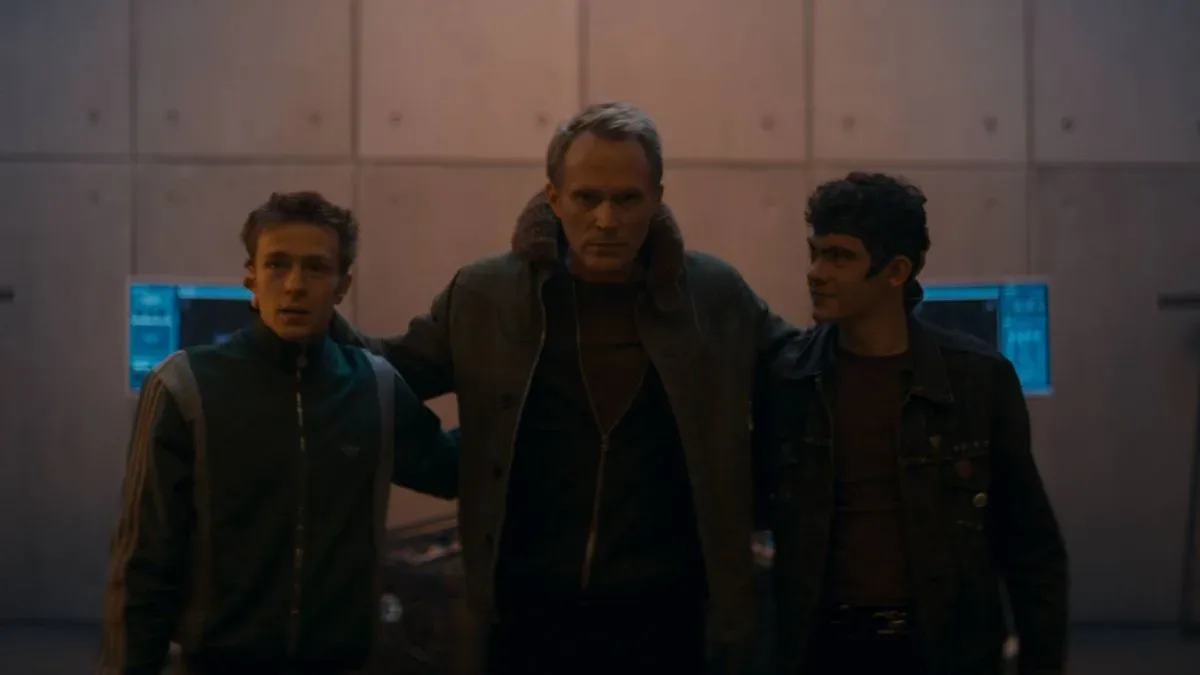
The strongest available direction is a film about the Maximoff family after reunion rather than a repeat of the family’s destruction. VisionQuest introduced Wanda’s now-adult son Tommy, while Wanda’s existing bond with Billy remains a central part of the character’s emotional landscape. If Avengers: Doomsday and Secret Wars steer the family toward reunion, a Scarlet Witch movie could begin from a rare place in Wanda’s life: possibility.
That distinction matters. Family has often functioned as an absence in Wanda’s MCU story. A follow-up could explore family as a living, messy relationship. Vision, Wanda, Billy and Tommy would not need to become a perfectly restored suburban unit, and they probably should not. Each of them has undergone different losses and transformations. A compelling film would respect those differences instead of using a reunion as a magic reset button.
There is a specific storytelling advantage in keeping the family dynamic central. Superhero spectacle often asks whether characters can save the world; a Maxmimoff-focused movie could ask whether they can build an honest life after the world has repeatedly pulled them apart. That can still contain mystical threats and high-stakes action, but the action would carry more meaning if the family’s choices—not just its powers—determine the ending.
Jac Schaeffer would be an understandable creative choice for such a project, though no involvement has been confirmed. As the creator of WandaVision, Schaeffer helped define this screen version of Wanda and her family as emotionally specific people rather than only a collection of comic-book mythology. A continuation would benefit from that same focus on interiority and relationships.
Comic history offers possibilities, not a checklist
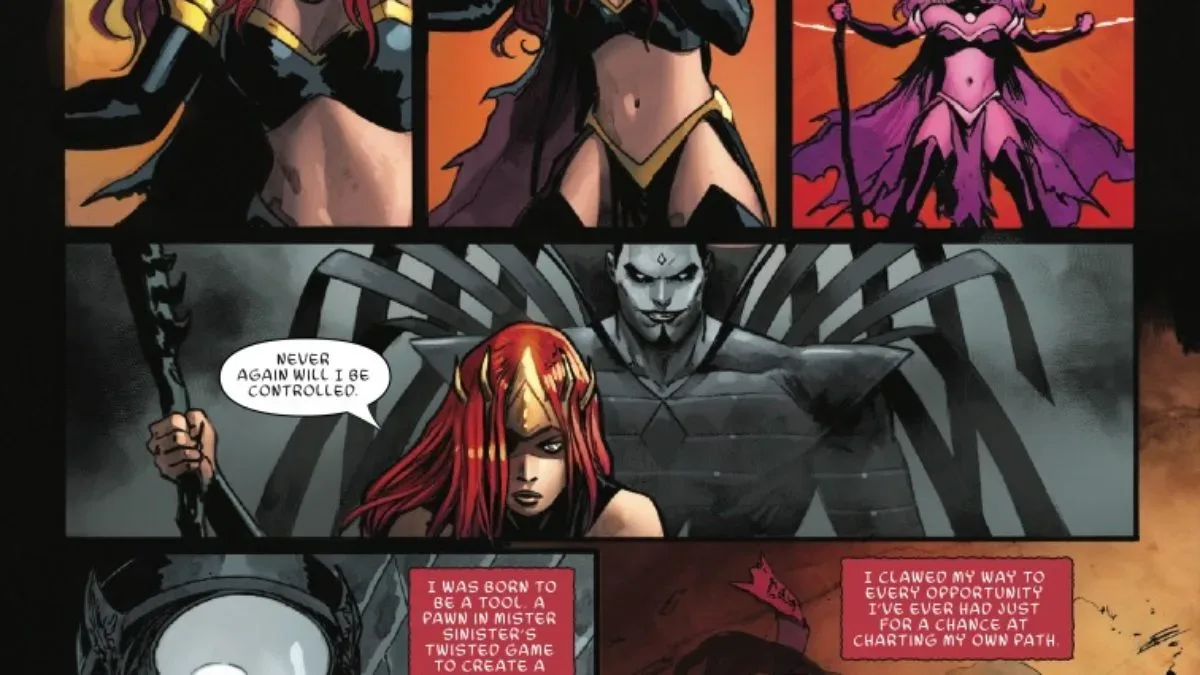
Comic readers know that Wanda has carried decades of contradictory history. One especially notorious example is 2005’s House of M, where Wanda is depicted as unstable and ultimately erases mutant powers from most mutants. The story’s cultural footprint is undeniable, but it also represents the kind of character framing a new film should approach carefully. Repeating the cycle of associating a woman’s emotional pain with uncontrolled catastrophe would make Wanda’s return feel far less ambitious than it ought to be.
Another possible influence is the 2010s story Children’s Crusade, in which Doctor Doom exploits Wanda before her children help set her on a path toward redemption. The broad outline fits the current MCU setup particularly well: Doom has now approached Wanda, and Tommy’s introduction puts another important family connection in place. Still, adaptation should not mean duplication. The useful element is the premise that Wanda’s life cannot be decided by Doom, the Avengers, or even her family on her behalf.
Marvel could also eventually revisit comic-book connections involving Magneto and Quicksilver. Those relationships are often tied to Wanda’s biological family on the page, while the MCU has its own established continuity to consider. The arrival of the Fantastic Four and Fox’s original X-Men team in Doomsday opens more doors, but adding every available connection could easily bury the intimate story that makes Wanda distinctive. For a useful point of X-Men-adjacent comic context, see this look at an X-Men supernatural team-up.
The term “Nexus Being” is another example of mythology that needs explanation rather than empty escalation. In Marvel lore, it refers to an individual with unusual importance to the possibilities of their reality. It is an evocative idea for Wanda, but a movie should use it to illuminate her choices, not simply to declare her infinitely powerful. The dramatic value of a character with immense magic comes from limits, responsibility and the consequences of deciding when not to use that power.
A better next chapter than another fall
There is a real danger in Wanda’s Doomsday setup: that her return becomes another chapter in a pattern where an immensely powerful woman is controlled, corrupted or used as a catalyst for others’ heroism. Doctor Doom taking advantage of Wanda could be dramatically effective, but only if the story refuses to leave her there. She should have meaningful agency in resisting him, confronting what she has done, and defining what comes next.
A solo Scarlet Witch movie would be the right venue for that work. It could be a supernatural superhero film, a family drama, or both. It could introduce adversaries connected to Wanda’s history, including the entity known as Death from Agatha All Along, played by Aubrey Plaza. But the antagonist is less important than the film’s perspective. Wanda cannot merely be the volatile force the heroes must manage. She needs to be the person whose understanding of herself shapes the plot.
Elizabeth Olsen said in 2022 that she hoped to return and find a different kind of fun with the character after the wild run Wanda had experienced. That remains the key word: different. The MCU has already shown the darkest edges of Wanda’s grief. Her next major story should not erase that history, but it should allow her more than another descent.
Avengers: Doomsday arrives December 16 in the UK and December 18 in the US. Whether Wanda leaves that event as an Avenger, an ally to her family, or something more uncertain remains to be seen. Yet the case for what follows is already strong. Scarlet Witch has spent too long serving as the emotional accelerant for other stories. It is time for a film that lets Wanda Maximoff decide what her own future looks like.